What to Wear in El Nido in November
Pack for El Nido in November with quick-dry layers, a compact rain shell, boat-day extras, and flexible swimwear for a changeable transition month.
On this page
El Nido in November: the weather in numbers
Typical November conditions from 30 years of daily weather data, split into early, mid and late month so you can match them to your travel dates.
| Dates | Early Nov (1–10) | Mid Nov (11–20) | Late Nov (21–30) |
|---|---|---|---|
| Afternoon high | 29°C (84°F) | 29°C (84°F) | 29°C (83°F) |
| Night-time low | 25°C (78°F) | 26°C (78°F) | 26°C (78°F) |
| Feels like (afternoon) | 32°C (89°F) | 32°C (89°F) | 31°C (89°F) |
| Range of afternoon highs | 28–30°C | 28–30°C | 28–29°C |
| Days with rain | 8 in 10 days | 8 in 10 days | 7 in 10 days |
| Afternoon humidity | 74% | 74% | 74% |
| Average wind | 12 km/h | 13 km/h | 14 km/h |
| Daylight | 11.6 h | 11.5 h | 11.4 h |
What this means for your suitcase
- Hot afternoons: loose, breathable fabrics like linen or cotton, short sleeves and a sun hat.
- Heavy downpours are common — quick-dry clothes and shoes or sandals that cope with puddles.
- Muggy air — moisture-wicking fabrics beat denim and heavy cotton.
Travelling on specific dates? Use our What to Wear Planner for the weather, outfits and a packing list for your exact days in El Nido.
Averages for 1991-2020, modelled from Copernicus ERA5-Land and ERA5 reanalysis via Open-Meteo open data (CC BY 4.0), adjusted to El Nido's elevation. Modelled afternoon highs can read 1–2°C below airport weather-station records.
El Nido in November is a transition month rather than a fixed season. The wetter habagat pattern is easing while the drier, amihan-influenced stretch is only beginning, which historically means variable rain, shifting wind, and shorter daylight than the peak months. Packing for one weather type will leave you uncomfortable, so build a small kit that handles both.
The goal is not to bring more, but to bring pieces that dry fast and work in layers. Quick-dry tops, a compact rain shell, and fast-draining footwear cover most situations, while a dry bag protects the items you cannot afford to soak on a boat. If you want the full destination overview first, the El Nido packing list covers the broader kit this article adapts for November conditions.
What November Conditions Mean for Your Bag
Travel sources describe November in El Nido as shoulder season, with rain still possible before conditions settle into a drier pattern. Big Dream Boatman notes that the dry season generally spans November through May and that November begins that drier stretch, while also advising visitors to prepare for wet-weather interruptions and to stay flexible because tours can be cancelled or rescheduled. That combination is the key packing signal: expect mostly useful days, with some wet, breezy, or boat-disrupted ones.
Shorter daylight matters for clothing choices. You will likely be in damp swimwear or a rain-damp top closer to sunset, so a light long-sleeve layer earns its place in the day bag even when the afternoon feels hot. A compact rain shell that folds into its own pocket handles both a passing shower and a breezier boat ride without adding bulk.
Most itineraries will still be warm enough for swimming and boat days, but the combination of warm sea, wet clothing, and evening breeze can feel cooler than the midday temperature suggests. Check the current outlook close to departure for actual conditions. The El Nido dry season packing guide is useful once conditions settle into the clearer, calmer stretch, while this month requires holding both wet and dry options.
Boat Days and Island Hopping: The Core Kit
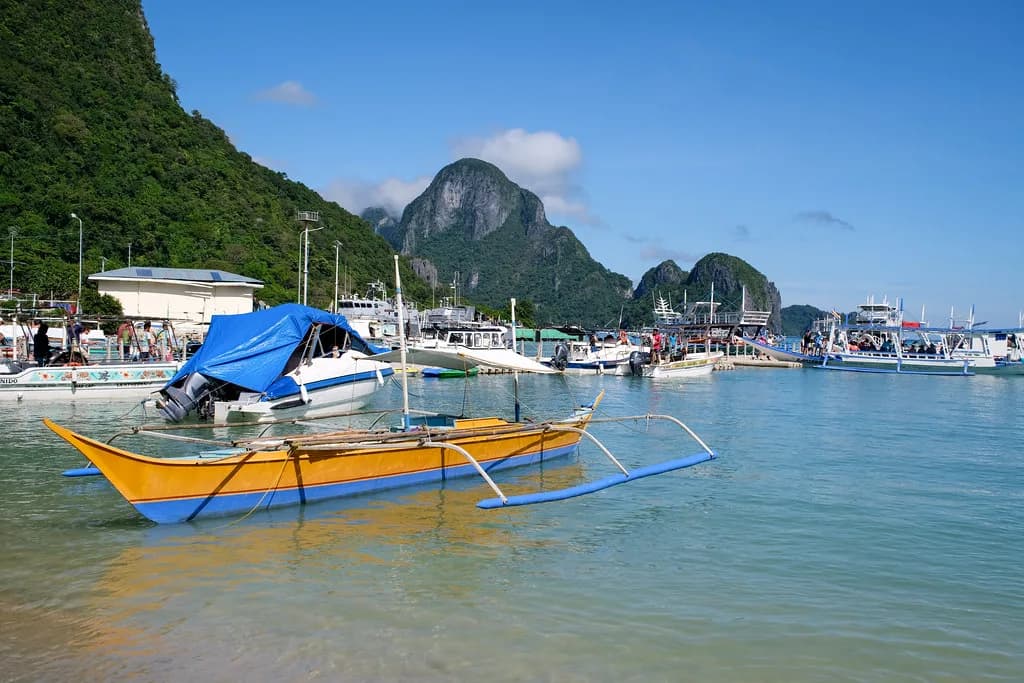
Boat days drive most of the packing decisions in El Nido, because you are likely to get splashed, step into shallow water, and sit in wet swimwear between stops. Wear swimwear under your clothes so you can move straight from the boat into the water without hunting for a changing spot. Practical additions include a dry bag for phone, documents, and camera, plus a light change of clothes and a quick-dry towel for the ride back.
Sun protection is not optional on the water. A hat, sunglasses, and sunscreen belong in the day bag regardless of cloud cover, and a light long-sleeve shirt adds coverage when you want it. The island-tour packing guidance for El Nido also recommends a dry bag and water shoes as essentials, and notes that wearing a swimsuit under your clothes saves time.
If you plan to snorkel or dive, compare your own mask against what is available locally before deciding what to carry. A mask that fits well can be worth the space, while fins and other bulky gear are often easier to arrange on the ground. The El Nido snorkeling and diving packing guide breaks down those trade-offs for boat-based days.
Town and Evening Wear for a Changeable Month
El Nido town is casual, and you do not need formal evening wear. After a wet or windy boat day, a light long-sleeve top over a dry base layer keeps you comfortable without a heavy jacket. Breathable trousers or a skirt paired with a quick-dry top cover most dinners, and a light scarf or sarong doubles as a cover-up and a layer if the evening breeze picks up.
Quick-dry footwear matters more than style in town. Paths and steps can stay slick after rain, so choose shoes with grip that drain well and do not stay waterlogged. Save the delicate sandals for dry evenings and keep a practical pair for walking between the waterfront, your accommodation, and the tricycle or van you take around town.
Footwear: Matching Shoes to Each Terrain
Three footwear jobs cover nearly all of a November trip: boat and beach landings, slippery town walking, and any limestone or trail sections you add on. Water shoes or closed sports sandals handle wet boat decks, shallow coral, and rocky shorelines because they stay on your foot and drain quickly. A pair of quick-dry walking shoes covers town and resort paths, and light trail shoes help on rocky ground if you plan a viewpoint hike. The El Nido footwear guide compares these options in more detail.
Flip-flops are fine for short, dry walks but poor on wet limestone and boat ladders. If you only have room for two pairs, make one a fast-draining shoe with grip and the other a simple sandal for dry evenings. Socks are worth packing for any closed shoe, especially if you expect damp conditions or cooler air-conditioned transport.
Materials and Layers That Work in Humidity
Quick-dry synthetics and thin blends outperform cotton in El Nido because they move moisture away and dry between wears. If you prefer natural fabrics, choose lightweight, loose weaves and accept longer drying times, particularly in a room without strong airflow. A small travel clothesline and a few compact clips let you wash and dry a top or swimsuit overnight, which reduces the volume you need to carry.
Layering should be light and adaptable. A quick-dry base, a compact rain shell, and a light long-sleeve layer cover a hot afternoon, a wet boat ride, and a breezy evening without a heavy jacket. A waterproof phone pouch keeps a device usable around water, and a dry bag protects items that must stay dry even if your day pack gets splashed.
A Five-Day Packing Example
For five days, four quick-dry tops, two pairs of shorts or light trousers, one skirt or dress if you want a step-up option, two swimsuits, and one light long-sleeve layer give you enough rotation without overpacking. Two swimsuits let one dry while you wear the other, which matters when boat days are consecutive or a trip is rescheduled. Add one compact rain shell and one light cover-up or sarong.
Footwear can stay to three pairs if you choose carefully: one fast-draining shoe with grip, one simple sandal, and one light closed shoe for town or travel days. Pack a quick-dry towel, a dry bag, a hat, sunglasses, sunscreen, and a small first-aid kit with plasters and any personal medication you need. Reusable water bottles and a power bank are worth the space on long boat days.
What to Leave Behind
Bulky cotton items, heavy denim, and thick jackets are the first things to cut because they stay damp and take up space you could use for a layer that actually dries. Leave formal evening wear at home unless you have a specific event confirmed. Expensive jewelry, large amounts of cash, and fragile electronics that cannot go in a dry bag are better left in a hotel safe or at home.
Do not pack for a fixed version of November. A full rain suit, heavy hiking boots, or a large umbrella you will resent carrying around town add weight without solving the actual problem, which is short, variable rain and wet boat decks. A compact shell, a dry bag, and fast-drying clothes do the job.
Before You Go: Check the Forecast and Stay Flexible
Check the current forecast for your exact dates a few days before departure and again when you arrive. November is a transition month, so a small shift in wind or rain can change what you actually need on the water. If your accommodation or tour operator publishes weather or rescheduling guidance, read it before you leave so you know what to expect if a boat day moves.
Build in flexibility rather than packing for a worst case. Keep swimwear hand-washed and dried when you can, keep a dry set of clothes in the dry bag, and treat the light long-sleeve layer as the piece that rescues a breezy return. Planning around a mix of short trips is easier than committing to one rigid schedule, and a compact kit makes rescheduling far less stressful.
Plan Your Visit
November in El Nido rewards a small, adaptable kit over a large one. Quick-dry clothing, a compact rain shell, a dry bag, water-ready footwear, and a light long-sleeve layer cover the range of conditions a transition month throws at you. Editorial suggestions like these are practical starting points, not requirements, so adjust quantities to your own trip length and laundry routine.
Before departure, confirm current conditions for your dates and check any rescheduling or weather guidance from your tour operator or accommodation. If your travel window shifts toward the clearer stretch, the El Nido dry season packing guide shows what you can safely trim, while a wetter forecast means keeping the rain shell and dry bag close at hand.
Related packing guides
- El Nido Packing List: What to Wear and Bring
- El Nido Dry Season Packing: What to Wear and Bring
- El Nido Rainy Season Packing: What to Bring for Wet Weather
- What to Wear in Cebu in November: Outfits for Heat and Showers
- What to Wear in Manila in November: Packing Guide
- What to Pack for Phuket in November: Beach Packing Guide
- What to Wear in Bangkok in November: Cool Season Packing Tips
Frequently Asked Questions
What is the weather like in El Nido in November?
November is a transition month between the wetter habagat pattern and the start of the drier, amihan-influenced stretch. Historical tendencies point to warm days, warm sea temperatures, and a mix of rain, wind, and shorter daylight rather than a single steady weather type. Treat any seasonal averages as background context and check the current forecast for your exact dates before you finalise your bag.
What should I wear in El Nido in November?
Build around quick-dry tops and bottoms, with swimwear as a base layer on boat days. Add a compact rain shell, a light long-sleeve layer for breezier or wetter evenings, and footwear with grip that drains well. Sun protection such as a hat, sunglasses, and sunscreen stays in the day bag regardless of cloud cover.
Do I need a rain jacket in El Nido in November?
A compact rain shell is worth packing because November can bring short, variable rain and wet boat rides even as the drier stretch begins. It does not need to be heavy or insulated; the priority is that it packs small and keeps wind and rain off. A dry bag complements it by keeping documents, phone, and camera protected.
What shoes should I wear for island hopping in El Nido?
Choose footwear that stays on your foot, drains quickly, and grips wet surfaces. Water shoes or closed sports sandals work well for boat decks, shallow water, and rocky shorelines, while flip-flops are better kept for short, dry walks. If you add a viewpoint hike or limestone path, a light closed shoe with tread gives you more stability.
How many swimsuits should I bring to El Nido?
Two swimsuits cover most trips because one can dry while you wear the other, which is useful when boat days run back to back or a trip is rescheduled. Wearing swimwear under your clothes saves time at water stops, so keep a dry spare in your bag. A quick-dry towel and a light change of clothes complete the boat-day rotation.
What should I wear in El Nido at night in November?
Evenings are casual, so a quick-dry top with light trousers or a skirt covers most dinners. A light long-sleeve layer or a sarong is useful if the evening feels breezy or damp after rain. Leave formal wear at home unless you have a specific event confirmed.
Sources
Free: The Ultimate Packing Cheat Sheet
A carry-on capsule wardrobe, the complete packing checklist, layering made simple, and what to wear by season — one printable page you'll use on every trip.
You might also like


Continue reading
More guides you'll find useful