
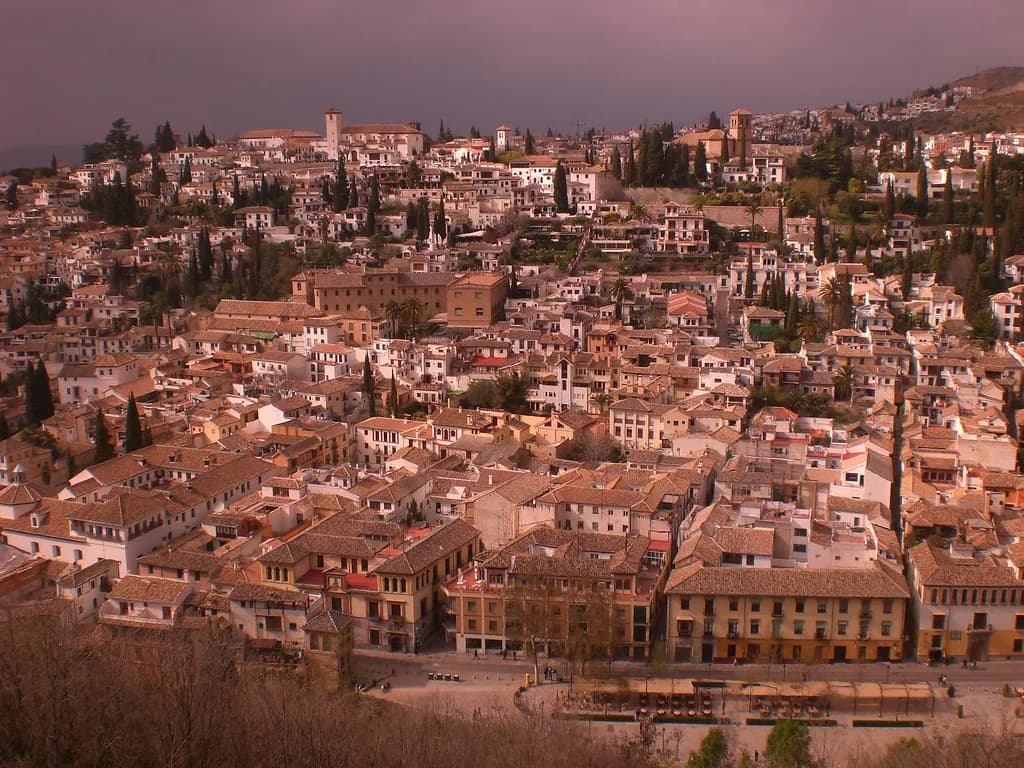
What to Wear in Granada in December: Ultimate Packing List
Master the onion layering technique for Granada in December. Discover essential clothing, footwear for hilly terrain, and tips for staying warm in the mountains.
On this page
What to Wear in Granada in December
Last updated November 2025 from my recent winter trip to the Sierra Nevada foothills. Packing for Granada in December requires a smart strategy because the high-altitude climate differs greatly from coastal Spain. I once made the mistake of bringing only light sweaters and spent my first evening shivering near the Plaza Nueva. The golden rule here is to pack light by ensuring every item you bring serves at least two separate purposes.
Locals often refer to their dressing style as the 'onion' method because you must peel layers off as the sun rises. The dry mountain air creates sharp temperature drops the moment you step into the shadows of the Albaicín. You will need a mix of heavy outerwear for the evenings and breathable fabrics for sunny afternoons. This guide breaks down the essential what to wear in Granada items to keep you comfortable and stylish.
Free: The Ultimate Packing Cheat Sheet
A carry-on capsule wardrobe, the complete packing checklist, layering made simple, and what to wear by season — one printable page you'll use on every trip.
Granada's December Climate: What to Expect
Granada sits at roughly 680 metres above sea level with the snow-capped Sierra Nevada looming just to the east, so its December weather is the coldest of any major Andalusian city. Expect an average daytime high of around 12-13°C (54-55°F) and an average overnight low near 2-3°C (36-37°F), with frost common in the early mornings. Rainfall is moderate: December averages about 50-55 mm spread over 7-8 wet days, so showers are likely but rarely all-day downpours. Daylight is short — the sun rises around 8:25 a.m. and sets near 6:05 p.m., giving you roughly 9.5 hours of daylight, and the temperature drops sharply the instant the sun dips behind the mountains.
The defining feature is the swing between sun and shade. A sunlit afternoon in the Plaza Nueva can feel like a mild 14°C, while a shaded lane in the Albaicín minutes later feels several degrees colder. This is why the local "onion" (cebolla) layering method works so well: you genuinely peel and re-add layers across the day. The cold here is dry and biting rather than the damp chill of the coast, so a windproof outer shell matters more than heavy bulk.
| Time / Condition | Typical Temp | What to Wear |
|---|---|---|
| Morning (frosty, ~8-10 a.m.) | 2-5°C | Thermal base layer, jumper, insulated coat, hat, gloves, scarf |
| Afternoon (sunny, ~1-3 p.m.) | 12-14°C | Shed the coat to a long-sleeve top or light jumper; sunglasses on |
| Evening (after sunset, ~6 p.m.+) | 3-6°C | Re-add the wool coat or down jacket, scarf and hat for tapas crawls |
| Rainy day | 8-11°C | Waterproof shell, grippy boots, packable umbrella, quick-dry layers |
| Sunny day (sheltered) | 13-15°C | Layered tops you can open up; the dry mountain sun feels warm |
Before You Go Checklist
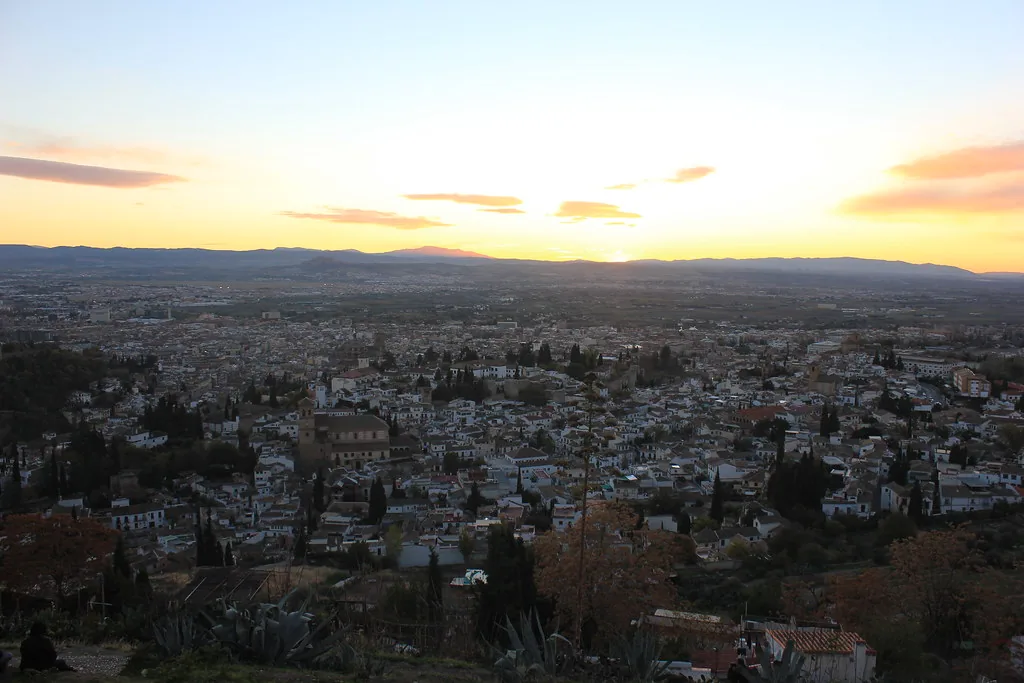
Granada's winter weather is influenced heavily by the nearby snow-capped Sierra Nevada mountains. Temperatures often hover around 2°C (35°F) in the early morning but can climb to 15°C (59°F) by midday. Check the forecast specifically for the Alhambra complex, as the elevation there makes it noticeably colder than the center. Booking a hotel with central heating is vital since many older Spanish apartments lack proper insulation.
I highly recommend bringing high-quality thermals that fit comfortably under your standard city clothes. Wool-blend socks are a game changer when walking on the cold stone floors of historical monuments. Ensure your Granada packing list includes a versatile scarf to block the biting mountain winds. Planning your outfits around a cohesive color palette allows for easier mixing and matching of layers.
Don't forget to pack a small coin purse for the local tapas bars that often prefer cash. Digital copies of your tickets are essential, but paper backups are safer for the Alhambra entrance scanners. A universal travel power adapter is a required item for your electronics to work in European sockets. Consider the 'Pack light' philosophy by choosing items that transition from daytime sightseeing to evening dining.
- Documents & Money: Passport, insurance, and cash for tapas bars
- Tech & Electronics: Universal travel power adapter and portable power bank
- Clothing & Layers: Lightweight thermal base layers for early morning tours
- Health & Medication: Lip balm and moisturizer for dry mountain air
- Practical Items: Small coin purse for small change and tips
- Footwear: Broken-in walking boots with excellent rubber grip soles
On the Day Checklist
Morning tours of the Generalife gardens require a heavy coat even if the sky looks perfectly clear. The wind-chill factor at the palace complex is often two or three degrees lower than the city. You should wear moisture-wicking fabrics as the steep walk up the Cuesta de Gomérez can be tiring. Keep a pair of gloves in your pocket for the shaded sections of the Nasrid Palaces.
Lunchtime in Granada usually means sitting outside under the warm Andalusian winter sun. This is when you will likely remove your heavy jacket and enjoy the mild 14°C afternoon. Sunglasses are absolutely necessary because the winter sun reflects brightly off the white Albaicín walls. A medium-sized daypack is perfect for storing your discarded layers as the day warms up.
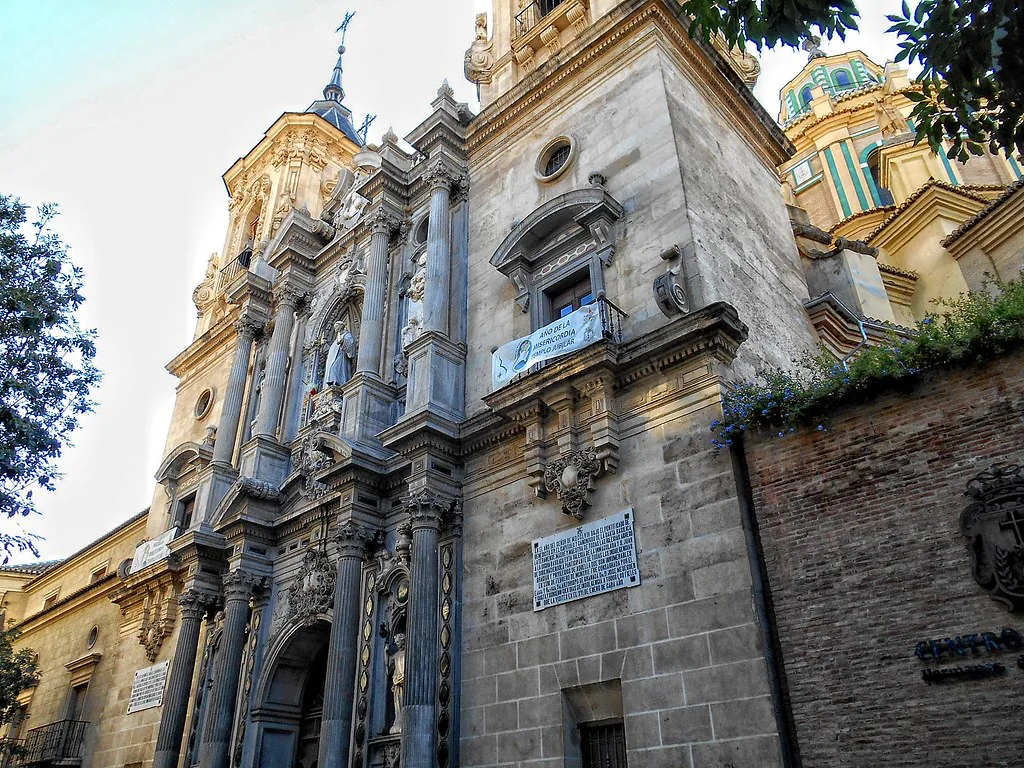
As the sun sets behind the mountains, the temperature will plummet almost instantly. Evening tapas crawls in the city center require a stylish but warm outer layer. If you are a solo traveler, a secure crossbody bag is best for keeping your hands free. Check the Culturedvoyages.com guide for specific winter event schedules during your stay.
- Clothing & Layers: Heavy wool coat or down jacket for sunset
- Practical Items: Polarized sunglasses to combat the bright winter glare
- Clothing & Layers: Warm pashmina or scarf for sudden temperature drops
- Tech & Electronics: Fully charged phone for photos and digital maps
- Clothing & Layers: Comfortable knit hat to retain heat during evening walks
- Health & Medication: Small bottle of water to stay hydrated while climbing
Common Mistakes Checklist
One of the biggest errors is bringing thin-soled sneakers that offer no traction on wet stones. The cobblestones in the Albaicín become incredibly slippery after a light December frost or rain. Avoid wearing heavy cotton hoodies that take forever to dry if you get caught in a shower. You should also skip the high heels as they are dangerous on the steep, uneven inclines.
Many travelers underestimate the 'indoor cold' factor in local guesthouses and apartments. Spanish homes are designed to stay cool in summer, which makes them chilly in December. I always pack a pair of warm slippers or thick wool socks for walking around my room. Failing to bring a portable charger is another mistake, as cold weather drains phone batteries faster.
Don't pack bulky items that only serve one purpose, like a heavy floor-length gown. Granada is relatively casual, and a nice pair of dark jeans works for almost any venue. Consult Spanishsabores.com for more advice on blending in with the local dining scene. Remember that your what to wear in Granada in January strategy will be very similar.
- Don't pack: Heavy floor-length evening gowns or formal tuxedos
- Don't pack: Thin-soled ballet flats with no arch support
- Don't pack: High heels which are useless on steep cobblestones
- Don't pack: Extremely bulky umbrellas that are hard to carry
- Don't pack: Shorts or sleeveless tops meant for summer weather
- Don't pack: Expensive jewelry that might attract unwanted attention
- Don't pack: Heavy cotton clothing that traps moisture and cold
To get a real feel for the light, the layers locals actually wear, and how the streets look on a crisp December day, this winter walk through the city centre is a useful reference before you finalise your packing.
Frequently Asked Questions
Is Granada cold in December?
Yes, Granada is significantly colder than other Andalusian cities due to its high altitude. Morning temperatures often drop to 2°C, though sunny afternoons can reach 15°C. You must use the layering method to stay comfortable throughout the day.
What shoes are best for Granada's hills?
Choose sturdy walking boots or sneakers with high-grip rubber soles. The cobblestones in the Albaicín and the paths at the Alhambra are steep and can be slippery. Avoid thin-soled shoes that do not provide enough cushioning for all-day walking.
Do I need a heavy coat for the Alhambra?
A heavy coat is essential for early morning or late afternoon visits to the Alhambra. The complex is exposed to mountain winds and is usually colder than the city center. A down jacket or wool coat is highly recommended.
Mastering the art of layering is the secret to enjoying Granada's stunning winter landscape. By focusing on versatile pieces and sturdy footwear, you can explore the Albaicín and Alhambra without discomfort. Remember to prepare for the chilly indoor temperatures by packing warm loungewear for your accommodation. Granada in December is magical, especially with the snow-capped Sierra Nevada providing a dramatic backdrop.
Follow this checklist to ensure you have all the essentials for a successful Spanish winter adventure. Whether you are sipping tea in a tetería or exploring ancient palaces, you will be ready for anything. Safe travels and enjoy the unique beauty of Andalusia during the festive season.
Free: The Ultimate Packing Cheat Sheet
A carry-on capsule wardrobe, the complete packing checklist, layering made simple, and what to wear by season — one printable page you'll use on every trip.
You might also like


Continue reading
More guides you'll find useful


