What to Wear in Granada in January: Ultimate Packing Checklist
Master the art of layering for Granada in January. Our guide covers weather expectations, footwear for hills, and a complete winter packing checklist.
On this page
What to Wear in Granada in January
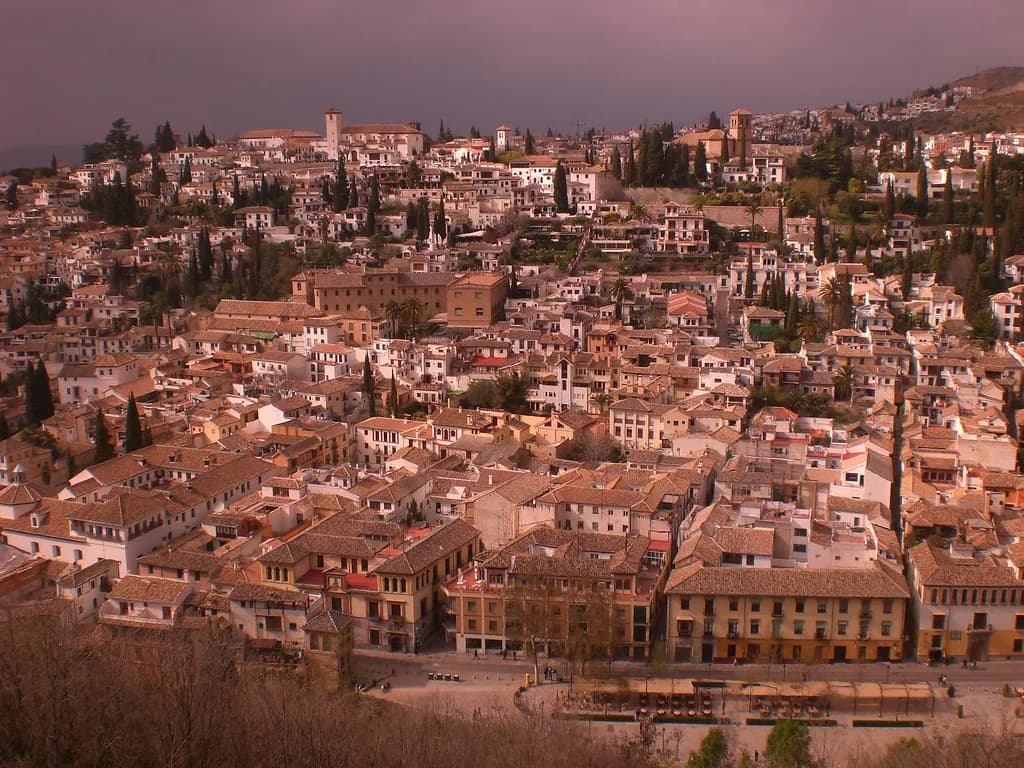
Updated for January 2026 from my own winter trips to the hills of Andalusia. Granada in January presents a unique challenge because the high-altitude sun feels warm at midday while the shadows stay genuinely freezing. I once forgot to bring thick socks for my Airbnb and spent the night shivering on cold tile floors. With only about 9.5 hours of daylight (sunrise near 8:25 a.m., sunset around 6:20 p.m.), you must adopt a pack-light strategy where every item earns its place by serving at least two purposes.
The secret to a successful trip is the local onion style of dressing in many removable layers. This approach allows you to peel back clothing during the sunny afternoon and bundle up as the sun dips. You will need versatile pieces that transition from a chilly Alhambra tour to a cozy tapas bar evening. Prepare for crisp mountain air and stunning views of the snow-capped Sierra Nevada peaks.
Free: The Ultimate Packing Cheat Sheet
A carry-on capsule wardrobe, the complete packing checklist, layering made simple, and what to wear by season — one printable page you'll use on every trip.
Granada Weather in January: What to Expect
The city sits at the foot of the mountains, creating a distinct microclimate that surprises many visitors. January is Granada's coldest month: the average daytime high sits around 12°C (54°F), while overnight lows average about 2°C (36°F) and routinely dip to 0°C (32°F) or just below. On clear, calm afternoons the thermometer can climb to 15°C (59°F) under blue skies, making a light sweater perfectly appropriate — but the moment the sun drops behind the hills the mercury falls fast. You should consult the Granada Forum Weather Advice for real-time updates before your departure.
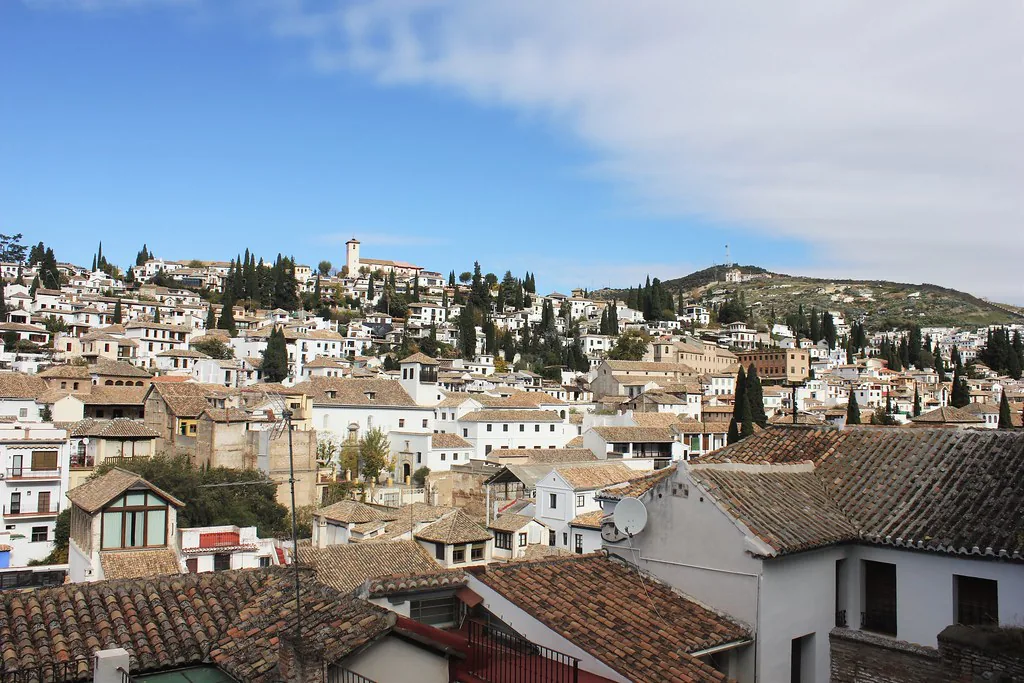
The proximity to the Sierra Nevada means a biting wind can whip through the narrow streets of the Albaicín. Walking in the shade feels significantly colder than standing in the direct sunlight during the early afternoon. Humidity is generally low, but the dry cold can be quite sharp on your skin and lips. Planning your outdoor activities for the midday window ensures you experience the most pleasant temperatures.
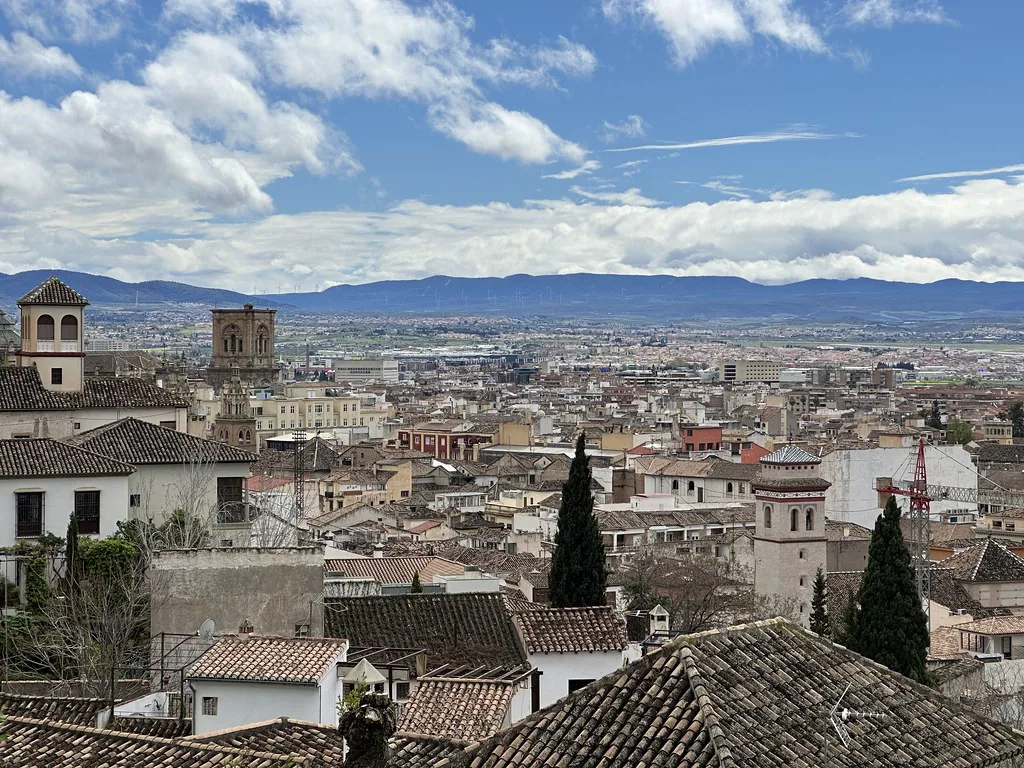
Rain is possible but usually comes in short bursts rather than prolonged storms during the winter months. Snow is rare in the city center but common on the surrounding mountain peaks that frame the horizon. Expect a mix of bright, high-contrast light and deep, chilly shadows while exploring the historic quarters. This dramatic shift is why your granada packing list must prioritize flexibility over heavy bulk.
Before You Go Checklist
Organizing your essentials before leaving home prevents unnecessary stress upon arrival in southern Spain. Many local tapas bars still prefer cash for small transactions, so having physical currency is vital. Digital copies of your Alhambra tickets should be saved offline to avoid signal issues at the entrance. Always verify that your passport has at least six months of validity remaining for international travel.
Electronic preparation is just as important as choosing the right clothes for your Spanish adventure. Charging your devices overnight ensures you can capture the sunset over the Alhambra without battery anxiety. A portable power bank is a lifesaver when using navigation apps in the winding Moorish streets. Reviewing IES Abroad Student Packing Tips can offer more insight into long-term stay needs.
Health preparations should include any specific medications you need, as local pharmacies may have different brands. The dry mountain air often causes chapped skin, so a high-quality moisturizer is a smart addition. Packing a small first-aid kit with blister plasters will help your feet survive the steep cobblestone climbs. Check your insurance coverage to ensure it includes mountain activities if you plan to visit the ski resort.
- Passport and printed copies of all travel insurance documents
- Universal travel power adapter for European Type C/F sockets
- Pre-booked Alhambra tickets downloaded for offline mobile access
- Small coin purse for Euro coins at tapas bars
- Portable power bank to keep phone charged during tours
- High SPF sunscreen for the intense high-altitude winter sun
- Lip balm and heavy moisturizer for dry mountain air
- Prescription medications in original packaging with a doctor note
The Onion Strategy: Layering for Temperature Swings
The onion strategy involves wearing multiple thin layers that can be easily added or removed. Start with a moisture-wicking base layer to keep your skin dry as you climb the hills. A lightweight merino wool sweater provides excellent insulation without adding significant weight to your frame. This versatile fabric also resists odors, making it ideal for a what to wear in Granada strategy.
Your middle layer should focus on trapping heat while remaining breathable for active walking tours. Fleece or light down vests are popular choices because they protect your core while allowing arm movement. The outer shell must be windproof to block the chilly gusts coming off the Sierra Nevada mountains. A stylish trench coat or a packable puffer jacket works well for both day and night.
Accessories play a crucial role in regulating your body temperature as the environment changes around you. A large scarf can be wrapped tightly in the morning and draped loosely during the warmer afternoon. Gloves are essential for evening walks when the temperature drops toward freezing near the Darro river. Do not forget a warm hat that covers your ears for those early morning Alhambra visits.
Because the day-to-night swing is so dramatic, it helps to think of your outfit in time blocks. Use the table below as a quick reference for what to peel off and add back on as the January sun moves across the Alhambra and the Albaicín.
| Time / condition | Typical temp | What to wear |
|---|---|---|
| Morning (8-11 a.m.) | 2-6°C / 36-43°F | Base layer + merino sweater + windproof jacket, plus scarf, gloves and a warm hat |
| Afternoon, in the sun (12-3 p.m.) | 10-15°C / 50-59°F | Drop the jacket to a sweater or vest; sunglasses for the high-altitude glare |
| Afternoon, in the shade / Albaicín alleys | 6-9°C / 43-48°F | Zip the windproof shell back on; the wind off the Sierra Nevada bites here |
| Evening (after sunset ~6:20 p.m.) | 0-4°C / 32-39°F | Full layers back on: thermal base, sweater, jacket, scarf and gloves for tapas crawls |
| Rain shower (any time) | — | Water-resistant shell or compact umbrella; non-slip boots for wet cobbles |
To see exactly how locals and visitors dress on a typical bright-but-cold January day in Granada, this walking tour gives a useful real-world look at jackets, scarves and footwear in action.
January Packing Checklist for Women and Men
Choosing the right clothing ensures you can enjoy the city without being distracted by the cold. Darker colors and classic silhouettes help you blend in with the stylish locals in the city center. Avoid overly sporty gear unless you are heading directly to the ski slopes for the day. For more seasonal advice, see our guide on what to wear in Granada in February.
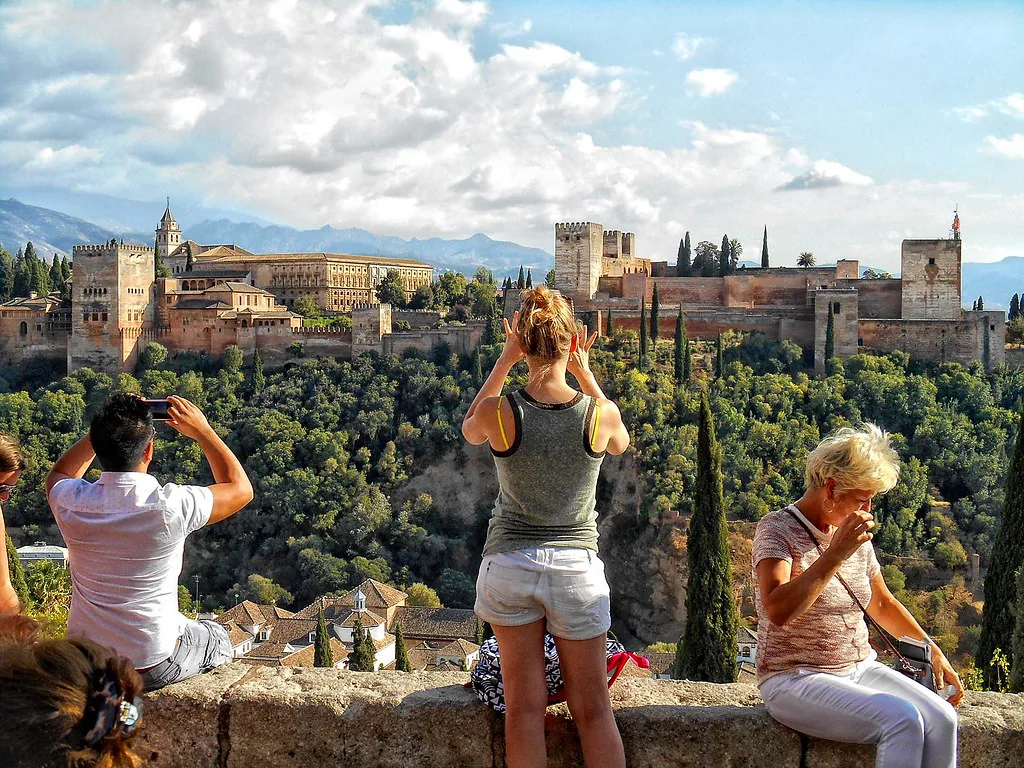
Footwear is perhaps the most critical decision you will make for this hilly, historic destination. The cobblestones in the Albaicín are notoriously uneven and can be slippery when damp or frosty. Ankle boots with good traction or sturdy walking shoes are much better than thin-soled sneakers. Comfortable footwear allows you to explore the Sacromonte caves without developing painful blisters or sore arches.
Indoor comfort is a frequently overlooked aspect of visiting southern Spain during the winter season. Many traditional buildings lack central heating and rely on small electric heaters or thick stone walls. Bringing warm loungewear and heavy socks will make your evenings in your accommodation much more pleasant. This is a key differentiator from standard packing lists that only focus on outdoor attire.
- Thermal base layer tops and bottoms for freezing nights
- Merino wool sweaters or cardigans for breathable warmth
- Windproof and water-resistant outer jacket with a hood
- Sturdy walking boots with non-slip soles for cobblestones
- Warm wool scarf and matching gloves for evening walks
- Heavy wool socks for cold tile floors in apartments
- Thermal pajamas or fleece loungewear for indoor comfort
- Polarized sunglasses to protect against high-altitude glare
- Compact umbrella for occasional winter rain showers
Common Mistakes Checklist
Many travelers assume southern Spain is always warm and fail to pack for freezing nights. This mistake often leads to expensive emergency shopping trips for coats that may not fit well. Packing heavy, single-purpose items can also lead to luggage that is difficult to carry up hills. Focusing on versatility helps you avoid the common pitfalls of winter travel in Andalusia.
Neglecting the indoor temperature is another error that can ruin an otherwise perfect holiday experience. Spanish homes are designed to stay cool in summer, which makes them quite chilly in January. If you are a solo traveler, staying warm at night is especially important for your overall health. Always check if your accommodation provides extra blankets or a portable heating unit.
Wearing high heels or thin flats on the historic streets is a recipe for physical discomfort. The steep inclines of the city require functional footwear that supports your ankles and provides grip. Leaving your sunglasses at home is also a mistake due to the intense winter brightness. Protecting your eyes is essential when viewing the white-washed buildings of the historic Albaicín district.
- Skip the high heels as they fail on cobblestones
- Avoid packing heavy cotton hoodies that take long to dry
- Don't forget thick socks for unheated indoor tile floors
- Leave the flimsy flip-flops at home for this season
- Do not pack only light summer clothes for Andalusia
- Avoid bulky floor-length coats that are hard to carry
- Don't assume your hotel will have central heating systems
Frequently Asked Questions
Is Granada cold in January?
Yes, Granada is quite cold in January, especially at night. While daytime temperatures can reach 15°C, nighttime lows often drop to 0°C. You must pack layers to handle these significant shifts.
What shoes should I wear for the Alhambra?
Wear sturdy walking shoes or boots with excellent grip for the Alhambra. The complex involves extensive walking on uneven stone paths and steep inclines. Avoid thin sneakers or any shoes without traction.
Are Spanish apartments cold in the winter?
Spanish apartments are often colder than the outdoors in winter due to lack of insulation. Most are built to stay cool during the hot summers. Bring warm loungewear and heavy socks for indoor comfort.
Visiting Granada in January is a magical experience if you arrive prepared for the mountain chill. By using the onion layering strategy, you can comfortably enjoy both the sunny plazas and the frosty nights. Remember to prioritize footwear that can handle the historic hills and clothing that works for indoor cold. Your trip to the Alhambra will be far more enjoyable when you aren't distracted by the winter wind.
Take the time to organize your packing list using these categories to ensure nothing is forgotten. With the right gear, you will be ready to explore one of Spain's most beautiful and historic cities. Enjoy the tapas, the views, and the crisp January air in the heart of Andalusia.
Free: The Ultimate Packing Cheat Sheet
A carry-on capsule wardrobe, the complete packing checklist, layering made simple, and what to wear by season — one printable page you'll use on every trip.
You might also like


Continue reading
More guides you'll find useful