

What to Wear in Istanbul in July: Hot-Weather Packing Guide
Pack for Istanbul in July's humid heat with breathable layers, knee-covering bottoms, two scarves, and shoes that handle cobblestones and hot pavement.
On this page
Istanbul in July: the weather in numbers
Typical July conditions from 30 years of daily weather data, split into early, mid and late month so you can match them to your travel dates.
| Dates | Early Jul (1–10) | Mid Jul (11–20) | Late Jul (21–31) |
|---|---|---|---|
| Afternoon high | 27°C (81°F) | 27°C (81°F) | 28°C (83°F) |
| Night-time low | 21°C (69°F) | 21°C (70°F) | 22°C (71°F) |
| Feels like (afternoon) | 27°C (80°F) | 27°C (80°F) | 28°C (83°F) |
| Range of afternoon highs | 24–30°C | 24–30°C | 26–30°C |
| Days with rain | 1 in 10 days | 2 in 10 days | 1 in 10 days |
| Afternoon humidity | 56% | 58% | 57% |
| Average wind | 15 km/h | 15 km/h | 15 km/h |
| Daylight | 14.9 h | 14.7 h | 14.4 h |
What this means for your suitcase
- Warm days: T-shirts and light trousers or skirts, plus one light layer.
Travelling on specific dates? Use our What to Wear Planner for the weather, outfits and a packing list for your exact days in Istanbul.
Averages for 1991-2020, modelled from Copernicus ERA5-Land and ERA5 reanalysis via Open-Meteo open data (CC BY 4.0), adjusted to Istanbul's elevation. Modelled afternoon highs can read 1–2°C below airport weather-station records.
July falls in Istanbul's hottest, most humid stretch of summer, when the air can feel still and thick and temperatures can climb to the high 30s Celsius. Pack for sweat, slow-drying sink laundry, and long stretches on hard, uneven streets rather than for one perfect outfit. The goal is light, breathable layers that stay comfortable while still working for mosques and conservative neighborhoods.
The common mistake is treating this like a beach holiday. Heavy fabrics cling in the humidity, shorts leave knees and shoulders exposed at religious sites, and thin soles suffer on the cobblestones around Sultanahmet. A small, flexible wardrobe of cotton, linen, and quick-dry pieces solves more problems than a large one.
Use this guide as a set of packing decisions: fabrics, bottoms, dresses, scarves, shoes, a crossbody bag, and a four- to five-day example. Recheck the forecast a day or two before departure, because a seasonal tendency is not a promise for your dates.
Quick Answer: July Packing Priorities
If you remember only five things, make them these: breathable tops with one or two spares, lightweight long pants or knee-covering capris, a non-sheer dress or skirt, a light scarf plus a larger shawl, and sturdy closed walking shoes. Add sandals or flip-flops for evenings and pools. A hat, sunscreen, a refillable water bottle, and a zipped crossbody bag complete the kit. See the full Istanbul packing list for the year-round version of these basics.
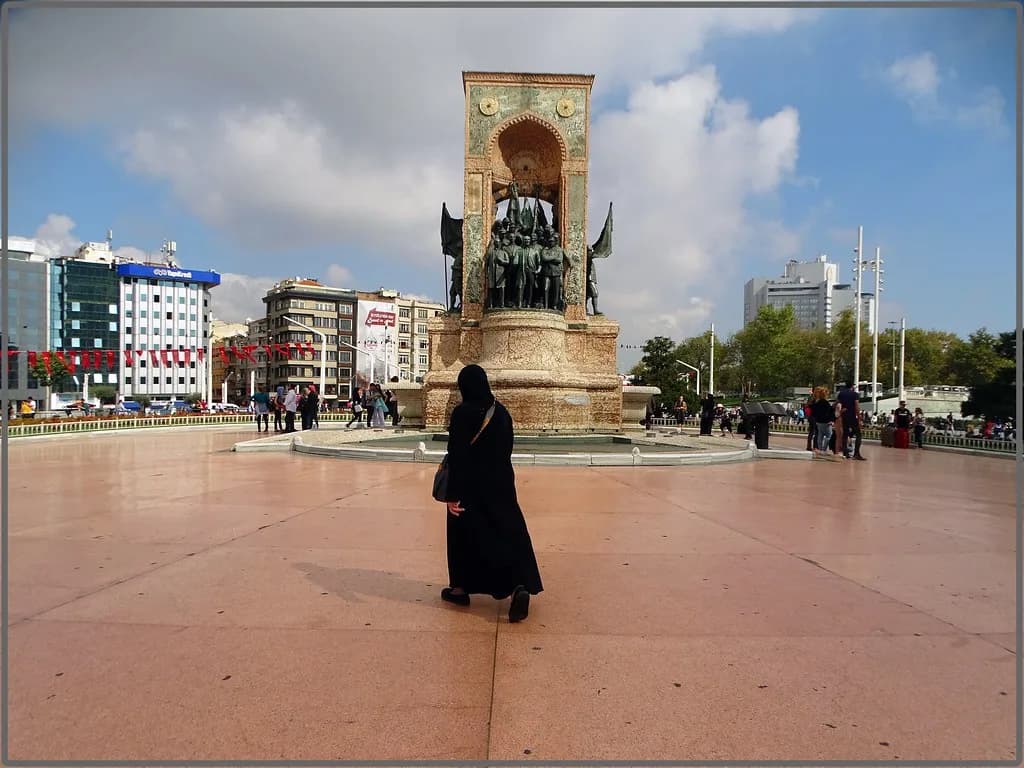
This is an editorial comfort plan, not a legal dress code. Outside mosques you can dress as you like, but looser, modest-leaning clothing tends to be cooler in humid heat and draws less attention in areas such as Sultanahmet and the Grand Bazaar. Inside active mosques, cover your hair, shoulders, and knees, and carry your own scarf rather than depending on loaners.
July Climate Tendencies in Istanbul
Historical seasonal patterns put July and August at the peak of Istanbul's heat and humidity, with the hottest days reaching the high 30s Celsius and an airless, oppressive feel. Areas closer to the Bosphorus and the shores of the Sea of Marmara often feel cooler because of breezes off the water, while districts farther inland can feel hotter. Treat this as a tendency, not a forecast for your travel dates.
Humidity is the packing variable people underestimate. Cotton and linen hand-washed in a hotel sink can take longer than a day to dry in sticky air, so one or two extra tops are a practical decision rather than overpacking. Thin, quick-drying underwear and socks reduce the same problem for smaller items.
Evenings can stay warm but turn breezy near the water, so a larger scarf or shawl earns its place in the bag. Check the official daily forecast from the Turkish State Meteorological Service before you finalize layers; a seasonal pattern cannot tell you whether a particular afternoon will feel pleasantly warm or oppressively hot.
Build the Wardrobe Around Breathable, Modest-Leaning Layers
Material choice matters more than garment count in July. Cotton and linen breathe well but dry slowly in humid air; quick-dry synthetics handle sweat and sink laundry better but look more casual; blends can balance both. Loose cuts let air move, and covering shoulders and knees keeps you ready for religious sites without changing clothes mid-day.
A simple formula works for most days: a breathable top, knee-covering bottoms, and a light scarf that can go over your shoulders or hair. For evenings, swap the day scarf for a larger shawl. If you want a sense of how much the city's packing needs shift earlier in the year, compare what to wear in Istanbul in April, when cooler, wetter weather calls for layers and closed shoes.
Tops That Handle Sweat and Slow Drying
Pack more tops than the number of days, because you will likely want to change once in the evening after a sweaty afternoon. Light cotton or linen T-shirts and blouses work, but accept that they may need a full day to dry after a sink wash. One or two quick-dry synthetic tops are useful as backup and for laundry day.
Sleeveless tops are fine for general sightseeing, but carry something that covers your shoulders for mosques. A light scarf draped over the chest or shoulders solves this instantly and doubles as sun cover on exposed walks. Avoid heavy fabrics and tight cuts that trap heat.
Bottoms: Light Long Pants or Knee-Covering Capris
Lightweight long pants and knee-covering capris are the most versatile July bottoms. They protect legs from sun and hot surfaces, work in conservative areas, and dry faster than denim. Cargo-style capris or loose linen trousers are good options as long as they cover the knee.
Jeans are the classic mistake in humid heat: they cling, dry slowly, and feel heavy by mid-day. Shorts are not banned, and many visitors wear them, but knee-length or longer bottoms reduce attention and make mosque visits simpler. If you prefer shorts, plan a wrap or scarf for religious sites and accept that you will look more like a visitor.
Dresses and Skirts: Non-Sheer and Shoulder-Ready
Dresses and skirts are excellent in July heat, provided the fabric is not too sheer and the hem is not so short that it only works for nightlife. Midi or knee-length cuts in cotton, linen, or rayon breathe well and move easily between neighborhoods. Check sheerness in daylight before packing, because thin fabrics can become very revealing in bright sun.
Sleeveless dresses are fine for most of the day, but add a light scarf or a thin cardigan for mosques. A non-sheer wrap dress is especially practical because it adjusts with the heat and covers shoulders and knees when needed. Pair dresses with closed walking shoes during the day and switch to sandals for dinner.
The Two-Scarf System for Mosques and Evenings
Two scarves solve two different problems. A light natural-fiber scarf covers your hair for a mosque visit and can drape over your chest or shoulders if a top feels too low. A larger, heavier shawl goes around your shoulders on breezy evenings, cool ferry decks, and over-air-conditioned buses.
Active mosques generally expect covered hair, shoulders, and knees, and many provide loaner wraps at the entrance. Carry your own scarf for hygiene and convenience, and wear bottoms that already cover your knees so you are not rearranging clothing at the door. The Istanbul mosque visit dress code guide breaks down what is expected at major sites.
Footwear: Closed Shoes for Streets, Sandals for Evenings
Closed walking shoes or sports shoes are the safer default in Istanbul. Cobblestones in Sultanahmet and uneven sidewalks are hard on thin soles, and bits of metal or broken pavement can catch sandaled feet. Hot pavement also makes open shoes less comfortable over a long sightseeing day.
Pack sandals or flip-flops for evenings, hotel pools, and short errands near your accommodation. They are lighter and cooler after a day in closed shoes, but they are not a substitute for walking shoes on long days. Break in closed shoes before the trip to avoid blisters on day one.
Ferries, Trams, and Metro: What to Wear and Carry
Istanbul's transit mixes open-air ferries with crowded trams and metro cars. On ferry decks, the breeze can feel cool after a hot afternoon, so keep your larger shawl accessible. Inside crowded transit, a zipped bag worn across your body in front is easier to manage than a backpack.
Ferries are a pleasant way to cross between the European and Asian sides and often feel airier than a packed underground platform, but schedules and routes vary by line and season. Check the operator's current timetable rather than relying on a generic plan. Build in extra time on hot days, and carry water for waits on exposed docks.
A Zipped Crossbody Bag for Crowded Transit
Pickpockets are a known risk on crowded trams and in tourist areas, so reduce temptation rather than relying on luck. A crossbody or small day bag that zips closed and sits in front of your body is easier to watch than a backpack. Keep phones, cards, and cash in an inside pocket, not an outer mesh pouch.
When standing on a packed tram or bus, cross an arm over the bag and keep it zipped. Carry only what you need for the day and leave passports and spare cards in the hotel safe where one is available. This is a practical risk-reduction habit, not a guarantee against theft.
Sample Packing List for a Four- to Five-Day July Trip
For four to five days, start with four breathable tops, one light long-sleeve layer, two pairs of knee-covering bottoms such as capris or lightweight trousers, and one non-sheer dress or skirt. Add the light scarf and larger shawl, one pair of closed walking shoes worn on the plane, and sandals or flip-flops for evenings. Pack thin, quick-drying underwear and socks so sink laundry keeps up.
For day activities, wear walking shoes, capris, and a breathable top, with the light scarf in your bag for mosques and the crossbody bag for valuables. For a ferry evening, switch to the dress or skirt with sandals and take the larger shawl for the deck breeze. On a mosque day, wear bottoms that cover the knees and carry the scarf so you do not need to change.
Adjust quantities for your laundry access and tolerance for repeating outfits, and add a hat and refillable water bottle for sun and hydration on long walking days.
What to Leave Behind in July
Leave jeans, heavy cotton, and thick denim jackets at home; they are uncomfortable in humid heat and slow to dry. Skip bulky sweaters, leather jackets, and anything that only works in air conditioning. Also leave the extra pair of heavy shoes, formal wear you will not use, and a large backpack that is awkward on crowded transit.
Do not pack a dedicated rain jacket for July unless the forecast specifically calls for storms, and do not bring so many outfit options that laundry never gets done. A small amount of flexible clothing beats a large, heavy bag. If you forget something, Istanbul has plenty of shops, so a missing item is rarely a crisis.
Before You Go: Weather Check and Dress Rehearsal
A day or two before departure, check the official forecast from the Turkish State Meteorological Service for Istanbul and note the daily high, overnight low, and any rain. Use that to finalize how many warm-weather layers to bring. A seasonal tendency tells you July is usually hot and humid, but it cannot tell you what your specific dates will do.
Do a dress rehearsal at home: put on your planned walking outfit, including shoes, and walk around for an hour in warm conditions. Check whether the fabric clings, whether the scarf covers your shoulders, and whether the bag stays comfortable when zipped. If something fails the test, swap it before it becomes a problem on the trip.
How July Differs from Other Istanbul Months
July is hotter and more humid than spring and early summer, so the packing emphasis shifts from layering for cool mornings to managing sweat and sun. If you are deciding between months, compare April's cooler, wetter conditions with July's peak heat; the April guide covers the layers and waterproofing that make sense earlier in the year. The same wardrobe principles apply, but July needs lighter fabrics and more hydration.
Odds and Ends: Laundry, Hydration, Sun, and Mosques
Plan for laundry: bring a small amount of travel wash or use hotel service, and accept that hand-washed cotton may take a full day to dry. Rotate quick-dry items so you always have something ready. Carry a refillable water bottle and refill from larger bottles rather than assuming public fountains are available.
Sun protection matters even on hazy days, so pack a hat and sunscreen and reapply during long walks. At mosques, cover hair, shoulders, and knees, remove shoes, and keep your voice low; a scarf and knee-covering bottoms make this easy. Check current visitor information for the specific mosque, since tourist access and entry arrangements can change.
Plan Your Visit
July in Istanbul rewards a light, flexible wardrobe: breathable tops with spares, knee-covering bottoms, a non-sheer dress, two scarves, closed walking shoes, and a zipped crossbody bag. Keep laundry and hydration in mind, check the official forecast near departure, and treat modesty advice outside mosques as comfort guidance rather than a rulebook. That combination handles heat, humidity, uneven streets, and religious sites without overpacking.
Frequently Asked Questions
Is Istanbul very hot in July?
Historically, July and August are Istanbul's hottest and most humid months, with temperatures reaching the high 30s Celsius on the warmest days and an airless, oppressive feel. Areas closer to the Bosphorus and the Sea of Marmara often feel cooler because of breezes off the water, while districts farther inland can feel hotter. Treat this as a seasonal tendency, not a forecast, and check the official daily forecast before you pack.
Do you need a scarf for mosques in Istanbul?
Active mosques generally expect visitors to cover their hair, shoulders, and knees, and many provide loaner wraps at the entrance. Carrying your own light scarf is more convenient and hygienic, and it doubles as sun cover or a shoulder wrap. Wear bottoms that already cover your knees so you are not adjusting clothing at the door, and check current visitor information for the specific mosque.
Should you wear shorts in Istanbul in July?
Shorts are not banned, and plenty of visitors wear them, but knee-length or longer bottoms are more comfortable on hot, uneven streets and make mosque visits simpler. Lightweight capris or long pants protect legs from sun and hot surfaces, dry faster than denim, and reduce attention in conservative neighborhoods. If you prefer shorts, carry a scarf or wrap for religious sites.
What shoes should you pack for Istanbul in July?
Closed walking shoes or sports shoes are the safer default because cobblestones and uneven sidewalks are hard on thin soles, and hot pavement can make open shoes uncomfortable over a long day. Add sandals or flip-flops for evenings, hotel pools, and short errands. Break in closed shoes before the trip to avoid blisters.
How do you dress modestly in Istanbul without overheating?
Choose loose, breathable fabrics such as cotton, linen, or quick-dry blends, and use layers rather than heavy cover-ups. Knee-covering bottoms, a top that covers your shoulders, and a light scarf give you coverage for mosques without trapping heat. This is an editorial comfort suggestion, not a legal requirement outside religious sites.
What should you leave behind when packing for Istanbul in July?
Leave jeans, heavy cotton, thick jackets, and bulky sweaters at home because they are uncomfortable in humid heat and slow to dry. Skip formal wear you will not use and a large backpack that is awkward on crowded transit. Keep the bag light and flexible, and rely on a small crossbody bag for valuables.
Sources
Free: The Ultimate Packing Cheat Sheet
A carry-on capsule wardrobe, the complete packing checklist, layering made simple, and what to wear by season — one printable page you'll use on every trip.
You might also like


Continue reading
More guides you'll find useful


