
What to Wear in Interlaken in March: Transitional Packing Guide
March in Interlaken calls for waterproof layers and winter warmth. Learn what to pack for valley rain, high-elevation snow, and sunny spells with this guide.
On this page
What to Wear in Interlaken in March
March is Interlaken's most transitional month. The valley floor may be drizzly and gray while the surrounding peaks stay buried in snow, and a bright afternoon can flip to a snow shower within hours. Your packing strategy needs to serve both the wet lakeside paths and the wintry higher elevations without weighing you down.
Because conditions shift quickly, the core of your wardrobe should be a flexible layering system with waterproofing built in. This guide breaks down what to wear for the valley, for the slopes, and for everything in between, so you can dress confidently no matter what March throws at you. For a broader overview of year-round options, see our seasonal packing guide.
Free: The Ultimate Packing Cheat Sheet
A carry-on capsule wardrobe, the complete packing checklist, layering made simple, and what to wear by season — one printable page you'll use on every trip.
Understanding March's Climate Zones
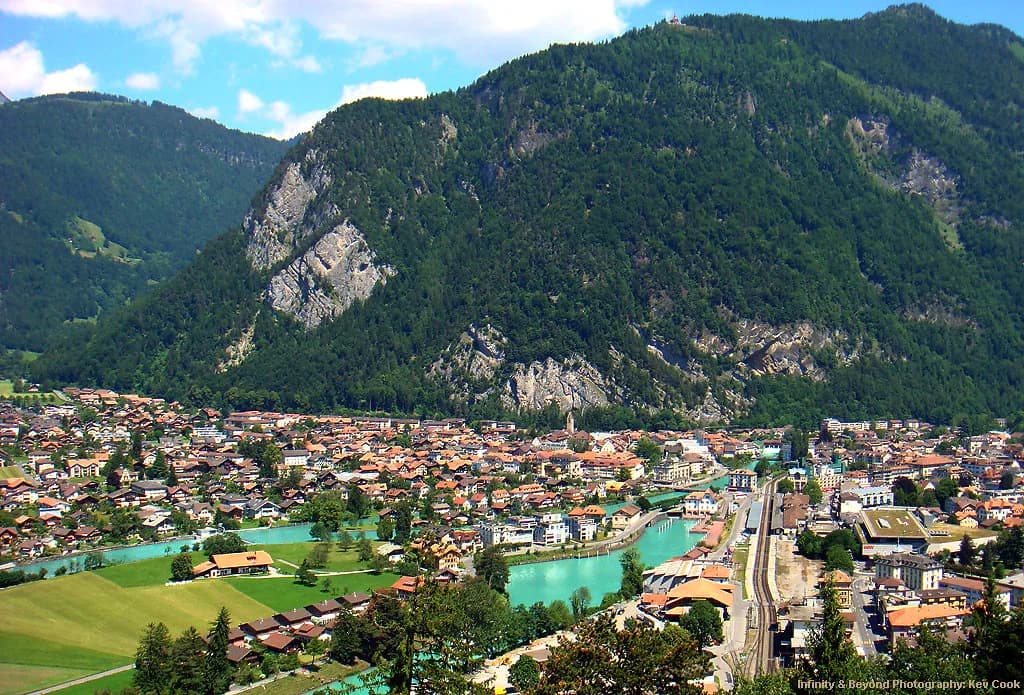
Interlaken sits on a plain between two lakes, not up in the mountains, so its weather differs from the resorts above. In March, the valley tends to be cold with possible rain, while higher elevations hold snow and ice; the temperature difference between these areas can be significant. Travelers heading to the mountains should prepare for snow and ice, as this forum discussion advises.
A day that starts with a damp lakeside walk can finish with a snowy gondola ride, so plan for both. This means packing clothes that handle wet conditions at lower altitudes and insulating layers that block wind and cold above the tree line.
The Layering System
The key to March comfort is three functional layers. Start with a moisture-wicking base layer that pulls sweat away from your skin, then add an insulating mid layer such as a fleece or lightweight down jacket for warmth. Finish with a waterproof and windproof outer shell that protects against rain, sleet, and snow.
A quality shell is non-negotiable in March, as it lets you adapt to passing showers without carrying a heavy coat. Choose one with taped seams and an adjustable hood, and make sure it fits comfortably over your mid layer.
Valley Wear: Exploring Town and Lakeside
For days spent around Interlaken and the lakes, pair a warm sweater with your waterproof jacket. Breathable fabrics like merino wool or a polyester blend are better than heavy cotton, which stays damp if you get caught in rain.
You can also add a flannel or button-down shirt over your base layer for a casual town look, and swap your outer shell for a lighter rain jacket if the sun comes out. Regardless, choose water-resistant shoes or boots for wet streets and puddled paths.
Higher Elevation Wear: Ski Resorts
If you plan to visit ski areas such as Wengen or Grindelwald, expect snow and ice at the higher elevations, so pack actual ski wear or equivalent insulation. An insulated, waterproof jacket and pants, plus proper ski gloves and goggles, will keep you comfortable on the slopes and chairlifts.
Temperatures drop fast once you leave the valley, and wind chill makes it feel colder. Even if you only plan to enjoy the views from a mountaintop terrace, wear your warmest layers and a hat that covers your ears. Travelers to alpine areas also need a wool hat and gloves, sturdy shoes, and wool socks, plus sunglasses to guard against intense sun.
Footwear Choices
Sturdy, waterproof hiking shoes or boots with good grip are the most versatile choice for March. They handle wet streets, muddy trails, and the wooden bridges that cross the rivers around Interlaken, where surfaces can be slick.
Pair them with wool socks, which keep your feet warm even when damp. If you plan to ski, you will need separate ski boots, but for everything else a single pair of waterproof shoes may suffice, especially if you pack a light pair of slip-on shoes for evenings.
Accessories and Sun Protection
A wool hat and gloves are essential for both the cold valley mornings and the icy mountain air. Equally important are sunglasses, which protect your eyes from bright sun reflecting off snow and water, and sunscreen, since the high altitude and reflective surfaces intensify UV rays even on overcast days.
The same advice applies to children, who need hats, gloves, and sun protection if they are in the mountains. For infants and toddlers, tights under trousers add warmth. Because thin air at altitudes above roughly 2,000 meters can be risky for very young children, consult a pediatrician about safe altitudes before traveling.
Outfit Examples for March
For a day in Interlaken town: wear a moisture-wicking base layer, a flannel or light sweater, and a rain jacket. Add jeans or quick-dry pants, waterproof shoes, and a light scarf. In the afternoon, this outfit adapts easily if you remove the sweater when the sun breaks through.
For a day on the slopes or at high elevation: start with a ski-specific base layer, add an insulating fleece or down mid layer, and top with an insulated, waterproof ski jacket. Pair with insulated ski pants or bibs, warm gloves, a beanie, and goggles to shield against wind and glare.
What to Leave Behind
Skip heavy cotton jeans and denim, which absorb water and take a long time to dry. Instead, pack quick-dry synthetic or wool trousers that handle drizzle and mud without staying wet against your skin.
Leave thin, non-waterproof jackets at home, as they will not protect you from the cold rain or mountain winds. The same goes for canvas sneakers or casual shoes without grip, which are a slip hazard on wet paths.
Pack for the number of days you will actually wear each item. A compact example for a five-day trip might include two base layers, one mid layer, one insulated jacket, two pairs of quick-dry pants, and a couple of changes of socks and underwear — all of which layer together from the same core set.
Before-Departure Check
Because March weather is so changeable, check the current Interlaken forecast a few days before you leave, and again the day you travel. Conditions can shift from sunny to snowy within hours, so be prepared for both.
Community advice from MySwissAlps suggests layering light base layers with a rainproof jacket rather than relying on a single heavy coat, which gives you flexibility. If you plan to go into the mountains, also check the snow report and webcams at your destination to confirm conditions.
Plan Your Visit
Packing for Interlaken in March is all about being ready for winter, rain, and the first hints of spring in the same week. A versatile layering system, a solid waterproof shell, and sturdy shoes will carry you through both valley exploration and mountain snow.
Before you zip your bag, remind yourself that March is a shoulder season with fewer crowds, but it demands respect for the elements. Prepare for sun, snow, and everything in between, and you will be comfortable no matter what the weather delivers.
For deeper guidance on dressing for every season in Interlaken, browse our seasonal packing page. If you are visiting later in spring, also review our guides for April and May for updated tips.
Frequently Asked Questions
What clothes should I take to Switzerland in March?
Pack a layered wardrobe that works for both the valley and the mountains: a moisture-wicking base layer, an insulating mid layer like fleece or down, and a waterproof shell. Add warm hats, gloves, and sturdy waterproof shoes, and you're set for variable March conditions.
Is March a good time to visit Interlaken?
March is a shoulder season with fewer crowds, but the weather can be unpredictable—cold in the valley with possible rain, while higher elevations still have snow. This makes it a great time for travelers who plan for both skiing and lakeside walks, packing versatile layers and waterproof gear.
Do I need ski clothes in Interlaken in March?
If you plan to visit ski resorts like Grindelwald or Wengen, yes. Even if you don't ski, the higher elevations are cold and snowy, so you'll need insulated, waterproof outerwear, warm gloves, and a hat.
Do I need to worry about sun protection in Interlaken in March?
Yes. Even in March, the sun's rays are intense at high altitudes and reflect off snow and water, so sunglasses and sunscreen are essential for both children and adults.
Can I take a baby to high-altitude places like Jungfraujoch in March?
Because the air is thinner at altitudes above roughly 2,000 meters, it is generally not recommended for children under about 16 months. Consult your pediatrician before planning visits to very high destinations like Jungfraujoch.
Sources
Free: The Ultimate Packing Cheat Sheet
A carry-on capsule wardrobe, the complete packing checklist, layering made simple, and what to wear by season — one printable page you'll use on every trip.
You might also like


Continue reading
More guides you'll find useful


