
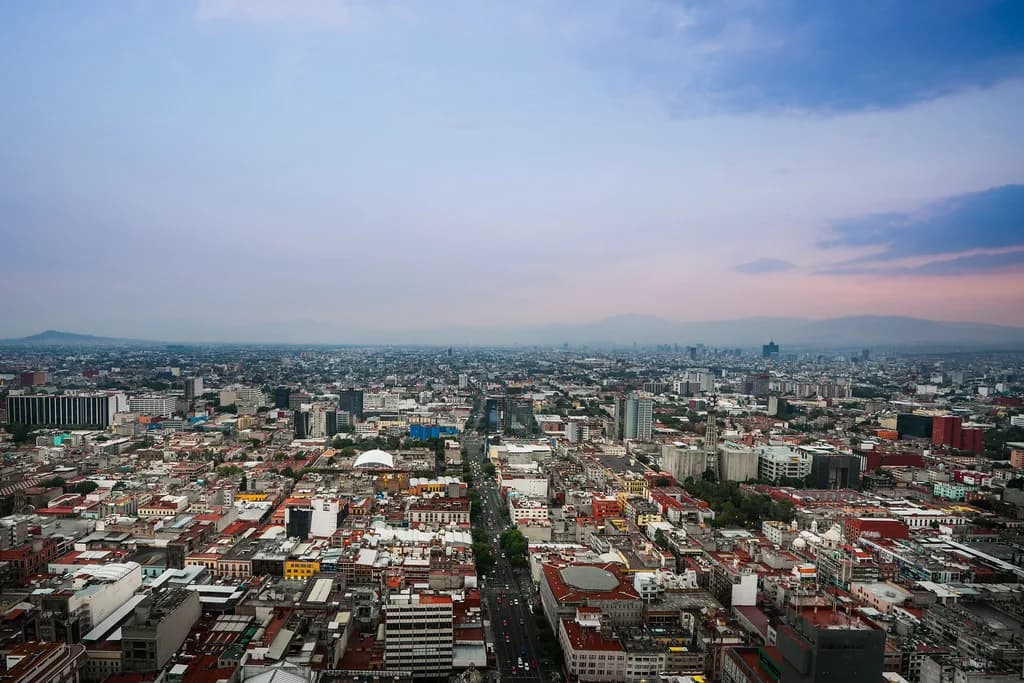
What to Wear in Mexico City in June: Rainy Season Packing
June in Mexico City brings warm humid days and sudden afternoon downpours. Pack quick-dry layers, compact rain gear, and closed-toe shoes for wet cobblestones.
On this page
Mexico City in June: the weather in numbers
Typical June conditions from 30 years of daily weather data, split into early, mid and late month so you can match them to your travel dates.
| Dates | Early Jun (1–10) | Mid Jun (11–20) | Late Jun (21–30) |
|---|---|---|---|
| Afternoon high | 24°C (75°F) | 23°C (73°F) | 21°C (70°F) |
| Night-time low | 13°C (55°F) | 13°C (55°F) | 13°C (55°F) |
| Feels like (afternoon) | 23°C (73°F) | 22°C (72°F) | 21°C (70°F) |
| Range of afternoon highs | 20–28°C | 20–27°C | 19–24°C |
| Days with rain | 4 in 10 days | 5 in 10 days | 7 in 10 days |
| Afternoon humidity | 44% | 50% | 57% |
| Average wind | 7 km/h | 6 km/h | 5 km/h |
| Daylight | 13.1 h | 13.2 h | 13.2 h |
What this means for your suitcase
- Warm days: T-shirts and light trousers or skirts, plus one light layer.
- Evenings run about 10°C (18°F) cooler than afternoons — carry a layer for after sunset.
- Rain on about 5 in 10 days — a waterproof jacket and water-resistant shoes.
Travelling on specific dates? Use our What to Wear Planner for the weather, outfits and a packing list for your exact days in Mexico City.
Averages for 1991-2020, modelled from Copernicus ERA5-Land and ERA5 reanalysis via Open-Meteo open data (CC BY 4.0), adjusted to Mexico City's elevation. Modelled afternoon highs can read 1–2°C below airport weather-station records.
Packing for Mexico City in June starts with one correction: this is a highland basin, not a beach destination, so the muggy all-day heat many travelers expect does not apply. June falls inside the rainy season, and the practical challenge is a warm, humid day that can turn wet and noticeably cooler within a short window. The outfit that handles that swing is built from breathable layers, a rain option small enough to carry every day, and shoes that stay useful when the ground is slick.
Rather than treating rain as a reason to overpack, treat it as a design constraint. If your rain layer is awkward to carry, you will leave it at the hotel on exactly the afternoon you need it, so packability matters as much as waterproofing. If your shoes cannot handle a wet historic-center street, one soaked pair can dominate the rest of your trip. The choices below follow from those two constraints.
How June Actually Feels: Mild Warmth, Cooler Evenings, Sudden Rain
The rainy season in Mexico City runs roughly May through September, and June sits at its start. Seasonal guidance for the city describes daytime temperatures during these months hovering around 70 degrees Fahrenheit, with rain sometimes dropping the temperature by 10 to 15 degrees within a few hours. That combination, mild warmth plus a sharp post-rain cooldown, is what your packing should address.
It is tempting to assume June means guaranteed daily rain that ruins every plan, but that framing does not help you pack. Rainy-season precipitation here can range from a brief shower to a long downpour, and some days stay dry, so the right response is gear you can carry easily rather than a wardrobe built entirely around water. Treat rain as likely enough to plan for, not certain enough to dictate every item you bring.
Evenings deserve separate attention, because the drop after rain is the part travelers underpack for. Seasonal guidance notes that evenings during the rainy season are among the coolest times of the year in the city, and recommends a sweater, fleece, or light jacket for outdoor restaurant seating. A thin mid-layer that fits over your daytime outfit solves this without adding bulk.
The Core Decision: Umbrella or Compact Rain Layer
The umbrella-versus-rain-jacket choice comes down to how much you will walk and how much you are willing to carry. An umbrella gives better coverage for your head, shoulders, and bag, but it occupies a hand and can invert in wind; a packable rain shell keeps both hands free and layers over a sweater, but covers less of your lower body. The version you will actually keep in your day bag is the one that matters.
A sensible hybrid for June is a small folding umbrella plus a lightweight rain shell, with the shell doubling as a wind layer on cool evenings. If you only want one, choose the umbrella for a walking-heavy itinerary and the shell for a trip built around transit and indoor stops. Leave heavy technical raincoats at home; they consume space you need for layers and offer more protection than the season typically demands.
Whatever you choose, test that it fits inside your daily bag before you leave home. Rain gear that only fits in checked luggage is effectively gear you did not bring. A compact umbrella that slides into a small daypack and a shell that stuffs into its own pocket are the two formats that survive real June days.
Fabric Strategy: Quick-Dry Beats Heavy Cotton in June Rain
The most common June packing mistake is building the whole wardrobe from heavy cotton, because a soaked cotton shirt or pair of pants stays damp and heavy for hours. Quick-dry synthetic blends, lightweight wool, and technical travel fabrics shed water and dry much faster, which matters when rain arrives midday and your evening plans are outdoors. For pants, a lightweight quick-dry fabric handles a wet bench or damp chair without the lingering chill of soaked denim.
Linen and lightweight cotton remain useful for warm, humid afternoons, but they work best as tops you can change out of rather than as your only option. A practical mix is breathable natural-fiber tops for dry stretches plus a quick-dry layer or two as insurance. Seasonal style guidance for the city notes that summer comes with occasional rain showers and recommends breathable layers and quick-drying fabrics, which lines up with how June behaves here.
Small habits matter as much as fabric choice. A compact day bag with a zip closure keeps a phone, wallet, and camera covered when rain starts suddenly, and a lightweight scarf or bandana can dry faster than a soaked collar. If you carry a tote, line it with a dry pouch so the contents survive an unexpected downpour.
Footwear: Closed-Toe, Non-Slip, and a Second Pair
Wet cobblestones and puddles around the historic center are the main footwear problem in June, so closed-toe walking shoes with grip beat sandals and smooth-soled fashion sneakers. Local packing advice for the city recommends at least two pairs of good walking shoes during the rainy season, so a soaked pair does not end your day, and suggests rain boots as another option. If you own water-resistant walking shoes, June is the month to bring them.
The two-pair strategy is about recovery time, not fashion. Wear your most water-resistant pair on travel days and long walking days, and keep the second pair as the dry backup for the following morning. Stuffing damp shoes with newspaper or using a small shoe dryer overnight helps them recover, and it is worth confirming your hotel can help dry shoes before you rely on it.
For evenings, a pair of clean, low-profile shoes or loafers works with dinner outfits and adds little weight. On footwear for this city, guidance recommends skipping high heels for long walks over historic cobblestones and choosing supportive shoes that multitask. If you want one versatile option, pick a supportive sneaker or walking shoe in a neutral color that reads acceptably with smarter evening clothes.
Layering for Warm Afternoons and Cooler Evenings
Build June outfits around a light three-piece formula: a breathable base layer, a light mid-layer, and a compact outer layer that handles rain and wind. The base can be a linen or lightweight cotton shirt or tee; the mid-layer a thin sweater, cardigan, or fleece; the outer a packable rain shell or light jacket. This combination covers warm afternoons, rainy spells, and the cooler evenings that follow rain.
The city's wider climate context is mild rather than extreme: a seasonal style guide describes temperatures generally averaging between about 12 degrees Celsius (54 degrees Fahrenheit) and 25 degrees Celsius (77 degrees Fahrenheit), with warm days and cool evenings. That range supports a layering approach rather than a heavy-coat strategy. Treat the mid-layer as your adjustable piece, adding it for evenings and removing it for humid afternoons.
For anyone who feels the cold easily, a light stocking cap or compact scarf takes little space and makes outdoor evening seating more comfortable during the rainy season. Socks matter too, because wet feet chill quickly; two or three pairs of quick-dry socks are more useful than a spare pair of cotton socks.
Outfit Combinations That Work From Afternoon to Evening
Start with a walking-day combination: quick-dry pants, a breathable button-up or tee, supportive closed-toe shoes, and a packable rain shell in your bag. This handles a humid afternoon, a sudden shower, and a cool evening on one set of clothes, which is the point of a capsule approach. Add a light sweater only if you run cold or plan to be outdoors after dark.
For a museum-and-lunch day, choose lightweight trousers or a simple dress with a light cardigan and comfortable walking shoes. A structured layer such as a lightweight blazer or a denim jacket transitions from daytime sightseeing to an early dinner without a full change. Keep the rain layer in your bag regardless of the morning sky, since rain can arrive later in the day.
For a smarter dinner, build from the same pieces: dark quick-dry or lightweight pants, a clean shirt or blouse, and low-profile shoes, with the blazer or jacket as the finish. Local style guidance suggests that nicer dinners and bars call for dressing up somewhat, with dressy or smart-casual pieces rather than purely casual wear. The goal is one capsule covering all three scenarios rather than three separate outfits.
Transit, Museums, and Walking-Heavy Days in June
June's rain changes how you structure a day more than what you wear. Museums and covered markets make natural rain options, which is why a compact day bag and a water-resistant layer matter for indoor-to-outdoor transitions. Plan an indoor stop as your fallback during an afternoon downpour, and keep your rain gear with you so you are not caught mid-walk.
For transit-heavy days, a small backpack or crossbody bag with a zip close sits better than an open tote when it rains. Local guidance suggests a bag with a zipper and shoulder strap for markets and less touristy neighborhoods. Keep electronics and documents in a dry pouch inside the bag, and avoid overloading yourself with items you would have to set down.
If you are considering a day trip outside the city during June, conditions vary by destination and elevation. Local guidance notes that trips to the canals in the south of the city or out to the pyramids tend to be a few degrees hotter with more intense sun than the center, so plan accordingly. Pack the same quick-dry base layers and rain shell, plus a warmer layer if your destination sits higher.
A Compact Short-Trip Packing Example
For a four- to five-day June trip, start with two quick-dry bottoms and three breathable tops, choosing colors that mix so each top works with both bottoms. Add one light mid-layer, one packable rain shell, and a small folding umbrella, then finish with two pairs of walking shoes and quick-dry socks. This covers day-to-evening wear without rebuilding your bag each morning.
For a shorter weekend trip, cut to one bottom and two tops, keeping the rain shell, umbrella, and second pair of shoes, since footwear recovery is the one place you cannot improvise in wet weather. For a fuller baseline covering other seasons and trip styles, the Mexico City packing list goes deeper.
What to Leave Behind
Leave the heavy cotton layers at home for June. Thick denim, heavy sweaters, and dense cotton tees soak up water, dry slowly, and take up space that quick-dry options use better. A bulky raincoat or oversized umbrella is likewise more than the season requires and will likely stay in your room when you need it most.
Skip extra shoes beyond the two-pair strategy. A third pair adds weight and rarely gets worn, and during the rainy season the priority is keeping one pair dry rather than rotating through choices. Leave formal footwear and high heels behind unless you have a specific event that requires them.
Be careful about assuming beach-style clothing. Local writing notes that many people in Mexico City do not wear shorts or flip-flops even in warm months, and that beachy items stand out, but that is a style observation rather than a rule and visitors are not obligated to follow it. If you want to blend in more easily, closed-toe shoes and non-beach attire are the safer default; the what to wear in Mexico City in August guide shows how that logic shifts later in the rainy season.
Before You Go: A Final Weather Check
In the last few days before departure, check a reliable forecast for Mexico City and adjust the capsule rather than rebuilding it. If rain appears likely across multiple days, prioritize the quick-dry pieces, the shell, and the second pair of shoes; if the pattern looks drier, you can lighten the rain gear without abandoning it entirely. Use the forecast to tune quantities, not to drop the rain layer altogether.
Also confirm practical details that affect packing, such as your airline's cabin baggage policy and your accommodation's ability to dry wet shoes and clothing. These details vary by provider, so check directly with the airline and the property rather than relying on general assumptions. A short check before departure prevents both overpacking and the one gap that would send you shopping on arrival.
Plan Your June Packing Around Rain, Not Heat
June in Mexico City is best understood as early rainy season rather than peak summer heat. The packing decisions that matter most are a compact rain layer or umbrella you will actually carry, fabrics that dry quickly instead of holding water, and closed-toe shoes that manage wet streets. Get those right and the warm-to-cool evening swing becomes manageable.
Build a small capsule from those decisions, check the forecast in the final days, and adjust quantities rather than starting over. If you want to see how later in the rainy season changes these choices, the August-focused guide covers that shift, and the broader Mexico City packing list adds context for other trip styles.
Frequently Asked Questions
What should I wear in Mexico City in June?
Plan around warm, humid days with a real chance of rain and cooler evenings. A breathable base layer, a light mid-layer, and a compact rain shell or umbrella cover most situations. Closed-toe walking shoes with grip handle wet cobblestones better than sandals or smooth-soled shoes.
Does it rain every day in Mexico City in June?
June falls in the rainy season, so rain is likely somewhere in the day, but it is not guaranteed to rain every day at every location in the city. Rainy-season precipitation ranges from a short shower to a longer downpour. Pack rain gear you can carry rather than assuming an all-day washout.
Do I need an umbrella or a rain jacket in June?
Either works, and the better choice depends on how you move. An umbrella gives better coverage for you and your bag but occupies a hand; a packable shell keeps both hands free and doubles as a wind layer. If you want one option only, choose the umbrella for walking-heavy days and the shell for transit-heavy days.
What shoes should I pack for Mexico City in June?
Closed-toe walking shoes with decent grip are the practical choice for wet cobblestones and puddles. Bringing two pairs helps because one can dry while you wear the other, particularly after a soaked walk. Water-resistant walking shoes are worth the space if you own them.
Does it get cold in Mexico City in June at night?
Evenings tend to feel cooler than afternoons, and rain can drop the temperature further within a few hours. A light sweater, cardigan, or packable jacket makes outdoor evening plans more comfortable. If you feel the cold easily, add a light scarf or cap.
Should I wear shorts in Mexico City in June?
Shorts are a personal choice, not a rule. Local writers often note that shorts and flip-flops are uncommon in the city, which is a style observation rather than a restriction. If you want to blend in more easily, light trousers or a skirt with closed-toe shoes are the safer default.
What should I leave at home for a June trip?
Heavy cotton layers, bulky raincoats, extra shoes beyond your walking pair plus a backup, and formal footwear you will not wear. These items take up space without solving the specific June problems of humidity, sudden rain, and cooler evenings. Prioritize quick-dry fabrics and packable rain gear instead.
When should I check the forecast before my trip?
Check a reliable forecast for Mexico City in the final days before departure, and use it to adjust quantities rather than rebuilding your capsule. If rain looks likely on multiple days, lean on quick-dry pieces and keep both pairs of shoes. Confirm airline baggage rules and your hotel's ability to dry wet clothing directly with those providers.
Sources
Free: The Ultimate Packing Cheat Sheet
A carry-on capsule wardrobe, the complete packing checklist, layering made simple, and what to wear by season — one printable page you'll use on every trip.
You might also like


Continue reading
More guides you'll find useful


