
What to Wear in Puerto Vallarta in January: Day and Night Guide
Pack for Puerto Vallarta in January with breathable beach-day pieces, sun protection, and a light layer for breezy evenings along Banderas Bay.
On this page
Puerto Vallarta in January: the weather in numbers
Typical January conditions from 30 years of daily weather data, split into early, mid and late month so you can match them to your travel dates.
| Dates | Early Jan (1–10) | Mid Jan (11–20) | Late Jan (21–31) |
|---|---|---|---|
| Afternoon high | 28°C (83°F) | 28°C (83°F) | 28°C (83°F) |
| Night-time low | 19°C (66°F) | 18°C (65°F) | 18°C (65°F) |
| Feels like (afternoon) | 30°C (86°F) | 30°C (85°F) | 30°C (85°F) |
| Range of afternoon highs | 26–31°C | 25–31°C | 26–31°C |
| Days with rain | 1 in 10 days | 1 in 10 days | 1 in 10 days |
| Afternoon humidity | 53% | 53% | 53% |
| Average wind | 6 km/h | 6 km/h | 6 km/h |
| Daylight | 10.8 h | 10.9 h | 11 h |
What this means for your suitcase
- Hot afternoons: loose, breathable fabrics like linen or cotton, short sleeves and a sun hat.
Travelling on specific dates? Use our What to Wear Planner for the weather, outfits and a packing list for your exact days in Puerto Vallarta.
Averages for 1991-2020, modelled from Copernicus ERA5-Land and ERA5 reanalysis via Open-Meteo open data (CC BY 4.0), adjusted to Puerto Vallarta's elevation. Modelled afternoon highs can read 1–2°C below airport weather-station records.
January sits inside Puerto Vallarta's dry high season, and it reads as the coolest stretch of that season rather than a hot-weather month from morning to night. The practical consequence for packing is that you build two outfits per day from one small bag: breathable beach pieces for the afternoon, and a light layer you actually carry once the sun drops behind Banderas Bay. Treat everything below as historical seasonal tendencies to plan around, not a forecast for your specific dates.
The Pacific coast and Banderas Bay shape conditions more than any inland Mexican city would. Ocean air keeps daytime heat comfortable enough for linen and cotton, but the same breeze turns brisk after sunset, especially on the water. That is why a single light layer does more work in this bag than a second pair of shorts.
This guide stays on packing decisions only, so you will not find an itinerary here. If you want the broader wardrobe framework first, start with the Puerto Vallarta packing list, then come back to this page for the January-specific layer call.
How January's Day-to-Night Swing Shapes Your Bag
The defining feature of a January visit is the gap between a warm, sunny afternoon and a noticeably cooler evening. The seasonal pattern is described as daytime highs of about 26-29°C (79-84°F) with nighttime temperatures dropping to roughly 14-18°C (57-64°F), which makes layering the central packing decision. That single fact changes what earns space in your bag and what stays home.
Because the swing is the main variable, pack pieces that work in two roles rather than two separate wardrobes. A long-sleeve linen shirt covers sun exposure at midday and adds a thin barrier at dinner. A gauze button-down does the same job over a dress or a tank. Cotton and linen move moisture and let air through far better than polyester, which is worth remembering when you choose an evening layer that has to sit against skin for hours.
The same seasonal pattern points to the same evening shortlist: a light cardigan, a pashmina or wrap, a denim jacket, or a light sweater. Any one of these is sufficient for a bayfront dinner, and two is generous. Pick based on bulk rather than warmth, since you are bridging a mild gap, not preparing for winter.
If your trip runs past the end of the month, the pattern shifts gradually toward warmer evenings, which is worth checking when you compare what to wear in Puerto Vallarta in February. Editing your layer count down by one is often the only change needed between the two months.
Daytime Layers: Breathable Tops, Shorts, and Sun Protection
Daytime dressing in January is straightforward beach-town dressing: lightweight, breathable, and easy to rinse. Cotton t-shirts, linen sundresses, moisture-wicking tank tops, and lightweight shorts cover almost every plan from a late breakfast to an afternoon on the sand. If you want the full wardrobe skeleton rather than the January adjustment, the packing list page covers the base pieces in more detail.
Sun protection is the one daytime category where skimping costs you the rest of the trip. A wide-brimmed hat with a chin strap stays on when the bay breeze picks up, and sunglasses with a strap survive boat decks and windy malecon walks. Pack sunscreen you will actually reapply, plus after-sun care if you burn easily. These are editorial suggestions based on how the coastline behaves, not rules anyone enforces.
Fabric choice matters more here than color or style. Linen and cotton beat synthetics for a humid coastal afternoon, and cover-ups in those fibers keep you cooler on the walk from your room to the pool than polyester blends do. Two or three breathable tops that each work with more than one bottom will out-perform a larger pile of single-purpose pieces.
Swimwear and Cover-Ups for Beach, Pool, and Boat Days
One-piece suits and bikinis both work; the decision is about how many, not which kind. Sources covering Puerto Vallarta suggest bringing two to three swimsuits so one can dry while you wear another, which is practical when humidity slows drying overnight. A single swimsuit is workable for a short trip only if you accept washing it, and even then quick-dry fabric helps.
Cover-ups earn their place because you will move between the water, your room, and lunch, and a wet suit against restaurant seating is unpleasant for everyone. A sarong, a gauze shirt, or a linen dress all work. Choose something that dries quickly and does not wrinkle badly, since it will spend most of the trip slightly damp.
If your January plans include time in the water or on a boat, a rash guard is a reasonable addition for sun coverage over long hours on the surface. It is an optional layer, not a safety requirement, and snorkel operators set their own equipment and gear rules that you should confirm when you book.
Evening Layering for Bayfront Dinners and Sunset Boat Trips
The evening layer is the single most useful item in a January bag, and it matters most in two specific settings: dinner along the malecon or in Zona Romantica, and any boat trip that runs past sunset. The breeze off Banderas Bay is what makes these moments cool, so a light wrap, cardigan, denim jacket, or thin sweater is the right weight. Anything heavier becomes dead weight in your suitcase by day two.
A pashmina or large scarf is the most efficient version of this layer because it folds flat and doubles as shoulder coverage on a chilly flight. A denim jacket is the most durable. A light cardigan is the most packable. Pick one and skip the rest unless you know you run cold.
For restaurants, the resort's own published policy is the only reliable source on dress expectations, so check it directly rather than packing around a rumor. Some venues do ask for something dressier than beachwear, and a single breathable dress or a linen shirt with long pants covers that possibility without adding a second wardrobe.
If your trip continues into spring, the evening layer becomes progressively less necessary, as covered in what to wear in Puerto Vallarta in March. For January itself, plan on carrying it every night.
Footwear: Sandals for the Beach, Closed-Toe Support for Cobblestones
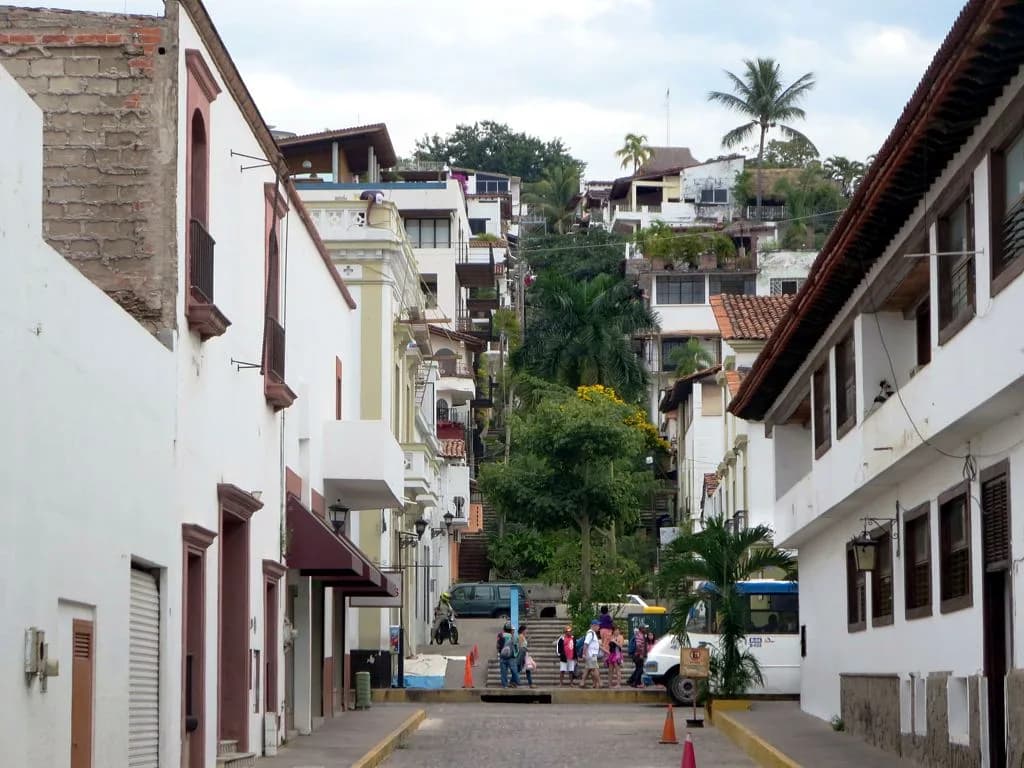
Puerto Vallarta's streets, especially through Zona Romantica, are cobblestone, which makes footwear a genuine decision rather than an afterthought. Travel sources on the city are blunt about this: comfortable shoes are not optional here. Two pairs cover nearly every trip, a sandal for the beach and pool and a closed-toe option for walking and tours.
For the closed-toe pair, a sturdy walking shoe, a hiking sandal, or a sport sandal with a protected toe all handle uneven stone and muddy tour terrain. Flip-flops are fine for the pool deck and the sand but poor on wet cobblestones. If you plan ziplining or waterfall excursions, add a pair that can get wet and grip, and expect them to stay damp afterward.
For evenings, one pair of sandals you can walk in covers nearly every dinner. Platform sandals or wedges sit slightly above uneven pavement and are easier on cobblestones than thin heels. Leave the dress shoes at home unless a specific event on your schedule requires them.
Activity Kit: Whale Watching, Snorkeling, and Sierra Madre Day Trips
January overlaps with humpback whale season in Banderas Bay, and boat time changes what you should carry. A light sweater or wind-resistant layer belongs in your day bag for ocean breezes, and a waterproof phone pouch or camera protection is worth the space for spray and splashes. Non-slip shoes for wet decks matter more than most first-time boat passengers expect.
If whale watching is a centerpiece of your trip, the dedicated gear breakdown is practical reading before you finalize your day bag.
Day trips into the Sierra Madre, including San Sebastian del Oeste, run cooler than the coast because of elevation. A light sweater and closed walking shoes are the two items people most often regret leaving behind, and a sun hat still earns its place at altitude. Quick-dry pants handle both the mountain chill and any damp ground better than denim.
Beach-adjacent towns like Sayulita reward the same loose, casual pieces you already packed for Puerto Vallarta, so no separate wardrobe is needed. A properly fitting swimsuit and a cover-up cover a surf lesson or a beach afternoon equally well.
A Compact One-Week Carry-On Packing Example
For a seven-night trip, a capsule approach works well: pick bottoms first, then build tops and layers around them. A reasonable January version is two pairs of linen pants, one pair of shorts, four or five breathable tops, two dresses, two swimsuits, one cover-up, and one evening layer. That mix produces far more outfits than the piece count suggests.
Shoes are where carry-on packing usually breaks down, so cap it at two pairs plus something flat for the plane. One sandal and one closed-toe walking shoe cover beach, town, dinner, and tours. If you need a third, make it a water-friendly option for excursions and accept that it may not dry before you fly home.
The accessories that make the capsule work are small: a crossbody bag for evenings, a sun hat with a chin strap, sunglasses with a strap, a quick-dry towel, and packing cubes to keep damp items separate. A reusable water bottle and a few plastic bags for wet swimwear round out the practical layer.
If you are travelling in December instead, the layer math barely changes, and what to wear in Puerto Vallarta in December walks through the same capsule with that month's emphasis. Comparing the two is the fastest way to confirm you are not overpacking for a mild coastal winter.
What to Leave Behind
Heavy warm-weather gear does not belong in a January bag. Bulky sweaters, thick jackets, and winter boots take up the space a second pair of walking shoes would use better. The modest evening cooling on the coast is handled by one light layer, not by a coat.
Duplicate dressy outfits are the other common overpack. One versatile dress or one linen shirt-and-pants combination handles any dinner your trip is likely to include. Adding a second formal set usually means carrying something you never wear. Likewise, skip specialty athletic gear unless a specific activity on your schedule requires it, and skip beach toys, heavy towels, and full-size toiletries that hotels or local shops supply.
Two categories are worth checking rather than guessing. Electrical adapters and voltage depend on your devices and where you are coming from, so verify against your equipment and your accommodation rather than assuming a universal adapter is needed. Entry requirements, including passport validity rules, are set by the authorities, so confirm them through the official government source for your nationality before you travel.
Before You Go: Check the Forecast and Re-Check Your Layers
Historical seasonal tendencies tell you what to pack; they do not tell you what next week will do. A few days out, check a forecast for Puerto Vallarta and adjust two things only: how many evening layers you carry and whether you add a compact rain shell. January is generally dry, but a light shower is possible, and a small umbrella or quick-dry layer costs almost no space.
Also confirm the practical details your operator or hotel controls rather than assuming them. Tour operators set their own gear recommendations, your accommodation publishes its own dining dress expectations, and airlines publish their own baggage limits. Checking those three sources directly prevents the most common packing mistakes at this destination.
Once your layers are set, the rest of the bag is small. Swimwear, sun protection, breathable daytime pieces, two pairs of shoes, and one evening layer will carry a week in Puerto Vallarta comfortably. Anything beyond that is preference rather than necessity.
Plan Your January Packing
January in Puerto Vallarta rewards a light, layered bag. Build around breathable daytime pieces and swimwear, add sun protection that stays on in the breeze, and treat one light evening layer as essential rather than optional for bayfront dinners and after-sunset boat trips. Two pairs of shoes and a small capsule of mix-and-match pieces will cover a week without a checked bag.
Confirm the details that others control before you fly, including your resort's dining expectations, your tour operator's gear guidance, and your airline's baggage rules, since those are set by each provider and change independently of the weather. Then check the forecast close to departure and adjust only your layer count.
Frequently Asked Questions
Is January a good month to visit Puerto Vallarta?
January falls within the dry high season, and it tends to be the coolest stretch of that season, which suits travellers who want warm afternoons without heavy heat. Days generally work well for beach time and outdoor excursions, while evenings are cool enough to want a light layer. Because conditions vary year to year, check a forecast close to your dates rather than relying on seasonal patterns alone.
What should I wear in Puerto Vallarta in January during the day?
Lightweight, breathable clothing is the practical choice: cotton or linen tops, tank tops, shorts, sundresses, and a cover-up for the walk between the pool and your room. Add a wide-brimmed hat, sunglasses with a strap, and sunscreen you will reapply. Materials that breathe and dry quickly handle coastal humidity better than synthetic fabrics.
Do I need a jacket in Puerto Vallarta in January at night?
A light layer is worth carrying for evenings, particularly for bayfront dinners and any boat trip that runs past sunset, when the breeze off the water makes the air noticeably cooler than during the day. A cardigan, pashmina or wrap, denim jacket, or thin sweater is enough; a heavy jacket is not needed. Choose whichever folds smallest if you are packing carry-on only.
What shoes are best for Puerto Vallarta's cobblestone streets and boat tours?
Comfortable sandals work for the beach and pool, while a closed-toe walking shoe, hiking sandal, or sport sandal handles cobblestones and uneven tour terrain better. For boat decks, a non-slip sole matters more than style. Two pairs plus something flat for travel usually covers a week without weighing down your bag.
What should I pack for a January whale-watching trip in Puerto Vallarta?
Bring a light sweater or wind-resistant layer for ocean breezes, non-slip shoes for wet decks, sunscreen for extended sun exposure, and a waterproof pouch or case for your phone or camera. A hat with a chin strap helps in the wind. Ask your specific operator about their gear recommendations and any fees, since those details are set by the company running the tour.
What not to forget to pack for Mexico?
Beyond clothing, the items travellers most often miss are sun protection, a reusable water bottle, a quick-dry towel, and a small crossbody bag for evenings. Copies of your travel documents and any prescription medication belong in your carry-on. Check official government guidance for entry requirements rather than relying on secondhand summaries.
How many swimsuits should I bring for a week in Puerto Vallarta?
Two to three is a practical range, so one can dry while you wear another, which is useful when humidity slows drying overnight. A single suit works for a short trip if you are willing to wash it between wears. Quick-dry fabrics make that easier.
What can I leave behind when packing for Puerto Vallarta in January?
Leave heavy sweaters, thick jackets, and winter footwear at home, since the coastal evening cooling is mild and one light layer handles it. Skip duplicate dressy outfits unless a specific event requires one, and leave bulky towels, beach toys, and full-size toiletries behind in favour of hotel supplies or local purchases. Also skip specialty athletic gear unless a planned activity calls for it.
Sources
Free: The Ultimate Packing Cheat Sheet
A carry-on capsule wardrobe, the complete packing checklist, layering made simple, and what to wear by season — one printable page you'll use on every trip.
You might also like


Continue reading
More guides you'll find useful


