
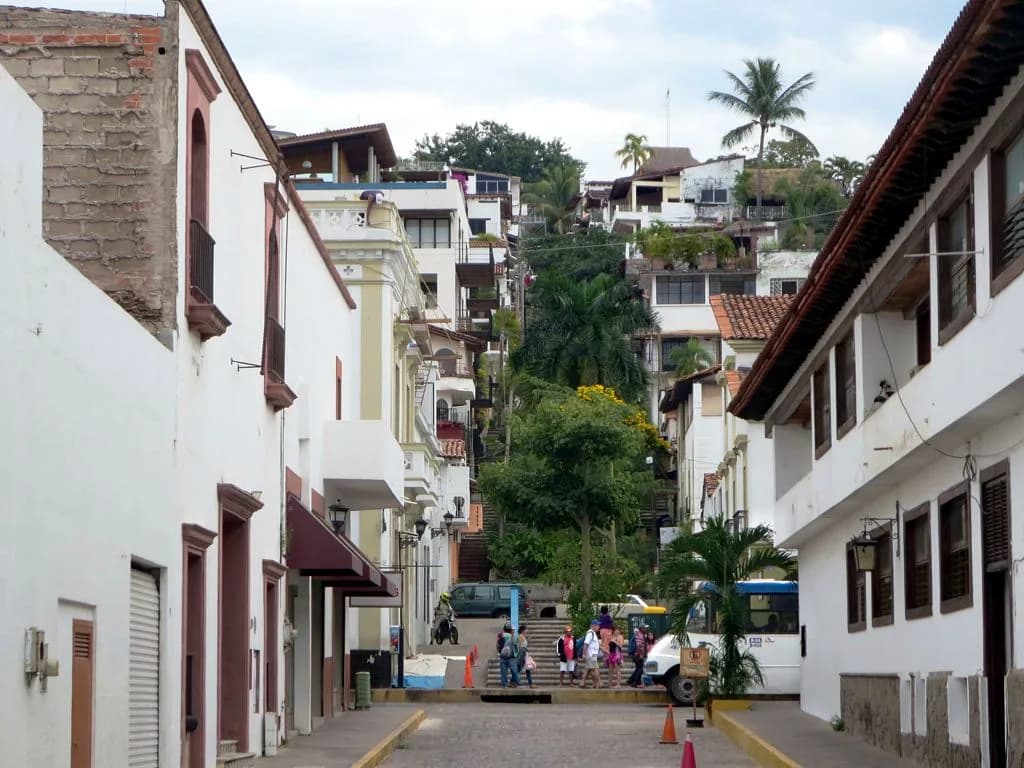
What to Wear in Puerto Vallarta in March
March in Puerto Vallarta brings dry-season warmth and breezy evenings. Pack breathable daywear, a light layer, and shoes for cobblestones, boats, and beach clubs.
On this page
Puerto Vallarta in March: the weather in numbers
Typical March conditions from 30 years of daily weather data, split into early, mid and late month so you can match them to your travel dates.
| Dates | Early Mar (1–10) | Mid Mar (11–20) | Late Mar (21–31) |
|---|---|---|---|
| Afternoon high | 29°C (85°F) | 29°C (85°F) | 30°C (86°F) |
| Night-time low | 18°C (65°F) | 18°C (65°F) | 19°C (65°F) |
| Feels like (afternoon) | 30°C (87°F) | 31°C (87°F) | 31°C (88°F) |
| Range of afternoon highs | 27–32°C | 27–32°C | 28–32°C |
| Days with rain | Rare | 1 in 10 days | Rare |
| Afternoon humidity | 48% | 47% | 47% |
| Average wind | 6 km/h | 6 km/h | 6 km/h |
| Daylight | 11.7 h | 11.9 h | 12.1 h |
What this means for your suitcase
- Hot afternoons: loose, breathable fabrics like linen or cotton, short sleeves and a sun hat.
- Evenings run about 11°C (20°F) cooler than afternoons — carry a layer for after sunset.
Travelling on specific dates? Use our What to Wear Planner for the weather, outfits and a packing list for your exact days in Puerto Vallarta.
Averages for 1991-2020, modelled from Copernicus ERA5-Land and ERA5 reanalysis via Open-Meteo open data (CC BY 4.0), adjusted to Puerto Vallarta's elevation. Modelled afternoon highs can read 1–2°C below airport weather-station records.
March in Puerto Vallarta sits in the dry season and overlaps with spring break, so beach clubs, the Malecón, and Banderas Bay tours tend to be busy. You will spend more of the day outdoors and more of the evening deciding whether to carry a layer or leave it behind. The practical approach is to pack for two versions of the same day rather than one uniform season.
The historical seasonal pattern points to warm, sunny days and noticeably cooler evenings near the water. A tour operator's March guide reports daytime highs around 82°F (28°C) and evening temperatures near 63°F (17°C), a swing that explains why a light layer earns its space for waterfront dining and open boat decks. Treat that as a tendency rather than a forecast, and check your own dates before departure.
What March Weather Means for Your Bag
March falls in Puerto Vallarta's dry season, and the historical pattern points to minimal rainfall, which is why heavy rain gear rarely justifies its weight. The same tour operator's guide notes that rain is so rare it barely factors into packing decisions. Confirm conditions for your specific dates before you fly, because seasonal averages do not describe every week.
The most useful planning number is the gap between afternoon warmth and evening cool, which the operator's guide puts at roughly 19 degrees Fahrenheit between daytime highs and nighttime lows. That gap is your packing brief: breathable layers for the day, one light cover-up for the night. It also argues against packing only beachwear, since dinner outdoors after sunset can feel cool.
Moderate humidity and a consistent ocean breeze make warm afternoons more manageable than the temperature alone suggests, especially on exposed stretches of the Malecón or an open boat deck. Quick-drying fabrics that move air will serve you better than anything heavy, tight, or slow to dry. That single principle shapes most of the outfit choices below.
Daytime Outfits for the Malecón and Beach Clubs
For daytime, build outfits from lightweight cotton or linen t-shirts, tank tops, and breathable shorts, and treat moisture-wicking fabrics as a bonus for active days. This matches the operator's March recommendations for light, breathable tops and shorts. Two or three tops per full day of activities is plenty if you rinse and rotate rather than pack a fresh piece for every outing.
A tank top plus shorts works for the beach, but add a loose button-down or lightweight overshirt when you plan to walk the Malecón or sit at a sun-exposed beach club for hours. That extra layer gives you shade without the weight of a jacket, and it comes off in seconds. Choose a colour and fabric you would also wear over a swimsuit so it does double duty.
March's spring-break crowds mean beach clubs fill earlier, so carry the small items you want within reach rather than leaving everything on a lounger. A crossbody bag or compact daypack that stays on your body handles a phone, a card, and a cover-up better than a large tote. Keep bulky items in your room and carry only what the day requires.
Swimwear and Beach-Club Coverage
Pack two or three swimsuits so one can dry while you wear another, which matters more in March when you may swim daily and move between pool and ocean. The operator's March list recommends multiple swimsuits. Quick-dry fabrics reduce the damp-suitcase problem if you are changing locations mid-trip, and a dry bag keeps wet items away from the rest of your day bag.
A cover-up or sarong transitions from pool deck to lunch without a full change of clothes. Choose one that dries fast and packs flat, and consider a second lighter option if you plan both beach days and boat days. The operator's guide lists beach cover-ups among the March essentials for exactly this reason.
Sun-Exposed Walks and Boat Decks
A wide-brimmed hat with a chin strap and sunglasses with a strap make long, exposed walks and boat rides more comfortable. The operator's March list includes both, along with sun-protective long sleeves for adventure-ready days. These are practical suggestions for managing sun exposure, and a cap can substitute if you prefer one.
Lightweight long sleeves are worth considering for extended time in direct sun, particularly on the water where reflection adds to exposure. They pack small and double as your evening layer if the breeze picks up. Pack the hat and sunglasses you will actually wear rather than a fragile dressy pair that stays in the room.
The Evening Layer You Will Actually Use
March evenings near the water can feel distinctly cool after a warm afternoon, and the operator's guide recommends a light cardigan or wrap for outdoor dining and evening strolls. A packable wrap, light sweater, or long-sleeve shirt covers most situations. Bring one per traveller, since it will likely be worn every night.
Air-conditioned restaurants, shops, and hotel lobbies can feel cold when you have been outside all day, so the same layer does double duty indoors and on patios. That is the core trade-off: a slightly warmer layer is more versatile than a strictly decorative one. If you run warm, a scarf or pashmina may be enough.
If you are weighing a winter trip instead, what to wear in Puerto Vallarta in December reflects cooler evenings and different crowd patterns, so the same layering logic shifts toward warmer pieces. Comparing months before you book helps you decide whether one light layer is sufficient or whether you need something heavier for the season you choose.
Boat Rides and Breezy Decks
On the water, wind and spray change what you need compared with a beach day, so pack a light layer, a waterproof bag for electronics, and footwear with grip. The operator's March guidance for whale watching includes a light sweater, a waterproof camera case, and non-slip deck shoes. These are practical choices for comfort and safe footing rather than formal requirements.
Hats need a chin strap on open decks, and loose items should be secured or stowed. For a March boat day, quick-dry shorts and a moisture-wicking top under your light layer work better than denim or heavy cotton, which stays damp and cold in wind. Bring a compact dry bag so a wet swimsuit or towel does not soak your day bag.
Footwear: Cobblestones, Sandals, and Adventure Tours
Puerto Vallarta's central streets include cobblestones and uneven surfaces, so comfortable walking shoes matter more than a second pair of sandals. The operator's March list recommends comfortable walking shoes for exploring cobblestones alongside flip-flops or sandals for the beach and pool. Two pairs, chosen for different jobs, usually beat four pairs that all do the same thing.
For adventure tours with trails or wet landings, a sturdier closed-toe shoe with grip is the practical choice. The operator's March recommendations include sturdy closed-toe shoes for adventure tours. Sandals are fine for the beach and pool but offer little protection on rocky terrain, so pack the specific pair your itinerary actually calls for rather than a generic extra.
Resort-Casual Evening Looks
For dinners and evenings out, a nice top with capris or a sundress and sandals is a commonly suggested resort-casual combination, and the operator's March guidance recommends a couple of breathable dressy outfits for nightlife. A single smarter outfit plus your everyday pieces covers most March evenings. Treat this as styling guidance rather than a uniform that every visitor follows.
Some resorts and restaurants may have their own expectations for dinner, and those expectations vary by property and can change. Check with the specific venue before you rely on a particular outfit. The operator's guide recommends two breathable dressy outfits and comfortable, stylish shoes for evenings, plus a light layer for air-conditioning.
A compact crossbody bag works better than a large handbag for beach clubs and rooftop bars, since you keep it with you while moving between venues. The operator's nightlife guidance suggests a small crossbody for essentials and a portable charger for long evenings. Both are lightweight additions that make an evening out easier.
Men's Packing Notes for March
For men, the core March wardrobe is breathable t-shirts or polos, shorts or quick-dry swim shorts, and one smarter shirt for dinners. The operator's March list includes lightweight shirts, breathable shorts, and dressy outfits for upscale restaurants or nightlife. A single pair of lightweight trousers worn on the plane covers the occasional smarter venue.
Trade-offs matter more than quantity: two or three tops you can rotate and rinse beat a week of fresh shirts, and quick-dry underwear reduces how much you carry. Jeans are heavy, slow to dry, and rarely worn in March heat, so lightweight trousers or chinos are the more useful alternative. Footwear follows the same logic: one sandal pair for the beach and one closed pair for cobblestones and tours.
A Compact Five-Day Carry-On Example
For a five-day March trip in a carry-on, start with three breathable tops, two pairs of shorts, one dress or cover-up, two swimsuits, one light layer, one smarter outfit, and two pairs of shoes. That set covers beach days, the Malecón, a boat ride, and a dinner. Add quick-dry underwear and socks in small quantities, and pack sleepwear only if you prefer it over a t-shirt and shorts.
The one item worth adding beyond the basics is a compact dry bag for wet swimwear, plus the light layer for evenings. Roll or compress soft items and stuff socks into shoes to reclaim space. Adjust quantities if you plan laundry mid-trip rather than doubling every category.
What to Leave Behind
Heavy jeans are the classic item to leave at home: they are hot on March afternoons, slow to dry, and difficult to justify when lightweight trousers or shorts do the same job. They also consume space that a second swimsuit or an extra layer would use better. One pair worn on the plane is the most that makes sense for most travellers.
Bulky rain gear and large umbrella systems are rarely worth carrying in March because the season is historically dry. A compact packable layer covers an unlikely shower without taking up half your bag. Extra shoes are the other common mistake: two pairs handle almost every March scenario, so leave the rest.
Anything that only works for one narrow scenario, such as a formal outfit or heavy hiking boots, is usually a poor trade for a beach-and-city trip. If a specific tour or venue truly requires it, the operator you booked with should say so directly. Otherwise, leave the single-use items behind.
Before You Go: Forecast and Laundry Checks
Check the current forecast for your travel dates in the days before departure and adjust the ratio of warm-weather to evening layers based on what you see. Historical March tendencies are useful for planning, but they do not predict the week you will experience. A short check before you close the bag is the best correction you can make.
Laundry access can materially change how much you pack, as local laundries commonly offer same-day wash-and-fold service. If your accommodation has laundry access, plan one mid-trip load rather than packing two weeks of clothes. Confirm the details with your hotel or the specific laundry before relying on it, and keep the light layer, swimwear, and dry bag near the top of your carry-on.
Plan Your March Outfits
March in Puerto Vallarta rewards a two-mode wardrobe: breathable, quick-drying pieces for warm, busy days and one reliable light layer for breezy or air-conditioned evenings. Get those two categories right and the rest of the bag becomes a matter of quantities rather than guesswork. Add footwear for cobblestones and the occasional boat deck, and you are covered for most of what the month offers.
Keep the plan flexible. Verify your venue's expectations for dinner, watch the forecast in the days before departure, and check whether laundry is available so you can pack lighter. Travellers weighing other months can compare what to wear in Puerto Vallarta in January and what to wear in Puerto Vallarta in February to see how the same packing logic shifts with winter crowds and conditions.
Frequently Asked Questions
What should I wear during the day in Puerto Vallarta in March?
Lightweight, breathable tops and shorts are the practical daytime base, with a loose overshirt or long-sleeve layer for extended sun exposure. Quick-drying fabrics help if you move between beach clubs, the Malecón, and the water. The goal is staying comfortable as temperatures rise rather than following a fixed dress rule.
Do I need a jacket in Puerto Vallarta in March?
A heavy jacket is rarely necessary, but a light cardigan, wrap, or long-sleeve shirt is worth bringing for breezy evenings, waterfront dining, and air-conditioned interiors. If you run warm, a scarf or pashmina may be enough.
What shoes should I pack for Puerto Vallarta in March?
One comfortable walking pair for cobblestones and one sandal or flip-flop for the beach and pool covers most trips. If your itinerary includes adventure tours with trails or wet landings, add sturdier closed-toe shoes with grip. Two to three pairs total is usually plenty for a beach-and-city week.
How many swimsuits should I bring?
Two or three suits let one dry while you wear another, which is useful when you swim daily. Quick-dry options and a dry bag for wet items make rotating them easier.
Is it too hot to wear jeans in Puerto Vallarta in March?
Jeans are heavy, slow to dry, and rarely needed in March heat, so many visitors leave them at home. If you want trousers for a smarter dinner, lightweight chinos or travel trousers are a more useful choice. One pair worn on the plane is usually the practical maximum.
What should men pack for Puerto Vallarta in March?
Breathable shirts or polos, shorts or quick-dry swim shorts, one smarter shirt, sandals, and one closed pair of shoes cover most situations. Add a light layer for evenings and a compact dry bag for wet items. Verify any dress expectations with the specific venue you plan to visit.
Do resorts require long pants for dinner in March?
Policies vary by property and can change, so check directly with the resort or restaurant before you rely on a particular outfit. Some venues are more relaxed than others, and a light pair of trousers takes little space if you want to be prepared.
What should I check before I finish packing?
Check the current forecast for your travel dates, confirm whether your accommodation or a nearby laundry offers wash-and-fold service, and verify any venue-specific dress expectations. Those three checks let you carry less and adapt to the week you actually get.
Sources
Free: The Ultimate Packing Cheat Sheet
A carry-on capsule wardrobe, the complete packing checklist, layering made simple, and what to wear by season — one printable page you'll use on every trip.
You might also like


Continue reading
More guides you'll find useful


