
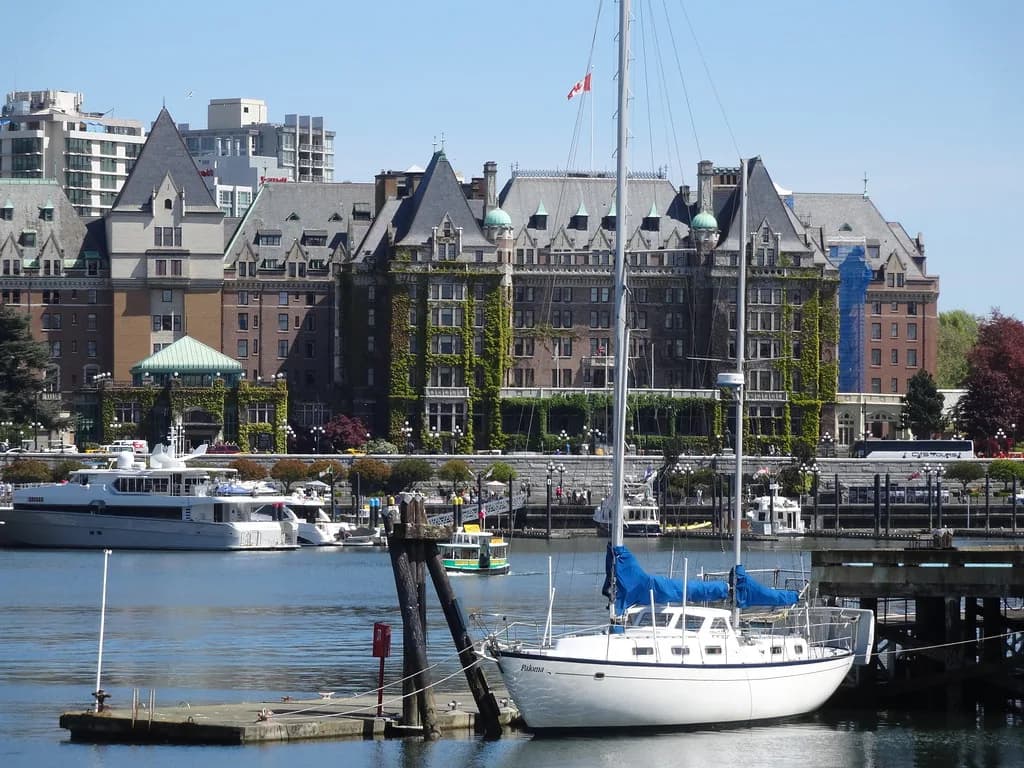
What to Wear in Victoria in October: A Layering Guide
Plan October outfits for Victoria, BC with waterproof shells, water-resistant footwear, and flexible autumn layers for damp garden and harbour walks.
On this page
Victoria in October: the weather in numbers
Typical October conditions from 30 years of daily weather data, split into early, mid and late month so you can match them to your travel dates.
| Dates | Early Oct (1–10) | Mid Oct (11–20) | Late Oct (21–31) |
|---|---|---|---|
| Afternoon high | 14°C (57°F) | 13°C (55°F) | 11°C (52°F) |
| Night-time low | 10°C (50°F) | 9°C (48°F) | 8°C (46°F) |
| Feels like (afternoon) | 12°C (54°F) | 10°C (51°F) | 9°C (47°F) |
| Range of afternoon highs | 12–17°C | 11–15°C | 9–14°C |
| Days with rain | 3 in 10 days | 5 in 10 days | 4 in 10 days |
| Afternoon humidity | 72% | 74% | 74% |
| Average wind | 8 km/h | 9 km/h | 10 km/h |
| Daylight | 11.1 h | 10.5 h | 10 h |
What this means for your suitcase
- Cool days: a warm sweater and a proper jacket — think wool or a light insulated coat.
- Rain on about 4 in 10 days — a waterproof jacket and water-resistant shoes.
Travelling on specific dates? Use our What to Wear Planner for the weather, outfits and a packing list for your exact days in Victoria.
Averages for 1991-2020, modelled from Copernicus ERA5-Land and ERA5 reanalysis via Open-Meteo open data (CC BY 4.0), adjusted to Victoria's elevation. Modelled afternoon highs can read 1–2°C below airport weather-station records.
October marks the point where Victoria stops behaving like the dry, sunny city many visitors picture and starts behaving like a coastal autumn town. Mornings feel cool and damp, rain becomes a regular companion rather than a surprise, and daylight shortens enough that an afternoon outing can end in near-darkness. Packing for that shift is less about buying new gear and more about choosing a small set of pieces that work in combination.
The good news is that Victoria rarely demands extreme cold-weather clothing in October. Its coastal position on southern Vancouver Island keeps temperatures mild compared with most of Canada, so the real challenge is moisture and wind rather than deep cold. A waterproof outer layer and water-resistant footwear do more for your comfort than a heavy parka ever would.
This guide stays focused on what to wear and what to pack, not where to go. It uses historical seasonal tendencies rather than a forecast, and every clothing suggestion is an editorial recommendation rather than a rule about what locals wear. Check the actual forecast shortly before you leave, because October conditions vary from year to year.
October Conditions at a Glance
October in Victoria sits at the transition between the Island's warm, dry summer and its cooler, wetter winter. Travel guidance for the region describes fall as bringing cool mornings with increasing rain, alongside warm layers and a rain shell as the core packing response. That pattern is a historical tendency, not a promise about any particular week.
What that means in practice is a day that can start grey and damp, brighten around midday, and turn cool again near the water in the evening. Coastal areas stay cooler and breezier than inland spots, so a waterfront walk can feel noticeably different from a stroll a few blocks inland. Plan your clothing for the dampest and coolest part of the day, then remove layers as needed.
Shortening daylight is the underrated factor. An afternoon that begins in soft light can finish in dusk while you are still outdoors, and temperatures near the harbour drop once the sun goes down. If your plans include late-afternoon garden or waterfront time, an extra layer in your day bag is worth the small amount of space.
The Core Layering Formula
Three layers cover almost every October day in Victoria: a base layer against your skin, a mid layer for warmth, and a waterproof shell on top. Packing advice for Victoria emphasizes layering as the key strategy because conditions change through the day and you need to add or remove pieces quickly. Building around three thin layers is more flexible than one thick garment.
The shell deserves the most attention because it handles the one condition you cannot layer your way out of: rain. A lightweight waterproof jacket with a hood keeps you dry and blocks wind, and it can be worn over any combination of base and mid layers. In a mild coastal climate, a packable shell is more useful than a heavy insulated coat.
Think in terms of a dress code for the weather rather than a fixed outfit. If the morning is cool and damp, wear all three layers; by afternoon you might carry the mid layer in your bag with the shell tied around your waist. That flexibility is what makes the formula work across a full day of walking.
Base Layers for Damp, Cool Days
Your base layer is what you wear closest to the skin, and on a damp day it should be something that feels comfortable if it gets slightly clammy. Cotton t-shirts work for short outings, but a long-sleeve top in a moisture-friendly fabric handles a full day of walking better. Two or three base layers for a four-day trip is usually enough.
Short-sleeve and long-sleeve versions both earn space because October afternoons can feel mild once the rain stops. A plain t-shirt under a sweater gives you something to wear indoors if you stop for tea or lunch and the room is warm. Choose colors that work under everything else so you can mix and match without thinking.
Avoid heavy flannel or thick thermal base layers unless you run cold. Victoria's coastal October is mild, and an overly warm base layer becomes uncomfortable the moment you step inside or the sun appears. Save the deep-winter base layers for a colder season.
Mid Layers: Sweater, Fleece, or Cashmere
The mid layer is your warmth dial, and the choice comes down to weight and how it packs. A cashmere or fine-knit sweater gives warmth with very little bulk, which is why fall packing lists for Victoria often feature sweater styles as a worn or packed item. A fleece is heavier but more forgiving if it gets damp or dirty.
For a city break with dinners and indoor time, one sweater is usually enough because it can be worn over different base layers on different days. For a trip built around gardens, waterfront paths, and the wharf, a fleece or sweatshirt may serve you better because it handles repeated outdoor use. If you have room for both, take one of each.
A denim shirt or a blazer can double as a light mid layer and as a smarter option for an evening meal. A blazer over a t-shirt and jeans reads as smart-casual without requiring a separate outfit, and it layers under a shell if the weather turns. That versatility reduces the number of pieces you need to pack.
Waterproof Jacket Decisions
Length, hood, and packability are the three decisions that matter most in a rain jacket. A hip-length shell is easier to walk in, while a slightly longer cut keeps rain off your thighs when you are standing at a viewpoint. A hood means you can leave an umbrella behind on windy days, when umbrellas tend to invert.
Packability matters if you plan to move between indoors and outdoors repeatedly. A shell that compresses into its own pocket can live in your day bag and come out when the rain starts. This is a real trade-off: the lightest, most packable shells offer less warmth, which is why the mid layer does the insulation work.
Do not overthink waterproof ratings or technical specifications for a city trip. A basic waterproof shell with taped seams and a hood covers what October in Victoria typically delivers. If you already own a rain jacket you like, that jacket is the right one to bring.
Footwear Trade-Offs
Footwear is where October packing differs most from a summer trip. Victoria is a walkable city, and fall weather means damp pavement, wet grass in gardens, and puddles along waterfront paths. Water-resistant booties handle those conditions while still looking appropriate for a restaurant or a museum.
Comfortable walking sneakers remain essential because you will likely walk farther than you expect, especially downtown and around the Inner Harbour. The trade-off is that most sneakers absorb water quickly and stay damp. If you bring sneakers as your main shoe, pair them with a water-resistant option for wet days.
One practical approach is two pairs for a four-day trip: water-resistant booties for wet days and walking sneakers for dry stretches. If you only have room for one pair, choose the water-resistant option and bring extra socks, since dry feet matter more than dry shoes. Socks in a wool or moisture-wicking blend dry faster overnight than heavy cotton.
Pants, Jeans, and Bottoms
Jeans and comfortable pants cover almost every October scenario in Victoria. Denim handles damp air reasonably well and looks right in casual pubs, while a lighter technical or stretch pant dries faster if you get caught in a shower. Two pairs for a four-day trip is a good baseline, three if you dislike doing laundry.
The one thing to avoid is a single pair of light-colored, slow-drying trousers as your only option. Wet denim against the skin on a cool day makes the rest of the outing miserable, so having a dry backup in your accommodation matters more than having variety. If rain is in the forecast for most of your trip, lean toward the faster-drying pair.
Skirts and dresses can still work in October with tights and a mid layer, but they are less practical for garden paths and waterfront walks. If you want one dressier option for a dinner, bring it alongside your walking clothes rather than instead of them. That keeps your daytime options intact.
Accessories That Earn Their Space
A scarf is the highest-value small item for October in Victoria. It adds warmth at the neck, which makes a noticeable difference in damp, breezy conditions, and it can be removed instantly when you step indoors. A lightweight scarf packs into almost no space, so there is little reason to leave it behind.
A compact umbrella and a day bag round out the list. The umbrella is worth carrying for steady, windless rain, while the day bag holds your shell, scarf, and a dry pair of socks when the morning starts clear. A small backpack or crossbody bag keeps your hands free on the ferry and along the wharf.
Sunglasses still deserve a spot despite the rain, because October can deliver bright breaks between showers. Sunscreen is a personal choice rather than a requirement, and you should follow your own routine. Neither item takes meaningful space, so there is no real trade-off in bringing them.
Outfit Combinations by Day Type
For a garden walk, start with a long-sleeve base layer, a fleece or sweater, and a waterproof shell with the hood up if rain is falling. Water-resistant booties handle wet grass and gravel paths far better than sneakers, and a scarf keeps the damp air off your neck. This is the outfit where your rain gear does the most work.
For a waterfront or wharf afternoon, expect wind and cooler air near the water even if the city center feels mild. Wear your warmest mid layer under the shell and bring a scarf, then remove the mid layer if you move inland for coffee. Sneakers are fine here if conditions are dry; otherwise use the water-resistant pair.
For a downtown dinner, swap the fleece for a blazer or a denim shirt over a clean base layer, and switch to your drier-looking footwear. Keep the waterproof shell in your bag rather than wearing it, so you have protection for the walk back without looking like you are dressed for a hike. Jeans work for nearly every casual restaurant in the city.
For transit and ferry days, dress in your most comfortable layers and keep the shell accessible rather than buried in a suitcase. Ferry decks are exposed and breezy, so a jacket matters if you plan to be outside during the crossing. A day bag with your scarf and a snack keeps the journey simple.
A Compact Packing Example for a 4-Day Trip
For four days in Victoria in October, three base layers, two mid layers, one waterproof shell, two pairs of pants, and two pairs of shoes cover the realistic range of conditions. Add socks and underwear for four days plus one spare set, one scarf, and a compact umbrella. This fits in a carry-on for most travelers, though you should confirm your own airline's baggage allowance before you fly.
A sample combination: two t-shirts and one long-sleeve top as base layers; one sweater and one fleece as mid layers; a waterproof shell with a hood; one pair of jeans and one pair of comfortable pants; water-resistant booties plus walking sneakers; and a scarf. That set produces at least eight distinct outfits without repeating a full look.
If you run cold, add a second sweater rather than a heavier coat, since the shell is doing the weather protection. If you plan mostly indoor activities, cut one pair of pants and keep the second pair of shoes. Adjust the count to your own tolerance for doing laundry rather than to a fixed rule.
What to Leave Behind
Leave the heavy winter parka at home. Victoria's October is mild by Canadian standards, and a bulky insulated coat becomes uncomfortable the moment you walk into a heated shop or restaurant. The shell-plus-mid-layer combination covers the same conditions with far more flexibility.
Skip the summer-only items as well. Sandals, shorts, and a sun hat are the wrong toolkit for a month defined by damp mornings and returning rain, and they consume space that layers could use. If you want a warm-weather comparison, look at what to wear in Victoria in July, when the packing logic is genuinely different.
Also leave behind anything you are packing for a hypothetical occasion that is not on your itinerary. Formal wear, multiple pairs of dress shoes, and a separate outfit for every dinner add weight without solving an October problem. If a specific venue has a dress expectation, check directly with that venue rather than guessing.
Before-Departure Weather Check
Check the forecast for Victoria in the days before you leave, and check it again the morning you pack your day bag. Seasonal patterns tell you what to own; the forecast tells you what to wear on a specific day. Treat any description of October conditions, including the ones in this guide, as a tendency rather than a prediction.
Read the forecast for rain probability, wind, and the difference between daytime and overnight temperatures rather than just the headline number. A windy, wet day near the harbour feels colder than a still, dry day at the same temperature, which is why wind and rain matter as much as the thermometer. If you are traveling elsewhere on the Island, check each destination separately, because conditions vary between exposed coast and inland areas.
Use what you find to make two or three concrete adjustments: add the umbrella if rain dominates, add a second mid layer if nights look cool, or keep the sneakers if the week looks drier than usual. Do not rebuild your entire packing list based on a single forecast, since coastal weather changes quickly. Small adjustments beat wholesale repacking.
Plan Your Visit
October in Victoria rewards a simple strategy: pack light layers, one genuinely waterproof shell, and shoes that can handle wet pavement. The shell is the single item that changes your experience most, because rain is the one condition you cannot layer around. Everything else is about flexibility.
Build your list around a three-layer formula, choose footwear for the wetter end of the forecast, and leave the parka and summer gear at home. Add a scarf, a compact umbrella, and a day bag, then adjust for the actual forecast a few days before departure. For a broader seasonal reference, the packing list covers the rest of the year.
Frequently Asked Questions
Do I need a rain jacket in Victoria in October?
A waterproof jacket is the most useful single item you can bring, because fall in Victoria brings increasing rain and damp air. A lightweight shell with a hood over a sweater handles both rain and wind, and it packs away when the weather clears. If you already own a rain jacket you like, bring that one rather than buying something specialized.
What shoes should I pack for Victoria in October?
Water-resistant footwear is the safer default because pavements, garden paths, and waterfront walkways stay damp. Comfortable walking sneakers are still worth bringing, since you will likely walk more than you expect, but they absorb water quickly. Two pairs, one water-resistant and one breathable, cover both wet and dry days.
How many layers do I need for a fall trip to Victoria?
Three layers cover most October days: a base layer, a mid layer such as a sweater or fleece, and a waterproof shell. This lets you adjust as the day warms up or cools down, and it works whether you are indoors or outside. Pack two mid layers if you run cold or plan long outdoor stretches.
What should I leave behind when packing for Victoria in October?
Leave the heavy winter parka, sandals, shorts, and a sun hat at home. Victoria's coastal October is mild, so a bulky insulated coat is more burden than benefit, and summer items take up space that layers could use. Bring a scarf and compact umbrella instead.
Is October a good time to visit Victoria?
October is a good month for visitors who do not mind damp weather and shorter days, since the summer crowds thin out and the city stays walkable. The main trade-off is rain, which makes a waterproof shell and water-resistant shoes essential rather than optional. Check the forecast before you travel and plan indoor options alongside outdoor ones.
Sources
Free: The Ultimate Packing Cheat Sheet
A carry-on capsule wardrobe, the complete packing checklist, layering made simple, and what to wear by season — one printable page you'll use on every trip.
You might also like


Continue reading
More guides you'll find useful


