

What to Wear in Victoria in November: Rain-Ready Layers
Victoria in November brings frequent rain, damp sidewalks, and early dusk. Here is how to layer for wet days, wind chill, and Remembrance Day outdoors.
On this page
Victoria in November: the weather in numbers
Typical November conditions from 30 years of daily weather data, split into early, mid and late month so you can match them to your travel dates.
| Dates | Early Nov (1–10) | Mid Nov (11–20) | Late Nov (21–30) |
|---|---|---|---|
| Afternoon high | 10°C (49°F) | 9°C (48°F) | 8°C (46°F) |
| Night-time low | 7°C (44°F) | 6°C (42°F) | 4°C (40°F) |
| Feels like (afternoon) | 7°C (44°F) | 6°C (42°F) | 4°C (39°F) |
| Range of afternoon highs | 7–12°C | 6–11°C | 5–10°C |
| Days with rain | 5 in 10 days | 6 in 10 days | 6 in 10 days |
| Days with snow | Rare | Rare | 1 in 10 days |
| Afternoon humidity | 75% | 76% | 74% |
| Average wind | 9 km/h | 11 km/h | 11 km/h |
| Daylight | 9.4 h | 8.9 h | 8.5 h |
What this means for your suitcase
- Cold days: a winter coat, hat, gloves and a thermal base layer.
- Heavy downpours are common — quick-dry clothes and shoes or sandals that cope with puddles.
Travelling on specific dates? Use our What to Wear Planner for the weather, outfits and a packing list for your exact days in Victoria.
Averages for 1991-2020, modelled from Copernicus ERA5-Land and ERA5 reanalysis via Open-Meteo open data (CC BY 4.0), adjusted to Victoria's elevation. Modelled afternoon highs can read 1–2°C below airport weather-station records.
November sits in the middle of Victoria's wet season, past the October shift out of the dry summer but before the deepest, dampest stretch of winter. Environment and Climate Change Canada publishes historical climate data and monthly summaries for Canadian locations, which is where you confirm what recent Novembers actually looked like rather than relying on memory. Think of the month as cool, damp, and increasingly stormy as it progresses, with daylight shrinking toward its annual low.
The practical consequence for packing is that a single light rain jacket stops being enough, especially after dark. You want a waterproof shell, a real insulating mid-layer for evening wind chill, and footwear that handles wet pavement without soaking through. This guide keeps the focus strictly on November rather than treating the whole fall or wet season in one pass.
November in Victoria at a Glance
Victoria's climate is classified as marine west coast, with mild, damp winters and relatively dry, mild summers. The surrounding region supports gardens and rare native plants that need that mild, moist profile, which tells you something about how consistently damp November tends to feel. Compared with what to wear Victoria in October, when the first rains return after summer, November brings more frequent wet days and colder evenings that demand genuine insulation rather than a token extra layer.
It is also not yet the deep winter of what to wear Victoria in January, when the damp cold settles in for the long haul. November is the transition where storms become more regular and the daylight window narrows, so your packing has to cover both a rainy midday walk and a dark, windy walk back to your hotel. Building around one waterproof outer layer that works over everything else is the cleanest way to handle that range.
For a broader baseline of layers, footwear, and day-bag choices that carry across the whole year, the Victoria packing list is the right starting point. November then narrows that list down: heavier insulation, a fully waterproof shell, and visibility-friendly outer layers for early dusk.
Temperature and Rain Tendencies
Victoria's winters are mild by Canadian standards: the average winter daily high is about 8.2°C (47°F) and the average low about 3.6°C (38°F), according to a University of Victoria climate summary. That places November between comfortable cool and genuinely cold, which is exactly why a mid-layer matters more than a heavy parka. If you want month-specific November figures, Environment and Climate Change Canada provides climate normals, monthly summaries, and past weather data you can filter by station and month.
Rain is the defining feature of the month rather than any single temperature. Expect wet sidewalks, damp air, and rain arriving in bands that can pass and return within a few hours. Treat all of this as a historical tendency, not a forecast, and check the actual forecast in the days before you leave.
The Layering Formula: Base, Mid, Shell
The reliable November formula is three layers: a moisture-wicking base against your skin, an insulating mid-layer, and a waterproof shell on top. A merino or synthetic base moves sweat away and stays warm when damp, while a fleece or light synthetic jacket traps heat without bulk. The shell is what keeps the whole system working in sustained rain.
Moisture-wicking bases beat cotton here, because cotton holds water and loses insulation once it gets damp from rain or sweat. A mid-layer fleece over a technical base handles a cool morning, and you can shed the fleece if a rare mild afternoon appears. This combination also lets you adjust between a rainy outdoor hour and a warm indoor stop without changing your whole outfit.
Choosing the Right Shell
For November in Victoria, a waterproof shell is the more practical editorial suggestion than a water-resistant jacket. Water-resistant fabric handles brief drizzle but wets through in sustained rain, while a waterproof membrane with taped seams keeps you dry on a long wet walk. Look for an adjustable hood that stays put in wind and a cut that layers easily over your insulation.
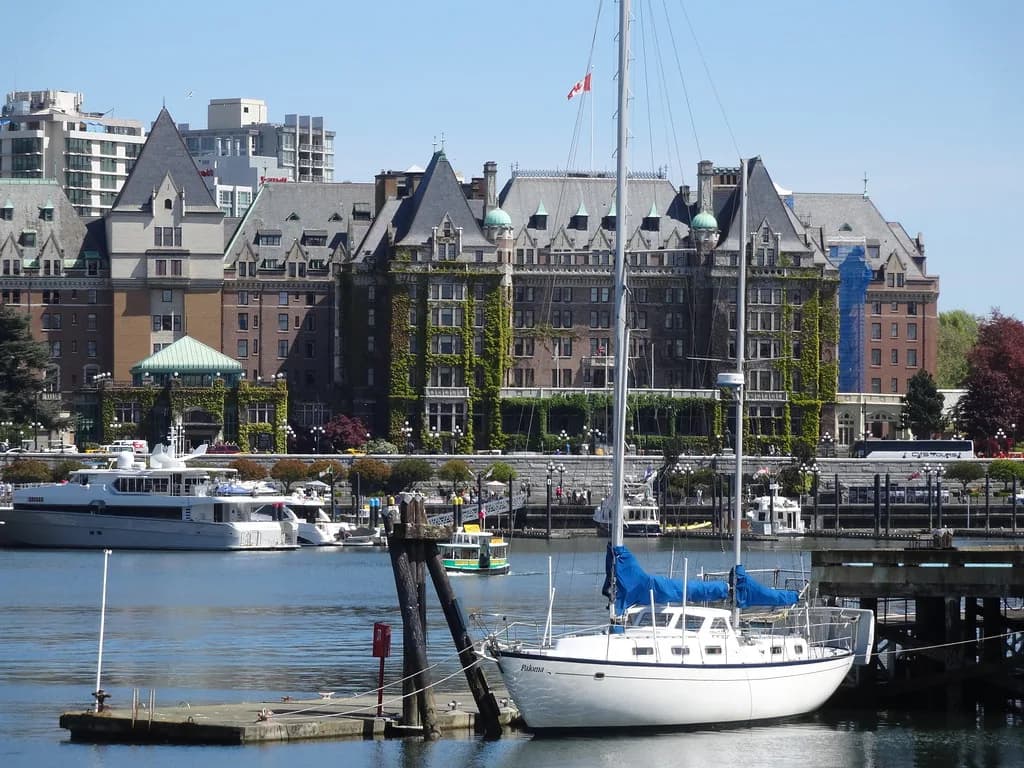
Packability matters if you are also carrying an umbrella or a day bag. A shell that compresses into its own pocket is easier to stow when rain pauses, and a light colour or reflective trim helps you stay visible on wet, dark sidewalks. Pair the shell with a compact umbrella for exposed stretches such as the Inner Harbour waterfront, where wind-driven rain can reach under a hood.
Insulation for November Evenings
Evening wind chill is what makes November feel colder than the thermometer suggests, especially near the water. A fleece or light insulated jacket under your shell handles the drop after sunset without the bulk of a deep-winter coat. Bring a warm hat and gloves for late walks; they take up little space and make a real difference once the sun is down.
If you run cold, a thin down or synthetic vest adds core warmth under the shell and packs down to almost nothing. The goal is modular warmth you can add or remove, not one heavy garment you are stuck with all day. This is also the layer that makes a static outdoor occasion, like Remembrance Day, comfortable rather than a test of endurance.
Footwear for Wet Pavement and Docks
Wet pavement and damp garden paths are the norm in November, so waterproof footwear with decent grip is the sensible choice. Leather boots treated for water resistance, or waterproof walking shoes with a grippy sole, handle slick sidewalks better than canvas sneakers that soak through. Bring a second pair so one can dry while you wear the other, because damp shoes rarely dry overnight in coastal humidity.
Wool or synthetic socks keep feet warmer when shoes get damp, and a spare pair in your day bag is a small insurance policy. For ferry docks and waterfront promenades, a sole with real tread matters more than style. For a dedicated garden outing, see what to pack for Victoria Butchart Gardens day trip for footwear and layer adjustments that suit a longer walk on wet paths.
Dressing for Early-Dark Commutes
Daylight shrinks steadily through November, so many commutes happen in low light or full dark. Light-coloured or reflective outer layers help drivers and cyclists see you on wet streets, and a small clip-on light or reflective band is easy to pack. Choose a shell with reflective detailing if you plan to walk or bike after work.
Early dusk also means you will use your insulating layers sooner than you expect. Keep hat and gloves in your bag rather than your suitcase so they are available for the walk back. A compact umbrella and a shell with a good hood cover the two most common evening conditions: steady rain and wind-driven drizzle.
Remembrance Day: Warm, Muted, Rain-Ready
Remembrance Day on November 11 involves standing outdoors for a ceremony, often in cool, damp conditions. Warm, muted layers are the practical editorial suggestion: a dark or neutral coat, a waterproof shell if rain is likely, and insulation you can stand in without fidgeting. Organisers of specific ceremonies publish any dress expectations, so check the relevant authority rather than assuming a formal dress code.
A poppy, hat, and gloves are the practical accessories for a static outdoor event. Flat, waterproof footwear matters more than style when you may be standing on wet ground for an extended period. Because ceremonies vary by location and organiser, confirm timing and any requirements directly with the organiser before you go.
Typical November Activities and What They Demand
November in Victoria tends toward indoor and semi-outdoor activities: museums, historic houses such as Craigdarroch Castle, gardens, and waterfront walks between rain bands. These mix warm interiors with damp exteriors, so layers you can remove quickly are more useful than one heavy coat. A compact bag that holds a shed fleece or wet shell keeps the transition manageable.
A ferry crossing to or from the mainland is another common November plan, and the exposed decks get cold and windy. See what to pack for Victoria Vancouver ferry for wind-layer and bag suggestions that suit a crossing. In every case, the same principle applies: waterproof outer, warm mid, and dry feet.
A Compact 4-Day Packing Example
For a four-day November trip, start with one waterproof shell that works over everything, one insulating mid-layer fleece or light jacket, and two moisture-wicking base layers you can rotate. Add one pair of waterproof boots and two pairs of wool or synthetic socks. One pair of trousers plus a spare, and a warm hat and gloves, completes the core.
Round it out with a compact umbrella, a small day bag, and a second pair of shoes so one can dry. If you plan a nicer dinner, add one smart-casual layer that still works under the shell. Keep everything in the same colour family so the pieces mix and the bag stays light.
What to Leave Behind
Leave the heavy winter parka at home; November in Victoria rarely justifies it, and it is bulky to carry. Skip cotton hoodies and jeans as your only warm layer, since they stay cold and damp once wet. Canvas sneakers, suede shoes, and anything that cannot handle rain are poor choices for this month.
Also leave behind the assumption that one light jacket covers the whole trip. November rewards a modular system over a single garment, and a spare dry layer is worth more than an extra pair of shoes you will not wear. Pack for damp, dark, and cool, and you will be comfortable in whatever the month delivers.
Before You Go: Checking the Forecast
Check the forecast for Victoria in the days before departure, and again the morning you leave. Environment and Climate Change Canada publishes current conditions and short-term forecasts you can use to adjust layers, and its historical data shows what a typical November has looked like.
Use the forecast to decide between a lighter or heavier mid-layer and whether to add an umbrella. If a wet stretch is forecast, prioritise dry footwear and a second set of socks. If it looks drier than usual, you can still keep the shell as your insurance layer without overpacking.
Plan Your Visit
November in Victoria is best handled with a waterproof shell, a real insulating mid-layer, and footwear that keeps your feet dry on wet pavement. Build your outfits around layers you can add and remove, and keep visibility in mind for early-dark walks. Check the forecast before you leave, and let the actual conditions guide the final adjustments.
Start from the Victoria packing list for the year-round essentials, then narrow it for November's rain, wind, and short days. With a modular system and dry feet, the month's damp and darkness become manageable rather than limiting.
Related packing guides
- Victoria Packing List: What to Wear in BC's Coastal Capital
- What to Wear in Victoria in October: A Layering Guide
- What to Wear in Victoria, BC in January: Rain-Ready Layers
- What to Wear in Quebec City in November: Packing Guide
- What to Wear in Whistler in November: Rain, Slush, and Early Snow
- What to Wear in Calgary in November: Late-Fall Packing Guide
- What to Wear in Montreal in November: Packing Guide
- What to Wear in Toronto in November: A Layering-First Packing Guide
Frequently Asked Questions
What should I wear in Victoria in November?
A moisture-wicking base, an insulating mid-layer such as a fleece, and a waterproof shell. Add waterproof footwear, a warm hat and gloves, and a compact umbrella. Layers you can adjust are more useful than one heavy coat.
Do I need a waterproof jacket in Victoria in November?
A waterproof shell is the practical choice because November rain is frequent and sustained. A water-resistant jacket handles brief drizzle but wets through on longer wet walks. Look for taped seams and an adjustable hood.
What shoes are best for Victoria in November?
Waterproof boots or walking shoes with good grip suit wet pavement and damp paths. Bring a second pair so one can dry, and pack wool or synthetic socks. Avoid canvas and suede, which soak through and stay damp.
How cold does it get in Victoria in November?
Victoria has mild, damp winters, and November sits within that cool, damp range. Check the current forecast before you travel and pack layers you can adjust through the day, along with a waterproof outer layer and shoes that handle wet sidewalks.
What do people wear to Remembrance Day in Victoria?
Warm, muted layers suitable for standing outdoors, with a waterproof shell if rain is likely. A poppy, hat, and gloves are practical additions. Check with the ceremony organiser for any specific expectations.
How much rain does Victoria get in November?
November is one of Victoria's wetter months, with frequent rain and damp conditions. Exact monthly totals vary, so check Environment and Climate Change Canada climate data for current figures. Pack for rain regardless of the forecast.
Sources
Free: The Ultimate Packing Cheat Sheet
A carry-on capsule wardrobe, the complete packing checklist, layering made simple, and what to wear by season — one printable page you'll use on every trip.
You might also like


Continue reading
More guides you'll find useful


