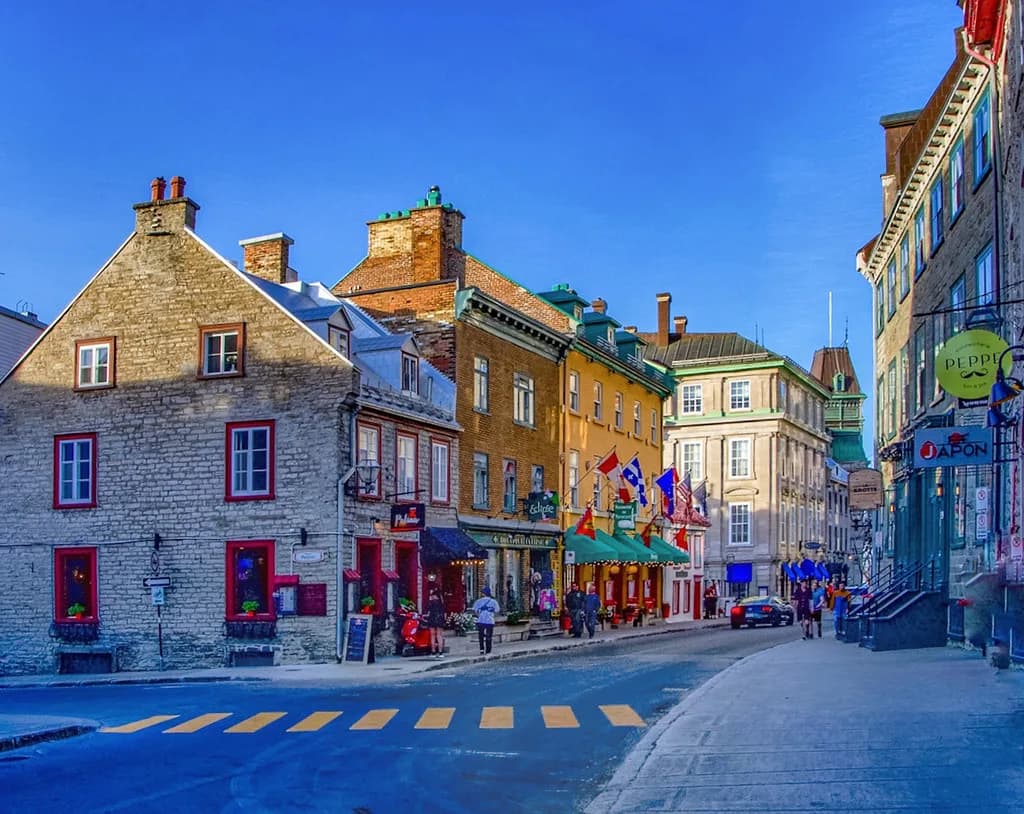
What to Wear in Quebec City in November: Packing Guide
Packing for Quebec City in November means planning for wet cold, sudden snow, and icy cobbles. Here is what to wear, what to leave home, and how to layer.
On this page
Quebec City in November: the weather in numbers
Typical November conditions from 30 years of daily weather data, split into early, mid and late month so you can match them to your travel dates.
| Dates | Early Nov (1–10) | Mid Nov (11–20) | Late Nov (21–30) |
|---|---|---|---|
| Afternoon high | 6°C (43°F) | 4°C (39°F) | 2°C (35°F) |
| Night-time low | 0°C (32°F) | -3°C (27°F) | -5°C (23°F) |
| Feels like (afternoon) | 2°C (36°F) | -1°C (30°F) | -3°C (26°F) |
| Range of afternoon highs | 2–12°C | -2–10°C | -4–7°C |
| Days with rain | 4 in 10 days | 4 in 10 days | 4 in 10 days |
| Days with snow | 1 in 10 days | 2 in 10 days | 3 in 10 days |
| Afternoon humidity | 59% | 58% | 60% |
| Average wind | 11 km/h | 11 km/h | 11 km/h |
| Daylight | 9.5 h | 9.1 h | 8.8 h |
What this means for your suitcase
- Cold days: a winter coat, hat, gloves and a thermal base layer.
- Snow falls on about 2 in 10 days — waterproof boots with good grip.
- Rain on about 4 in 10 days — a waterproof jacket and water-resistant shoes.
- Day-to-day swings: afternoon highs range from about -2°C to 10°C, so pack for both.
Travelling on specific dates? Use our What to Wear Planner for the weather, outfits and a packing list for your exact days in Quebec City.
Averages for 1991-2020, modelled from Copernicus ERA5-Land and ERA5 reanalysis via Open-Meteo open data (CC BY 4.0), adjusted to Quebec City's elevation. Modelled afternoon highs can read 1–2°C below airport weather-station records.
Quebec City in November is not one weather story but two. Early in the month the city can still feel like a damp extension of fall, while the second half shifts colder with more frequent temperature swings and a growing chance of snow or freezing rain. Packing succeeds when it handles both without forcing a full wardrobe change mid-trip.
The practical target is wet cold rather than deep, dry winter chill. That means your priorities are a water-resistant insulated shell, warm base and mid layers you can strip indoors, and footwear with genuine grip for wet cobbles, hills, stairways, and the funicular. Shortened daylight after the clock change also makes reflective or light-coloured outerwear a quietly useful choice for late-afternoon walks.
Why November Packing Differs From October
October in Quebec City is mostly a rain-layer month: a light shell, a sweater, and shoes that survive drizzle are often enough. November changes the risk profile. The last leaves drop, the air turns raw near the St. Lawrence River, and the first snow or freezing rain can arrive without much warning. What worked in October feels thin by the end of November, especially in the evening.
This is the transition month, not peak winter. You do not need a full mid-winter expedition kit, but you do need a shell that blocks wind and moisture, insulation that can handle a sudden cold snap, and boots that stay dry on wet cobbles. A dressy wool coat without weather protection is the classic November mistake here, because it looks warm but fails in sleet and slush.
Treat any seasonal description as a historical tendency rather than a forecast, and check the actual conditions a few days before departure. The Weather Network's Quebec November outlook describes a gradual shift toward colder weather in the second half of the month, with more frequent temperature fluctuations after an often milder start. Your specific trip could land on either side of that pattern, so the packing plan should flex.
How to Read the Forecast Before Departure
Check the forecast three to five days before you fly, then again the night before, and look at the daily high, the overnight low, and the precipitation type rather than a single number. Freezing rain is the swing factor in November: it changes your footwear decision more than a few degrees of temperature. Wind off the river can also make an otherwise mild day feel much colder on Dufferin Terrace and along the waterfront.
Katie's Bliss, a travel blog, previously advised checking the weather the week before a Quebec City trip and planning accordingly, noting that conditions varied sharply between two visits in similar periods. That is good November advice. If the forecast shows rain or freezing rain, add the umbrella and swap to your most water-resistant boots. If it shows a dry, mild stretch, you can leave the heaviest insulation at home.
Daylight is its own packing consideration. After the clock change, late-afternoon errands turn dark quickly, and Christmas-market setups and Remembrance Day gatherings pull people outdoors in damp cold. A compact umbrella, a charged phone, and a small light that clips to a bag or jacket zipper are more useful in November than they sound.
The Three-Layer System for Damp Cold
Destination Québec cité describes a three-layer rule that maps well to November: a base layer that wicks moisture, a mid layer that insulates, and an outer layer that blocks wind, rain, and snow. For November, favour merino wool or a synthetic base over cotton, because cotton holds dampness and gets cold against the skin. Your mid layer does the visible work indoors, so a sweater or fleece that looks presentable when you peel off the shell is a smarter choice than purely technical gear.
The shell is where November differs from deep winter. You want a water-resistant or waterproof outer layer with enough room to fit a mid layer underneath, because a shell that fits tightly over a sweater loses the benefit of the layers. Rachel Off Duty recommends bringing both a long coat and a water-resistant jacket on cold trips, which is a useful hedge when you cannot predict the month's mood.
Plan to adjust rather than over-insulate. Indoor spaces, restaurants, and shops are heated, and a November afternoon can warm unexpectedly in the sun. Zips at the neck and underarms make a real difference when you are moving between a cold street and a warm interior. Carry a light packable tote or small day bag so you can shed the mid layer instead of carrying it.
Choosing Your Outer Layer
A water-resistant insulated shell is the most versatile November choice because it combines insulation and weather protection in one piece. Look for a hood you can tighten, a hem that covers your seat, and pockets that close securely. Length matters more than thickness here: a longer shell keeps wind and slush off your legs when you are waiting outside at a Christmas market or standing on a ferry deck.
A standalone rain jacket over a fleece can work for a mild, wet forecast, but it is less useful once temperatures drop and the rain turns to sleet. A heavy mid-winter parka is usually overkill unless the forecast turns genuinely cold, and it is bulky to pack and to wear indoors. The middle option is a lighter insulated shell you can layer under when the second half of November bites.
Colour and visibility are small but practical choices. A dark coat is fine, but a scarf, hat, or bag in a brighter tone helps drivers and other pedestrians see you during the short, dim afternoons. If your shell has a removable liner, the liner doubles as a mid layer on milder days and saves space in your bag.
Footwear for Wet Cobbles, Stairways, and the Funicular
Old Quebec's cobbles, steep lanes, stairways, and the funicular route are the reason footwear matters more here than in a flatter city. You want a waterproof boot with a deep tread and enough insulation to keep your feet warm without making them sweat. Leather fashion boots and thin-soled sneakers fail on wet stone and offer little grip when frost forms.
Traction is the trade-off to think about. A boot with an aggressive rubber sole and a slightly softer compound grips better on cold, damp stone, while a hard, smooth sole slides. Urban Guide Quebec, a Quebec City travel blog, recommends boots with good traction and notes that walking conditions can change quickly, with slush appearing after snow and ice forming after a thaw.
If you plan to walk a lot in the second half of November, consider packing a pair of removable ice cleats or crampons as an optional layer of insurance, especially for the funicular area and the stairways connecting Upper and Lower Town. They are not required, and they are awkward on bare indoor floors, so take them off before going inside. An extra pair of socks also lets you swap out damp ones after a wet walk.
Bring one pair of comfortable boots you can wear all day rather than several pairs of shoes. A second pair of low-profile shoes or sneakers is fine for indoor evenings, but leave the dressy heels unless you have a specific plan, since they are impractical on cobbles. If your boots are not fully broken in, do that before the trip rather than during it.
Ice Cleats and Traction: When They Help
Ice cleats help most when temperatures hover around freezing and the ground alternates between slush, wet stone, and refrozen patches. That is exactly the November pattern in Quebec City, particularly on shaded stairways and side streets where the sun does not reach. On those days they change your walking from cautious shuffling to normal pace.
When the ground is bare, wet, or covered in soft snow, cleats are unnecessary and add noise and weight to your bag. If you are unsure, check the forecast for overnight lows and precipitation type rather than packing them by default. Some winter boots now come with built-in traction, which removes the extra packing decision but locks you into one pair of footwear.
Head, Hands, and Neck
A hat that covers your ears, insulated gloves or mittens, and a scarf or neck warmer are the highest-value small items in a November bag. Mittens are warmer than gloves because fingers share heat, while gloves are easier for using a phone or camera. A neck warmer can be pulled over your nose and mouth on a windy walk along the river.
Pack a spare pair of gloves or mittens and at least one extra hat, because November dampness soaks through fabric and wet wool or fleece stops insulating. Destination Québec cité recommends packing an extra pair of socks and mittens to keep extremities dry. This is the single easiest upgrade to a shoulder-season kit. For evenings at a Christmas market or an outdoor Remembrance Day event, a second scarf or a warmer hat is worth the small amount of space.
Your face and skin also take a beating in damp cold and wind. A lip balm and a small tube of moisturizer help, and sunglasses are useful on bright days when early snow reflects light. None of this is specialized gear, but it is the difference between a comfortable walk and cutting it short.
Legs, Bottoms, and Slush Protection
Long johns or thermal leggings under your trousers are a simple way to handle a colder second half of November without buying new pants. Jeans are fine on mild days but stay cold and damp once wet, so a pair of synthetic or wool-blend trousers handles slush better. A longer coat that covers your seat also reduces how wet your legs get.
Snow pants are worth packing if you plan extended outdoor time, such as a long walk along the Promenade des Gouverneurs or an evening at Dufferin Terrace. Destination Québec cité notes that snow pants are standard apparel in Québec during winter and a good idea when spending long periods outdoors. For a short city break with mostly indoor stops, they are optional rather than essential.
Slush protection is less about waterproof fabric and more about avoiding hems that drag. Roll or cuff long trousers so they stay above the splash zone, and choose socks that stay up inside your boots. If you do get wet, changing socks and hanging damp trousers to dry overnight matters more than having a second pair.
What to Leave Behind
Leave cotton base layers at home. Denim and cotton T-shirts feel fine for the first hour and then hold moisture against your skin, which is the opposite of what you want in damp cold. Destination Québec cité advises avoiding cotton because it is cold in winter and slow to dry, and a wet cotton layer can make a mild November day feel much colder than the thermometer suggests.
Leave thin fashion boots with smooth soles and high heels unless you have a specific indoor event. They are a liability on wet cobbles and stairways, and you will likely end up wearing your walking boots anyway. This is the item most often packed and never worn in shoulder-season Quebec City.
Leave full mid-winter expedition gear, such as heavy parkas rated for deep cold, at home unless the forecast turns genuinely severe. November is a transition month, not the heart of winter, and bulky gear limits your layering flexibility. A packable down or synthetic mid layer plus a water-resistant shell is more adaptable than one very heavy coat.
A Compact Packing Example for Three to Four Days
For a three- to four-day trip, start with two base layers and two mid layers you can mix and match, plus one water-resistant insulated shell. Add one pair of trousers and one pair of thermal leggings, or a pair of snow pants if you plan long outdoor stretches. This combination covers a mild day, a wet day, and a cold day without extra bulk.
For footwear, bring one pair of waterproof, insulated boots with good tread and, optionally, a pair of ice cleats if ice is likely. Pack a hat, two pairs of gloves or mittens, a scarf or neck warmer, and three or four pairs of wool-blend socks. Add a compact umbrella, a small day bag, and a charger for your phone.
Wear your bulkiest layers on the plane to save space, and plan to do laundry or hand-wash socks if the trip stretches longer. This is an editorial suggestion based on typical shoulder-season conditions, not a required minimum. Adjust the quantities to your own comfort, activity level, and how much time you plan to spend outside.
Dressing for Indoor Warmth and Evening Markets
Holiday markets and evening events in November involve a lot of standing still, which feels colder than walking. For those hours, add an extra mid layer and consider a warmer hat and gloves rather than a third pair of trousers. A compact umbrella is also more useful than a heavy raincoat when you are moving between stalls and indoor spaces.
Indoors, you want to be able to shed layers quickly without looking like you are unpacking. A zip-neck mid layer and a scarf that stows in a bag work better than a heavy sweater you cannot remove. If you plan a nicer dinner, pack one outfit that layers over your base layer rather than a separate dress-and-heels combination.
Sweat is the hidden problem in shoulder-season dressing. If you over-insulate before walking uphill to the Upper Town, you will arrive damp and cold. Start slightly cooler than you think you need, then add the mid layer when you stop moving.
Before You Go: A Final Weather and Gear Check
Two days before departure, check the forecast one last time and make three decisions: whether you need the heavier insulated layer, whether you need ice cleats, and whether snow pants earn their space. Those choices depend on precipitation type and overnight lows, not on averages. If the forecast is uncertain, bias toward the water-resistant shell and spare gloves.
Do a quick gear tune-up at home: test the zips and seam tape on your shell, make sure your boots are clean and dry, and check that your gloves and hat are where you expect them to be. Pack a small repair kit with a spare zip pull or a length of cord if your bag relies on them. None of this is glamorous, but it prevents a wet, cold first day.
Plan Your Visit
November in Quebec City rewards flexibility more than any single item. Build your kit around a water-resistant insulated shell, warm base and mid layers, a hat and gloves, and boots with real grip for wet cobbles and possible ice. That combination handles the mild start and the colder, snowier finish without a second suitcase.
Check the forecast before you go, adjust the optional items, and leave the cotton, thin fashion boots, and full mid-winter gear at home unless conditions demand them. If you are still deciding what to bring, compare this shoulder-season approach with the colder months in our guide to what to wear in Quebec City in January.
Related packing guides
- Quebec City Packing List: Seasonal Clothing and Footwear Guide
- What to Wear in Quebec City in January: Deep-Winter Packing Guide
- What to Wear to the Quebec Winter Carnival
- What to Wear in Ottawa in November: Packing Guide
- What to Wear in Victoria in November: Rain-Ready Layers
- What to Wear in Calgary in November: Late-Fall Packing Guide
- What to Wear in Montreal in November: Packing Guide
Frequently Asked Questions
Is November too cold to walk around Old Quebec?
It depends on the day and on your layers. Early November can be mild and damp, while the second half tends to turn colder with more frequent temperature swings and a chance of snow or freezing rain. A water-resistant insulated shell, a hat and gloves, and boots with good grip make walking comfortable in either version of the month.
Do I need snow pants in Quebec City in November?
Snow pants are optional unless you plan long stretches outdoors, such as an extended walk along the walls or an evening at an outdoor market. Thermal leggings under trousers handle most city days. Destination Québec cité notes that snow pants are standard apparel in Québec during winter and a good idea for extended outdoor time, so treat them as a practical choice rather than a requirement.
Are regular rain boots enough for November slush and ice?
They can work for wet days, but they usually lack insulation and the deep tread you want on cold, damp stone. Look for a waterproof, insulated boot with a grippy sole, and consider removable ice cleats for days when the ground refreezes. If you are unsure, check the overnight low and precipitation type before you pack.
How many layers should I wear in Quebec City in November?
A base layer, a mid layer, and a water-resistant outer layer cover most November days, with an extra mid layer for evenings or cold snaps. The goal is to adjust up or down rather than to wear a fixed number of layers. Indoor heating is strong, so a mid layer you can remove easily matters as much as the insulation itself.
Should I pack a parka or a lighter jacket for November?
A water-resistant insulated shell is the most versatile choice for November because it handles both rain and cold. A standalone rain jacket works for mild, wet days but is less useful once temperatures drop, while a heavy mid-winter parka is usually unnecessary unless the forecast turns severe. Bring one shell you can layer under, not two extremes.
Do I need ice cleats for Quebec City sidewalks in November?
Not always, but they help when temperatures hover around freezing and surfaces refreeze, especially on shaded stairways and side streets. They are an optional item, and you should remove them before going indoors. Check the forecast for overnight lows and precipitation type before deciding whether to pack them.
Sources
- November outlook: Here's when winter could make its big comeback in Quebec - The Weather Network
- Quebec City Winter Travel Guide - Katie's Bliss
- A Quebec City Winter Packing List | Urban Guide Quebec
- What to Pack for Quebec City in the Winter: A Carry On-Only Guide - Rachel Off Duty
- How to Dress for Winter Fun in Québec City | Visit Québec City
Free: The Ultimate Packing Cheat Sheet
A carry-on capsule wardrobe, the complete packing checklist, layering made simple, and what to wear by season — one printable page you'll use on every trip.
You might also like


Continue reading
More guides you'll find useful