
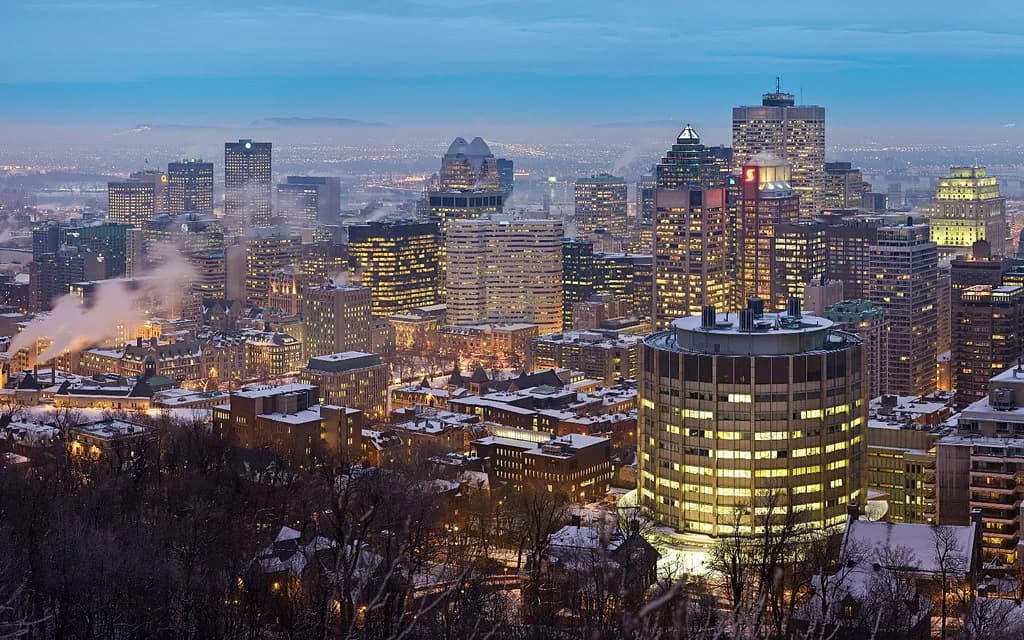
What to Wear in Montreal in November: Packing Guide
Packing for Montreal in November? Build a cold-weather layering system, waterproof insulated boots and warm accessories for damp, windy late-fall days.
On this page
Montreal in November: the weather in numbers
Typical November conditions from 30 years of daily weather data, split into early, mid and late month so you can match them to your travel dates.
| Dates | Early Nov (1–10) | Mid Nov (11–20) | Late Nov (21–30) |
|---|---|---|---|
| Afternoon high | 7°C (45°F) | 4°C (39°F) | 2°C (36°F) |
| Night-time low | 1°C (33°F) | -2°C (28°F) | -4°C (25°F) |
| Feels like (afternoon) | 3°C (37°F) | -1°C (31°F) | -3°C (27°F) |
| Range of afternoon highs | 2–14°C | -2–11°C | -4–8°C |
| Days with rain | 4 in 10 days | 4 in 10 days | 4 in 10 days |
| Days with snow | 1 in 10 days | 1 in 10 days | 2 in 10 days |
| Afternoon humidity | 62% | 63% | 66% |
| Average wind | 14 km/h | 14 km/h | 14 km/h |
| Daylight | 9.7 h | 9.2 h | 8.9 h |
What this means for your suitcase
- Cold days: a winter coat, hat, gloves and a thermal base layer.
- Snow falls on about 1 in 10 days — waterproof boots with good grip.
- Rain on about 4 in 10 days — a waterproof jacket and water-resistant shoes.
- Day-to-day swings: afternoon highs range from about -2°C to 11°C, so pack for both.
Travelling on specific dates? Use our What to Wear Planner for the weather, outfits and a packing list for your exact days in Montreal.
Averages for 1991-2020, modelled from Copernicus ERA5-Land and ERA5 reanalysis via Open-Meteo open data (CC BY 4.0), adjusted to Montreal's elevation. Modelled afternoon highs can read 1–2°C below airport weather-station records.
November in Montreal sits between seasons. Fall color fades, and the weather historically trends toward cold rain, wind and the first wet snow rather than settled winter. That transition should shape your packing decisions more than any single forecast.
You do not need a full winter expedition kit for a few days of city walking, but you do need a system that handles damp cold and frequent moves between heated indoor spaces and blustery streets. Layers, boots and warm accessories matter more than the volume of clothing you bring.
How November Differs From October and From Deep Winter
October in Montreal is usually a milder fall month, with comfortable daytime temperatures and mostly rain rather than snow. By November, seasonal patterns point to colder air, more wind and a mix of rain, slush and early wet snow as the city moves toward winter. If you want a fuller seasonal overview, the Montreal packing list covers what to wear throughout the year.
That difference matters for packing. October pieces you already own, such as a light jacket and a single sweater, may not be enough once damp cold settles in, so plan to add a warmer midlayer and a more protective shell rather than reusing the same fall setup. To compare the two months directly, what to wear in Montreal in October breaks down milder fall layering.
November is also not the same as deep winter. Skating, snowshoeing and other winter sports call for heavier insulation and specialized gear, so leave the thickest parka and sport-specific equipment at home unless you have those activities booked. The Montreal winter activities packing list explains the extra gear colder pursuits require.
Build Around Three Layers
A three-layer system gives you the flexibility November demands. Start with a moisture-wicking base layer in merino wool or a synthetic fabric, add a warm midlayer such as a fleece or light down piece, and finish with a wind-resistant, water-repellent outer shell.
Tours Accolade, which runs winter walking tours in Quebec, describes this onion-style approach: the outer layer blocks wind and water, the midlayer insulates, and the base layer manages moisture. That logic applies to city walking in Montreal too.
Fabric trade-offs are worth considering before you pack. Merino resists odor and stays warm when slightly damp, synthetics dry faster and cost less, and cotton base layers hold moisture against your skin, which is why they are a poor choice for damp cold.
Jacket Choices: Shell Plus Midlayer or One Insulated Coat
There are two workable approaches. A waterproof shell paired with a warm midlayer is more adaptable because you can remove the midlayer indoors, while a single insulated coat is simpler to put on and take off but can feel too warm in shops and cafes.
For a short November trip, a shell with a hood plus one or two midlayers often covers more situations than a heavy parka, because conditions swing between cold rain and brief dry, chilly spells. If you already own an insulated coat, bring it and add a thin base layer underneath rather than buying something new.
Tourisme Montreal advises layering thin, warm pieces under a shell or coat so you can move between outdoor walks and heated interiors without returning to your hotel. A hood is useful in wind, while an umbrella works better for steady rain but is awkward in strong gusts.
Footwear for Slush and Early Ice
Footwear is where November packing decisions pay off most. Look for waterproof boots with some insulation and a sole that grips wet pavement, because slush and early ice make smooth leather soles and thin fashion sneakers risky.
Travel Fashion Girl notes that Montreal streets can become slippery from melting snow and rain, and recommends waterproof insulated boots with traction that are broken in and can accommodate thick socks. Waterproof hiking boots you already own can work for city walking too.
Sock strategy matters. A thin moisture-wicking liner under a thicker wool or synthetic sock adds warmth without making the boot tight, and a spare pair lets you swap out damp socks after a long walking day.
Accessories That Change the Day
Gloves or mittens, a hat that covers your ears and a scarf or neck tube make a large difference in wind. Mittens keep fingers warmer than separated gloves, while gloves are easier for handling a phone or transit card.
Touchscreen-compatible gloves save you from repeatedly pulling them off to check a map. A scarf or neck tube also seals the gap at your collar, which is where wind often finds its way in on exposed streets.
A packable warm layer in your day bag lets you add insulation when the wind picks up and shed it once you are inside a cafe or museum. A small day bag also holds gloves, a hat and an umbrella without forcing you to carry a large backpack all day.
Pants, Legwear and What to Leave at Home
For pants, choose a water-resistant or quick-drying fabric over standard denim when rain or slush is likely. Thin leggings worn alone offer little protection against wind and damp, though they work well as an extra layer under looser trousers.
Leave cotton base layers, thin fashion sneakers and a second heavy coat at home. They add weight without much protection, and multiple bulky coats leave less room for the layers you will actually rotate through.
A Compact Packing Example for Three to Four Days
For a three- to four-day November trip, build your bag around one waterproof shell with a hood, two midlayers you can alternate, and two base layers you can wash or air out. One pair of waterproof insulated boots is enough, worn on the plane to save space.
Add three pairs of socks, one pair of gloves, one hat, one scarf or neck tube, and one compact umbrella. For pants, two pairs of quick-drying or water-resistant trousers cover most days, plus one casual outfit for evenings indoors.
This setup keeps your bag light while still covering cold rain, wind and a sudden colder snap. If you prefer to travel carry-on only, wear the bulkiest items on travel days and pack the rest flat.
Check the Forecast and Plan for Shorter Days
Before you leave, check a reliable forecast such as The Weather Network for Montreal so you can adjust layers to conditions expected during your dates, since November weather varies from year to year.
Daylight is shorter in November, so plan for more time indoors and pack a warm layer you can add for early evening walks. A small day bag with gloves, a hat and a compact umbrella lets you adapt as the day cools without returning to your hotel.
Plan Your Visit
November in Montreal rewards thoughtful layering over heavy packing. Build your kit around a moisture-wicking base, a warm midlayer and a wind-resistant, water-repellent shell, then choose waterproof boots with traction and warm accessories.
A compact short-trip bag with one coat, two midlayers and one pair of boots handles most city days, and checking the forecast before departure lets you adjust for colder snaps or milder spells. With that system in place, you can enjoy the season without overpacking.
Related packing guides
- Montreal Packing List: What to Wear in Every Season
- What to Wear in Montreal in October: Fall Packing Guide
- Montreal Winter Activities Packing List: What to Wear
- What to Wear in Miami in November: Packing Guide
- What to Wear in Toronto in November: A Layering-First Packing Guide
- What to Wear in Calgary in November: Late-Fall Packing Guide
- What to Wear in Austin in November: Layering Guide
- What to Wear in Boston in November: Late-Fall Packing Guide
Frequently Asked Questions
What should I wear in Montreal in November?
Plan on a moisture-wicking base layer, a warm midlayer and a wind-resistant, water-repellent outer shell. Add waterproof insulated boots with good traction, plus gloves, a hat and a scarf or neck tube. A packable warm layer in a small day bag helps you adapt as the day cools.
Do I need winter boots or will sneakers work in Montreal in November?
Waterproof boots with some insulation and good traction are the safer choice, because slush and early ice make regular sneakers slippery and wet. If you already own waterproof hiking boots or treated leather boots, they can work for city walking. Plain fashion sneakers are best left at home.
Can I reuse my October clothes in Montreal in November?
You can reuse some October pieces, such as base layers and lighter midlayers, but you will likely need to add a warmer midlayer and a more protective outer shell. October's milder fall conditions give way to colder, windier and wetter days in November, so a single light jacket may not be enough.
Should I bring an umbrella or rely on a hood in Montreal in November?
Both have trade-offs. A compact umbrella handles steady rain well but is awkward in strong gusts, while a hooded shell keeps your hands free and works better in wind. Many travelers bring a small umbrella and choose outerwear with a hood so they can switch depending on the day.
What can I leave at home for a November trip to Montreal?
Leave cotton base layers, thin fashion sneakers and a second heavy coat at home. They add weight without much protection, and multiple bulky coats leave less room for the layers you will rotate through. If you have winter sports booked, pack that specialized gear separately.
Sources
Free: The Ultimate Packing Cheat Sheet
A carry-on capsule wardrobe, the complete packing checklist, layering made simple, and what to wear by season — one printable page you'll use on every trip.
You might also like


Continue reading
More guides you'll find useful


