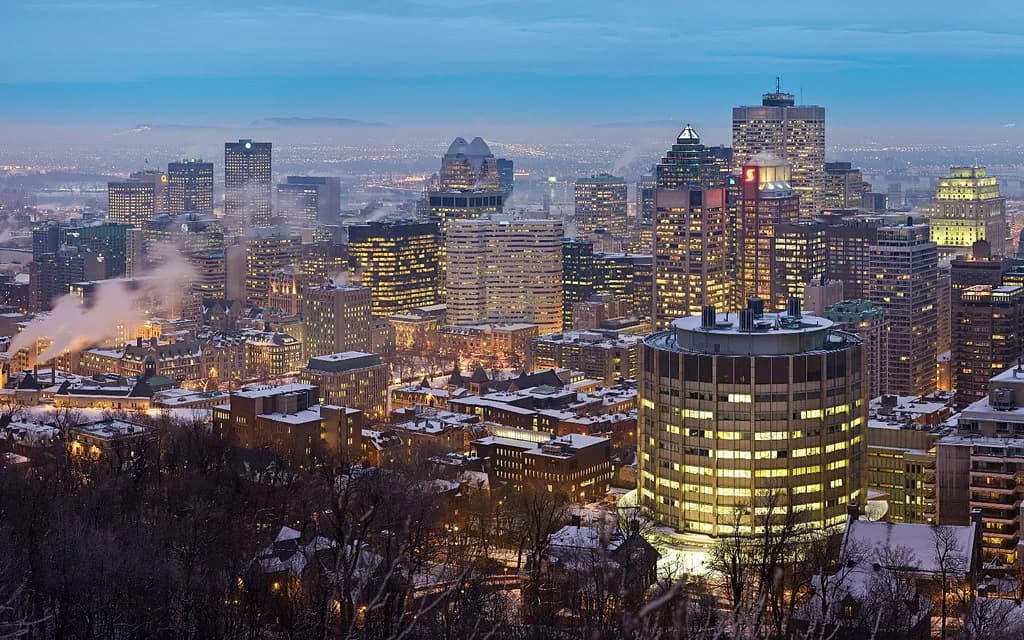
What to Wear in Montreal in July: Summer Packing Guide
Plan what to wear in Montreal in July with layered outfits for hot afternoons, cool evenings, walking days and rain. Pack lighter for summer in the city.
On this page
Montreal in July: the weather in numbers
Typical July conditions from 30 years of daily weather data, split into early, mid and late month so you can match them to your travel dates.
| Dates | Early Jul (1–10) | Mid Jul (11–20) | Late Jul (21–31) |
|---|---|---|---|
| Afternoon high | 24°C (76°F) | 25°C (76°F) | 24°C (76°F) |
| Night-time low | 16°C (60°F) | 16°C (61°F) | 16°C (62°F) |
| Feels like (afternoon) | 24°C (75°F) | 25°C (76°F) | 24°C (76°F) |
| Range of afternoon highs | 20–29°C | 21–29°C | 21–28°C |
| Days with rain | 4 in 10 days | 4 in 10 days | 4 in 10 days |
| Afternoon humidity | 56% | 58% | 59% |
| Average wind | 12 km/h | 11 km/h | 11 km/h |
| Daylight | 15.4 h | 15.2 h | 14.8 h |
What this means for your suitcase
- Warm days: T-shirts and light trousers or skirts, plus one light layer.
- Rain on about 4 in 10 days — a waterproof jacket and water-resistant shoes.
- Day-to-day swings: afternoon highs range from about 21°C to 29°C, so pack for both.
Travelling on specific dates? Use our What to Wear Planner for the weather, outfits and a packing list for your exact days in Montreal.
Averages for 1991-2020, modelled from Copernicus ERA5-Land and ERA5 reanalysis via Open-Meteo open data (CC BY 4.0), adjusted to Montreal's elevation. Modelled afternoon highs can read 1–2°C below airport weather-station records.
Packing for Montreal in July is less about choosing one perfect outfit and more about building a small wardrobe that shifts as the day changes. Travellers describe warm afternoons in shorts and t-shirts, but also cool mornings and evenings that call for a hoodie or light jacket, plus an umbrella for rain. Treat the month as a layering problem: start light, add a thin layer when needed, and keep rain protection within reach.
The city encourages a lot of walking, from Old Montreal's cobblestone streets to the waterfront and neighbourhood blocks, so footwear and fabric choice matter as much as style. Summer outfit reports from trips to the city highlight comfortable shoes worn for hours and breathable tops paired with shorts, skirts or dresses. The goal is a compact set of pieces that works for sightseeing, casual dining and time outdoors without requiring a separate wardrobe for each day.
This guide treats outfit combinations as practical suggestions, not rules about what locals wear or what any venue requires. It also avoids guessing exact temperatures or rainfall totals; instead, it explains what to check before departure and how to adapt once you arrive. If you are comparing seasons, our guide to what to wear in Montreal in April shows how much cooler and wetter spring packing can be.
How July Tends to Feel in Montreal
Historically, July sits in Montreal's warmest stretch of the year, with comfortable to hot daytime conditions and noticeably cooler air after sunset. Forum advice for July trips describes exactly this split: shorts and t-shirts for hot afternoons, pants for cooler days, and a hoody or light jacket for cool mornings and evenings. Because these are seasonal tendencies rather than a forecast, check an updated local forecast for your specific dates before you finalise your bag.
Humidity is part of the summer feel in Montreal, and it affects fabric choice more than it affects the number of items you pack. Breathable materials such as cotton, linen and light blends dry faster and feel less clingy during a long walking day. If you run warm, prioritise loose cuts and quick-drying fabrics; if you chill easily, add one thin insulating layer rather than a heavy sweater.
The day-to-evening swing is the single most important packing consideration for July. A morning start can feel cool enough for a light layer, midday can feel hot, and an evening walk along the water or through a park can bring the cool air back. Build outfits that survive all three phases by keeping one thin layer and one small rain item in your day bag rather than returning to your accommodation to change.
Build the Core: Breathable Tops, Shorts, Pants and Skirts
Start with three to four breathable tops that can pair with everything else in the bag. Tank tops, short-sleeve tees and lightweight button-downs work well, and a slightly elevated white or striped top adds polish for an evening meal without adding bulk. Summer outfit reports from Montreal show tank tops with shorts, cotton maxi skirts, floral midi dresses and denim mini skirts as common, comfortable combinations for sightseeing and dining.
For bottoms, bring a mix rather than five pairs of shorts. One or two pairs of shorts handle hot afternoons, one pair of lightweight pants or jeans covers cooler days and air-conditioned interiors, and a skirt or dress gives you an easy one-piece option for warmer evenings. This combination matches the July forum advice to pack shorts, pants and comfortable walking shoes rather than committing to a single hot-weather uniform.
If you want to lean into the local look, relaxed denim, slip skirts, elevated white tops and classic sneakers appear frequently around the city, with a casual, laid-back approach rather than formal dressing. Treat these as style suggestions rather than a dress code, and prioritise what you will actually wear repeatedly on a walking-heavy trip. A small capsule of mix-and-match pieces beats a large bag of single-use outfits.
Choose colours and fabrics that hide travel wear: mid-tones, small prints and slightly textured weaves show less creasing and spotting than very light solids. Quick-drying blends are useful if you plan to rinse items in a hotel sink, and they pack smaller than heavy cotton. Two or three well-chosen bottoms that match every top will keep your luggage light.
Layering for Cool Mornings, Air-Conditioned Spaces and Evening Walks
One hoodie or light jacket is usually enough, and the July forum discussion specifically suggests a single hoody that you can start the morning with and remove as the afternoon warms up. That advice also covers cool mornings and evenings, when a thin layer makes a real difference. Choose something that packs flat, such as a lightweight knit, a thin fleece or an unlined jacket.
Air-conditioned interiors, including museums, shops and transit, can feel noticeably cold when you are dressed for a hot street. A light layer that lives in your day bag solves this without adding a second jacket to your luggage. If you run cold, add one thin long-sleeve top rather than a bulky sweater, and wear it over a tank or tee when needed.
For evening plans, a slightly dressier top or a simple dress with flat shoes covers most casual restaurants and terraces while staying comfortable. Keep the layer strategy the same: start with breathable pieces and add the thin layer as the temperature drops. This avoids packing a separate evening wardrobe and keeps your bag manageable.
Footwear for Cobblestones, Long Walking Days and Transit
Comfortable walking shoes are the most repeated piece of July advice for Montreal, and for good reason: you will likely cover several kilometres a day on a mix of pavement, cobblestones and park paths. Forum guidance pairs shorts and light clothing with comfortable walking shoes, and summer trip reports note that all shoes worn were comfortable for lots of walking. Prioritise a broken-in pair over a new one.
Cobblestones in Old Montreal and uneven waterfront surfaces punish thin soles and loose sandals on long days. A supportive sneaker or walking shoe with a grippy sole handles these surfaces better, while a pair of sandals works for shorter outings or evenings. If you bring sandals, choose ones with a secure strap rather than a flip-flop, and test them before the trip.
Plan on two pairs of footwear at most for a short trip: one walking shoe and one lighter option for evenings or warm days. Rotating pairs helps shoes dry if you get caught in rain and reduces the chance of blisters from wearing the same pair every day. Pack blister plasters, but consider them a backup rather than a substitute for well-fitting shoes.
Socks matter more than most people expect in summer. Thin, moisture-wicking socks reduce friction on long walking days, and a spare pair in your day bag is useful if your feet get wet in a sudden shower. If you are travelling in a cooler shoulder season instead, our October guide covers the heavier footwear that autumn weather calls for.
Rain and Sudden Thunderstorms: What to Carry and What to Skip
Summer rain in Montreal can arrive with little warning, so the forum advice to keep an umbrella with you is practical rather than alarmist. A compact umbrella or a lightweight rain shell fits in a day bag and turns a washed-out afternoon into a manageable one. Take the shell over a heavy raincoat, and skip bulky waterproof trousers unless you have a specific outdoor plan.
A rain shell doubles as a windbreaker on cool evenings and as an extra layer when the temperature drops, which earns it a place in a compact bag. Choose one that packs into its own pocket and has a hood, so you can leave the umbrella behind on days when the sky looks settled. If you prefer an umbrella, pick a small folding model and check that it fits your day bag's side pocket.
When rain hits, protect the items that suffer most: shoes, a day bag and electronics. A water-resistant day bag or a simple cover keeps your layers dry, and a dry bag or zip pouch protects a phone and passport. If your shoes get soaked, stuff them with newspaper overnight and rotate to your second pair the next morning.
Festival and Crowd Days: Comfort, Personal Space and Practical Bags
July is a busy month for festivals and outdoor events in Montreal, so expect crowded streets, packed transit and long periods on your feet. Dress for standing and walking in warm conditions: breathable tops, comfortable shoes and a light layer for the evening when the event runs late. Choose what keeps you comfortable in a crowd.
A small crossbody bag or a compact daypack works better than a large tote in crowds because it keeps your hands free and your valuables close. Carry only what you need: a water bottle, a light layer, rain protection and your phone. Leave the oversized camera bag and the spare outfit at your accommodation on event days.
Personal space shrinks at popular events, so avoid trailing scarves, long loose straps and anything that catches on people or barriers. Closed-toe shoes are a sensible choice on crowded grounds where you may be stepped on. A cap or hat helps with sun exposure during long outdoor afternoons, though it is not a substitute for checking the forecast and planning shade breaks.
A Compact Packing Example for a Short Trip
For a three- to four-day July trip, build around a five-to-seven piece capsule that mixes and matches. Pack three breathable tops, one pair of shorts, one pair of lightweight pants, one skirt or dress, one thin layer and one light rain shell. Add three to four pairs of underwear and socks, one walking shoe, one sandal or second light pair, and a compact toiletries kit.
This set covers a hot sightseeing day, a cooler morning, an air-conditioned museum visit, a casual dinner and a rainy afternoon without a second bag. If your trip runs longer, add one more top and one more bottom rather than a whole new outfit category, and plan to rinse quick-drying items midway. A small wardrobe that covers a wide temperature range keeps you carry-on only.
Use packing cubes or compression bags to keep the capsule organised, and roll softer fabrics to reduce creasing. Wear your bulkiest shoes and heaviest layer on the flight to save space. Leave room for one or two small souvenirs, especially if you plan to browse Montreal's boutiques and markets.
What to Leave at Home
Skip the heavy sweater, the thick jeans you only wear in winter and the bulky waterproof coat. July in Montreal calls for light layers, and a heavy knit will take up space without earning it. If you are planning a winter trip instead, our guide to packing for Montreal winter activities covers the opposite problem and a very different kit.
Leave the formal outfit at home unless you have a confirmed reservation that specifies one. The evidence on restaurant dress expectations is mixed and anecdotal, and no venue requirement should be assumed. If you are unsure about a specific restaurant, check directly with the venue before you travel rather than packing a suit or heels on speculation.
Do not pack multiple pairs of shoes for every outfit, a large beach towel or more than one umbrella. Montreal's summer is a city trip rather than a beach holiday, and the walking-heavy days favour a small, tested kit. Extra items add weight and reduce the flexibility you actually need.
Before You Go: Checking the Forecast and Adapting Day by Day
Check a local forecast for Montreal in the days before departure and again each morning of your trip. Since July conditions can shift from warm and humid to cooler and wet, treat your packing list as a starting point rather than a fixed plan. Adjust your day bag each morning based on what the forecast shows for the hours you will be outside.
If the forecast calls for a cooler stretch, lean on your pants and thin layer; if it looks hot and dry, prioritise breathable tops and your lightest bottoms. Keep the rain shell and a compact umbrella in the bag regardless, since summer showers can develop quickly. A daily check takes two minutes and prevents both overpacking and underpacking.
If you are also comparing other warm-weather city trips, the same layering logic applies in different forms, as our tips on what To wear Seville in July show for a hotter, drier setting. The constant across destinations is a breathable core, a thin layer and shoes you can walk in all day. For Montreal specifically, keep the plan flexible and let the daily forecast guide the final choices.
Plan Your Visit
The most useful July packing decision for Montreal is to build around a breathable core, add one thin layer and keep rain protection in your day bag. Choose footwear for long walking days on mixed surfaces, and pack a small capsule that mixes and matches rather than a separate outfit for every plan. That approach handles hot afternoons, cool evenings, air-conditioned interiors and sudden showers without weighing you down.
Before departure, verify current conditions with a local forecast and check any specific venue directly if you are unsure about its expectations. Treat the outfit ideas here as suggestions, not rules, and adjust them to how you personally handle heat and cold. A light, flexible bag leaves room for the city itself, including time along the Saint Lawrence River and in its neighbourhoods.
Frequently Asked Questions
What should I pack for Montreal in July?
Pack three to four breathable tops, one or two pairs of shorts, one pair of lightweight pants, a skirt or dress, one thin layer such as a hoodie or light jacket, and a compact umbrella or rain shell. Add comfortable walking shoes, a lighter second pair for evenings and quick-drying socks. This capsule covers hot afternoons, cool mornings and evenings, and sudden rain without overpacking.
Do I need a jacket in Montreal in July?
A light layer is worth bringing for cool mornings and evenings, air-conditioned interiors and breezy waterfront walks. A hoodie or thin jacket that packs flat is usually enough. If you run cold, add one thin long-sleeve top rather than a heavy sweater.
What shoes should I wear in Montreal in July?
Choose a broken-in, supportive walking shoe for cobblestones, pavement and long sightseeing days. A second, lighter pair for evenings or short outings gives your feet a break and lets shoes dry if they get wet. Avoid thin-soled sandals for full days of walking.
Should I bring an umbrella to Montreal in July?
A compact umbrella or lightweight rain shell is a practical item to keep in your day bag, since summer showers can arrive with little warning. A shell also works as a windbreaker on cool evenings. Choose one small enough to carry daily rather than a large umbrella you will leave behind.
Is it okay to wear shorts in Montreal in July?
Shorts are a comfortable and common choice for warm daytime sightseeing, and there is no verified rule against them. Forum opinions about restaurant dress vary and are anecdotal, so if you have a specific venue in mind, check directly with it before you travel. Packing one pair of lightweight pants alongside shorts gives you flexibility.
How hot does it get in Montreal in July?
July is historically Montreal's warmest stretch, with warm to hot daytime conditions and cooler evenings, but conditions vary from year to year. Check an updated local forecast shortly before departure and again during your trip. That is more reliable than any seasonal average for deciding what to wear on a given day.
Can I pack light for a July trip to Montreal?
Yes. A small capsule of breathable tops, two bottoms, one skirt or dress, one thin layer and one rain item covers most July days. Wear your bulkiest shoes and heaviest layer on travel days, and use packing cubes to keep everything organised. If you stay longer, add one or two pieces rather than a second wardrobe.
Sources
Free: The Ultimate Packing Cheat Sheet
A carry-on capsule wardrobe, the complete packing checklist, layering made simple, and what to wear by season — one printable page you'll use on every trip.
You might also like


Continue reading
More guides you'll find useful