What to Wear in York in November: Layers, Boots and Rain Gear
Pack for York in November with a warm mid-layer, a waterproof outer, grippy boots and early-dark layers for damp days around the Minster, walls and riverside.
On this page
York in November: the weather in numbers
Typical November conditions from 30 years of daily weather data, split into early, mid and late month so you can match them to your travel dates.
| Dates | Early Nov (1–10) | Mid Nov (11–20) | Late Nov (21–30) |
|---|---|---|---|
| Afternoon high | 11°C (51°F) | 9°C (49°F) | 8°C (46°F) |
| Night-time low | 5°C (41°F) | 4°C (39°F) | 3°C (37°F) |
| Feels like (afternoon) | 7°C (44°F) | 5°C (41°F) | 4°C (38°F) |
| Range of afternoon highs | 8–14°C | 6–13°C | 4–12°C |
| Days with rain | 4 in 10 days | 4 in 10 days | 4 in 10 days |
| Afternoon humidity | 71% | 72% | 74% |
| Average wind | 16 km/h | 16 km/h | 16 km/h |
| Daylight | 8.8 h | 8.2 h | 7.7 h |
What this means for your suitcase
- Cold days: a winter coat, hat, gloves and a thermal base layer.
- Cold nights can dip below freezing — pack a hat and gloves.
- Showers on roughly 4 in 10 days — a packable rain jacket or compact umbrella.
Travelling on specific dates? Use our What to Wear Planner for the weather, outfits and a packing list for your exact days in York.
Averages for 1991-2020, modelled from Copernicus ERA5-Land and ERA5 reanalysis via Open-Meteo open data (CC BY 4.0), adjusted to York's elevation. Modelled afternoon highs can read 1–2°C below airport weather-station records.
York in November usually brings cool, damp, grey days. Historical climate records show November as one of the less favourable months for weather in the city, with daytime highs averaging around 9°C (about 48°F) and lows near 6°C (about 43°F), plus meaningful rain across the month. Build your clothing around staying warm while damp, then adjust to the forecast you actually get.
That mix of wet stone, riverside mud and early darkness drives the packing decisions in this guide: a warm mid-layer, a waterproof outer, grippy footwear and small warm extras. Treat every figure here as a seasonal tendency, not a forecast, and check conditions before you travel.
November conditions in York and what they mean for packing
November in York typically stays in the single digits Celsius. Historical records place average daytime highs near 9°C (48°F) and lows near 6°C (43°F), with roughly 69 mm of rain across the month and November listed among the least favourable months for weather. That combination means a dry morning can turn into a drizzly afternoon, so an outer layer that sheds rain matters more than a single heavy coat.
Two local factors sharpen your kit. First, the medieval centre is built from cobbles, worn flagstones and steps that turn slick in the wet, so tread matters. Second, the Ouse-side walking routes can turn muddy and slippery after rain. Add early darkness and you want warm layers you can move in, plus footwear you trust on uneven ground.
The layering system for York in November
The most reliable approach is three layers: a base layer that moves sweat away from your skin, a warm mid-layer, and a waterproof outer shell. Layering lets you shed or add warmth as you move between cold streets and heated interiors, a pattern travellers also recommend for comparable late-autumn city breaks.
For the mid-layer, a wool jumper, fleece or thin insulated jacket offers the best warmth-to-bulk ratio and packs down small. Avoid a bulky single knit you cannot easily remove indoors, and skip cotton base layers, which feel cold once damp. Two mid-layer options for a short trip gives you a dry spare without overpacking.
If you are still assembling basics, a broader York packing list can help you match layers and footwear to the city before you finalise this trip's kit.
Outerwear for drizzle, wind and narrow lanes
A waterproof, wind-resistant jacket with a hood is the single most useful outer layer for November in York. The rain tends to be light and persistent rather than dramatic, so a shell that repels drizzle and blocks wind keeps you comfortable for hours outdoors. Choose one long enough to cover your hips and roomy enough to layer over a jumper.
An umbrella and a hood do different jobs. Narrow lanes and snickelways can funnel wind and invert a canopy, while exposed stretches of the city walls offer little shelter. A compact umbrella suits calmer, more built-up streets, but a hood is more dependable in the open and in gusty passages. Many visitors carry both and choose by the day's route.
Footwear for wet cobbles, steps and riverside paths
York's centre is a network of cobbles, stone flagstones and short flights of steps that become slippery in the wet, so choose waterproof walking shoes or boots with a grippy sole and enough support for uneven ground. Smooth-soled fashion boots and ballet flats are a poor match for damp stone. If you are weighing tread and materials, there are more detailed footwear notes on this site.
Riverside paths are especially prone to mud and standing water after rain, so tread depth counts. A boot with a deeper lug pattern copes better with muddy stretches than a trainer. Pack a plastic bag for dirty footwear and let wet boots dry away from direct heat so the materials do not crack.
Warm extras worth the space
A scarf, hat and gloves make a disproportionate difference when you are standing still at an outdoor viewpoint or walking after dusk. Choose a scarf that covers your neck and tucks inside a jacket collar, and a hat that stays put in wind. Gloves let you handle a phone or camera without frozen fingers, and a compact pair is easy to keep in a pocket.
A small crossbody bag keeps essentials dry and your hands free, and a reusable tote holds a wet umbrella or damp scarf away from the rest of your kit. These are practical suggestions rather than local conventions, so pick what suits how you handle cold and wet. The aim is comfort on long outdoor stretches.
Outfit combinations for a day mostly outdoors
For a day built around outdoor sightseeing, wear a thermal base layer under a jumper, add a waterproof shell with the hood up, and wear waterproof walking boots. Add a scarf, hat and gloves, and carry a compact umbrella for calmer moments. This combination handles cold wind, drizzle and wet ground while keeping you mobile.
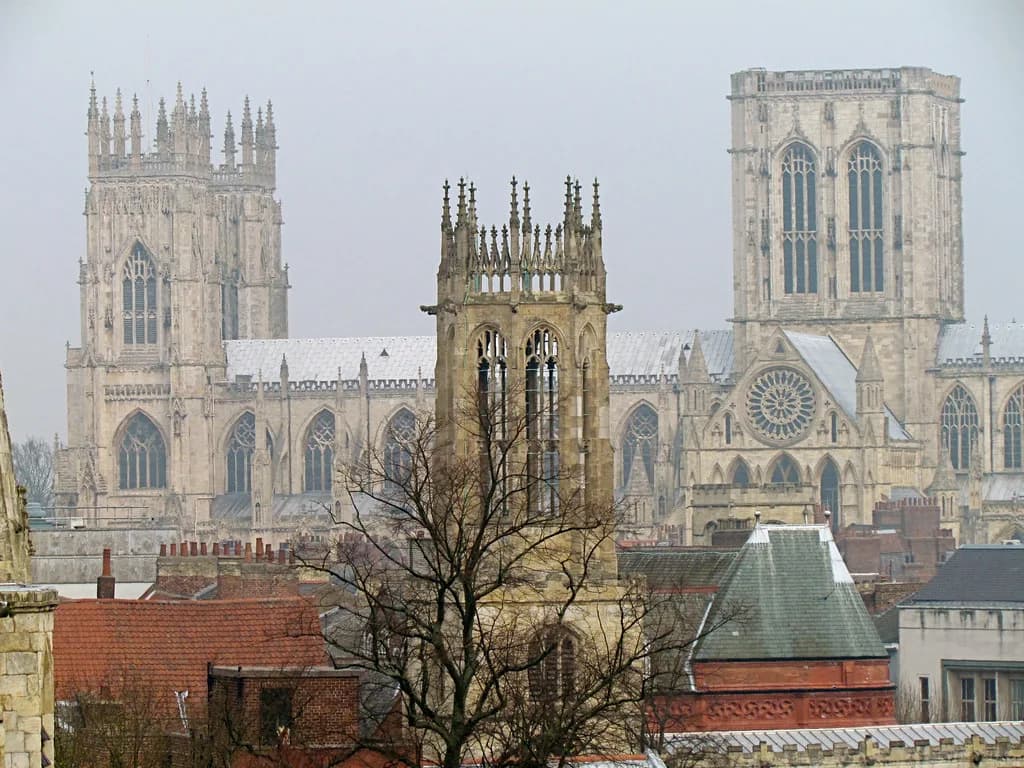
If your route includes the Minster or a stretch of the city walls, keep layers thin enough to move comfortably and easy to remove once you step inside. Stone floors and stairwells can feel cold underfoot, so a firm-soled shoe helps indoors as well as out. A small daypack with water and a spare base layer covers longer walks.
Outfit combinations for a day of indoor stops and short walks
When your day mixes shops, museums and short hops outside, start with a base layer and a lighter jumper, then add a waterproof jacket you can wear or stow. This keeps you comfortable in warm interiors without overheating. Quick-drying trousers or jeans and all-day-walkable boots round out the outfit.
Swap heavy boots for a supportive waterproof shoe if you expect more pavement than path, and keep a scarf in your bag for cooler spells. With darkness arriving mid-afternoon in November, carry a small torch or use your phone if you will be out after dusk. Let your plans, not a fixed checklist, set the layers.
Layers for early-dark evenings
November evenings in York are dark and often damp, so plan one extra warm layer for after-sunset walks. A compact insulated jacket or a second jumper under your waterproof shell adds warmth without much weight, and a hat and gloves matter more at night when wind feels sharper.
If you walk near the river or along quiet lanes after dark, choose footwear with reliable grip and stick to lit routes. Light-coloured or reflective details on your outer layer help drivers and cyclists see you. You do not need specialist gear, just layers that keep you warm while you navigate dim stretches.
A two- to three-day packing example
For two or three days in York, pack two base layers, one warm mid-layer and one waterproof shell, then wear or carry a second mid-layer if a cold snap is likely. Add one pair of waterproof walking shoes or boots, two pairs of trousers or jeans, and socks and underwear for the trip plus one spare. A scarf, hat and gloves complete the kit.
Keep it to one carry-on-sized bag if you can, since compact luggage is easier on trains and over cobbles. Use packing cubes or stuff sacks to separate damp items, and include a small umbrella, a reusable tote and a plastic bag for wet footwear. This example scales up or down with the forecast and your own tolerance for cold.
What to leave behind
Leave behind heavy, single-purpose clothing you cannot layer, such as a thick wool coat that fills most of your bag. Skip smooth-soled fashion shoes, suede boots and any footwear you would not want to get wet or muddy. Cotton jeans are fine, but several pairs of cotton trousers stay damp for hours and are not worth the weight.
You also do not need insulated wellington boots or specialist waterproof trousers for a typical city visit, since the centre is compact and indoor stops let you dry off. Leave the oversized umbrella that fights you in narrow lanes, and skip bulky camera gear you will not carry in the rain. Pack for the conditions you expect, not every possibility.
Check the forecast before you zip the bag
Before you finish packing, check a short-range forecast for York and adjust your layers to it. Look at the expected high and low temperatures, the chance of rain and the wind, because these decide how warm your mid-layer needs to be. Mild, dry days let you travel lighter; a cold, wet spell means adding the warmer mid-layer and thicker socks.
Check sunrise and sunset times as well, since November daylight is short and early darkness affects how long you spend outdoors. Make the forecast check the last thing you do before closing your bag. It is more useful than any fixed list, because conditions vary from year to year.
How this fits the York packing guides
This guide is tuned to November's cool, damp conditions and short days. If you are travelling later in the winter season, the guide covering what to wear in York in December addresses colder temperatures and the festive period. If your trip falls in spring, the March and June guides address warmer, brighter conditions and different footwear decisions.
Plan Your Visit
Packing for York in November comes down to three things: layering, waterproofing and grip. Build around a base layer, a warm mid-layer and a waterproof shell, then add boots that handle wet stone and riverside paths. A scarf, hat and gloves make long outdoor stretches far more comfortable, and a compact kit keeps you mobile.
Check the forecast and daylight times before you leave, then adjust layers rather than packing for every possibility. Leave behind heavy coats, smooth-soled shoes and anything you would not want to get wet. With the right small kit, cool, damp November days in York are easy to enjoy.
Related packing guides
- York Packing List: What to Wear for Cobbles, Walls and Rain
- What to Wear in York in December: Cold-Weather Packing
- What to Wear in York in March: Layering for Cold, Changeable Days
- What to Wear in Oxford in November: Layers for Cold, Damp Days
- What to Wear in Ghent in November: Layers for Wet Cobblestones
- What to Pack for Belfast in November: Clothing & Gear Guide
- What to Wear in Bath in November: Packing List & Outfit Ideas
Frequently Asked Questions
What should I wear in York in November?
Dress in layers: a moisture-wicking base layer, a warm jumper or fleece, and a waterproof outer jacket with a hood. Add a scarf, hat and gloves, and choose waterproof walking shoes or boots with a grippy sole for wet cobbles and riverside paths. These are practical suggestions, so check the forecast before you travel and adjust.
Do I need waterproof boots for York in November?
Waterproof walking shoes or boots are the most reliable choice, because the city's cobbles, stone steps and riverside paths can be wet and muddy. A boot with decent tread handles slick surfaces better than a smooth-soled shoe. If you prefer trainers, take a waterproof pair with grip and pack a bag for wet footwear.
Is an umbrella or a hood better for York's narrow streets?
Both have trade-offs. A hood is more dependable in exposed, windy spots such as the city walls, while a compact umbrella is convenient on calmer streets and between stops. Many visitors carry both and switch depending on the route. Avoid large umbrellas that catch the wind in narrow lanes.
How many layers do I need for a November day in York?
Three layers usually work: a base layer, a warm mid-layer and a waterproof outer shell. Carry a spare mid-layer or a compact insulated jacket for evenings and cold snaps. Adding or removing layers as you move between streets and warm interiors keeps you comfortable without overpacking.
What should I leave behind when packing for York in November?
Leave behind heavy single-purpose coats you cannot layer, smooth-soled fashion shoes and suede footwear that dislikes rain. Insulated wellington boots and specialist waterproof trousers are unnecessary for a typical city visit. Skip oversized umbrellas that are awkward in narrow lanes and any gear you will not carry in the rain.
Sources
Free: The Ultimate Packing Cheat Sheet
A carry-on capsule wardrobe, the complete packing checklist, layering made simple, and what to wear by season — one printable page you'll use on every trip.
You might also like


Continue reading
More guides you'll find useful