What to Wear in Valparaiso in November: Late-Spring Layers
Plan what to wear in Valparaiso in November with layers for cool mornings, a wind shell for the port, and sun protection for stronger late-spring daylight.
On this page
Valparaiso in November: the weather in numbers
Typical November conditions from 30 years of daily weather data, split into early, mid and late month so you can match them to your travel dates.
| Dates | Early Nov (1–10) | Mid Nov (11–20) | Late Nov (21–30) |
|---|---|---|---|
| Afternoon high | 16°C (61°F) | 17°C (62°F) | 17°C (63°F) |
| Night-time low | 12°C (54°F) | 13°C (55°F) | 13°C (56°F) |
| Feels like (afternoon) | 14°C (57°F) | 14°C (58°F) | 15°C (59°F) |
| Range of afternoon highs | 15–17°C | 16–18°C | 16–18°C |
| Days with rain | Rare | Rare | Rare |
| Afternoon humidity | 70% | 71% | 70% |
| Average wind | 13 km/h | 13 km/h | 14 km/h |
| Daylight | 13.5 h | 13.7 h | 13.9 h |
What this means for your suitcase
- Mild days: long sleeves with a light sweater or jacket you can take off at midday.
Travelling on specific dates? Use our What to Wear Planner for the weather, outfits and a packing list for your exact days in Valparaiso.
Averages for 1991-2020, modelled from Copernicus ERA5-Land and ERA5 reanalysis via Open-Meteo open data (CC BY 4.0), adjusted to Valparaiso's elevation. Modelled afternoon highs can read 1–2°C below airport weather-station records.
Valparaiso in November sits between the cooler, less stable spring of September and the dry peak summer of January. That middle position matters more than the calendar label: mornings still carry a chill, afternoons often turn genuinely warm, and the month tends to dry out and clear as it progresses.
This is a packing guide for that specific ramp, not a general spring list. The goal is a carry that stays useful from an early cerro walk to a late portside afternoon without hauling a heavy jacket you shed by noon.
November Conditions in Valparaiso: What Changes Across the Month
November is late spring on Chile's central coast, and the season is warming rather than peaking. Historical monthly summaries for Valparaiso list daytime highs around 19 degrees Celsius (66 degrees Fahrenheit) and overnight lows near 11 degrees Celsius (52 degrees Fahrenheit), with roughly one rainy day and about 8 millimeters of rain across the month; treat these as seasonal tendencies rather than a forecast for your dates.
Sunshine trends upward through the month, and the afternoons generally turn dry and breezy. November is often described as a peak-clarity month with comfortable walking conditions and clear skies, and crowds build without reaching the December peak, but coastal fog and wind can still interrupt an otherwise clear day, so check the forecast close to departure rather than assuming a uniform pattern.
The practical signal is a day with a cool start, a warm middle, and a breezy finish near the water. Packing for all three moments is the entire job in November.
Build the Core Outfit Around Three Removable Layers
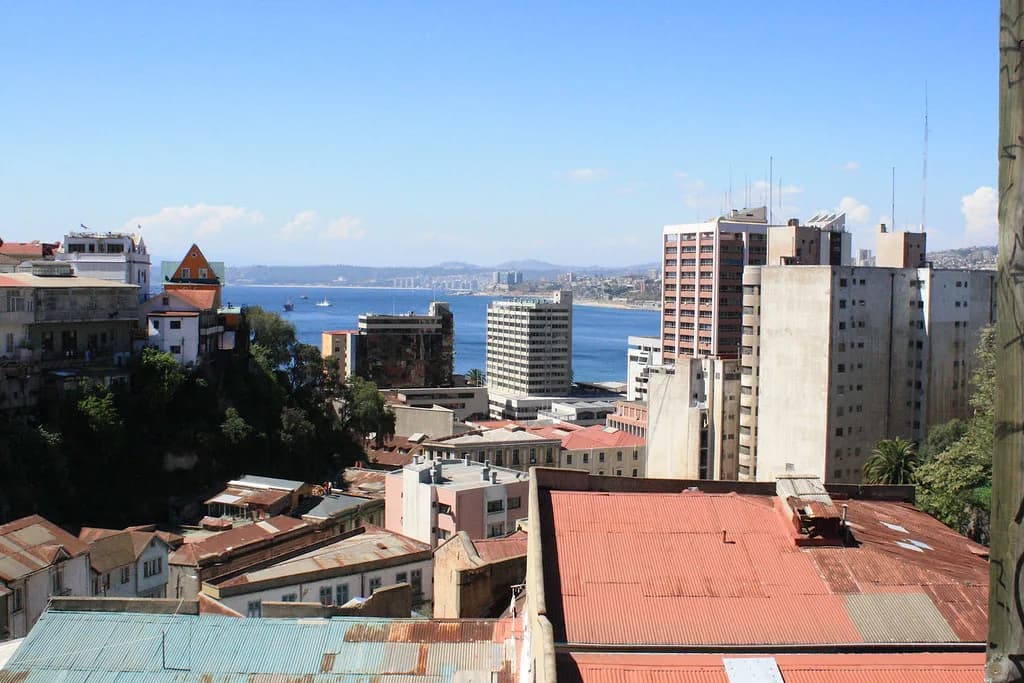
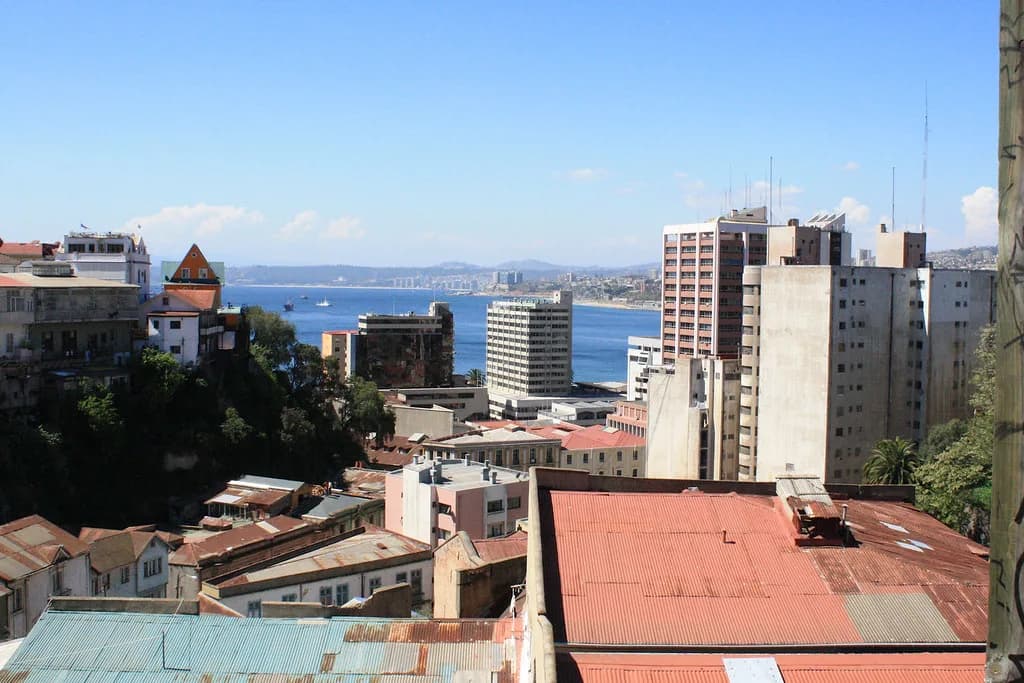
Skip the single heavy jacket and build a three-layer system you can strip down. Start with a light base layer, add a mid-layer such as a thin fleece or knit, and finish with a packable wind shell that blocks coastal breeze without trapping heat.
The wind shell earns its place because exposed viewpoints and the port area funnel sea air, while sheltered stairways between colorful houses can feel still and warm. A shell you can roll into a daypack beats a bulkier coat you have to carry once the afternoon sun arrives.
Choose pieces that work together in any combination, because you will likely add and remove layers several times in one day. Neutral colors and quick-drying fabrics also make a small bag go further.
Morning-to-Afternoon Transitions: Shed and Re-add Without Dead Weight
Assume a cool start and plan to shed by mid-morning. A light base layer plus a mid-layer handles the first hours, and the wind shell can be tied around your waist or packed away once the sun is fully up.
Keep the shed layer accessible rather than buried at the bottom of a bag. A small daypack or a tote that sits close to your body makes the transition quick, which matters on stairways where you may not want to stop and repack.
By late afternoon, expect the breeze to return near the water, so re-adding the shell is normal rather than a sign the day is cooling off completely. Planning for that rhythm keeps you comfortable without overpacking.
Wind Shell Choices for the Port, Viewpoints, and Open Ridgelines
Not every shell performs the same way in Valparaiso. A lightweight, packable windbreaker with a full zip and a hood handles most November afternoons, while a heavier waterproof shell is more than you need unless rain is actually in the forecast.
Look for a shell that blocks wind without adding much warmth, because the goal is to take the edge off the breeze rather than insulate. Pit zips or a loose cut help you vent when you are moving uphill and the sun is out.
If you plan to spend time at open overlooks or along the waterfront, prioritize a shell you can wear over your mid-layer without feeling tight. That way one piece covers both the breezy port and the warmer, sheltered hillside streets.
Sun Protection for Stronger Late-Spring Daylight
Daylight lengthens through November and the sun is climbing toward summer strength, so sun protection is a real packing decision rather than an afterthought. A brimmed hat, sunglasses, and sunscreen belong in the bag even on a breezy morning that does not feel hot.
A light long-sleeve layer solves two problems at once: it covers your arms when the sun is direct and doubles as a base layer when the morning is cool. Choose a breathable fabric so it does not feel heavy by midday.
Sunscreen is easy to forget on a city day, but ultraviolet levels in Chile can be high even when the air feels mild.
Footwear Trade-offs for Hillside Stairs and Street-Art Wandering
Valparaiso is a vertical city, and the pavement between murals and viewpoints includes uneven stairs, steep lanes, and cobbled stretches. Supportive walking shoes with grippy soles are the safest default, especially if you plan to cover several cerros in one day, and the street art and hillside hiking gear you already own usually covers both the murals and the overlooks.
If you want something lighter for casual wandering, a pair of closed-toe shoes with decent tread is still a better choice than sandals or smooth-soled flats. Save the dressier option for a meal or an evening out rather than a full day of hills.
Break in your shoes before the trip, because new footwear plus steep stairs is a bad combination. A single well-chosen pair usually covers both the street-art neighborhoods and the waterfront.
What to Leave Behind in November
Leave the heavy winter coat at home; November afternoons are too warm for it, and you will end up carrying it. The same goes for thick sweaters that cannot be layered under a shell.
Skip bulky rain gear unless the forecast calls for a wet spell. The month trends drier, and a compact travel umbrella or a light shell is usually enough. Multiple pairs of heavy shoes also add weight without adding much value.
Resist packing for peak summer either. Beachwear and very light shorts are less useful than a comfortable mid-layer you can wear in the morning and again after the breeze returns.
A Compact Five-Day Packing Example for a November Trip
For a five-day trip, start with three base layers, two mid-layers, and one packable wind shell. Add one pair of supportive walking shoes, one lighter pair for evenings, and a compact daypack for the layers you shed.
Round out the bag with a brimmed hat, sunglasses, sunscreen, a refillable water bottle, and a light long-sleeve shirt for sun coverage. A small umbrella or compact rain shell handles the occasional wet day without taking much space.
This mix lets you recombine the same pieces across the week, which keeps the bag light while still covering cool mornings, warm afternoons, and breezy evenings.
Before You Go: Checking the Forecast and Adjusting Your Plan
A few days before departure, check a reliable forecast for Valparaiso and adjust the layer count accordingly. If a rainy spell is predicted, add a compact rain shell or umbrella; if the trend is warm and clear, you can leave the heavier mid-layer behind.
Pack for the range rather than a single temperature, since November days often swing from cool to warm. A flexible three-layer system absorbs that swing better than any single piece of clothing.
If you are also weighing a later trip, the shift toward dry summer is more pronounced by January, while September remains cooler and less stable. November is the transition, so pack for change rather than extremes.
Plan Your Visit
November in Valparaiso rewards a light, adaptable bag over a heavy one. Build around three removable layers, add a packable wind shell for the port and viewpoints, and bring sun protection for the stronger late-spring daylight.
Footwear matters as much as clothing here, so choose supportive shoes with grip and save the lighter pair for evenings. Check the forecast close to departure and adjust the layer count, then let the day-to-day rhythm of cool mornings and warm afternoons guide what you carry.
Related packing guides
- What to Pack for Valparaíso: Hill City Packing Guide
- What to Wear in Valparaíso in September: Spring Layering Guide
- What to Wear in Valparaiso in January: Summer Packing
- What to Wear in Valparaíso for Walking the Cerros
- What to Wear in São Paulo in November: Layers and Rain Gear
- What to Wear in Bogotá in November: Layers for Cool, Wet Days
- What to Wear in Arequipa in November: Layering & Rain-Ready Packing
- What to Wear in Buenos Aires in November: Spring Packing Guide
Frequently Asked Questions
What should I wear in Valparaiso in November?
Plan a three-layer system: a light base layer, a mid-layer such as a thin fleece or knit, and a packable wind shell. This combination handles cool mornings, warm afternoons, and breezy evenings near the port without forcing you to carry a heavy jacket.
Do I need a jacket in Valparaiso in November?
A light wind shell is more useful than a heavy jacket. November afternoons are often warm enough to shed outer layers, but a shell earns its place when you are at exposed viewpoints or along the waterfront where the breeze picks up.
Does it rain in Valparaiso in November?
November is generally one of the drier months on Chile's central coast, but it is not completely dry. A compact umbrella or light rain shell is a reasonable precaution, and you should check the forecast before departure to see whether a wetter spell is expected.
What shoes should I pack for Valparaiso's hills?
Choose supportive walking shoes with good grip for the steep streets, stairs, and cobbled lanes. A single well-chosen pair usually covers both the street-art neighborhoods and the waterfront, and you can add a lighter pair for evenings.
Is November a good time to walk the hills of Valparaiso?
November is often comfortable for walking because daytime temperatures are mild and daylight is long. Conditions can vary, so check the forecast and plan your longest walks for the middle of the day when the morning chill has lifted.
Sources
Free: The Ultimate Packing Cheat Sheet
A carry-on capsule wardrobe, the complete packing checklist, layering made simple, and what to wear by season — one printable page you'll use on every trip.
You might also like


Continue reading
More guides you'll find useful