What to Pack for a Valparaíso Port and Nightlife Evening
Plan a Valparaíso evening outfit for port bars and bohemian hillside nightlife: grippy shoes, adjustable layers, a zipped cross-body bag, and windproof cover.
On this page
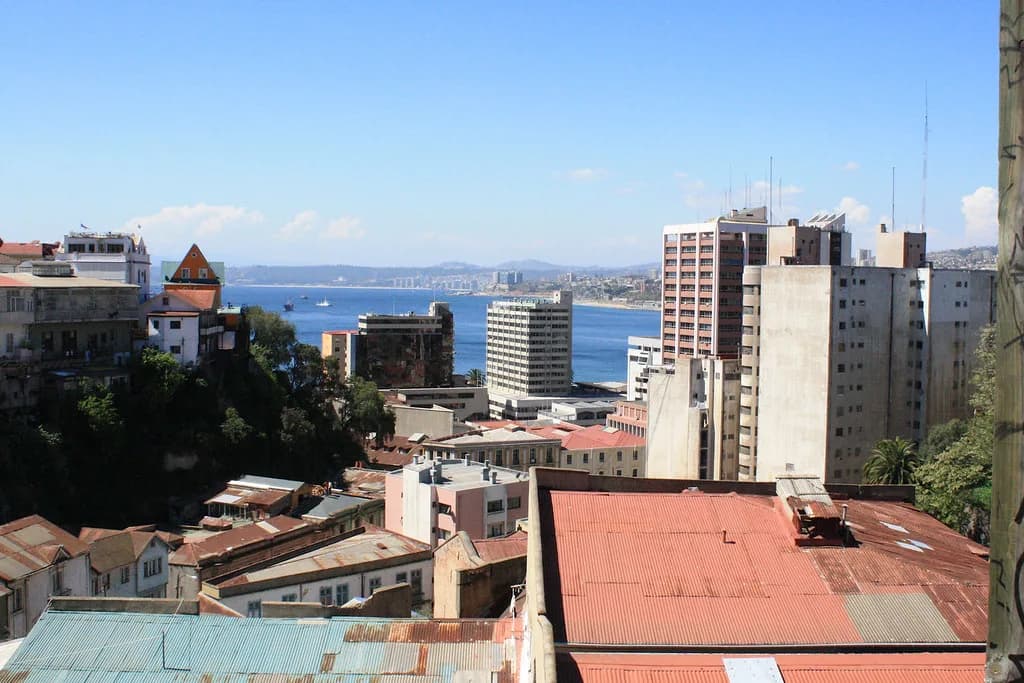
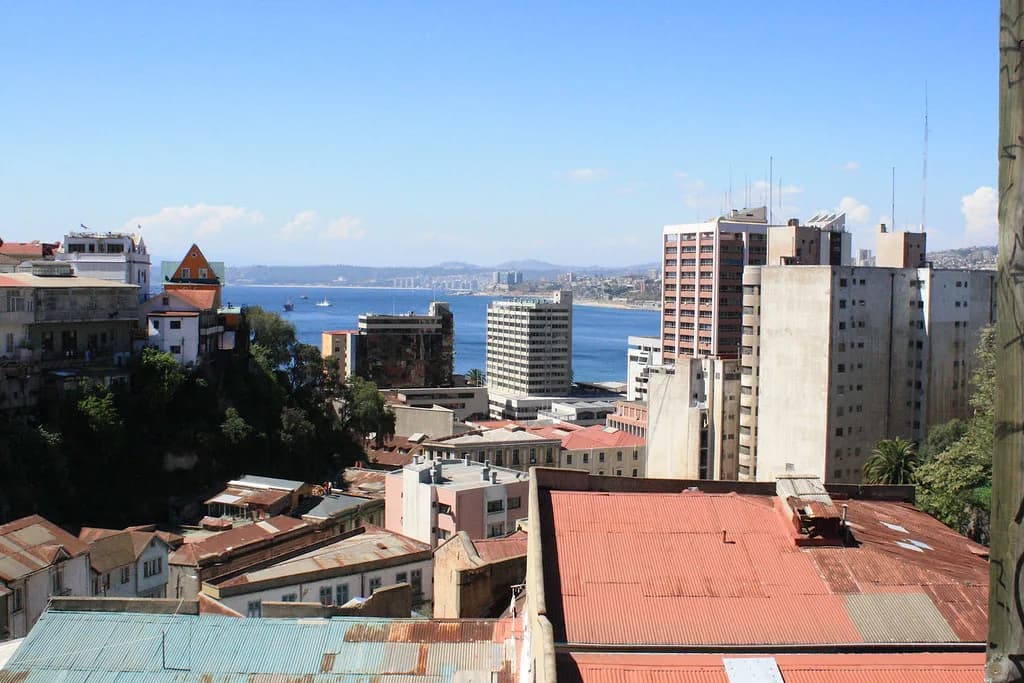
A Valparaíso evening rarely stays in one place. You might start on the flat port side, climb toward Ecuador Street, and end on a cerro terrace where the ocean wind cuts across the table. That movement shapes what to pack far more than any single venue does.
Daytime sightseeing layers usually fail at night for two reasons: you overheat on the stairs and freeze once you stop. If you are building a broader wardrobe for the trip, start with the essentials on what to pack for Valparaiso, then treat this evening plan as a separate packing problem.
The choices below are editorial outfit suggestions, not rules. Where a venue or authority publishes a requirement, check that source directly rather than relying on a general guide.
Why a Valparaíso Evening Needs Its Own Packing Plan
Valparaíso sits at 33 degrees south, and the Humboldt Current keeps this coast cooler than the latitude suggests. A detailed packing guide for the city describes the cold current holding temperatures roughly between 12 and 22 degrees Celsius — about 54 to 72 degrees Fahrenheit — year round while generating persistent coastal wind and the low grey garua fog that rolls over the cerros regularly. That is a seasonal tendency, not a forecast, and it explains why a daytime outfit built for sun exposure is often the wrong base for a night spent standing outside.
The evening also involves more vertical gain than a flat city night out. The same guide notes that much of the connective tissue between cerro streets is stairs: uneven, worn concrete and stone, often without handrails and frequently wet, with gradients that would be closed to traffic elsewhere. Budgeting layers for a climb, not just for a taxi-to-table evening, changes the whole list.
Bars on and around Ecuador Street are often described as the city's bar street, with a casual, relaxed crowd and a strong craft-beer and live-music scene. That is a description of the scene rather than a dress code. If your trip falls in a specific month, readers travelling mid-summer can compare notes in what to wear in Valparaiso in January, while this article stays focused on the evening-specific decisions that apply year-round.
The Core Trade-Off: Warm Enough to Stand Still, Light Enough to Climb
The central problem is that you generate heat climbing and lose it immediately when you stop. Climbs through Cerro Alegre and Cerro Concepción are ongoing, cobbled and stepped, and an evening that moves between bars means repeated cycles of effort and standing. An outfit that cannot be adjusted mid-walk will be uncomfortable somewhere along the night.
A practical editorial combination: a breathable base layer, a light sweater or fleece that packs flat, and a compact outer layer for wind and damp. Shed the midlayer on the climb, re-add it on the terrace. Choose fabrics that handle a little moisture without feeling clammy against skin when you pause.
A light scarf earns its place because it covers the neck and chest when a table faces the water, and it takes almost no room in a bag when the wind drops. That is an editorial suggestion, not a rule; it is simply the smallest item that most reliably fixes a cold gap.
Evening Climate Tendencies and How to Read Them Before You Go Out
Treat Valparaíso weather as a tendency rather than a promise. The packing guide describes the city as having a Mediterranean climate strongly moderated by the cold Pacific, which compresses the annual range far more than the latitude suggests.
The seasonal pattern is worth knowing before you decide what to carry. According to that guide, summer (December through February) is warm and dry, typically 18 to 22 degrees Celsius, or about 64 to 72 degrees Fahrenheit, with the afternoon wind picking up reliably and evenings cooling sharply; autumn (March through May) stays dry into April and is quieter; winter (June through August) is mild but wet, from 12 to 17 degrees Celsius, or roughly 54 to 63 degrees Fahrenheit, with the stairs genuinely slippery and the garua sitting over the cerros for days; and spring (September through November) warms up with the wind at its strongest.
A useful pre-departure routine: check the evening forecast for the port area and the cerros, since the upper streets can feel windier and foggier than the flat city. Note the wind direction and any fog advisory, then decide whether the shell goes in the bag or on your back. Look for a meteorological service or official Chilean climate source for those figures, and treat any historical averages as tendencies rather than a promise about a single night. September travellers can also read what to wear in Valparaiso in September alongside this evening plan.
Footwear: The One Decision That Shapes the Whole Night
Grip and a sensible sole are the priority, not style. The city packing guide treats footwear as the single most important packing decision here, because smooth-soled fashion trainers and sandals are genuinely unsafe on the cerro stairs when wet. A pair you can trust on damp steps matters more than anything you wear above the ankle.
Think of the evening as a light hike with bar stops. Shoes that hold the foot, tolerate scuffs, and dry reasonably are better than delicate uppers that show every mark. If the forecast points to a wet night, choose the pair with the deepest tread rather than the pair that matches your outfit.
There is a legitimate reason to bring a second, dressier pair for a cerro restaurant evening. That pair should still have a sole you can walk in and, ideally, a low or stable heel. The hill does not end at the restaurant door.
The Dressier Alternative for Cerro Alegre and Concepción Evenings
Cerro Alegre and Cerro Concepción hold the finest concentration of street art in the city as well as its more polished restaurants. For a slower dinner, an editorial outfit might pair a simple top with dark trousers or a dress, a light knit, and a scarf, finished with your more presentable walking shoes. The aim is one level above the bar outfit without breaking the climb.
Check the specific restaurant for any published expectations rather than assuming a code. Where a venue publishes nothing, a neat, relaxed outfit is a reasonable default suggestion; it is not a rule, and it is not a claim about how anyone else dresses.
Keep the transition simple. If you plan one dressier dinner and several bar stops in the same night, a single change of top and shoes is usually enough. Lugging a second full outfit up the stairs works against you.
Port-District Bars Versus Ecuador Street Bar-Area Venues
The flat port district and the Ecuador Street bar area sit lower than the cerros, so the walk between venues is shorter and the ground more predictable. A travel account of the city's evenings points to the cluster of bars around Ecuador Street for craft beer and music, and the guiding notes suggest the dress here is casual and relaxed. You will still notice the ocean air, but you are less exposed to the wind and fog that hang on the upper hills.
Because the terrain is easier, this is the part of the evening where a dressier top or nicer shoe is most manageable. Save the more practical layers for the climb that comes later, and keep the bag close rather than carrying a large tote that swings on steps.
If your plan starts on the flat and moves up to the cerros, decide the order deliberately. Doing the lower stops first and climbing once at the end avoids repeated descents in the dark on unfamiliar stairs.
Carry Small: Cross-Body Bag and Phone Discipline on Hill Streets
A cross-body bag that zips fully closed is the practical choice for an evening of stairs. It leaves your hands free for railings, keeps essentials in front of you, and does not shift as much as a shoulder bag on uneven ground. The city packing guide treats bag discipline as a core decision rather than an accessory detail, noting that photography is why most visitors are out and about, which makes a visible phone and an open bag worth avoiding.
Phones deserve their own habit. Take the photo, then put the phone away rather than walking with it in hand. The same openness that makes the street art easy to admire is what makes a visible, unzipped bag and a loose phone worth avoiding.
Keep the load genuinely small: phone, keys or card, a little cash in Chilean pesos, lip balm, and a folded scarf. Anything that does not fit in the zip closure is a reason to leave it at your accommodation if you can, since a crowded bag invites the zip to stay open.
Wind, Garua, and a Compact Rain Shell
The garua is the low sea fog that rolls over the cerros, and it can make an evening feel damp without delivering a storm. A compact shell that cuts wind and sheds light moisture fits that condition better than an umbrella on stepped streets. It also folds small enough to sit in your bag between uses.
A shell serves double duty as a windbreak on the exposed upper streets. Even on a mild, dry evening the wind on the cerros can surprise you, so treat the shell as the item you carry rather than an optional extra. Keep it near the top of the bag so you are not repacking on a windy corner. For more on this specific weather pattern, there is a guide to Valparaiso coastal fog and wind packing.
Materials that tolerate damp weather beat heavy, water-absorbing outerwear. Avoid anything that soaks and stays heavy, and avoid white or light fabrics you would worry about on wet stone. Dark, forgiving colours make the evening easier.
A Packing Example for a Weekend Centred on Evenings Out
For a long weekend, a compact list might look like this: one breathable base layer, one light sweater, one compact shell, a scarf, dark trousers that tolerate a scuff, one pair of grippy walking shoes, and one dressier but low-heeled pair for a cerro restaurant. Add the small cross-body bag, and you have both the bar night and the dinner night covered.
Swap, do not double. If you wear two base layers across the trip and rotate them, you avoid packing more tops than you will actually use. The dressier pair and the grippy pair earn their space because they serve different evenings, not because one is a backup.
Keep the plan flexible for the season. Cooler months reward an extra warm midlayer and a more water-resistant shell, while warmer evenings may mean you barely use the shell and rely on the scarf instead. That variation is the value of checking a month-specific guide alongside this evening-specific one, such as what to wear in Valparaiso in May for a shoulder-season trip.
What to Leave Behind So You Can Move and Sit Without Stress
Leave the smooth-soled shoes, the high heels, and the white or easily scuffed items. They are the items most likely to cause a slip or a wardrobe regret on the hill. This is a strong editorial recommendation based on the terrain, not a rule anyone enforces.
Leave visible jewellery and the expensive watch. A conspicuous item is one more thing to think about in a crowd or on a dark stair, and it can be replaced by nothing more than a glance at a phone screen. Choose as if you may be walking in low light on uneven ground.
Leave the wheeled suitcase at your accommodation, since the city guide notes that roller luggage is close to unusable on cerro stairs and cobbles, and do not plan a large camera worn openly around your neck. If you want to fly a drone in Chile, check the current authorisation requirements with the relevant authority rather than assuming you can launch it freely.
Final Check Before Leaving Your Accommodation
Run through a five-point check before you walk out: is the forecast still what you packed for, does the shell fit in the bag, do the shoes grip, is the bag zipped, and is anything visible you would rather not display? This takes a minute and prevents the most common evening mistakes.
Decide your route order before leaving, so you know whether the climb happens early or late. If the evening ends on a cerro, arrange how you will get back down in advance rather than solving it on a dark corner. A little planning replaces a lot of discomfort.
Finally, keep your expectations about dress codes modest and verified. Where a venue publishes a requirement, follow the published source; where nothing is published, a clean, relaxed outfit is a sensible suggestion and nothing more.
Pack the Evening, Not the Whole Day
The Valparaíso evening outfit is defined by movement: shedding layers on the climb, adding them while standing in ocean wind, and trusting your footing on worn, damp stone. Build around grippy footwear and adjustable layers, and the rest of the list falls into place.
Treat the artistic, relaxed style as a suggestion rather than a requirement, and verify any specific venue expectation at its own published source. Before you go out, check the evening forecast, confirm your route, and zip the bag closed.
Frequently Asked Questions
What should I wear for a night out in Valparaíso?
A breathable base layer, a light sweater that packs flat, a compact wind-and-damp shell, and a scarf cover most evenings. A relaxed, clean outfit works across the port-district bars and the cerro venues; treat that as a suggestion, not a dress code. Grippy footwear and a small zipped cross-body bag matter more than any single garment.
Do I need a jacket for a Valparaíso evening in summer?
The Humboldt Current keeps this coast cool even in warm months, and evenings tend to cool sharply after sunset. A light jacket or compact shell is worth carrying rather than wearing all night, because climbs generate heat and standing still loses it. Check the day-of forecast, since a warm afternoon does not guarantee a warm evening.
Are heels okay for Valparaíso nightlife?
High heels are a poor fit for an evening that involves stairs, cobbles, and possibly damp stone. If you want a dressier shoe for a cerro restaurant, choose one with a stable, low heel and a sole you can trust. Keep the practical pair as your default for walking between venues.
What shoes should I wear on Valparaíso's hill stairs at night?
Shoes with real grip and a sole that handles wet, worn stone are the priority, and packing guidance for the city treats smooth soles as the main mistake. Choose scuff-tolerant uppers over delicate ones, and pick the deepest tread if rain or fog is likely. Bring a second, dressier but still walkable pair if you have a restaurant evening planned.
Do I need rain gear for an evening out in Valparaíso?
A compact shell that cuts wind and sheds light moisture is the practical item, since coastal fog and persistent wind are common conditions even when heavy rain is not in the forecast. It folds small enough to carry in a bag. Leave the umbrella at your accommodation if your route relies on stepped streets.
Is a cross-body bag better than a backpack for Valparaíso bars?
A small cross-body bag that zips fully closed keeps your hands free on stairs and keeps essentials in front of you. It is easier to manage in a crowded bar than a backpack, which you have to remove or swing around in tight spaces. Keep the load minimal so the zip stays closed.
What should I leave behind when going out in Valparaíso?
Leave smooth-soled shoes, high heels, white or easily scuffed clothing, and visible jewellery behind. Those items add risk or stress on uneven ground without adding anything to the evening. If you plan to fly a drone in Chile, check the current authorisation requirements before you travel.
How do I check the evening weather before going out in Valparaíso?
Use a meteorological service or official climate source for the evening forecast rather than a travel article. Check the port area and the upper cerros separately, since the hills can feel windier and foggier than the flat city. Treat any historical averages as tendencies, and let the day-of forecast decide whether the shell goes in the bag or on your back.
Sources
Free: The Ultimate Packing Cheat Sheet
A carry-on capsule wardrobe, the complete packing checklist, layering made simple, and what to wear by season — one printable page you'll use on every trip.
You might also like


Continue reading
More guides you'll find useful