What to Wear in Valparaíso in September: Spring Layering Guide
Pack for Valparaíso in September with light layers, a windproof shell and grippy shoes for cerro stairs, windy viewpoints and cool Fiestas Patrias evenings.
On this page
Valparaiso in September: the weather in numbers
Typical September conditions from 30 years of daily weather data, split into early, mid and late month so you can match them to your travel dates.
| Dates | Early Sep (1–10) | Mid Sep (11–20) | Late Sep (21–30) |
|---|---|---|---|
| Afternoon high | 14°C (57°F) | 14°C (58°F) | 15°C (58°F) |
| Night-time low | 10°C (50°F) | 10°C (51°F) | 11°C (51°F) |
| Feels like (afternoon) | 11°C (53°F) | 12°C (53°F) | 12°C (54°F) |
| Range of afternoon highs | 12–16°C | 13–16°C | 13–16°C |
| Days with rain | 1 in 10 days | 1 in 10 days | 1 in 10 days |
| Afternoon humidity | 72% | 72% | 72% |
| Average wind | 12 km/h | 12 km/h | 12 km/h |
| Daylight | 11.5 h | 11.8 h | 12.2 h |
What this means for your suitcase
- Cool days: a warm sweater and a proper jacket — think wool or a light insulated coat.
Travelling on specific dates? Use our What to Wear Planner for the weather, outfits and a packing list for your exact days in Valparaiso.
Averages for 1991-2020, modelled from Copernicus ERA5-Land and ERA5 reanalysis via Open-Meteo open data (CC BY 4.0), adjusted to Valparaiso's elevation. Modelled afternoon highs can read 1–2°C below airport weather-station records.
September sits in Chile's spring shoulder season, a stretch that brings greener hillsides, stronger coastal wind and the Fiestas Patrias holidays. In Valparaíso that combination means you might climb a cerro in warm sun, stop at a viewpoint in cold Pacific wind minutes later and finish the day at an outdoor gathering after the temperature has dropped.
This is a packing and what-to-wear guide, not a forecast. Historical seasonal tendencies describe what September has typically felt like; they cannot tell you what any particular week will do. Treat every combination below as a suggestion you adapt to conditions on the day, and check current weather before you fly.
Why September Packing in Valparaíso Is Its Own Puzzle
Spring in Chile runs from September through November, and Valparaíso's version is dominated by wind, which seasonal guidance describes as at its strongest in this season. The same coastal position that keeps the city cooler than its latitude suggests also delivers gusts that make a still, sunny afternoon feel abruptly cold once you stop moving. Packing for a warm spring day alone is the most common mistake; the layer you need is the one you put on when you stop walking.
September also brings Fiestas Patrias, Chile's national holidays. Expect more people in the cerro neighbourhoods and around port events, longer waits for the ascensores and evenings spent standing outdoors. That rewards a warm mid layer and a wind-blocking outer layer more than an extra pair of shoes.
Build your bag around transition rather than a single temperature. A breathable base, a removable mid layer and a packable shell cover the climb, the viewpoint and the evening without three separate outfits. If you are choosing between two similar jackets, bring the one that blocks wind and folds smaller.
How the Coastal Setting Shapes What You Wear
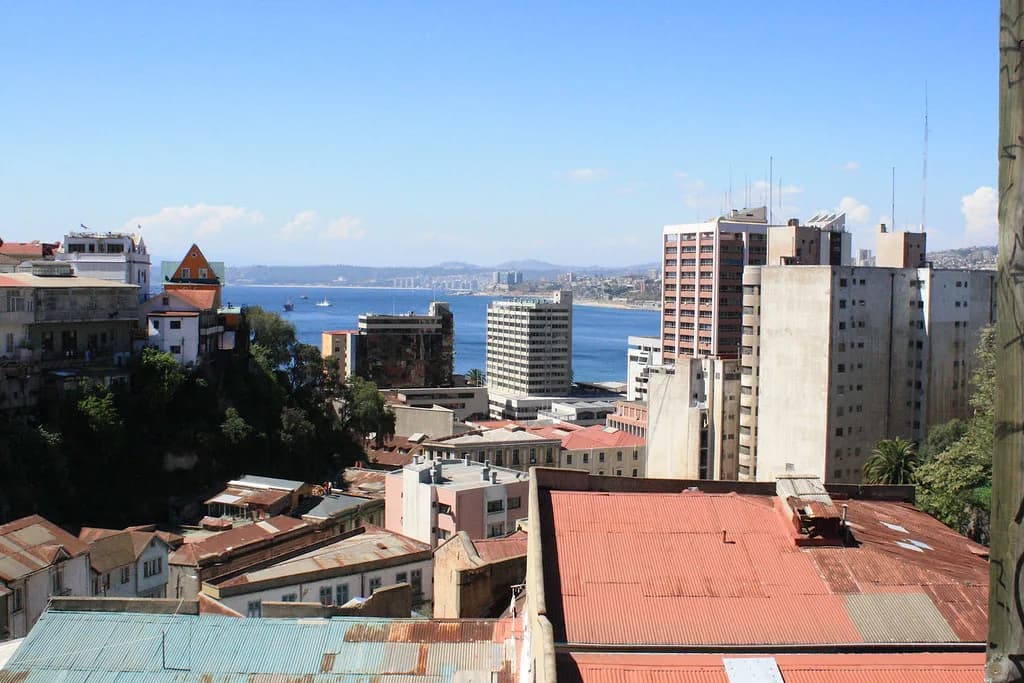
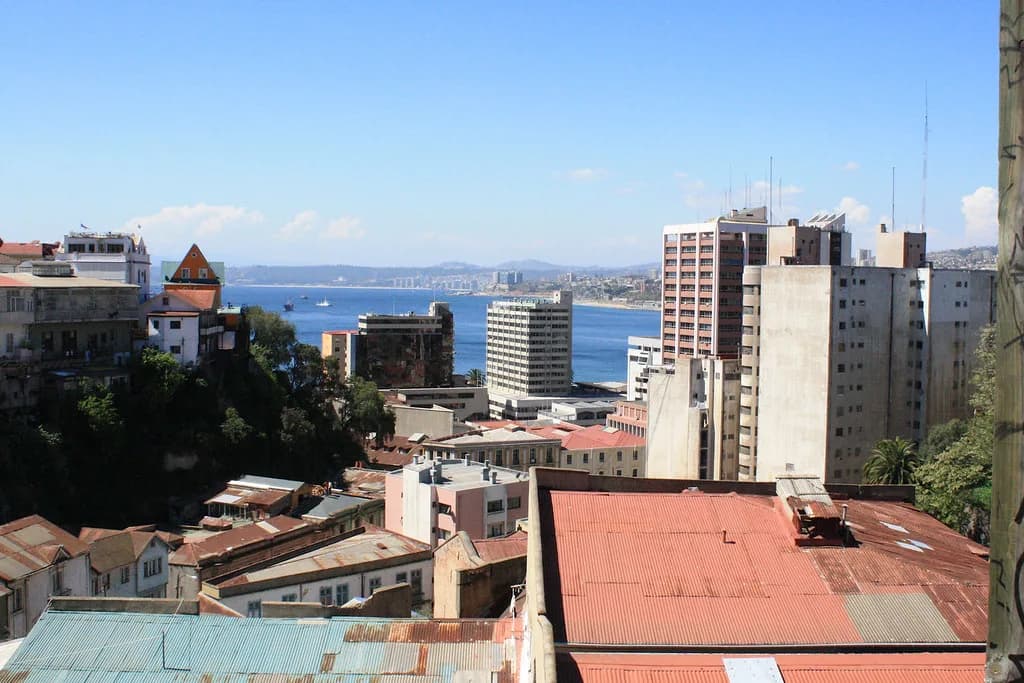
Valparaíso climbs steeply from a flat port district into dozens of cerros, and much of the connective tissue is stairs: uneven, worn and often damp. An ordinary day involves far more vertical gain than the distances suggest, so you generate heat on the way up and lose it quickly when you pause. Dress for that cycle rather than for a flat city walk.
The Pacific moderates everything. Cold water offshore keeps coastal air cool, drives persistent wind and produces garua, the low sea fog that can settle over the hills. Because buildings are often damp and lightly heated, interiors can feel cooler than the outdoor temperature implies, which is another argument for a mid layer you keep on indoors.
Practical consequences for clothing: choose fabrics that handle damp air without feeling clammy, favour hems that clear wet steps, and accept that shoes and trouser cuffs will pick up dust, sea spray and street grime. Nothing you bring should be so precious that a scuff ruins the day. These are comfort and durability considerations, not rules about what anyone must wear.
Build the Outfit in Three Layers
Start with a light base layer that handles sweat on a climb without turning cold when you stop. A merino or comparable quick-drying top manages that cycle better than cotton, which stays damp. Bring two and rotate them so one can air out while you wear the other.
The mid layer is your stop-and-stand layer: a fleece, cardigan or light insulated jacket that goes on at viewpoints and comes off on the climb. General Chile spring guidance suggests packing layers in preparation for temperature changes and rain, along with a waterproof hooded jacket, and it names Valparaíso specifically for style, so there is room to pick a mid layer you enjoy wearing.
Finish with a packable shell that blocks both wind and rain. In September the wind is the more constant threat, but a hooded shell covers passing showers and sea fog as well, so one piece does two jobs. Check that it folds small enough to live in your day bag, because the layer left at the accommodation is the layer that does not help you.
The same layering logic applies in warmer months, as our guide to what to wear in Valparaíso in January notes: wind still arrives in the evening even when the days are warm and dry. The principle does not change with the season, only the weight of each piece.
Footwear Is the Decision That Matters Most
The cerro stairs are the reason footwear outranks every other packing choice here. They are uneven, frequently wet and often lack handrails, and smooth-soled fashion trainers or sandals offer little traction on damp stone. Grippy, close-toed walking shoes with a sole you trust are the single most useful thing you can put in your bag.
The main trade-off is between a hiking-grade shoe with real traction and a lighter city shoe that packs smaller and looks more at home in a restaurant. A middle option — a walking shoe with a grippy sole that does not read as technical — often works best because you will not want to change footwear midway through a day of climbing. Break in any new pair well before the trip rather than on the stairs.
Bring one dressier pair with a sensible sole for cerro restaurant evenings, since many of those restaurants still involve a climb. Two pairs total is a reasonable target for a four-day trip. Socks matter as much as shoes: merino or another cushioning sock reduces hot spots on sustained descents, and cotton socks are a poor choice for a day with this much vertical.
Daytime Combinations for Cerro Alegre and Cerro Concepción
For a day of wandering Cerro Alegre and Cerro Concepción, start with a breathable top, add a mid layer tied at the waist and keep the shell in your bag rather than on your back. Add grippy shoes and a cross-body bag that closes fully. This lets you shed a layer on a steep block and add it back at a mural viewpoint without stopping to reorganise.
Long trousers or a midi skirt with leggings underneath handle wind and dirt better than shorts or a short skirt on stairs and cobbles. General Chile spring guidance recommends comfortable walking boots or shoes, cozy cardigans and sweaters, a day bag, and flat tennis shoes, moccasins or loafers, which fits this plan.
Pack a scarf even on a bright morning. It adds warmth at windy viewpoints, covers your neck when the garua rolls in and takes almost no space. Sunglasses earn their place too, because Pacific glare can be strong even under cloud. Neither item is a requirement; both are inexpensive insurance against a day that changes character.
Evening Layers for Fiestas Patrias and Port Events
September evenings in Valparaíso cool down faster than the afternoon suggests, especially once you are standing still outdoors. For fondas, port-side gatherings and holiday events, wear your warmest mid layer as the base of the outfit and keep the shell accessible for wind after dark. A scarf and, if you feel the cold, a beanie make a noticeable difference for very little packed volume.
Fiestas Patrias is a holiday period, not a formal occasion with a published dress code, so dress for warmth and for standing around outdoors. If an event you plan to attend publishes specific guidance, check with the organiser directly rather than assuming. For an evening-focused capsule, see what to pack for a Valparaíso port and nightlife evening.
Build the evening from pieces you already wore during the day: swap the base layer for a fresh one, add the warm mid layer and keep the same shoes if they are comfortable and grippy. One scarf and one pair of warm socks can carry an entire evening. This is how a small capsule covers two very different modes of a day.
Accessories That Earn Their Space
A scarf is the highest-value accessory for September because it adds warmth without bulk and doubles as a wind break at the neck. Sunglasses handle Pacific glare. A beanie is useful for windy evenings if you feel the cold, and a compact umbrella or a hooded shell covers showers; choose one rather than both if space is tight.
For carrying, a cross-body bag that zips fully closed keeps your hands free on stairs and your belongings in front of you in crowded areas. Leave jewellery and anything sentimental at home; the cerros and the port district are working, dusty places where a scuff or a snag is more likely than damage. None of this is a dress rule, just practical arithmetic on what you would rather not worry about.
A Four-Day September Capsule
For four days, aim for two base layers, two casual tops, one mid layer, one shell, one scarf, one beanie if you feel the cold, and two pairs of shoes: grippy walkers and one dressier pair with a sensible sole. Add three pairs of cushioning socks plus one or two casual pairs, and one evening outfit that works with the same shoes you wore during the day. That set covers climbing days, viewpoint stops and an evening out without a second bag.
The repetition is deliberate. The base layers rotate and air out, the mid layer and shell move between day and evening, and the dressier shoes only come out when you want them. If you extend the trip, add one more base layer and one more top rather than more outerwear, because the outer layers do not pick up sweat the way the inner ones do.
One space-saving habit worth adopting: wear your bulkiest shoes on the travel day and pack the lighter pair flat. It keeps the bag smaller and means your most comfortable walking option is available the moment you arrive. For a broader destination checklist, see our year-round what to pack for Valparaíso guide.
What to Leave Behind
Leave smooth-soled shoes at home, including fashion trainers and sandals you intended for evenings; they are the most consequential packing mistake for this city. Also skip anything white or easily scuffed, since hems and shoes will collect dust, sea spray and street grime. Wheeled suitcases are a practical problem on cerro stairs and cobbles, so a backpack or soft bag you can carry is easier to manage.
High heels are rarely worth the space because most restaurants and viewpoints involve a climb. Visible jewellery and an expensive watch add risk without adding warmth, and a heavy camera worn openly around the neck is awkward on stairs and in the lower city. If a piece needs special care or would upset you to damage, it belongs on a later trip.
Before-You-Go Weather Check
Historical seasonal tendencies cannot tell you what a specific week will do, so check a reliable forecast for Valparaíso a few days before departure. Look at wind speed and direction as well as temperature, because wind is what turns a pleasant afternoon into a cold one at a viewpoint. If rain is likely, make sure your shell and shoes are the pieces you are most confident in.
Use what you find to adjust layers, not to rebuild the bag. A colder-than-expected week means adding a warmer mid layer or an extra base layer; a milder one means you can leave the heaviest piece at home. The capsule structure stays the same either way, which is the point of packing around layers rather than a fixed outfit.
Check the details of any event you plan to attend, including Fiestas Patrias activities, with the organiser or an official Chilean source, since schedules and arrangements can change. The same applies to transport and attraction information: confirm current details rather than relying on any general guide for real-time facts. A five-minute check before you fly is worth more than an extra item in the bag.
Plan Your Visit
September in Valparaíso rewards a bag built around change: a breathable base, a mid layer you can remove and replace, a shell that blocks wind and rain, and footwear with real grip for worn, damp stairs. Everything else is optional. Build the capsule, leave the fragile and the impractical behind, and plan to wear the same pieces in different combinations across day and evening.
Check the forecast and any event details shortly before you travel, then adjust layers rather than starting over. The city does the rest: the wind, the fog, the light on the painted hillsides and the long climbs that make a comfortable, grippy pair of shoes the best travel decision you will make all week.
Frequently Asked Questions
What should I wear in Valparaíso in September?
Plan on three layers: a light breathable base, a removable mid layer such as a fleece or cardigan, and a packable shell that blocks wind and rain. Add long trousers, grippy close-toed walking shoes and a scarf. The layering approach lets you shed a layer on a climb and add it back at a windy viewpoint.
Do I need a rain jacket in Valparaíso in September?
A packable hooded shell is worth carrying because September falls in Chile's spring shoulder season, when passing showers and sea fog are possible alongside strong coastal wind. One shell covers both wind and rain, so it does the work of two items. Check the forecast before you travel to decide how substantial a shell you need.
How cold are Valparaíso evenings in September?
Evenings cool down noticeably after the afternoon, and the coastal wind makes standing outdoors feel colder than the temperature alone suggests. A warm mid layer, a scarf and a wind-blocking shell are the pieces that matter most for fondas, port events and holiday gatherings. Confirm the current outlook with a reliable forecast shortly before departure.
What shoes are best for the cerro stairs in Valparaíso?
Grippy, close-toed walking shoes with a sole you trust on wet, worn stone are the most useful choice, because the stairs between the cerros are uneven and often damp. Smooth-soled fashion trainers and sandals offer little traction in those conditions. Bring one dressier pair with a sensible sole for restaurant evenings, and break in anything new before the trip.
What should I wear to Fiestas Patrias events in Valparaíso?
Dress for standing outdoors: a warm mid layer, a scarf and a shell that blocks wind after dark, with comfortable shoes you can wear all evening. Fiestas Patrias is a holiday period rather than a formal occasion, and the organisers of specific events publish their own arrangements, so check with them directly if an event lists guidance.
How many layers do I need for a week in Valparaíso in September?
Two base layers, two casual tops, one mid layer and one shell are enough for a week, with the base layers rotating so one can air out while you wear the other. Add a scarf, cushioning socks and two pairs of shoes. If you stay longer, add an extra base layer and top rather than more outerwear.
Can I wear shorts in Valparaíso in September?
You can, but pair them with a mid layer and keep the shell handy, because the wind and the evening cool arrive quickly. Long trousers or a longer skirt handle dust, wind and stairs more comfortably across a full day. There is no rule to follow here; the practical question is whether you will want to change by late afternoon.
What should I leave behind when packing for Valparaíso?
Leave smooth-soled shoes, anything white or easily scuffed, high heels, and visible or sentimental jewellery at home. A wheeled suitcase is awkward on cerro stairs and cobbles, so a backpack or soft carry bag is easier. If a piece would upset you to damage, it is not the right piece for this city.
Sources
Free: The Ultimate Packing Cheat Sheet
A carry-on capsule wardrobe, the complete packing checklist, layering made simple, and what to wear by season — one printable page you'll use on every trip.
You might also like


Continue reading
More guides you'll find useful