What to Wear in Valparaiso in January: Summer Packing
January in Valparaiso means hot cerro climbs, cold Pacific wind, and evening fog. Pack layers, grippy shoes, and a zipped bag for the hill staircases.
On this page
Valparaiso in January: the weather in numbers
Typical January conditions from 30 years of daily weather data, split into early, mid and late month so you can match them to your travel dates.
| Dates | Early Jan (1–10) | Mid Jan (11–20) | Late Jan (21–31) |
|---|---|---|---|
| Afternoon high | 19°C (66°F) | 19°C (67°F) | 20°C (67°F) |
| Night-time low | 15°C (59°F) | 15°C (60°F) | 16°C (60°F) |
| Feels like (afternoon) | 18°C (64°F) | 18°C (65°F) | 19°C (65°F) |
| Range of afternoon highs | 18–20°C | 18–21°C | 18–21°C |
| Days with rain | Rare | Rare | Rare |
| Afternoon humidity | 71% | 70% | 70% |
| Average wind | 12 km/h | 12 km/h | 12 km/h |
| Daylight | 14.1 h | 14 h | 13.8 h |
What this means for your suitcase
- Mild days: long sleeves with a light sweater or jacket you can take off at midday.
Travelling on specific dates? Use our What to Wear Planner for the weather, outfits and a packing list for your exact days in Valparaiso.
Averages for 1991-2020, modelled from Copernicus ERA5-Land and ERA5 reanalysis via Open-Meteo open data (CC BY 4.0), adjusted to Valparaiso's elevation. Modelled afternoon highs can read 1–2°C below airport weather-station records.
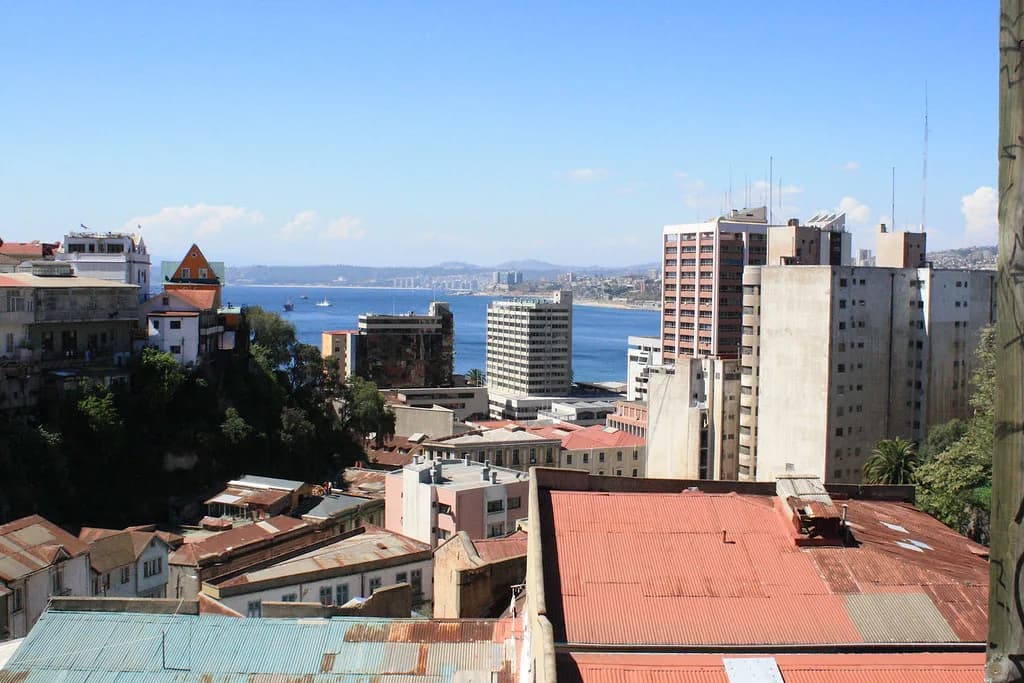
January falls in Valparaiso's peak summer season, historically the warmest and driest stretch of the year, and it is also the busiest, with New Year crowds filling the port and the hill neighbourhoods. The real packing problem is not heat alone but the daily swing: hot sun on exposed cerro staircases at midday, cold Pacific wind at viewpoints, and low sea fog drifting over the hills by evening.
This is a what-to-wear and what-to-carry guide, not a sightseeing plan. Climate notes describe historical seasonal tendencies rather than a forecast, so check a reliable local weather service before departure and adjust quantities. The combinations below are editorial suggestions, and residents of this port city dress in many different ways.
What January Feels Like in Valparaiso
Valparaiso has a Mediterranean climate strongly moderated by the cold Humboldt Current, which compresses the annual temperature range and keeps the coast cooler than its latitude suggests. One Valparaiso packing list for women describes summer, December through February, as warm and dry with almost no rain, a reliable afternoon wind, and evenings that cool sharply. Plan for a wide daily swing rather than one summer temperature.
The garua, the low sea fog that rolls over the cerros, is a regular coastal feature rather than a rare event. A January bag therefore needs a light wind or rain shell as a layering tool, not because heavy rain is likely, but because wind and fog change how a bright day feels within minutes. Reading the forecast on the morning you head out is more useful than memorising averages.
The Core Layering System
Build January outfits around three working layers: a light base, a warm mid layer, and a packable wind or rain shell. You generate real heat climbing a cerro, then stand still at a viewpoint in cold Pacific wind minutes later, and the layer system is what lets you manage that cycle without carrying a heavy jacket all day. Two base layers let you rotate one while the other airs.
Quick-dry or merino base layers work better than cotton, which holds sweat and feels clammy once you stop moving. The mid layer should be light enough to stuff into a day bag, such as a fleece or a compact insulated jacket. The shell earns its place as both windbreak and fog protection and should pack small enough that you barely notice it when the sun is out.
What to Wear During the Day on the Cerros
For daytime exploring, breathable tops, light trousers or shorts, and a sun hat cover most situations. The exposed staircases and viewpoints offer little shade, and Pacific glare is strong even under thin cloud, so sunglasses and sunscreen belong in your day bag next to a refillable water bottle. Choose tops you can peel off and tie around your waist as a climb warms you up.
Shorts are a reasonable January daytime choice, but keep a light layer within reach for windy viewpoints and shaded alleys. If you prefer trousers, pick a light, quick-drying fabric that handles dust and sea spray. A cap or wide-brimmed hat plus sunglasses is the simplest sun protection for long walks between the painted hillsides of Cerro Alegre and Cerro Concepcion.
Evening Fog and the Sharp Cooldown
Evenings cool noticeably, and the garua can settle over the hills while the port below stays clearer. A packable mid layer, long sleeves, and a light scarf make a cerro dinner comfortable without the bulk of a winter coat. If you are out after sunset, carry the shell too, because wind on upper terraces is stronger than on sheltered streets.
For an evening out in the hill neighbourhoods, one dressier outfit with a sensible sole is enough for most short trips. Pair it with the same warm mid layer you used during the day rather than packing a separate evening jacket. This keeps the bag small and matches how quickly the temperature falls once the sun leaves the cerros.
Footwear Is the Real Decision
The cerro streets reach gradients that would be closed to traffic elsewhere, and much of the connective tissue between them is stairs: uneven, worn concrete and stone, often without handrails, and frequently wet from fog or spray. Footwear is therefore the most consequential packing decision here, more than any clothing item. Grippy closed walking shoes with real tread are the practical choice; smooth-soled fashion trainers and sandals are a poor match for wet worn stone.
A day of ordinary sightseeing in this city involves more vertical gain than most people's weekend hikes, so support and grip matter as much as style. One Chile packing guide recommends light layers and closed-toe shoes for the country's varied terrain, which holds for the cerros in summer. Bring one pair of grippy walking shoes and, if you want something dressier for a cerro restaurant, one pair with a sensible sole that can still handle a climb; two pairs keeps the bag light.
New Year Crowds: What Changes for Your Bag
The New Year period is peak season here, with crowds around the port and fireworks that fill every bed in the region. On the busiest days, a zipped cross-body bag worn in front is easier to manage in a crowd than a backpack or an open tote. Keep your phone in your hand only while actively using it, especially when photographing street art, because phone snatching is the specific and common problem in the lower city.
Crowd pressure affects timing more than clothing. Plan hill walks and errands for early morning or late afternoon when the streets are calmer, and treat the middle of the day as the hot, busy stretch when shade and water matter most. If your evening includes the port or nightlife areas, a slightly dressier outfit with the same grippy shoes works better than changing into heels for a climb.
A Compact Packing Example for a Short Trip
For a three- or four-day trip, build a capsule around two or three breathable tops, one or two pairs of light trousers or shorts, two base layers, one mid layer, one shell, and one dressier evening outfit. Add three pairs of socks, sleepwear, a sun hat, sunglasses, and a light scarf. This set covers hot climbs, windy viewpoints, foggy evenings, and a dinner out without checking a large bag.
Extend the same capsule for a longer stay by hand-washing base layers and socks every few days, since quick-dry fabrics dry overnight in warm weather. If you plan a day in flat Vina del Mar, add swimwear and a windproof layer for the beachfront. Reusing the same layers keeps the bag carry-on size as the trip grows.
What to Leave Behind
Leave smooth-soled shoes at home, since they are the most common packing mistake for this city. Skip white or easily scuffed pieces too, because street dogs, sea spray, dust, and steep drainage mean shoes and trouser hems take a beating. Visible jewellery, an expensive watch, and a camera worn openly around your neck are also better left behind in the lower city.
Wheeled suitcases are close to unusable on cerro stairs and cobbles, so a backpack or a bag you can carry on your back is the right luggage here. High heels for restaurants are another item to reconsider, because almost every restaurant involves a climb. Anything you would mourn getting dusty or scuffed is a poor fit for a working port city with uneven surfaces.
Before You Go: A Weather Check Habit
Check a reliable local forecast a day or two before departure and again each morning of your stay. Look at wind speed and evening temperature rather than daytime highs alone, because the afternoon Pacific wind and evening fog drive most of the comfort decisions. If strong wind is forecast, move the shell and scarf to the top of your day bag.
Adjust quantities rather than buying new gear if the forecast looks different from the historical pattern. A cooler stretch calls for an extra base layer and the mid layer, while a hotter one means more sun protection and an extra top to rotate. Packing a small capsule with laundry in mind is more flexible than adding a second bag of clothing you may not wear.
Plan Your Visit
For January in Valparaiso, the winning approach is a light three-layer system, grippy closed shoes, sun protection, and a zipped bag you can keep in front of you in crowds. The steep, uneven, sometimes damp staircases drive the footwear decision, while the Pacific wind and evening fog drive the layers. Check the forecast before you go and adjust quantities, not the whole plan.
If your trip runs beyond January, the same logic adapts with different layer weights for other seasons; the full destination list is in what to pack for Valparaiso, and a shoulder-season comparison is in what to wear in Valparaiso in May.
Frequently Asked Questions
What should I wear in Valparaiso in January?
Plan on breathable tops, light trousers or shorts, a warm mid layer, and a packable wind shell for the daily swing between hot climbs and cold Pacific wind. Add a sun hat, sunglasses, and a light scarf for foggy evenings. The shell matters even though rain is unlikely in January.
Do I need a jacket in Valparaiso in January?
A light, packable layer is worth carrying because evening fog and the afternoon Pacific wind cool the cerros quickly. It does not need to be a heavy winter coat; a fleece or compact insulated jacket plus a wind shell covers most situations. Check the forecast before you go to decide how warm that layer should be.
What shoes are best for the hills of Valparaiso?
Grippy closed walking shoes with real tread are the practical choice for the steep, uneven, sometimes wet cerro staircases and cobbles. Smooth-soled trainers and sandals are a poor match for worn wet stone. Bring one grippy pair for walking days and, if you want something dressier for restaurants, one pair with a sensible sole.
Is it warm enough for shorts in Valparaiso in January?
Shorts are a reasonable daytime choice in January, but keep a light layer within reach for windy viewpoints and shaded alleys. Because the coast is moderated by cold Pacific water, midday warmth does not guarantee a warm evening. If you prefer trousers, choose a light, quick-drying fabric that handles dust and sea spray.
Can I wear sandals to walk the cerros?
Sandals are not a good match for the cerro staircases, which are uneven, worn, and often wet from fog or spray. Grip and support matter because a day of sightseeing here involves more vertical gain than most people's weekend hikes. If you want sandals for the evening, keep them for flat areas and change out of your walking shoes rather than climbing in them.
How do I pack light for Valparaiso in summer?
Build a small capsule around two or three tops, one or two pairs of light trousers or shorts, two base layers, one mid layer, one shell, and one dressier outfit. Add socks, sun protection, and a zipped cross-body bag. Extend the trip by hand-washing quick-dry base layers and socks instead of packing more clothing.
What should I not bring to Valparaiso?
Leave behind smooth-soled shoes, white or easily scuffed pieces, high heels for restaurant evenings, and wheeled suitcases that struggle on stairs and cobbles. Visible jewellery and an expensive camera worn openly are also better left behind in the lower city. A backpack or hands-free bag works better than anything you have to wheel or hold constantly.
Sources
Free: The Ultimate Packing Cheat Sheet
A carry-on capsule wardrobe, the complete packing checklist, layering made simple, and what to wear by season — one printable page you'll use on every trip.
You might also like


Continue reading
More guides you'll find useful