Valparaiso Fog and Wind Packing Guide: Layers, Shells, and Shoes
Pack for Valparaiso's camanchaca fog, Pacific breeze, and hill microclimates with windproof, quick-dry layers, grippy shoes, and a compact day bag.
On this page
Valparaiso's weather problem for packers is rarely cold. It is the camanchaca, the marine fog that slides off the Pacific and changes visibility, dampness, and perceived temperature from one hour to the next.
The practical consequence is that your packing list should be built around wind resistance and drying speed rather than bulk warmth. A windproof shell and one warm mid-layer will usually do more for you here than a heavy coat.
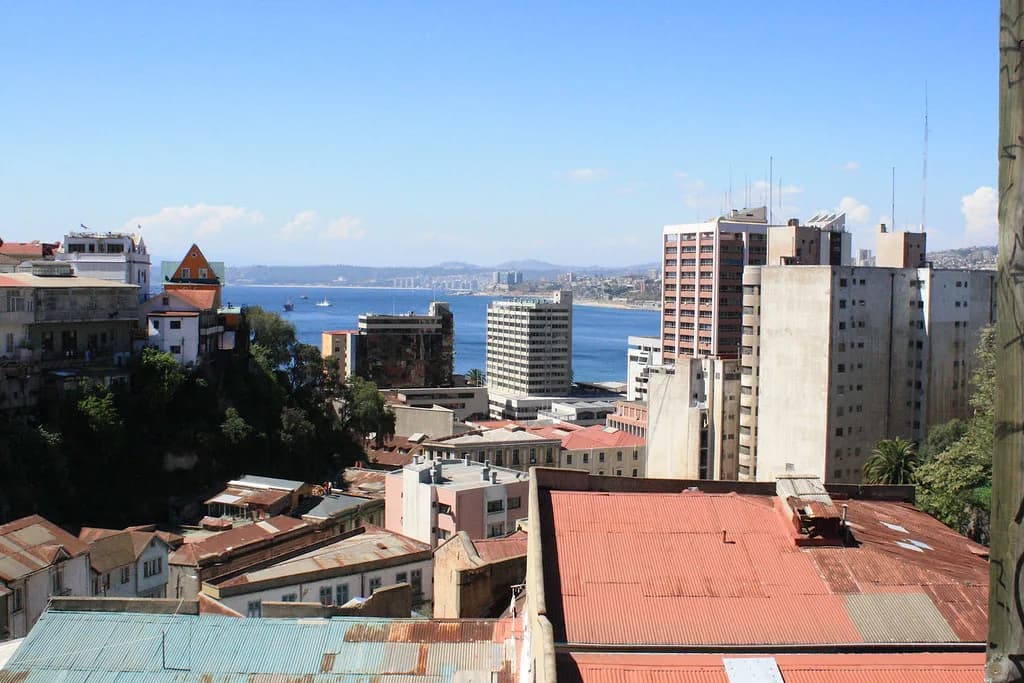
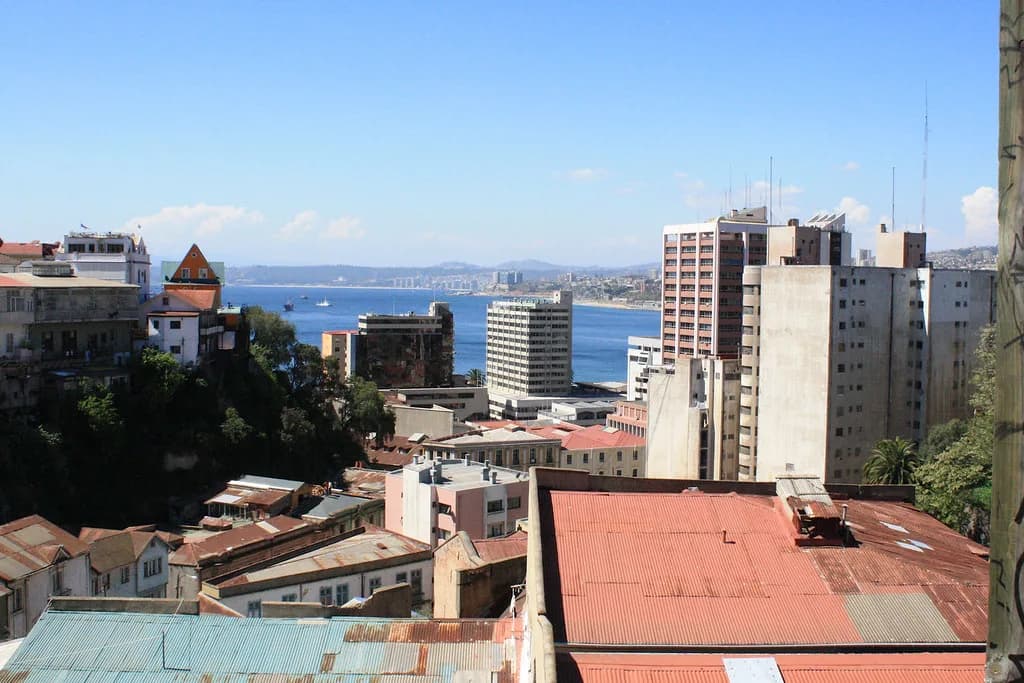
Valparaiso also splits into two packing zones: the windier port flats and the exposed hills above. If you want the wider city checklist first, see what to pack for Valparaiso before narrowing down to fog and wind choices.
Camanchaca in Packing Terms: Moisture and Drying Time, Not Cold
Marine fog behaves like airborne moisture: it clings to outer fabrics, softens stair surfaces, and makes textiles feel colder than the air temperature suggests. The USGS Pacific Coastal Fog Project describes fog pushing through gaps in the coastal mountains and transporting water into coastal ecosystems, which is a useful mental model when you are deciding what to wear.
Practically, this means avoiding garments that soak up moisture and stay damp, especially dense cotton outer layers and heavy fleece worn as the outermost layer. A windproof shell worn over a quick-dry base shrugs off the damp better than a single thick sweater.
Drying time matters more than raw insulation here, because a damp mid-layer in the evening is worse than a slightly thinner dry one. If you only have room for one spare top, make it a thin merino or synthetic long-sleeve rather than a bulky knit.
The Three-Piece Formula: Shell, Breathable Base, Packable Warm Layer
Treat the core of your bag as three pieces: a packable windproof shell, a breathable base layer, and one warm mid-layer that compresses small. Packing guidance for Valparaiso follows this same logic, recommending a windproof shell for camanchaca fog alongside breathable layers for mild days and a warmer mid-layer for cool evenings on the bay.
The shell does the wind blocking, so it can be thin; the base handles moisture against your skin; the mid-layer handles the temperature drop after sunset. Keeping these roles separate lets you recombine them as the afternoon shifts from a sunny paseo to a breezy mirador.
For a mild trip, one warm mid-layer is usually enough, and a second heavy one is dead weight. Editorial suggestion rather than a rule: if you run warm, a light fleece plus the shell may cover your whole trip.
Fabric Decisions: Why Quick-Dry Beats Heavy Insulation
Cotton-linen blends breathe well on mild, sunny afternoons and look presentable for cafes and galleries, but they hold moisture, so keep them for base and mid layers rather than as your outermost piece. Source material for Valparaiso notes breathable cotton-linen shirts suiting days around 20 to 25 degrees Celsius (68 to 77 degrees Fahrenheit), with merino or technical long-sleeves for cooler mornings and evenings around 8 to 15 degrees Celsius (46 to 59 degrees Fahrenheit).
Merino earns its place on multi-day trips because it resists odour and dries faster than cotton, which matters when you are hand-washing in a guesthouse sink. Synthetics dry even faster but can feel clammy on still, humid mornings, so the trade-off is comfort versus speed of drying.
Heavy insulation is the item most people regret. The city's cool-season range is mild, and the discomfort visitors describe comes from wind and damp rather than genuine cold, so a bulky down layer rarely earns the space it takes.
Wind on Exposed Paseos: Hoods, Hats, and What Gets Blown Away
Exposed walkways and viewpoints are where a windproof outer layer stops being optional in your day bag. A shell with a hood beats an umbrella as primary protection, because a hood cannot invert or be snatched sideways by a gust on an open stair.
Hats need a chin strap or a snug fit, and loose scarves, unzipped tote bags, and paper maps are the classic casualties on breezy lookouts. A crossbody bag with a zipped top keeps your phone and camera secure while leaving both hands free for railings.
Footwear Trade-offs: Grip for Stairs and Cobbles
Valparaiso is vertical, and much of it is stairs, cobbles, and painted concrete that turns slick when damp. Grippy walking shoes with sticky rubber soles are the single most important item in the bag, ahead of any jacket.
Trail shoes add tread and water resistance for rougher paths and wetter months, at the cost of looking sporty in the evening. A common compromise is sturdy grippy sneakers as the daily pair plus one lighter, water-resistant shoe for dinners and markets.
Leave heels and smooth-soled loafers at home unless you plan to stay on flat ground, since cobbles and stair edges punish hard, slippery soles. Blister plasters are cheap insurance on a city where a normal day involves repeated climbs.
Day Bag Essentials for Fog, Wind, and Quick Shifts
A compact crossbody or small daypack with a zipped top and a chest or waist strap carries what you need up long staircases and keeps the load stable in wind. Secure pockets matter more than capacity here.
Inside, carry the shell even on a clear morning, plus a refillable bottle, sunscreen for bright hilltops, and a portable charger for maps and photos. A small quick-dry towel is handy after sea spray or a damp foggy stretch.
One small torch or key light is worth adding for poorly lit staircases after late dinners, and a thin spare base layer covers the temperature drop if fog rolls in and you stay out longer than planned.
City and Hill Microclimates: Barrio Puerto Versus the Upper Hills
The lower port and Barrio Puerto feel windier and rawer, while the upper hills sit more exposed to light and view corridors with their own chill on breezy days. Seasonal guidance for the city notes that fog can alter visibility from one neighborhood to the next, with summer breezes moving across the bay and winter fog closing in on high viewpoints.
For packing, that means dressing for the coldest and windiest point on your route rather than the warmest. If your day runs from the port flats up through an ascensor to a hilltop viewpoint, start with the mid-layer and shell already on or in the bag.
If your dates fall in the cooler, mistier part of the year, the month-specific notes on what to wear in Valparaiso in May are the better place to fine-tune the same layer set.
Compact Packing Example for a 3-4 Day Trip
For three or four days, build from the formula rather than a fresh outfit per day. Two breathable shirts or thin long-sleeves, one merino or synthetic base, one fleece or light wool mid-layer, one windproof shell, and one compact waterproof jacket covers most conditions without a heavy coat.
Add three to four changes of socks and underwear in quick-dry fabrics, one pair of grippy walking sneakers, and one lighter water-resistant shoe or slip-on for evenings. That load fits a carry-on for most travellers and leaves room for a small daypack.
Source guidance for the city suggests compact counts along these lines, including lightweight shirts, two long-sleeve base layers, a warm mid-layer, a windproof shell, and a packable waterproof jacket, and you can adjust the numbers to your laundry access and trip length.
If you are travelling in the warmest, clearest stretch of the year, the January-specific notes will help you trim the warm layers further, so compare that page before finalising counts.
What to Leave Behind
A heavy parka or thick down coat is the first thing to drop, since the city's cool season is mild and the real discomfort is wind and damp. Bulky knits are next: one compact mid-layer beats two chunky ones you will not wear.
An umbrella as your primary rain defence is another poor fit, because coastal wind quickly turns it into a hassle. Choose a hooded shell and let an umbrella be a secondary option at most.
Skip smooth-soled dress shoes you cannot walk downhill in, and leave behind anything that only works for one planned photo or one formal dinner. If you want to sanity-check what else you might be overpacking, the main Valparaiso packing guide is the reference point to compare against.
Before Departure: Read the Forecast Without Overreacting
Check a short-range forecast for the days you will actually be there, and look at the daily pattern rather than a single foggy morning. Fog that burns off by late morning calls for a different outfit decision than fog that persists all day.
Source guidance describes historical seasonal tendencies, including summer breezes across the bay, autumn fog building from late May into June, misty winter mornings, and clearer, breezier conditions returning in spring, but not what any specific trip will bring.
Plan for the forecast range rather than the single best or worst day, and keep the shell and mid-layer in the day bag regardless. If you are travelling in early spring, the September-specific notes help you strike the balance between warmer afternoons and cool mornings.
Pack for Moisture and Wind, Then Adjust
The winning approach in Valparaiso is a thin windproof shell, a quick-dry base, and one compressible warm mid-layer, with grippy shoes doing more for your comfort than any coat. Add a compact crossbody bag, secure hat, and a small spare layer, and you can handle a foggy morning and a breezy hilltop in the same outfit.
Recheck the forecast close to departure, keep the shell in your day bag, and leave the heavy insulation at home. If you want to refine by travel month, use the month-specific guides rather than rebuilding the whole list.
Frequently Asked Questions
Do I need a windproof jacket in Valparaiso?
A packable windproof shell is the most useful outer layer for Valparaiso, because the Pacific breeze and camanchaca fog make exposed paseos and hilltops feel cooler than the air temperature suggests. Look for something thin that blocks wind and packs small into a day bag, rather than a heavy insulated coat.
What is the camanchaca in Valparaiso?
Camanchaca is the local name for the marine fog that drifts off the Pacific and settles over the coast. In packing terms it means damp, cool air that clings to outer fabrics, so quick-dry materials and a windproof shell handle it better than dense cotton layers or heavy knits.
Should I bring heavy insulation for Valparaiso?
Usually not. Conditions here are driven more by wind and moisture than by deep cold, so one packable warm mid-layer plus a windproof shell covers most visitors. A bulky coat tends to be dead weight and is harder to manage on stairs and in small guesthouses.
What shoes are best for Valparaiso's hills and stairs in fog?
Grippy walking shoes or sneakers with sticky rubber soles are the safest everyday choice for cobbles, painted concrete, and long staircases that get slick when damp. If you also want an evening option, add one lighter water-resistant pair and leave smooth-soled dress shoes at home.
How do the port flats and the hills differ for packing?
The lower port and Barrio Puerto area feels windier and rawer, while the upper hills are more exposed to sun, wind, and fog pockets. Dressing for the coldest, windiest point on your route, and carrying your shell and mid-layer rather than wearing everything at once, keeps you comfortable as you move between them.
How do I check conditions before my trip?
Check a short-range forecast for the days you will be there and look at the daily pattern rather than one foggy morning. Then pack for the range you see, keeping a windproof shell and a warm mid-layer in your day bag so you can add or remove layers as the day changes.
Sources
Free: The Ultimate Packing Cheat Sheet
A carry-on capsule wardrobe, the complete packing checklist, layering made simple, and what to wear by season — one printable page you'll use on every trip.
You might also like


Continue reading
More guides you'll find useful