What to Wear in Valparaiso in May: Autumn Rain Layering
Pack for Valparaiso in May with a vented water-resistant shell, breathable layers, and grippy closed-toe shoes for damp hillside stairs and cool Pacific air.
On this page
Valparaiso in May: the weather in numbers
Typical May conditions from 30 years of daily weather data, split into early, mid and late month so you can match them to your travel dates.
| Dates | Early May (1–10) | Mid May (11–20) | Late May (21–31) |
|---|---|---|---|
| Afternoon high | 16°C (61°F) | 15°C (60°F) | 15°C (59°F) |
| Night-time low | 12°C (53°F) | 11°C (52°F) | 11°C (52°F) |
| Feels like (afternoon) | 15°C (58°F) | 14°C (57°F) | 13°C (56°F) |
| Range of afternoon highs | 15–18°C | 14–17°C | 13–17°C |
| Days with rain | 1 in 10 days | 1 in 10 days | 2 in 10 days |
| Afternoon humidity | 74% | 74% | 74% |
| Average wind | 10 km/h | 10 km/h | 10 km/h |
| Daylight | 10.6 h | 10.3 h | 10.1 h |
What this means for your suitcase
- Mild days: long sleeves with a light sweater or jacket you can take off at midday.
Travelling on specific dates? Use our What to Wear Planner for the weather, outfits and a packing list for your exact days in Valparaiso.
Averages for 1991-2020, modelled from Copernicus ERA5-Land and ERA5 reanalysis via Open-Meteo open data (CC BY 4.0), adjusted to Valparaiso's elevation. Modelled afternoon highs can read 1–2°C below airport weather-station records.
Valparaiso in May sits at the tail end of autumn, and the shift is real: central Chile's rainfall rises sharply from the drier March and April pattern into May, which is why a hooded water-resistant layer belongs near the top of your bag. Pacific air also cools the hillside, so mornings and evenings carry a chill that midday sun can briefly mask. Read these patterns as historical seasonal tendencies, not a forecast for your dates.
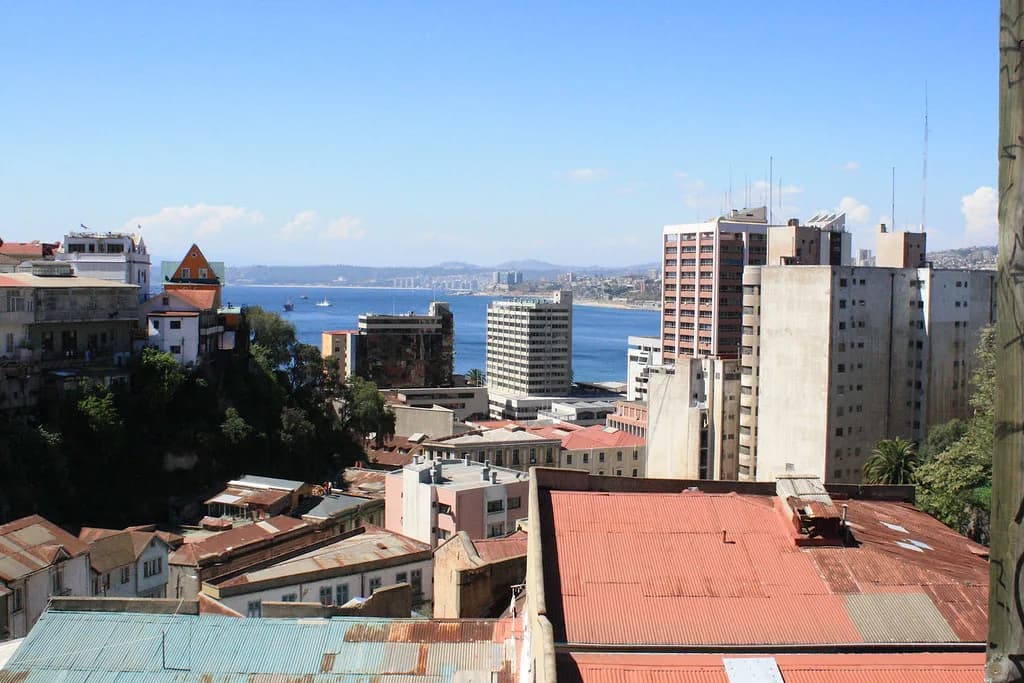
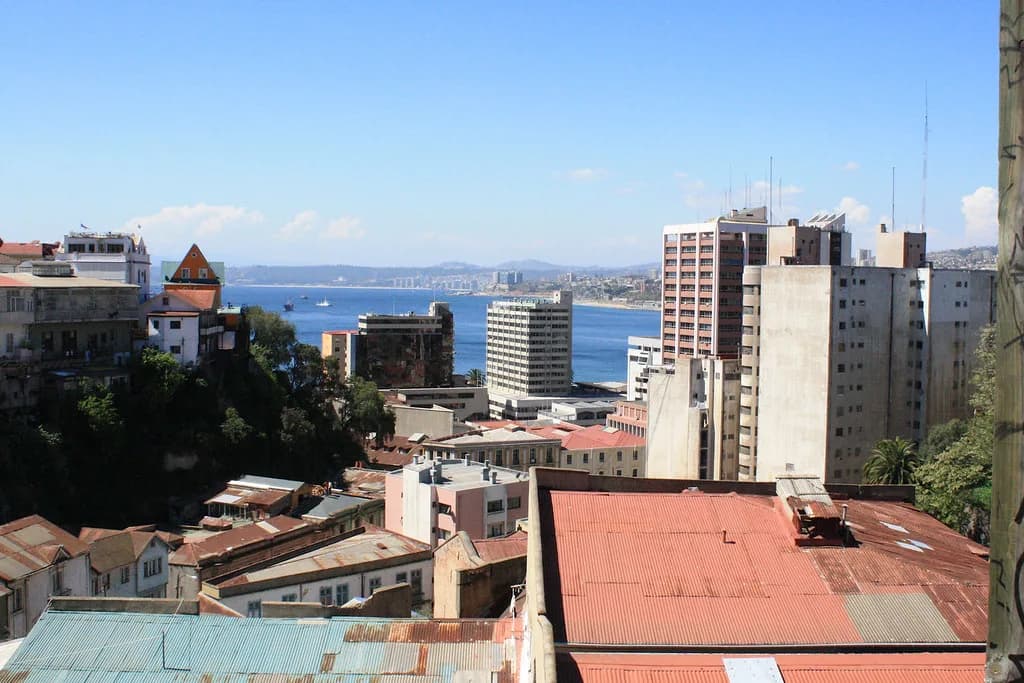
What sets packing here apart from a flat city is the terrain: Valparaiso climbs up hillsides threaded with narrow alleys, painted staircases and funicular lifts, and damp stone underfoot changes every footwear decision. A shoe that feels fine on pavement may slide on wet, glazed steps. This guide treats grip and venting as the organizing principles of the whole list.
Everything below is an editorial suggestion rather than a local rule; Chile does not publish a visitor dress code, and no venue or transport requirement is assumed. If a specific restaurant or tour matters to your trip, check that operator directly. For a wider seasonal baseline across the year, see what to pack for Valparaiso before locking your final list.
What May Feels Like in Valparaiso: Late Autumn on the Hills
May is the month when the dry autumn pattern gives way in central Chile. One seasonal breakdown notes that May rainfall climbs significantly from the levels of March and April, rising in Santiago from about 10 mm to 50 mm on average. That single transition is more useful for packing than any temperature number, because it tells you rain protection moves from optional to primary. Treat it as a historical tendency of the season, not a promise about your travel week.
Cooler Pacific air is the second force at work, and it hits harder on the upper hillsides and after sunset than in sheltered lower streets. Expect mild-to-cool conditions overall, with genuine chill in the evening and near the water. A single heavy coat tends to be the wrong answer, because steep climbs generate heat fast and then trap it once you stop.
The city's vertical layout compounds the weather. Walking from a low street up a staircase to a hillside neighborhood can raise your body temperature noticeably in ten minutes, and descending back into a damp alley chills you again. Pack for fluctuation rather than for one temperature. Autumn in Chile is when temperatures shift through the day, which is why layered dressing is the usual recommendation for April and May travel.
The Core Layering Formula for Steep, Damp Hillside Streets
The working formula is three functional layers: a breathable base against your skin, a mid layer you can shed, and a water-resistant outer shell you can vent or open. Layer count, not fabric weight, is what lets you adjust as you climb and descend. This is where May differs from summer packing, when a single light jacket often suffices.
Two base layers and one mid layer is a sensible starting point for a short trip, and it lets you rotate the base if something gets damp from sweat or drizzle. Long-sleeve shirts work well as the visible middle, since they look presentable at a cafe and still function on the street. Avoid building the kit around a single very warm garment, because you cannot partially remove it.
If you are traveling at a warmer time of year instead, the layer arithmetic changes completely; what to wear in Valparaiso in January leans on lighter breathable pieces because the summer heat and dry pattern remove the rain-shell requirement. Comparing the two months shows how much May's transition adds.
Water-Resistant Outer Layer That Vents on Climbs
A hooded water-resistant or waterproof jacket is the backbone of this list, and the hood matters more than the fabric rating, because wind-driven drizzle on an exposed staircase reaches your head and neck first. The trade-off is real: a heavier fully waterproof shell blocks rain longer but traps heat on a steep climb, while a lighter water-resistant jacket breathes better and may need an umbrella in persistent rain. Choose based on how much walking you plan versus how much sitting.
Mechanical venting matters more than you might expect. Pit zips, a two-way front zip, or a loose cut you can open over a daypack all let you dump heat without stopping to strip off in the rain. Check this before you leave: if the jacket only closes fully, it will feel clammy on the ascent and cold once you slow down.
General Chile packing guidance for the fall months points toward a waterproof jacket with a hood plus layers rather than insulated outerwear, which aligns with Valparaiso's damp, fluctuating conditions. A compact umbrella also earns its place for the flat lower streets and for evenings when you are not climbing.
Breathable Base Layers and Long-Sleeve Mid Layers
Prioritize base layers that move moisture, because climbing plus drizzle makes damp clothing the main comfort risk here. Lightweight, breathable, quick-drying, moisture-wicking non-cotton fabrics are widely recommended for Chile travel, and they hand-wash and dry overnight, which keeps a carry-on list small.
Cotton t-shirts are the tempting default and the wrong one for a day of staircases, because they hold sweat and stay cold once you stop moving. Keep one for a relaxed evening if you like, but build the walking wardrobe around synthetics or fine merino. Long-sleeve shirts then serve double duty as a mid layer under the shell and as a standalone piece indoors.
Two or three tops is realistic for a three-day visit, and they should all match the same pants and shell so nothing sits unworn. Choose darker colors if you expect drizzle on painted walls and dusty alleys; light tops show every mark from leaning on wet stone.
A Cozy Cardigan or Sweater That Packs Flat
The mid layer is where you get warmth without bulk, and a cozy cardigan or fine sweater does that better than a thick pullover because you can open it when you heat up. Knitwear in a flat, tightly woven gauge takes less space than a chunky cable knit and slides under a shell without bunching at the shoulders.
One sweater is usually enough for a short trip in May, provided the base and shell layers do their jobs. If you run cold, add a second thin knit rather than a heavier single piece, since two thin layers adapt better across the swings between street level and hilltop. Autumn packing lists for Chile typically favor a cozy cardigan or sweater as part of the set.
Roll or fold the sweater rather than laying it flat at the bottom of the bag; the middle of a packing cube keeps its shape and saves the compression space for the shell. Leave the oversized piece at home, because it wastes room you need for rain protection.
Long Pants for Damp Alleys and Mosaic Staircases
Long pants are the sensible default for May, and jeans or similar durable trousers handle damp stone, painted steps and windy viewpoints without the fuss of lighter fabrics. Long pants appear routinely on Chile packing lists for these conditions, and they look appropriate whether you are sightseeing or sitting down to dinner.
One pair of jeans plus one alternative, such as a darker straight-leg trouser, is a workable combination for three days, because both match the same tops and shoes. Avoid white or very light trousers if rain bands are in the picture, since road spray and wet steps mark them quickly. A slightly tapered leg also keeps hem edges out of puddles on staircases.
If your itinerary includes a nicer evening meal, a dark pair of trousers does more for your look than a second pair of jeans and takes the same space. For colder, windier evenings near the water, reinforcing the outer layer without adding a whole separate outfit keeps the bag compact.
Footwear: Why Grip and Closed Toes Matter on Slippery Steps
Footwear is the decision that most affects your trip, because Valparaiso's funiculars, alleys and painted staircases are uneven and, in May, often damp. Sturdy, comfortable closed-toe walking shoes with a real tread pattern are the practical choice, and Chile packing guidance specifically recommends closed-toe shoes that are preferably waterproof for uneven streets and day activities.
The trade-off is style against function: trail-style walking shoes grip wet mosaic and polished stone confidently but read casual with a dressier dinner outfit, while leather ankle boots look sharper only if the sole has genuine tread and the upper shrugs off damp. If you can bring just one pair, choose grip and accept the casual look, then let your outfit do the dressing up.
Whatever you bring, break it in before you travel. Slick soles on smooth painted concrete are the real hazard here, not distance, so press a thumb into the tread and check for flexibility. For evenings out, fall packing lists for Chile often suggest flat suede ankle boots with seasonal outfits, a reasonable middle ground if the sole grips.
Warm Socks, a Beanie, and a Scarf for Evening Cool-Down
The small accessories do disproportionate work once the sun drops behind the hills and Pacific air moves in. Warm socks keep feet comfortable in damp shoes, and comfortable, breathable socks are a standard item on Chile packing lists for good reason.
A beanie and a scarf address the neck and head, where a hooded shell alone leaves gaps when you are standing still at a viewpoint. A scarf also doubles as a light extra layer on the neck during a windy evening walk. These are compact items, so they cost almost nothing in luggage space.
Keep them at the top of your daypack rather than the bottom, because the moment you need them is usually mid-climb when the wind picks up and you do not want to unpack the whole bag on a staircase.
Small Umbrella and a Compact Daypack With Rain Protection
A compact umbrella is worth carrying alongside the jacket, since a shell handles wind-driven drizzle while an umbrella covers the flat lower streets and moments when you are standing still. Umbrellas are commonly listed among useful Chile travel items for rainy-season conditions and sun shade alike.
A daypack with some rain protection, or a dry bag inside it, keeps a camera, phone and documents usable when the sky turns. Waterproof or plastic bags for organizing gear are a low-cost addition that protects electronics and separates damp clothing from dry layers.
Keep the daypack small enough to sit comfortably under your shell, otherwise the extra bulk pushes your jacket open and defeats the venting you chose it for. Test the combination loaded before you leave home.
A Rainy-Day Outfit Combination for Walking the Hills
For a wet day on the hills, start with a breathable base, add a long-sleeve shirt, then the cardigan, then the hooded water-resistant shell over jeans and grippy closed-toe shoes. Add warm socks, a beanie and a scarf, and carry the compact umbrella in a daypack with rain protection. That combination covers walking, waiting for a funicular, and ducking into a cafe without changing clothes.
When a climb makes you warm, open the shell and unzip the cardigan rather than removing the jacket entirely, because stopping at a viewpoint in just a base layer in damp wind undoes the benefit. Reverse the process on the way down. Layering is the usual approach for Chile's autumn months precisely because temperatures fluctuate through the day.
This is an editorial suggestion for combining pieces, not a description of how everyone in the city dresses. Plenty of locals read the weather differently, and there is no requirement to match them.
Dressing Up Slightly for an Evening Meal Without a Second Wardrobe
Rather than packing a separate evening wardrobe, plan one outfit that shifts formality through accessories and a detail change. Dark trousers, a long-sleeve shirt and the same walking shoes read acceptably in most restaurants if the shoes are clean and the trousers are not jeans; adding a scarf lifts the whole look. Chile packing guidance suggests bringing one nicer outfit for restaurants, which fits this approach.
If you want a more polished evening that still matches the port city's character, the port and nightlife packing guide goes deeper on putting that outfit together without duplicating your daytime layers.
A light pair of dressier shoes is the classic overpacking trap. Unless you have a specific booking with a stated expectation, which you should confirm directly with the venue, the walking shoes you already brought are usually the better choice on steep, wet streets after dark.
A Compact Packing Example for Three Days in Valparaiso
A three-day carry-on kit can be built from two breathable base layers, one long-sleeve shirt, one cardigan or sweater, one water-resistant hooded shell, one pair of jeans plus one pair of dark trousers, one pair of grippy closed-toe shoes, and the small accessories: warm socks, beanie, scarf, compact umbrella and a daypack. Every piece should combine with every other piece; if something only works with one outfit, cut it.
This is an example structure, not a fixed item count that suits everyone. Someone who runs cold may add a second thin knit; someone with a lighter plan may drop one pair of trousers. The test is whether you can dress for a mild morning, a warm climb and a cold, damp evening from the same bag without doing laundry.
If your visit shifts toward warmer spring conditions later in the year, the priorities move toward lighter layers and more sun protection, which is why what to wear in Valparaiso in September is a useful comparison for how the same city reads across seasons.
What to Leave Behind When You Only Have a Carry-On
Leave the heavy insulated coat at home; it is too warm for climbing and too bulky to stow when you shed it, and layering handles the same cold more flexibly. Leave multiple shoe options behind as well, since one grippy pair that works for walking and casual dinners is the single biggest space saving for this destination. Choose clothes you would be comfortable wearing damp rather than clothes designed only for dry conditions.
Formal outfits and anything requiring ironing rarely earn their place on these hills. Also skip cotton-only base layers and anything that stops you from opening a layer when you overheat. If you are unsure whether an item is necessary, test it against the three-day list above.
Documents, medication and any specific requirements for your own trip sit outside the scope of this guide and should be checked with the relevant authorities or operators before departure.
Before-Departure Weather Check and Packing Adjustments
A few days out, look at a reliable forecast for Valparaiso and read it as an adjustment signal rather than a fixed script for the whole trip. If rain bands are expected during your dates, make the water-resistant shell the priority and add the umbrella; if the pattern looks drier, a lighter water-resistant jacket still earns its place for wind and evening damp. Never treat one forecast as the definitive picture of a whole month.
Adjust the layer count rather than the layer types. A cooler outlook means adding a second thin knit and warmer socks, not swapping in a heavier coat; a milder one means dropping the cardigan and keeping the shell. Check the wind as well as the rain, since exposed hillside viewpoints feel colder than the sheltered lower streets even on a dry day.
For a longer stay or a different shoulder season, a broader seasonal overview can help you sanity-check the list before you pack; otherwise, confirm any specific requirements with your accommodation, tour operator or transport provider directly.
Packing for Valparaiso in May
The whole list reduces to one idea: bring layers you can change, not a single heavy answer to the cold. A breathable base, a flat-packing cardigan, a hooded water-resistant shell and grippy closed-toe shoes cover the damp staircases, the steep climbs and the cold evenings of Valparaiso in May. Confirm current conditions shortly before departure and adjust the layer count rather than the layer types.
For a city with a comparable May transition, what to wear in Verona in May offers a useful contrast in how a mild spring month is packed, though the terrain and Pacific dampness here make grip the deciding factor. Build the bag around the streets you will actually walk, and the rest of the packing decisions fall into place.
Frequently Asked Questions
Do I need a rain jacket in Valparaiso in May?
A hooded water-resistant or waterproof layer is the single most useful piece you can pack, because May is when central Chile's rainfall rises from the drier March and April pattern and Pacific dampness makes the hills feel colder. A heavier waterproof shell blocks rain better but can overheat on steep climbs, while a lighter water-resistant jacket breathes more and may need an umbrella in sustained rain. Choose according to how much walking you plan.
What shoes are best for Valparaiso's steep streets and staircases?
Closed-toe walking shoes with a genuine tread pattern are the practical choice, because the city's hillside alleys and painted mosaic staircases are uneven and often damp in May. Trail-style shoes grip well but look casual at dinner, while leather ankle boots look smarter and work only if the sole has real traction. If you take just one pair, prioritize grip.
How many layers should I pack for Valparaiso in May?
Three functional layers cover it: a breathable base, a cardigan or sweater as a mid layer, and a water-resistant shell. That structure lets you open or remove layers on a climb and re-add them at a windy viewpoint. For a short trip, two base layers and one mid layer is usually enough, and adding a second thin knit beats packing one heavy garment.
Can I get away with one pair of shoes in Valparaiso in May?
Yes, if that pair is a closed-toe walking shoe or boot with reliable grip, and you accept that it will read casual in most restaurants. Packing a second dressier pair usually costs more space than it returns on steep, wet streets after dark. If you have a specific booking with a stated expectation, confirm it with the venue directly first.
What should I leave behind when packing for Valparaiso in May?
Leave behind heavy insulated coats, multiple shoe options, formal outfits and cotton-only base layers that stay cold once damp. Layering handles the same chill more flexibly and takes less room. Anything you would not wear damp or cannot open to vent is likely wrong for these hills.
Sources
Free: The Ultimate Packing Cheat Sheet
A carry-on capsule wardrobe, the complete packing checklist, layering made simple, and what to wear by season — one printable page you'll use on every trip.
You might also like


Continue reading
More guides you'll find useful