What to Pack for Valparaíso: Hill City Packing Guide
Pack for Valparaíso with layered outfits for steep hills, coastal breezes, street-art wandering, and evenings out, plus a trip-length packing example.
On this page
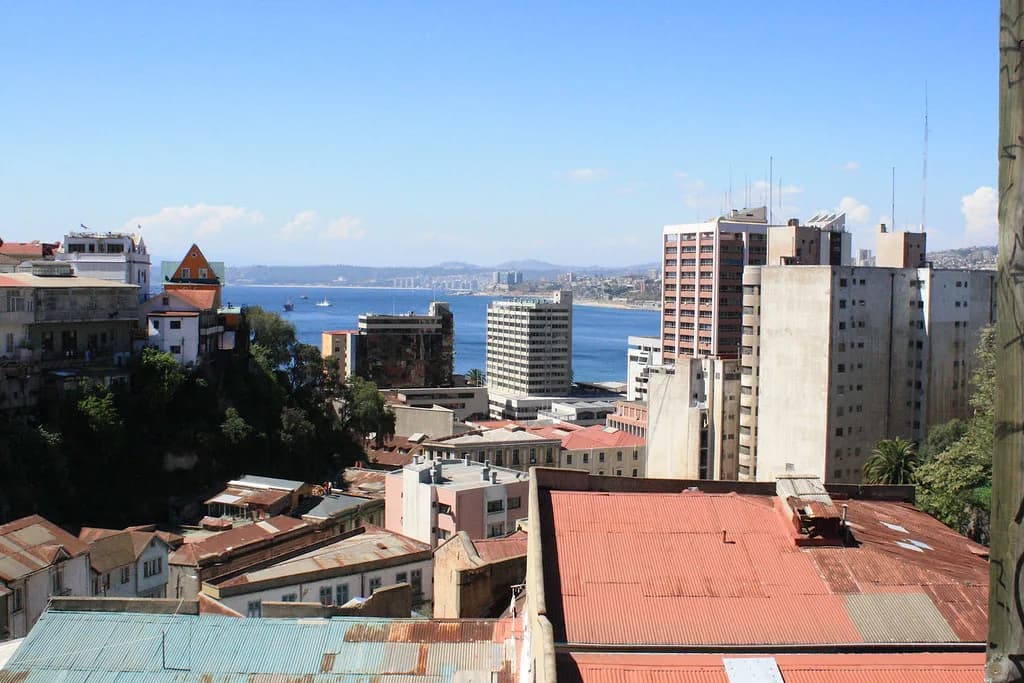
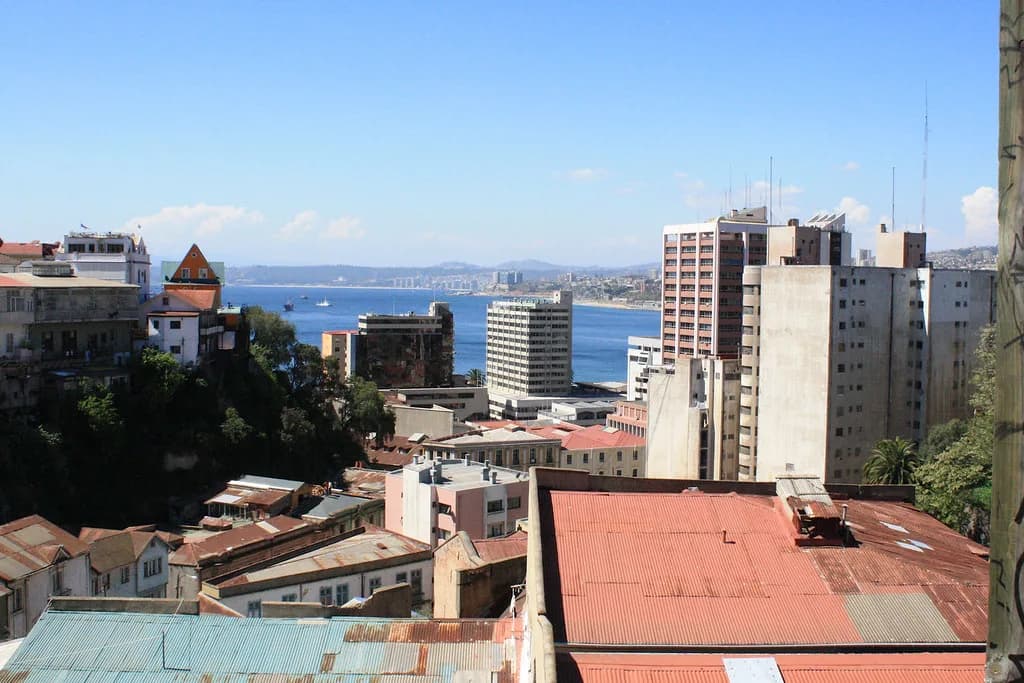
Valparaíso is a port city built on hills, and that single fact reshapes what belongs in your bag. You will spend far more of the day on inclines, staircases, and uneven paving than in a flat capital like Santiago, so weight and grip matter more than outfit variety. Build the list around walking first, then layer style on top.
The second factor is the coast. The city faces the Pacific, which means conditions can shift between a bright afternoon and a breezy, damp evening without much warning. Chile's central region, which includes Santiago and Valparaíso, has a Mediterranean climate with warm, dry summers and mild winters, so pack light, comfortable clothing and walking shoes plus a light jacket for cooler evenings.
Everything below is an editorial suggestion for how to combine pieces, not a dress code. Valparaíso's style reads as laid-back and earthy with a bit of flair, closer to a relaxed coastal city than a formal capital. Where a requirement exists, check it with the operator or authority directly rather than relying on a packing article.
Quick Answer: The Five Decisions That Matter
If you read nothing else, settle these five choices. First, a three-piece layering system you can add to or strip down within a single afternoon. Second, shoes with real grip that you have already broken in. Third, a packable wind and rain shell with a hood. Fourth, a small day bag that stays close to your body on stairs. Fifth, one smart-casual outfit that works for an evening out without a separate packing cube.
Each decision solves a specific problem: hills punish bad footwear, the coast punishes a single-layer outfit, and long days of wandering punish an overstuffed day bag. Get these right and the rest of the list becomes mostly interchangeable filler. Get them wrong and no amount of extra clothing will fix the day.
The Climate Pattern You Are Packing For
Treat climate here as a historical tendency, not a forecast. Central Chile follows a Mediterranean pattern, with warm, dry summers and mild winters, and seasons run opposite to the Northern Hemisphere. That tells you to plan for two broad modes, a warm-weather mode and a cooler-weather mode, and to expect the shoulder months to mix both.
Spring in Chile runs roughly September to November, and it is the season most associated with temperature swings and rain. Pack layers and a waterproof jacket with a hood, and check what to wear in Valparaiso in September before you finalise the shell decision. For the cooler, wetter end of the pattern, the sibling page on what to wear in Valparaiso in May covers the rest of the shoulder season.
Exact monthly temperature and rainfall figures for Valparaíso change from year to year, so use a recognised weather service in the week before departure and read the daily high, low, and precipitation probability. That will tell you more about your specific dates than any seasonal average can.
The Three-Piece Layering System
Think in three slots rather than three garments. A base layer manages moisture against your skin, a mid-layer traps warmth, and a shell blocks wind and rain. On a hill-climbing day you might wear all three in the morning, drop the mid-layer by midday, and add both back after sunset when the coastal air cools.
For the base, choose a quick-dry synthetic or merino tee over heavy cotton, because a sweat-soaked cotton shirt stays wet and cold once you stop moving. For the mid-layer, a thin fleece, cardigan, or lightweight pullover packs small and layers cleanly under a shell. For the shell, prioritise a hood and packability over insulation, since the mid-layer already handles warmth.
If wind is the piece you are most worried about, a dedicated look at Valparaiso coastal fog and wind packing can help you decide between a light windbreaker and a fully waterproof shell. That is a genuinely different trade-off from the general layering question: a windbreaker is lighter and drier to pack, while a waterproof shell costs more space and handles actual rain.
Footwear: Grip Versus Weight
This is the decision most likely to make or break your trip. Valparaíso's hills involve steep streets, painted staircases, switchback paths, and alleyways, and comfort over hours of that terrain comes down to sole grip and support. Comfortable walking boots or shoes are the standard recommendation for exactly this reason.
The trade-off is real: a grippier, more supportive shoe is usually heavier and bulkier in the bag, while a lightweight trainer packs flat and feels easier on long transit days but offers less traction on worn stone and loose surfaces. Smooth-soled fashion shoes or thin flats are a poor match for steep, uneven streets, especially when damp. If you want one pair only, pick the grippier option and accept the extra weight.
A two-pair approach works if you have the space: one substantial walking shoe for hill days and one lighter pair for flat waterfront promenades and evenings. Break both in before you fly, because new footwear on a staircase-heavy city is a bad combination. Bring blister treatment rather than assuming your shoes will behave.
Street-Art Wandering: Keeping the Day Bag Light
Street-art districts here are explored on foot, often for hours, through painted alleys and staircases where you will want your hands free and your bag stable. A compact backpack or a cross-body bag worn close to the body works better than a tote you have to keep repositioning. Keep the load under what you would carry on a normal city day.
A practical day-bag load is water, a packable shell, sun protection, a charged phone, and a small amount of cash for markets and small purchases. Add a lightweight scarf or buff for breezy corners and dusty stairways. Resist adding a second camera body, a laptop, or a heavy guidebook, since every extra item is weight you carry up and down stairs.
For the lightest version of this kit, the guide to what to wear in Valparaiso in January covers the warm end of the year. Treat that page as a seasonal adjustment to the same core system rather than a separate packing list.
One Smart-Casual Outfit for a Port Evening
This is an editorial suggestion, not a dress code, and venues set their own expectations. The efficient approach is to build the evening outfit from pieces already in your day wardrobe rather than packing a separate set. A clean dark top, one pair of trousers or dark jeans that survived the day, and your least dusty pair of shoes is usually enough.
Layering does the rest of the work. A knit cardigan, a light jacket, or a scarf can lift a plain outfit and also serves the breezy evening walk home. If you want one upgrade item, make it a scarf or a simple necklace: it changes the read of an outfit at almost no packing cost.
Keep the shoes practical. An evening out in Valparaíso still often involves slopes and uneven pavements, so a low, stable shoe you can walk in beats a fragile heel you have to manage. If a specific venue publishes a dress requirement, check directly with that venue rather than guessing.
Materials That Earn Their Space
On a hill-and-coast trip, fabric behaviour matters more than garment count. Quick-dry synthetics and merino handle sweat and hand-washing better than heavy cotton, which holds moisture and takes hours to dry. Wrinkle-resistant blends keep a smart-casual outfit presentable after a day in a day bag.
Wind resistance is the second lever. A tightly woven outer layer blocks the coastal breeze far better than a loose knit, so the shell does double duty as a wind layer. Jeans are fine for evenings and transit, but for long walking days a stretch or quick-dry trouser is more forgiving.
Avoid heavy denim jackets, thick wool coats, and bulky sweatshirts as your primary layers. They weigh a lot, occupy most of a bag, and cannot be adjusted as conditions change. A thin mid-layer plus a shell covers the same range at a fraction of the weight.
A Compact Packing Example for a One-Week Trip
For a seven-day trip, treat the numbers as a starting point rather than a rule. Two base tops, one long-sleeve top, one mid-layer, one shell, one smart-casual top, and two pairs of trousers or jeans will cover the week if you plan one laundry stop. Socks and underwear for four to five days, plus a small wash kit, keeps the bag carry-on friendly.
Add one pair of walking shoes worn on the plane and, if space allows, one lighter pair for evenings and flat areas. Pack a compact day bag, sun protection, a refillable bottle, and a light scarf. That set covers hill days, street-art wandering, and the port evening without a second checked bag.
The system works because each piece has more than one job: the mid-layer doubles as an evening layer, the shell handles wind and rain, and the smart-casual top works both day and night. Fewer items with more roles is what makes a hilly city manageable. If your trip runs longer, add one base top and one pair of socks per extra three days and plan to wash.
What to Leave Behind
Heavy coats and bulky insulated jackets are the first cut, since a mid-layer plus a shell covers the same range and adjusts better. Duplicate shoes are the second cut unless you have a clear reason for both pairs. Multiple pairs of jeans, a laptop you will not use, and a hardcover guidebook all add weight without solving a Valparaíso-specific problem.
Also leave behind clothing you are saving for a hypothetical occasion. A formal outfit, extra heels, and a full second wardrobe rarely get used on a trip built around walking. If an event does have a defined requirement, confirm it with the organiser and pack for that specific case rather than hedging with generic extras.
Finally, do not guess at electrical, visa, or medical requirements. Those vary by nationality, device, and personal circumstances, so check the relevant official source rather than a packing list. The same applies to airline baggage limits, which change by fare and carrier: confirm directly with your airline before you pack.
Checking the Weather Before You Fly
A few days before departure, look at a daily forecast for Valparaíso rather than a seasonal summary. Check the high, the low, precipitation probability, and wind, and note whether the pattern is stable or shifting. That tells you whether to pack the full shell or a lighter windbreaker.
Then adjust at the margins instead of repacking from scratch. A cool, wet forecast means keeping the mid-layer and waterproof shell and adding an extra pair of socks. A warm, dry forecast means dropping the insulating layer and adding a sun hat. Either way, the three-slot system stays the same.
If the forecast shows a sharp drop after sunset, plan on carrying the mid-layer even on warm days, since coastal evenings cool quickly. Pack the layer rather than leaving it at your accommodation, because you will not want to walk back up the hill to retrieve it. A small, light layer in the day bag solves this cheaply.
Plan Your Visit
Valparaíso packing comes down to respecting terrain and coast at the same time. Build the list around grip and support underfoot, then add a three-piece layering system that handles a warm afternoon and a breezy evening. Keep the day bag light and the evening outfit derived from what you already carry.
Confirm anything that is a requirement rather than a preference, including venue expectations, airline baggage limits, and any legal or medical rules, with the operator or authority that sets them. For everything else, use the forecast in the days before you fly to make the final call on layers and shells.
More packing guides for Chile
- What to Pack for a Valparaíso Port and Nightlife Evening
- Valparaiso Fog and Wind Packing Guide: Layers, Shells, and Shoes
- Packing for Valparaiso Street Art and Hillside Walks
- What to Wear in Valparaiso in January: Summer Packing
- What to Wear in Valparaiso in May: Autumn Rain Layering
- What to Wear in Valparaíso for Walking the Cerros
- What to Wear in Valparaíso in September: Spring Layering Guide
- What to Wear in Valparaiso in November
Frequently Asked Questions
What shoes should I pack for walking Valparaíso's hills?
Choose footwear with real sole grip and enough support for hours on steep streets and staircases, and break it in before you travel. A substantial walking shoe is the safer single-pair choice; a lightweight trainer packs smaller but offers less traction on worn or damp surfaces. If you can manage two pairs, keep the grippier one for hill days and a lighter pair for flat areas and evenings.
Do I need a rain jacket in Valparaíso?
A packable shell with a hood is the most versatile choice, because it blocks coastal wind as well as rain and layers over a mid-layer. Whether you need full waterproofing or only wind resistance depends on your travel window, so check a daily forecast in the days before departure. Spring is the season most associated with temperature swings and rain in central Chile.
How should I layer for warm days and cool coastal evenings?
Use three slots: a quick-dry base, a thin mid-layer, and a wind or rain shell. Wear all three in the morning and after sunset, and strip to the base during the warmest part of the day. Carry the mid-layer in your day bag rather than leaving it behind, since coastal evenings cool faster than the afternoon suggests.
What should I wear for an evening out in Valparaíso?
Build one smart-casual outfit from pieces already in your day wardrobe: a clean dark top, trousers or dark jeans, and your most presentable walkable shoes. This is an editorial suggestion, not a dress code, and individual venues set their own expectations. If a specific place publishes a requirement, confirm it with that venue directly.
How do I pack light for a hilly city without missing anything?
Pack pieces that do more than one job: a mid-layer that doubles as an evening layer, a shell that handles wind and rain, and shoes that work for both walking and evenings. Size the capsule to your trip length and plan one laundry stop on longer stays. Fewer, more versatile items are easier to carry up and down stairs than a large wardrobe.
What can I leave out of my Valparaíso packing list?
Leave out heavy coats, duplicate shoes, multiple pairs of jeans, and formal clothing you are saving for a hypothetical occasion. A mid-layer plus a shell covers the same temperature range as a bulky coat at far less weight. Skip a laptop and a hardcover guidebook unless you have a specific use for them.
How do I check the weather before packing for Valparaíso?
Look at a daily forecast for your actual travel dates rather than a seasonal average, and read the high, the low, precipitation probability, and wind. Adjust at the margins: keep the mid-layer and waterproof shell for a cool, wet pattern, and drop the insulation for a warm, dry one. Confirm airline baggage limits with your carrier, since those vary by fare.
Sources
Free: The Ultimate Packing Cheat Sheet
A carry-on capsule wardrobe, the complete packing checklist, layering made simple, and what to wear by season — one printable page you'll use on every trip.
You might also like


Continue reading
More guides you'll find useful