Krabi Rainy Season Boat Trip: Monoosa, Wind and Spray
Pack for Krabi boat trips in the rainy season: dry bags, quick-dry layers, wind and spray protection, and a wet-weather backup plan for cancelled sea tours.
On this page
A boat day in Krabi during the monsoon-affected months is rarely one weather condition. Historical seasonal patterns place the southwest monsoon roughly from mid-April through October, and sea state can change between the morning you book and the moment you step onto the pier. Packing is therefore a set of decisions, not a single fixed list.
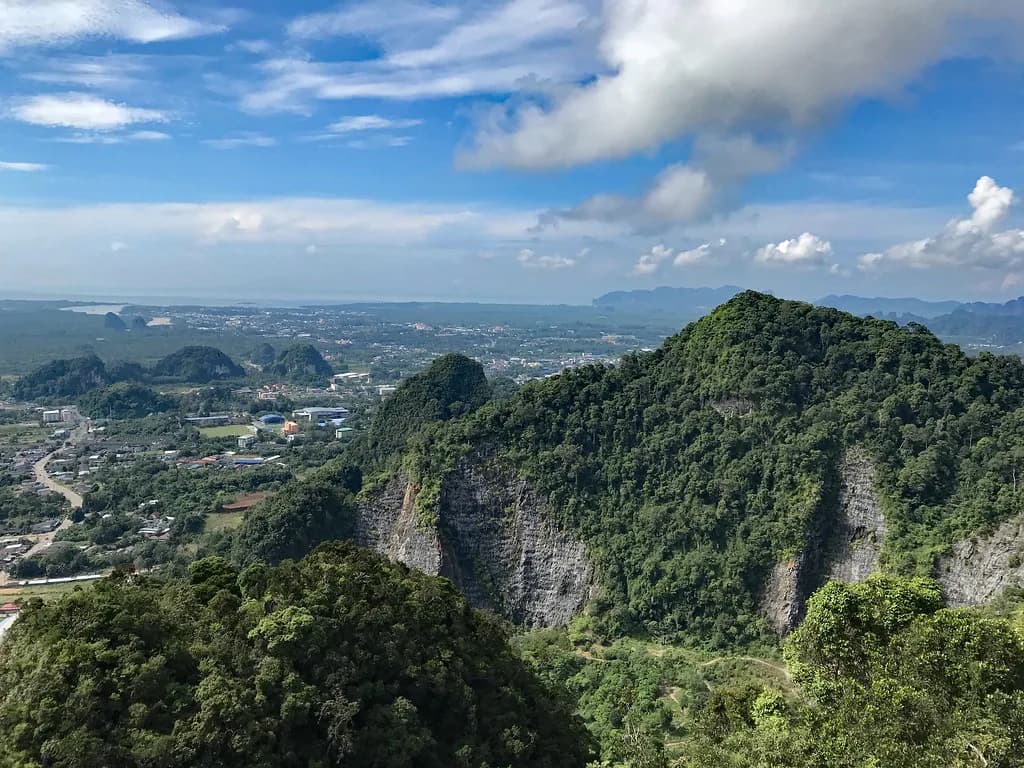
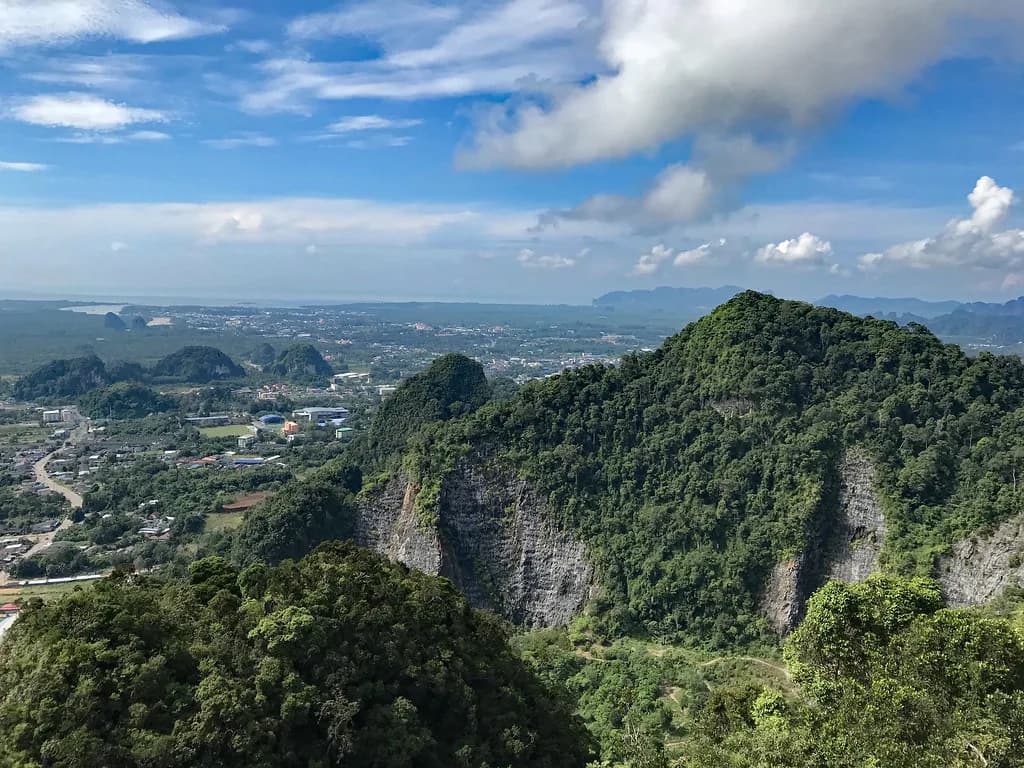
The route matters as much as the month. Open-water crossings toward the Phi Phi Islands catch more wind and spray, while sheltered bays such as Hong Island and Railay East sit behind limestone and tend to stay calmer in the same conditions. Your dry storage, footwear, and layer choices should follow the route you have booked.
Everything below is an editorial suggestion, not a rule. If your operator publishes specific requirements about lifejackets, safety equipment, or cancellation procedure, that instruction takes priority over any general advice here.
How the Monsoon Season Shapes the Bag
Krabi sits on the Andaman coast, where the southwest monsoon historically runs from around mid-April to October and brings a greater chance of rain, wind, and choppy seas. The wet season is described as the low season for tourism, with frequent rain rather than constant rain.
Limestone cliffs ring many bays and block the prevailing wind, so water inside Hong Island's bay or along east-facing Railay East can stay calmer than the open sea outside. That difference is worth knowing before you decide how much weatherproofing to carry.
In practice, a sheltered-bay day needs less shell and more sun gear than an open-water crossing. If you are weighing the two, our guide to what to wear in Krabi for island hopping breaks down the route-level differences.
Dry Storage First: Sizing the Right Bag
Start with a sizing decision rather than simply adding a dry bag to the list. A phone-only waterproof pouch on a lanyard suits a half-day sheltered-bay trip where you want quick access to photos; a 10- to 20-litre roll-top dry bag suits a full day with a towel, a spare layer, sunscreen, and a first layer of camera protection.
If you carry both, treat them as two separate jobs. The pouch stays on you for the phone, while the dry bag stays shut on the deck under your seat and opens only on land or in a sheltered anchorage.
Pack anything you cannot afford to soak into the dry bag before you leave the hotel, not at the pier. Doing it at the pier almost guarantees something is left exposed while you rush to board.
Boat-Day Outfit and the Rain Jacket Trade-Off
A practical wet-season boat outfit is a quick-dry base layer, swimwear underneath, and a light wind-and-spray shell on top. Quick-dry synthetics or thin merino dry within an hour in tropical air, while cotton stays damp against the skin and pulls heat off your body on the ride back.
The jacket-versus-poncho choice is a comfort trade-off, not a safety one. A packable poncho is cheap, covers a backpack, and packs to nothing, but it flaps in wind and leaves your lower body exposed; a light rain jacket with taped seams handles spray and wind better and stays on when the boat speeds up.
In warm tropical rain, breathability matters more than a high waterproof rating. A heavier shell that traps humidity can leave you wetter from sweat than from the sky, so an unlined, breathable layer is often the better pick.
Footwear for Wet Decks and Wet Sand
Gripped sandals with a secure heel strap are the most versatile single pair for a rainy-season boat day. They drain, they are easy to slip off for a wet beach landing, and they hold better on a slick deck than flip-flops.
Closed water shoes or mesh trainers give more grip and toe protection when you wade off a longtail at a beach without a pier. The trade-off is weight and drying time, so they make more sense on routes with multiple wet landings than on a single sheltered-bay trip.
Heavy hiking boots are the wrong call. They hold water, dry slowly, and are awkward on a moving deck; if you also hike inland, pack lightweight trail shoes separately rather than relying on one compromised pair.
Sun Protection for the Sunny Breaks
A grey morning is not a signal to leave sun protection behind. UV exposure on the water is high even under broken cloud, and reflected light off the sea adds to it, so pack a hat, sunglasses with a retention strap, and reef-safe sunscreen regardless of the morning sky.
A brimmed hat with a chin cord stays on in wind; a loose cap tends to end up overboard. A retainer strap on sunglasses solves the same problem, and a small reef-safe sunscreen lives in the outside pocket of the dry bag for quick reapplication between stops.
Ambient temperatures on the Andaman coast stay high all year, so heavy insulation rarely earns its space. For month-by-month context on heat and rain tendencies, the Krabi packing list rainy season page sets out how the period is usually described.
Electronics and Small Valuables
Leave anything you would grieve over in the hotel safe. Passports, spare cards, second cameras, and jewellery are better left behind, and no waterproof pouch is a guarantee against a full soaking or a wave over the bow.
What you actually carry is a phone, a small power bank in a sealed pocket, and perhaps one compact camera in a hard case inside the dry bag. Splitting storage means a single leak does not take your whole electronics kit with it.
Wet hands make touchscreens unreliable, so a pouch that lets you operate the phone through the plastic, or a quick-dry towel within reach to dry your fingers, solves the practical problem better than a lanyard alone.
Bugs, Humidity, and the Ride Home
Repellent and a light long-sleeve layer are the two comfort items most often forgotten on a wet-season boat day. Rain and humidity bring mosquitoes out around dusk and near the mangrove edges of Railay East, and the return ride often runs into evening conditions on the water.
A long-sleeve, quick-dry top does double duty: it handles insect coverage for your arms and blocks wind when the boat speeds up. A microfiber towel dries far faster than a cotton one and fits into a small dry bag without crowding out your spare layer.
Keep repellent in a sealed pouch rather than a loose pocket. An insect-repellent bottle leaking across carefully packed electronics undoes the reason you carried a dry bag in the first place.
A Trip-Length Packing Example
For a three- to five-day Krabi stay in the monsoon-affected months, with one boat day built in, a single carry-on is enough. Two quick-dry tops and two bottoms, plus swimwear, cover beach time, town evenings, and the boat day without overpacking.
Add one light rain jacket or packable poncho, one long-sleeve quick-dry layer, a pair of gripped sandals, one pair of closed water shoes if your route involves multiple beach landings, and one microfiber towel. If you already have hot-weather clothing that layers over swimwear, you do not need a heavier version.
Pack a small daypack for the boat day and a light daypack for inland backup plans. If your route style leans toward dry-season travel, the Krabi packing list dry season compares what changes when rain and wind are less of a factor.
What to Leave Behind
Cotton jeans, heavy towels, and anything that soaks and stays damp belong at home in the wet season. They add weight, take days to dry in humid air, and give you no benefit on a boat day.
Excess camera gear, a second pair of heavy shoes, and formal clothing are also poor value for a Krabi wet-season trip that centres on beaches and boats. Bring the small, light, replaceable version of anything you might not use.
Anything you cannot afford to lose to water is the real leave-behind list. If a device, document, or item would ruin your trip if it got soaked, keep it in the hotel safe.
Before You Go: Weather Check and Operator Questions
Check wind and wave forecasts one to two days ahead rather than on the morning of the trip, and again the evening before. Use a regional marine forecast or your operator's own update, and plan the decision point early enough to shift your boat day without scrambling.
Confirm with your own operator what happens if seas turn rough. Ask directly whether they reroute, postpone, or cancel, and whether a rough-weather alternative is offered; do not assume any specific refund or rebooking policy applies to your booking.
Route selection is part of that conversation. Sheltered options such as Hong Island or Railay East are historically more likely to run on days when open-water Phi Phi trips are affected, so a route question is a packing question too.
Packing for a Cancelled-Weather Backup Day
Treat a cancelled or rerouted sea tour as a normal planning scenario rather than a disaster. Flexible hotel bookings let you shift a day later if your operator can move your trip, and they also give you room to change plans on short notice.
For an inland backup day, pack a light daypack with a rain shell, a microfiber towel, and the same quick-dry layers you already brought for the boat. Klong Thom hot springs and other inland alternatives are often described as practical wet-weather substitutes when boats stay ashore.
Do not over-pack for a plan that may never happen. A light layer and a small towel cost you nothing in luggage weight and cover most backup-day scenarios without duplicating your boat kit.
Plan Your Visit
The core idea is that a Krabi rainy-season boat day is a sequence of small decisions: which route, which dry storage, which layer, which footwear. Get those four right and the rest of the kit follows.
Verify the volatile details with your own operator rather than a general guide. Cancellation policy, reroute options, lifejacket provision, and any safety requirement are things only your operator can confirm for your specific booking.
For the wider context of a Krabi trip beyond the boat day, start from the Krabi packing list and adapt it to your route and season.
Frequently Asked Questions
What should I pack for a Krabi boat trip during the rainy season?
A dry bag or waterproof phone pouch for anything valuable, quick-dry clothing, a light wind-and-spray shell, gripped sandals or closed water shoes, a microfiber towel, sun protection for clear spells, and insect repellent for humid evenings. Treat these as suggestions and confirm any specific requirement with your operator before you book.
Will my Krabi island tour be cancelled if it rains?
Not automatically. Operators decide based on sea state and safety rather than rainfall alone, and some routes reroute to sheltered bays instead of cancelling. Ask your own operator what their policy is for rough seas and whether a reroute or alternative day is offered.
Which Krabi boat routes are calmer during the monsoon?
Sheltered options such as Hong Island's inner bay and east-facing Railay East tend to stay calmer than open-water crossings toward the Phi Phi Islands, because limestone cliffs block the prevailing southwest wind. Conditions still vary day to day, so check forecasts and your operator's assessment.
Should I bring a rain jacket or a poncho for Krabi?
Both can work. A packable poncho is light and cheap but flaps in wind and leaves your legs exposed, while a light rain jacket with taped seams handles wind and spray better and stays on at speed. For warm tropical rain, choose the more breathable option rather than the heaviest one.
How do I keep my phone dry on a Krabi boat trip?
Use a waterproof pouch on a lanyard if you need to use the phone during the day, or keep it inside a roll-top dry bag with your other valuables if access is not essential. Keep a small towel within reach to dry your hands, and leave anything irreplaceable in the hotel safe.
What shoes should I wear on a wet boat in Krabi?
Gripped sandals with a secure heel strap are the most versatile single pair for a wet deck and a beach landing. Closed water shoes give more grip and toe protection if your route has multiple wet landings, while heavy hiking boots hold water and are the wrong choice for a moving deck.
How many days ahead should I check the Krabi weather and wave forecast?
Check one to two days ahead and again the evening before, using a regional marine forecast or your operator's own update. This gives you time to shift a boat day, adjust your outfit, or prepare a backup plan rather than deciding at the pier.
What should I leave behind when packing for Krabi in the wet season?
Leave behind cotton jeans, heavy towels, bulky camera kits, and anything you cannot afford to get soaked. Anything irreplaceable should stay in the hotel safe rather than travelling to the boat, and second pairs of heavy shoes are usually dead weight on a wet-season trip.
Sources
Free: The Ultimate Packing Cheat Sheet
A carry-on capsule wardrobe, the complete packing checklist, layering made simple, and what to wear by season — one printable page you'll use on every trip.
You might also like


Continue reading
More guides you'll find useful