Pokhara Packing List: Clothes and Gear for Lakeside and Treks
Pack for Pokhara with layered clothing for variable weather, rain gear for monsoon showers, broken-in hiking shoes, and a light lakeside kit. Here is what to bring.
On this page
Pokhara weather month by month
Typical conditions from 30 years of daily weather data — use it to see how much to pack for the month you are travelling.
| Month | High / low | Days with rain | Afternoon humidity | Daylight |
|---|---|---|---|---|
| January | 15° / 4°C (59° / 40°F) | 5 in 10 days | 53% | 10.4 h |
| February | 17° / 5°C (62° / 41°F) | 7 in 10 days | 52% | 11 h |
| March | 21° / 8°C (69° / 46°F) | 6 in 10 days | 49% | 11.8 h |
| April | 24° / 11°C (75° / 52°F) | 6 in 10 days | 49% | 12.7 h |
| May | 25° / 15°C (77° / 60°F) | 8 in 10 days | 59% | 13.4 h |
| June | 26° / 20°C (78° / 68°F) | 9 in 10 days | 71% | 13.8 h |
| July | 25° / 22°C (78° / 71°F) | 10 in 10 days | 78% | 13.6 h |
| August | 25° / 22°C (78° / 71°F) | 10 in 10 days | 77% | 13 h |
| September | 25° / 20°C (76° / 68°F) | 9 in 10 days | 72% | 12.2 h |
| October | 23° / 15°C (73° / 58°F) | 6 in 10 days | 61% | 11.3 h |
| November | 19° / 11°C (67° / 51°F) | 5 in 10 days | 58% | 10.6 h |
| December | 16° / 8°C (61° / 46°F) | 5 in 10 days | 56% | 10.2 h |
Travelling on specific dates? Use our What to Wear Planner for the weather, outfits and a packing list for your exact days in Pokhara.
Averages for 1991-2020, modelled from Copernicus ERA5-Land and ERA5 reanalysis via Open-Meteo open data (CC BY 4.0), adjusted to Pokhara's elevation. Modelled afternoon highs can read 1–2°C below airport weather-station records.
Pokhara sits beside Phewa Lake at a relatively low elevation, but the surrounding hills and the Annapurna region rise quickly, so a single day can move from warm lakeside streets to cool, breezy trails. That difference is the core packing problem: a light town kit alone leaves you cold higher up, while a full trekking kit is heavy and unnecessary for Lakeside evenings. Pack around layers you can add or remove, with footwear and rain protection that suit both settings.
Treat Pokhara's seasons as tendencies rather than guarantees. Pre-monsoon months generally bring warming conditions, the monsoon brings frequent rain, post-monsoon often clears, and winter is cooler, especially at altitude and after dark. Check a forecast for your exact travel dates before you finalise your bag, and adjust quantities rather than buying new categories of gear.
Why Pokhara Packing Is Different: Lakeside Warmth Versus Cool Mornings and Hill Trails
Pokhara's lakeside area is comfortable for much of the year, which tempts visitors to pack only t-shirts, shorts, and sandals. The trade-off appears when you head to viewpoints such as Sarangkot for sunrise, walk up to the World Peace Pagoda, or start a trek into the Annapurna foothills, where mornings and evenings feel noticeably cooler and windier. A compact midlayer and a wind-resistant outer layer solve most of that gap without adding much weight.
Think in two kits that share a base. The lakeside kit is light, modest, and quick-drying; the hill kit adds insulation, a rain shell, and sturdier footwear. If your trip includes a teahouse trek, the hill kit needs to work harder, and you can find more detail in a dedicated Pokhara trekking packing list. If your plans stay in town with one or two short hikes, keep the hill layer minimal and leave the heavy gear at home.
Pokhara's Seasonal Packing Tendencies: Pre-Monsoon, Monsoon, Post-Monsoon, and Winter
Pre-monsoon conditions tend to be warm and hazy, with the chance of build-up cloud and occasional showers, so light breathable clothing plus a packable rain layer covers most days. The monsoon is the season that most changes your packing decisions: expect humid days, frequent rain, and slippery trails, which makes quick-drying fabrics, a real waterproof shell, and footwear with grip far more useful than extra outfits. If your dates fall in that window, a Pokhara packing list for monsoon season goes deeper into managing wet gear, drying clothes, and keeping electronics usable.
Post-monsoon is often the most straightforward period to pack for, with clearer views and cooler mornings, so a light insulated layer earns its place for sunrise viewpoints and higher walks. Winter brings genuinely cool mornings and evenings around Pokhara and colder conditions on any trek, which is where a warm hat, gloves, and a proper insulating layer shift from optional to sensible.
Clothing Strategy: Layering Modest, Quick-Drying Pieces You Can Add or Remove
Build your clothing around three layers: a light base layer that manages sweat, a midlayer such as a light sweater or fleece for cool mornings, and a windproof or waterproof outer shell. Quick-drying synthetics or merino work better than heavy cotton for hiking days, because cotton holds moisture and dries slowly after rain or effort. For town, a soft cotton t-shirt or two is perfectly fine and comfortable.
Nepal's cultural norms lean modest, and many visitors choose long pants, t-shirts, and long-sleeved light sweaters rather than tank tops, miniskirts, or short shorts, especially outside the lakeside strip and at religious sites. This is an editorial suggestion for comfort and respectful travel rather than a rule you will be stopped for breaking. A light scarf or large cotton wrap is a versatile addition, useful for covering shoulders at temples and for sun protection on exposed walks.
What to Wear Around Lakeside and Town: Light Fabrics, Long Pants, and a Shoulder Cover
Around Lakeside, days are often warm enough for light trousers or cropped pants with a t-shirt or shirt, plus a thin long-sleeved layer for the evening breeze off the water. Loose, breathable fabrics handle the humidity better than tight synthetics, and darker colours hide dust and splashes from scooters and rain. A shoulder cover such as a scarf or light cardigan lets you move between cafes and temples without changing outfits.
Evenings by the lake can feel noticeably cooler than midday, particularly outside the warmest months. Pack one warm layer you would happily wear over a t-shirt, and choose closed shoes or sturdy sandals if you plan to walk between Lakeside and the old town. A small crossbody bag or daypack is more practical than a handbag for carrying water, a rain shell, and a phone.
Footwear: Pairing Broken-In Hiking or Trail Shoes With Light Sandals for Town
Footwear is where a Pokhara packing list earns or loses its value. Bring shoes you have already worn on long walks, because blisters from brand-new boots can derail a hike on day one. Trail shoes or light hiking boots handle rocky, dusty paths and steep stone steps better than running shoes, while a pair of sandals or flip-flops covers town, guesthouse corridors, and shared bathrooms.
If your trip is mostly lakeside with a viewpoint walk, one pair of supportive walking shoes plus sandals is enough. For teahouse trekking, choose boots with ankle support and a grippy sole, and pack a second light pair for evenings. Wool or moisture-wicking socks reduce friction on longer walks, while cotton socks are a poor choice for sustained hiking.
Rain Gear and Monsoon-Day Kit for Afternoon Showers
A lightweight, genuinely waterproof shell with a hood is the single most useful rain item, and rain pants are worth adding for trekking or for scooter days during the monsoon. Ponchos are cheap and cover a backpack, but they flap in wind and can leave your legs wet, so many travellers prefer a jacket-and-pants combination for anything beyond a short walk. A compact umbrella is handy in town, though it is useless on exposed trails.
Plan for wet gear rather than pretending it will stay dry: a dry bag or a lined stuff sack protects electronics and spare clothes inside your daypack, and a small quick-dry towel helps. Footwear that drains and dries beats waterproof boots that fill with water on a muddy trail. Keep one set of dry clothes sealed in a plastic bag so you have something comfortable at the end of a wet day.
Sun and Altitude Protection: Hat, Sunglasses, Sunscreen, and Lip Balm for Exposed Trails
Sun exposure is easy to underestimate because Pokhara often feels hazy rather than blazing, and the effect increases as you gain elevation. A brimmed sun hat, UV-protective sunglasses, high-factor sunscreen, and lip balm with sun protection belong in your daypack every day, not just on trekking days. Natural Habitat Adventures recommends sunscreen and lip balm of at least SPF 30 for Nepal trips, which is a reasonable benchmark to work from.
On longer hikes, reapply sunscreen to your neck, ears, hands, and the back of your knees, since those areas catch reflected light and are frequently missed. A light long-sleeved shirt and a neck buff can replace a lot of sunscreen on exposed ridges, and they are easier to manage when you are sweating. If you plan higher-elevation walking, treat sun protection as part of your layering system rather than an afterthought.
Daypack Contents for Lakeside Walks, Viewpoints, and Short Hikes
A small water-resistant daypack of around 15 to 25 litres covers most Pokhara day trips, holding a rain shell, water, sun protection, a snack, and a layer. Keep it organised so you are not repacking on a viewpoint: one pouch for electronics and money, one dry bag for a spare layer, and a quick-access pocket for sunscreen and a hat. A compact umbrella and a headlamp or small flashlight both earn their space, since power cuts are common in the region according to the Natural Habitat Adventures packing guide.
For sunrise trips to Sarangkot, add a warm midlayer and gloves even in the warmer months, because the pre-dawn ride and the exposed viewpoint feel cold. For walks around Phewa Lake and the Peace Pagoda steps, carry more water than you think you need and keep your hands free. If you are combining a hike with an adventure activity later in the day, your daypack doubles as the place to stash a change of clothes and a dry bag.
Water, Insect Repellent, and a Basic First-Aid Kit for Variable Conditions
A reusable water bottle with a built-in filter is one of the most practical items for Nepal, since it lets you refill from taps or refill stations instead of buying bottled water constantly. Nepal Mother House Treks lists a water bottle with a built-in filter among its top items for a Nepal trip, noting that clean drinking water is harder to find outside major cities. Pair it with a small supply of water-treatment backup if you will be spending time away from reliable refill points.
Insect repellent matters most in the warm, humid months and around standing water or green areas, and an anti-itch cream is a small addition that prevents a minor annoyance from ruining a day. A basic first-aid kit should include blister plasters, a small amount of antiseptic, pain relief you already know you tolerate, rehydration sachets, and any prescription medicines you take. Note that DEET-based repellents can damage plastics and synthetic fabrics, so keep them separate from your gear.
Optional Gear for Adventure Activities: Swimwear, Dry Bag, Quick-Dry Towel
If your Pokhara plans include paragliding, zip-lining, or a boat trip on Phewa Lake, pack a windproof outer layer, secure footwear, and a small dry bag for your phone and wallet. Paragliding flights launch from hillside sites such as Sarangkot and can feel cool and breezy in the air, so a light jacket is worth carrying even on a warm day. If your itinerary centres on that activity, what to wear paragliding in Pokhara covers layering and footwear specifics.
Bring a swimsuit if you plan to swim, because it can be hard to find in Pokhara shops, and a quick-dry travel towel is more useful than a bulky cotton one if you swim or take a boat out on the lake. A waterproof phone case or pouch protects your device during boat rides and monsoon showers. These are small, light items that turn an ordinary day out into a comfortable one.
A Compact Five-Day Packing Example for Pokhara, Plus Day-Trip Add-Ons
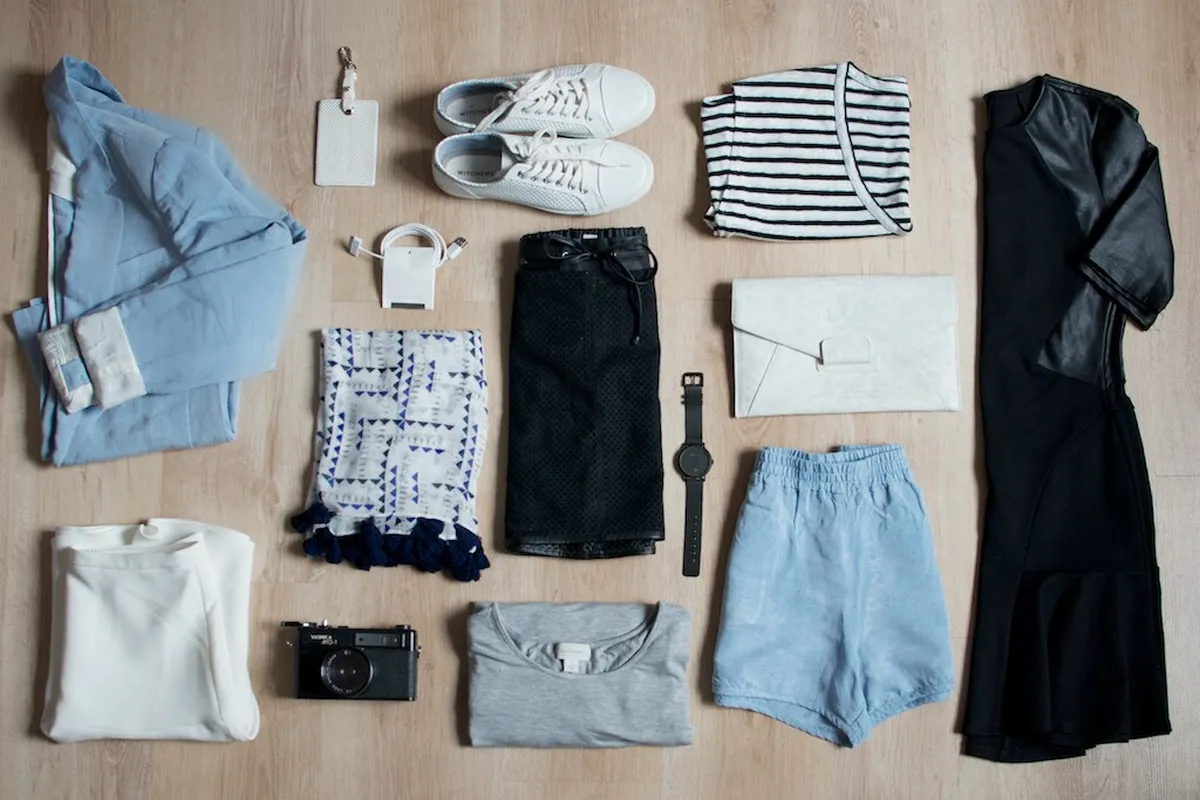
For five days mixing town time with two short hikes, start with three t-shirts or light shirts, two pairs of comfortable long pants, one pair of shorts for the guesthouse, and one light long-sleeved layer. Add a fleece or light insulated jacket, a waterproof shell, a sun hat, a scarf, three to four pairs of moisture-wicking socks, and underwear for the full trip. Footwear is one pair of broken-in walking or hiking shoes plus one pair of sandals or flip-flops.
For a five-day trip, toiletries, sunscreen, insect repellent, a basic first-aid kit, a filtered water bottle, a headlamp, a power bank, and a small daypack round out the list. If you are adding a multi-day trek, swap the shorts for a second pair of hiking trousers, add rain pants, a warm hat and gloves, and a sleeping bag liner if your teahouse itinerary calls for one. Pack a laundry bag and a few metres of travel line if you plan to wash clothes mid-trip, since drying takes longer in humid or rainy weather.
What to Leave Behind and What You Can Buy or Rent in Pokhara
Leave behind heavy cotton jeans for hiking, bulky towels, multiple pairs of shoes, and a large camera kit you will not carry. Formal clothing, hairdryers, and heavy toiletries are usually unnecessary, and beachwear that exposes shoulders and knees is out of step with local norms outside the lakeside strip. Pack as light as you comfortably can, since many visitors find they want space for souvenirs on the way home.
Pokhara has plenty of shops selling and renting hiking gear, including boots, jackets, and sleeping bags, although quality and condition vary between shops, so inspect seams, zips, and soles carefully before renting. Basic toiletries such as shampoo and deodorant are widely available, but specific items like dry shampoo and reliable high-factor sunscreen can be harder to find. Prescription medicines, comfortable broken-in footwear, and any specialised gear you depend on should come from home.
Before You Leave: Check the Forecast and Confirm Activity-Specific Gear
A week before departure, check a Pokhara forecast for your travel dates and let it settle your quantities rather than your categories: if rain is likely, add rain pants and a second dry bag; if clear and cool, add the warm hat and gloves. If you are booked on a trek or an adventure activity, confirm with the operator what equipment they supply and what you must bring, since this varies by company and route. Do not rely on a general packing list to tell you what a specific operator requires.
The night before you fly, put your prescription medication, passport copies, and a spare set of clothes in your carry-on, and keep your rain shell and a warm layer accessible rather than buried in checked luggage. If you are heading straight to a trek, wear your heaviest footwear on the flight to save space and reduce the risk of lost boots. Everything else can be adjusted once you arrive.
Plan Your Visit
Pokhara rewards a bag built around layers, dry feet, and sun protection rather than a large wardrobe. Start with a modest, quick-drying base kit for town, then add insulation, a real rain shell, and sturdy footwear for hills and trails. Keep the total volume small so you have room for purchases and can move comfortably between a guesthouse, a boat, and a trailhead.
Confirm the details that change with your dates and operator, from the forecast for your travel window to what your trek or activity provider supplies, and adjust from there. With those checks done, the packing itself is straightforward.
More packing guides for Nepal
Frequently Asked Questions
What should I pack for a trip to Pokhara?
Pack for two settings: a light, modest town kit of t-shirts, long pants, a thin long-sleeved layer, and sandals, plus a hill kit with a warm midlayer, a waterproof shell, and supportive walking or hiking shoes. Add a sun hat, sunglasses, sunscreen, insect repellent, a filtered water bottle, a small daypack, and a basic first-aid kit. Bring swimwear if you plan to swim, since it can be hard to find locally.
What should I wear in Pokhara?
Around Lakeside, light trousers or cropped pants with a t-shirt or shirt work well, with a thin layer for cooler evenings. For temples and areas outside the lakeside strip, many visitors choose long pants and tops that cover the shoulders as a matter of comfort and respect, though this is a suggestion rather than an enforced rule. For hikes, switch to quick-drying layers and grippy footwear.
Do I need hiking boots for Pokhara?
You need supportive, broken-in footwear for any real walking, but full boots are only necessary for trekking or rough trails. Trail shoes are lighter and fine for short hikes, viewpoint walks, and the Peace Pagoda steps. If you are doing a multi-day teahouse trek, choose boots with ankle support and a grippy sole, and bring a second light pair for evenings.
What should I pack for Pokhara in monsoon season?
Focus on staying dry: a genuinely waterproof jacket with a hood, rain pants for trekking or scooter days, a dry bag for electronics, quick-drying clothing, and footwear that drains. Pack a compact umbrella for town and a quick-dry towel, and keep one set of clothes sealed in a plastic bag. Humidity slows drying, so plan to wash less and rinse more often.
Can I buy or rent trekking gear in Pokhara?
Yes, Pokhara has many shops selling and renting items such as boots, jackets, and sleeping bags, but quality and condition vary, so inspect seams, zips, and soles before you commit. Basic toiletries are easy to find, while dry shampoo and reliable high-factor sunscreen can be harder to source. Bring prescription medicines and any specialised gear you depend on from home.
How do I pack light for Pokhara and a short trek?
Build one shared base of three t-shirts, two pairs of long pants, one warm midlayer, one rain shell, and one pair of walking shoes plus sandals, then add only what the trek requires: rain pants, a warm hat and gloves, extra socks, and a sleeping bag liner if your itinerary calls for one. Wear your heaviest footwear while travelling and leave bulky towels, jeans, and duplicate shoes behind.
Sources
Free: The Ultimate Packing Cheat Sheet
A carry-on capsule wardrobe, the complete packing checklist, layering made simple, and what to wear by season — one printable page you'll use on every trip.
You might also like


Continue reading
More guides you'll find useful