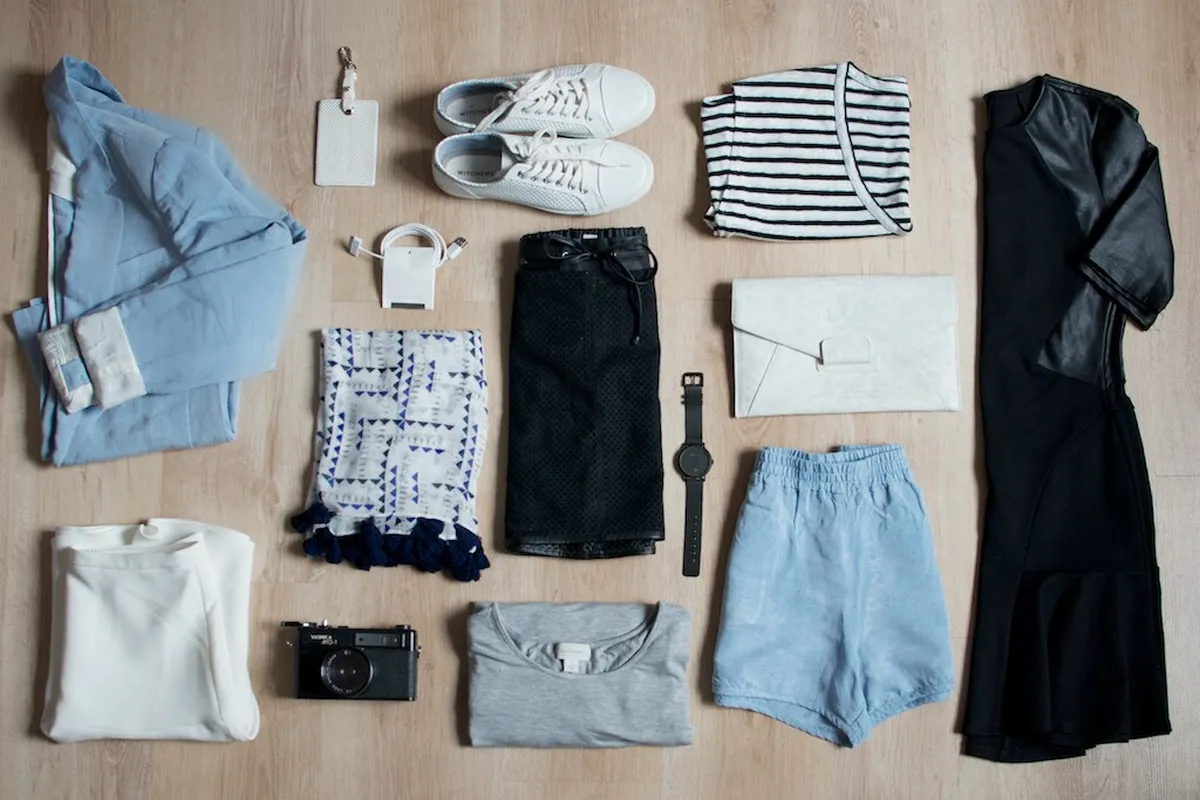
What to Wear in Pokhara in November: Layers and Footwear
Pack for Pokhara in November with layers for cool mornings, mild afternoons, and dry trails. This guide covers footwear, fabrics, and what to leave behind.
On this page
Pokhara in November: the weather in numbers
Typical November conditions from 30 years of daily weather data, split into early, mid and late month so you can match them to your travel dates.
| Dates | Early Nov (1–10) | Mid Nov (11–20) | Late Nov (21–30) |
|---|---|---|---|
| Afternoon high | 21°C (69°F) | 19°C (66°F) | 18°C (64°F) |
| Night-time low | 11°C (51°F) | 11°C (51°F) | 11°C (51°F) |
| Feels like (afternoon) | 20°C (68°F) | 19°C (66°F) | 17°C (63°F) |
| Range of afternoon highs | 19–22°C | 17–21°C | 16–20°C |
| Days with rain | 4 in 10 days | 6 in 10 days | 6 in 10 days |
| Afternoon humidity | 56% | 60% | 60% |
| Average wind | 4 km/h | 4 km/h | 4 km/h |
| Daylight | 10.8 h | 10.6 h | 10.4 h |
What this means for your suitcase
- Mild days: long sleeves with a light sweater or jacket you can take off at midday.
- Rain on about 5 in 10 days — a waterproof jacket and water-resistant shoes.
Travelling on specific dates? Use our What to Wear Planner for the weather, outfits and a packing list for your exact days in Pokhara.
Averages for 1991-2020, modelled from Copernicus ERA5-Land and ERA5 reanalysis via Open-Meteo open data (CC BY 4.0), adjusted to Pokhara's elevation. Modelled afternoon highs can read 1–2°C below airport weather-station records.
Pokhara in November is less about staying warm all day and more about managing a temperature swing. Mornings and evenings feel distinctly cool, while midday sun along Phewa Lake can be genuinely mild, so a single heavy jacket usually ends up in your daypack by noon. Removable layers keep you comfortable whether you are sipping tea at a Lakeside cafe or starting a pre-dawn walk toward a mountain viewpoint.
Post-monsoon conditions also shape what you pack. Trails are generally dry and skies are often clear, which favors breathable fabrics and reliable footwear over heavy waterproof gear. If you want the full destination checklist beyond this month's specifics, the same page covers the core items in one place.
November Climate: What You Are Actually Packing For
November sits at the end of the post-monsoon dry season in Nepal, so you can expect generally settled weather rather than a forecast guarantee. Around Pokhara Lakeside, historical averages put daytime temperatures near 75°F (24°C) and nighttime temperatures near 52°F (11°C). That gap is the single most useful range for planning your layers.
The practical takeaway is a light-to-mid layering system, not a winter wardrobe. Mornings start cool, afternoons feel pleasant in direct sun, and evenings cool down again once the sun drops behind the hills. If you are heading onto higher trails, expect cooler conditions than the Lakeside figures and check route-specific guidance.
The Three-Layer System for a Lakeside Day
A short-sleeve or light long-sleeve base layer handles the warm middle of the day, especially when you are walking or cycling. Add a light fleece or sweater as your midlayer for shaded streets, early starts, and boat rides where breeze over the water makes it feel cooler. A packable windproof shell on top covers wind that funnels off the lake and any brief shower that drifts through.
The advantage of three thin layers over one thick jacket is that you can strip down to a single top at midday and rebuild the stack after sunset without carrying a bulky coat. Choose pieces that pack small and dry quickly, since you may wear the same midlayer several days in a row. Avoid heavyweight knits that take up half your bag and rarely get worn.
Mornings and Evenings: What to Add
Before sunrise and after sunset, add a warm hat, light gloves, and a scarf or neck gaiter to your midlayer and shell. These small items make a bigger difference than a heavier coat because they seal the spots where cold air reaches skin. A light scarf also doubles as shoulder coverage if you visit a temple or monastery during the day.
If you are heading out for a pre-dawn viewpoint hike, start with the full stack on and expect to remove the hat and gloves within the first hour of walking. Pack these accessories at the top of your daypack so they are easy to grab and stow. Leave the heavy down jacket at home unless your itinerary includes higher-elevation trekking, where conditions are a different problem.
Daytime in the Sun: Shade, Brims, and SPF
Midday sun in Pokhara is strong enough that a brimmed sun hat, sunglasses, and sunscreen belong in your day bag, not your suitcase. The same applies at altitude, where sun intensity increases even when the air feels cool. Reapply sunscreen on exposed skin if you are outside for hours on the water or on open trails.
A light, long-sleeve shirt can be more comfortable than short sleeves for long sun exposure because it covers your arms without trapping heat. Pair it with quick-drying trousers rather than heavy fabric if you plan to walk a lot. Keep a small tube of sunscreen and lip balm with you so you do not have to return to your room to reapply.
Footwear Decision One: Lakeside and Short Hill Walks
For Lakeside paths, cafes, and short walks such as the climb toward the Peace Pagoda, broken-in walking shoes or sturdy trainers are the right call. The surfaces are a mix of paved lanes, stone steps, and dirt, so cushioning and grip matter more than ankle support. Bring shoes you have already worn for several days to avoid blisters on a trip where you will walk more than usual.
If you are also considering a flight over the valley, footwear that stays secure on your feet and layers that do not flap matter for what to wear paragliding in Pokhara. Avoid brand-new sandals for any activity that involves a takeoff run or a steep descent. A second, lighter pair of shoes for evenings gives your walking shoes time to air out.
Footwear Decision Two: Trekking Routes and Post-Monsoon Trails
If your November trip includes trekking out of Pokhara, trail shoes or hiking boots with real tread are worth the luggage space. Post-monsoon trails are usually drier, but shaded sections, stream crossings, and loose stone remain common on routes toward the Annapurna region. Waterproofing helps in shoulder-season conditions, though breathability matters more on warm hiking days.
Sock choice is as important as the shoe itself. Wool or synthetic moisture-wicking socks reduce friction and dry faster than cotton, which holds sweat and stays damp. Pack two or three pairs for trekking days and rotate them so one pair dries while you wear the other. A dedicated trekking packing list can help you separate trail gear from your Lakeside kit.
Modest Layers for Temples and Monasteries
Lightweight trousers or a long skirt and a top that covers your shoulders are a sensible packing choice for temple and monastery visits, even when the day is warm. A scarf or shawl that can wrap over your shoulders is the most flexible item for this purpose because it also works as evening warmth. Treat this as an editorial suggestion for comfortable, culturally considerate dressing rather than a fixed rule, and follow any on-site guidance you are given.
Festival Season: Diwali and Tihar Timing
Diwali and Tihar can fall during November travel, bringing crowded streets, evening lights, and late nights out. For those days, pack flexible layers you can wear from afternoon into evening, and comfortable shoes for walking and standing. You do not need special festival clothing; ordinary smart-casual pieces that fit your layers are enough.
If festival celebrations overlap with your dates, plan for slower transport and busier Lakeside areas, and keep your day bag light so you can move easily through crowds. Check locally for the exact dates during your visit, since festival timing follows a lunar calendar and shifts from year to year.
Fabric Trade-Offs: What Dries Fast and What Does Not
Quick-drying synthetics and merino wool handle the temperature swing and occasional moisture far better than heavy cotton. Merino regulates temperature and resists odor, which matters on a short trip where you rewear layers. Synthetics dry fastest and pack lightest, though they can feel less comfortable against skin on hot afternoons.
Denim is a poor trekking choice because it is heavy, slow to dry, and chafes when wet. Cotton socks have the same problem on long walks. Save denim for travel days and Lakeside evenings, and keep trail days for technical fabrics and moisture-wicking socks.
A Five-Day November Packing Example
For a five-day trip, two base layers, one light fleece midlayer, and one packable shell cover the daily temperature range without excess. Add two pairs of trousers, at least one in a long, quick-drying fabric, plus one pair of shorts if you run warm and plan to stay low. Bring three to four pairs of socks, sleepwear, a sun hat, sunglasses, and a compact daypack.
Shoes take the most space, so wear your bulkiest pair on the flight and pack the lighter pair flat. Roll soft items to save room and keep the shell accessible in case of a cool arrival. If you add trekking days, swap the second pair of casual shoes for trail footwear rather than packing both.
What to Leave Behind
A bulky down jacket is usually unnecessary for a Lakeside-focused November trip and takes up a large share of a small bag. Heavy rain gear is overkill for a dry post-monsoon month; a light shell covers wind and the occasional shower. Formal clothing, multiple pairs of shoes, and items you would only wear once are the classic overpacking traps on a short trip.
Before You Go: Check the Forecast for Your Dates
November is historically dry and settled in Nepal, but that is a seasonal tendency rather than a guarantee. Check a reliable forecast for your specific dates and for the altitude you will reach, since mountain weather can shift quickly and higher trails run colder than Pokhara. If a cool spell or early winter system appears in the forecast, add a warmer midlayer before you leave rather than buying one on arrival.
Pack for the Swing, Not One Number
The core November packing decision in Pokhara is layers: a light base, a warm midlayer, and a packable shell that together cover cool mornings, mild afternoons, and chilly evenings. Sort your footwear by activity, with broken-in walking shoes for Lakeside days and grippy trail shoes for trekking. Keep the bag lean, and check the forecast for your dates before you finalize anything.
Related packing guides
- Pokhara Packing List: Clothes and Gear for Lakeside and Treks
- Monsoon Packing List for Pokhara: What to Wear in Heavy Rain
- Pokhara Trekking Packing List for ABC, Poon Hill and Mardi Himal
- Kathmandu in November: Layers, Sun, and Festival Nights
- What to Wear in Cebu in November: Outfits for Heat and Showers
- What to Pack for Phuket in November: Beach Packing Guide
- What to Wear in Bangkok in November: Cool Season Packing Tips
Frequently Asked Questions
Do I need a down jacket in Pokhara in November?
For a Lakeside-focused trip, a light fleece or sweater plus a windproof shell is usually enough. A down jacket becomes more relevant if your plans include higher-elevation trekking, where conditions are colder than in Pokhara itself. Check the forecast for your specific route and dates before deciding.
Can I wear shorts in Pokhara in November?
Shorts are comfortable for mild daytime hours around Lakeside, but they are not ideal for temple visits or cool mornings and evenings. If you run warm, pack one pair for daytime use and keep long trousers for cooler hours and cultural sites.
What shoes should I pack for the Peace Pagoda hike?
Broken-in walking shoes or sturdy trainers with decent grip work well for the steps and dirt paths on the climb. Trail shoes are a good option if you also plan longer hikes. Bring socks made of wool or a moisture-wicking material rather than cotton.
How cold are evenings in Pokhara in November?
Evenings cool noticeably once the sun sets in Lakeside. A warm hat, light gloves, and a scarf make a bigger difference than a heavier coat, especially for after-dark time outdoors. Pack these accessories alongside your midlayer and shell so you can layer up comfortably when temperatures drop.
Sources
Free: The Ultimate Packing Cheat Sheet
A carry-on capsule wardrobe, the complete packing checklist, layering made simple, and what to wear by season — one printable page you'll use on every trip.
You might also like


Continue reading
More guides you'll find useful