What Shoes to Wear in Positano: A Practical Footwear Guide
Choose Positano footwear with grip, cushioning, and secure straps for steep stairs, uneven lanes, and pebble beaches. Learn what to leave behind.
On this page
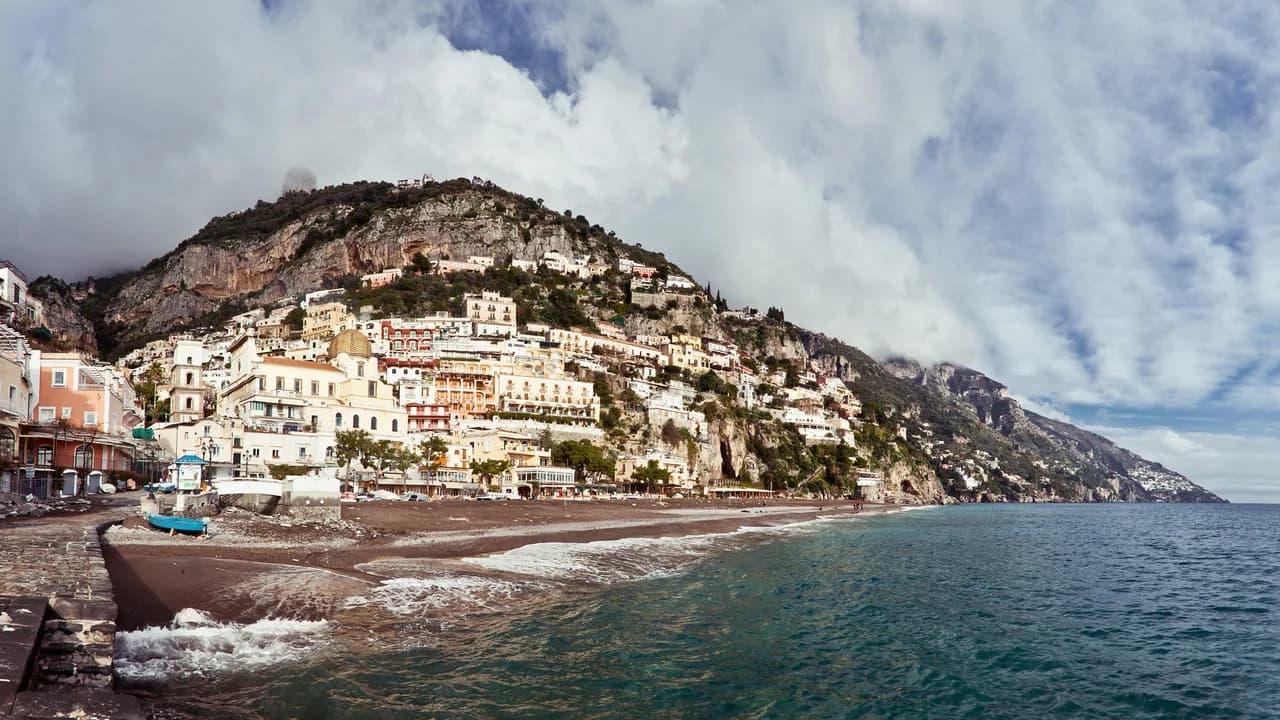
Positano is a vertical town, and your shoes decide whether the climb through its lanes feels like a scenic stroll or an endurance test. The streets are built from worn stone and uneven steps, the beaches are pebbly, and boats land on surfaces that are often wet. This guide treats footwear as the one packing choice worth obsessing over.
Start with the umbrella Positano packing list for broader apparel and gear decisions, then use this guide to narrow down shoes by surface. The logic is simple: match each pair to the terrain it will actually meet, rather than packing one do-everything shoe. If your trip falls in a cooler month, the same terrain rules still apply, but you may want to see what to wear in Positano in November for layering ideas that work with the same footwear.
The Terrain Reality Check: Stairs, Stone, Gravel, and Pebbles
Positano's main walking routes combine steep stairways, narrow lanes paved with old stone, cobbled passages, and gravel paths that connect some villages. Each surface asks something different of a shoe: stairs demand secure footing and cushioning, smooth old stone demands tread, gravel demands a sole that does not twist, and pebble beaches demand something you can wear into the water. Treating these as one problem is why so many visitors end up with sore feet by day two.
A local Amalfi Coast packing guide describes the coast as cliff-side towns navigated by many stairs, with cobblestone streets that are uneven and sometimes slippery. The same source notes rocky coastlines and pebble beaches, plus gravel hiking paths linking villages. That mix is the core reason a single pair of smooth-soled flats or heels rarely works for a full day out.
The Grip Test: Why Smooth Soles Are a Poor Choice
Grip is the first thing to check before you pack. Old stone lanes and stair treads polish smooth with use, and they become noticeably slicker when damp. A shoe with a flat, hard leather sole or a thin flat sole with no tread pattern gives you almost nothing to work with. Before departure, flex the sole and look at the tread: you want visible grooves and a rubbery compound, not a glossy surface.
The same applies on boat decks and wet landings, where smooth soles slide even on gentle slopes. A local style guide for the Amalfi Coast warns that old stone gets slick and that one wrong step in the wrong shoe is genuinely risky, which is why it recommends sturdy rubber soles over thin-soled flats with no grip. If you own a favorite pair of sandals with worn tread, this is the trip that justifies replacing them or leaving them home.
The Support Test: Secure Straps Beat Cushioning on Stairs
On stairs, the shoe's job is to keep your foot from sliding forward inside it. That means a strap across the instep, a strap behind the heel, or a toe loop that holds the front of the foot in place. Backless mules and loose slip-ons feel easy at sea level but let your foot shift on descents, which is exactly when you need stability most.
A travel tour operator's packing guide for the Amalfi Coast notes that support means the shoe holds your foot in place, and that very flat or heeled shoes without grip or support make walking the villages harder. This is an editorial suggestion based on the terrain rather than a dress rule, so use it to guide your own choice. If a sandal slides off when you wiggle your heel, it will likely slide on a staircase.
Cushioning for Long Walking Days
Stairs and hard stone are unforgiving over a full day, and very thin soles transmit every edge of every step. Cushioning is not about softness alone; it is about spreading the impact so your feet do not feel bruised by mid-afternoon. A removable insole or a slightly thicker midsole makes a noticeable difference on repeated descents.
The Amalfi Coast packing guide cited earlier advises a shoe that provides both support and cushion for long days of walking, and describes a sturdy pair of sneakers as a good idea for that reason. It also points out that technical hiking shoes are generally unnecessary for village walking. That trade-off is worth weighing: unless you plan dedicated hiking, a cushioned everyday shoe covers more of your trip.
Everyday Sandal Trade-Offs
Flat leather sandals with an ankle strap or a toe loop are the classic Positano daytime choice, and they work because they combine airflow with a secure fit. Look for a sturdy rubber sole with visible tread and at least one strap that crosses the foot. Test strap security by walking a few steps and trying to pull the sandal off with your other foot: if it comes away easily, it is too loose for stairs.
The local style guide recommends flat leather sandals with ankle straps or a toe loop as the everyday option, with an emphasis on grip and support. It also notes that artisan sandal makers in Positano and Amalfi can make custom pairs on arrival if you prefer to buy there. Either way, break the sandals in before you rely on them for a full day.
Sneaker Trade-Offs for Village Walking and Day Trips
Sneakers with breathable uppers are the most practical option for long walking days, day trips to neighboring towns, and any itinerary with extended time on your feet. White or neutral colors pair easily with linen, sundresses, and casual evening outfits, which means fewer shoes overall. The trade-off is warmth: a mesh upper breathes better than leather in summer heat, while a leather pair handles damp days with more comfort.
The local guide recommends white or neutral sneakers for long walking days and describes them as an underrated choice that works with coastal outfits, and the tour operator's packing list advises a proper pair of sneakers if you plan to walk longer or be on your feet for hours. Both sources also treat technical hiking shoes as generally unnecessary for village walking, which is a useful cue to pack light. If your trip extends to a boat day from Positano to Capri, check what to pack for a Positano to Capri boat day so your sneakers do not crowd out boat-appropriate footwear.
Beach and Boat Footwear: Pebbles, Concrete, and Wet Decks
Positano's beaches are pebbly or made of concrete slabs, which makes bare feet uncomfortable and loose flip-flops unreliable. Waterproof sandals or flip-flops with ankle straps stay on when you walk across pebbles and step onto wet boat decks. Keep this pair separate from your village sandals so beach grit does not follow you to dinner.
The tour operator's packing guide specifically advises waterproof sandals or flip-flops with ankle straps for pebble beaches, concrete slabs, the coast, and boat trips. The local guide similarly notes that Amalfi Coast beaches are mostly pebbly or rocky rather than powdery sand, and that swimwear choices should suit boat days. Standing in a loose flip-flop on a pebble slope is a quick way to twist an ankle, so strap security matters here as much as it does on stairs.
Evening Footwear and the Walk-Back Plan
One pair of low block heels or a stable wedge is the most reliable evening option if you want height without risking a stumble on cobblestones. The keyword is low and stable: a wide block heel distributes weight better than a thin stiletto, which catches in gaps between stones. Before you commit, plan the walk back to your accommodation, because many restaurants sit above or below street level and the route may involve stairs.
The local style guide recommends one pair of low block-heeled sandals or a slight wedge for dinner only, when you know you will be seated rather than climbing. A TripAdvisor forum discussion on Amalfi Coast, Positano, and Capri shoe advice includes posters who suggest packing a dressy sandal for evening, which reflects the same practical compromise. Neither source suggests stilettos are a good idea on these surfaces.
What to Leave at Home
Stilettos, regular heels, backless mules, and thin-soled flats with no grip are the four categories that cause the most trouble in Positano. Brand-new shoes belong on this list too, because blisters from an unbroken pair can sideline you on day one. If you are unsure about a pair, walk a few flights of stairs at home and see how your foot moves inside the shoe.
The local guide explicitly advises avoiding regular heels, stilettos, backless mules, brand-new shoes, and thin-soled flats with no grip. The tour operator's guide warns that high heels or very flat shoes without grip or support tire your feet and make walking the villages harder. These are editorial recommendations based on the terrain, not rules about what everyone wears, so treat them as a filter rather than a prohibition.
A Compact Pair Count for a Week
For a week in Positano, four pairs cover nearly every situation: one cushioned sneaker, one grippy everyday sandal with secure straps, one beach and boat pair, and one stable evening shoe. Rotate them so each pair has time to dry and air out, especially after beach days. If you are traveling carry-on only, the beach pair can double as a shower shoe and the evening pair can be the lightest of the four.
Before you finalize the count, check whether your trip lines up with a warmer or cooler stretch: the guide to what to wear in Positano in May covers spring packing, while what to wear in Positano in July addresses the hottest stretch. The pair count stays roughly the same, but the sock and layer decisions around those shoes change. Packing by surface rather than by outfit is what keeps the total low.
Before-Departure Check: Break Them In and Check the Weather
A short local walk in each pair is the best test you can run before packing. Aim for at least one walk that includes stairs and one that includes a smooth, slightly damp surface so you can feel how the tread behaves. If a shoe rubs or slides during a twenty-minute walk at home, it will do the same on a Positano staircase.
Rain changes the equation because wet stone and wet stairs become slicker, so check the forecast shortly before departure and adjust your shoe rotation if a wet stretch is likely. This is not about a specific forecast here, but about making the check part of your routine. If rain is expected, prioritize the pair with the deepest tread and leave the smooth-soled option behind.
Quick Outfit Pairings by Situation
For village walking, pair a breathable sundress or linen set with the cushioned sneaker or the grippy everyday sandal, depending on how many stairs you plan to climb. For a beach and boat day, wear a coverup over swimwear with the waterproof sandal or strapped flip-flop, and keep the sneaker dry for the evening. For dinner, change into the low block heel or stable wedge only once you know the walk back is short and mostly level.
These pairings are editorial suggestions, not dress codes, and they assume you are optimizing for comfort across mixed surfaces. The point is to avoid repeating the same shoe for every activity, since no single pair handles pebbles, wet decks, long staircases, and a seated dinner equally well. Decide based on your day's route, then commit before you leave your accommodation.
Plan Your Visit
Footwear is the packing decision that most directly affects how much of Positano you can enjoy on foot. Build your rotation around grip, secure straps, and enough cushioning for stairs, then add one beach pair and one stable evening option.
Check the forecast before you leave, break in every pair with a local walk, and leave the smooth soles at home. For everything else you might pack alongside your shoes, start with the Positano packing list and adjust from there.
Frequently Asked Questions
What shoes should I wear in Positano?
For most days, a cushioned sneaker or a flat leather sandal with an ankle strap or toe loop and a sturdy rubber sole works best. Add a waterproof sandal or strapped flip-flop for pebble beaches and boat days, and one low block heel or stable wedge for seated dinners. The goal is grip, secure straps, and enough cushioning for stairs.
Are sneakers okay in Positano?
Yes. White or neutral sneakers are a practical choice for long walking days and day trips, and they pair easily with casual outfits. Breathable uppers help in warm weather, and a pair with actual tread handles stone lanes better than smooth-soled shoes. Technical hiking shoes are generally unnecessary unless you plan dedicated hiking.
Can I wear heels in Positano?
A low block heel or a stable wedge is the most reliable evening option if you want some height. Thin stilettos and regular heels are risky on cobblestones and stairs, so plan the walk back to your accommodation before you commit. If the route involves many steps, a flat dressy sandal is the safer choice.
What shoes should I avoid in Positano?
Avoid stilettos, regular heels, backless mules, brand-new shoes that cause blisters, and thin-soled flats with no grip. These either slide on smooth old stone or fail to hold your foot securely on stairs. If you are unsure about a pair, test it on stairs and a damp surface before you pack it.
How many pairs of shoes do I need for a week in Positano?
Four pairs cover nearly every situation: one cushioned sneaker, one grippy everyday sandal, one beach and boat pair, and one stable evening shoe. Rotate them so each pair can dry and air out, especially after beach days. This keeps the total low while still matching each surface.
Do I need hiking shoes for Positano?
For village walking, hiking shoes are generally unnecessary and can feel heavy on stone lanes. If you plan dedicated hikes on gravel paths between villages, a light hiking shoe may be useful. Otherwise, a cushioned sneaker with good tread handles the typical Positano day.
Sources
- What to Wear on the Amalfi Coast: Outfits, Shoes + Packing List
- Packing list for the Amalfi Coast - Premium Tours for Women
- Ladies - I need shoe advice! Amalfi Coast , Positano, Capri
Free: The Ultimate Packing Cheat Sheet
A carry-on capsule wardrobe, the complete packing checklist, layering made simple, and what to wear by season — one printable page you'll use on every trip.
You might also like

Continue reading
More guides you'll find useful