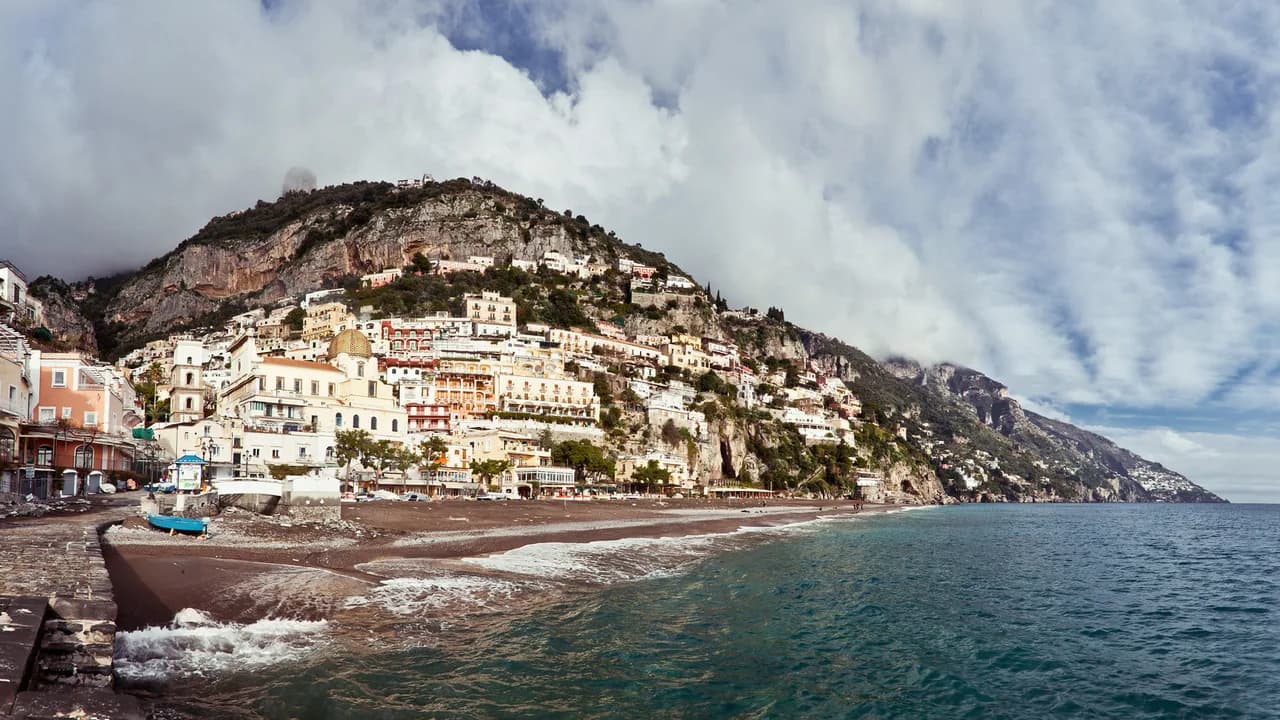
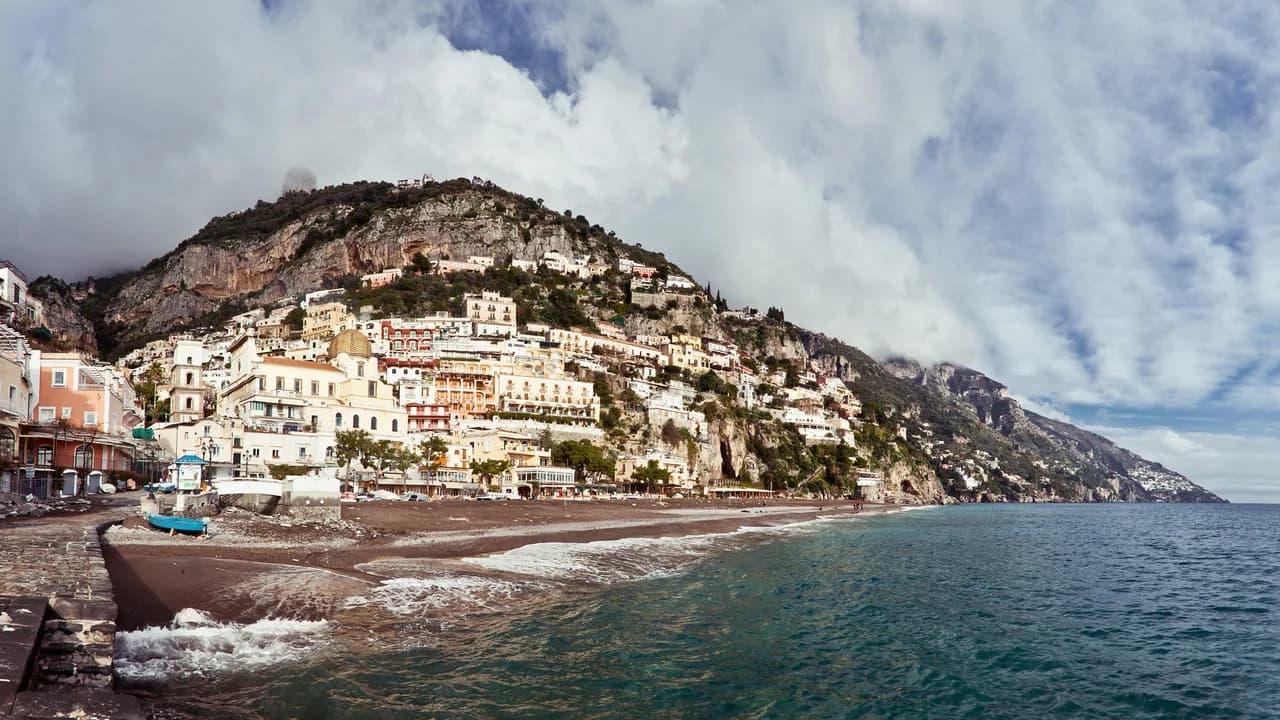
What to Wear in Positano in July: Hot-Weather Packing Guide
Pack for Positano in July with breathable linen and cotton, swimwear, grippy flat sandals for the stairs, sun cover and one light evening layer.
On this page
Positano in July: the weather in numbers
Typical July conditions from 30 years of daily weather data, split into early, mid and late month so you can match them to your travel dates.
| Dates | Early Jul (1–10) | Mid Jul (11–20) | Late Jul (21–31) |
|---|---|---|---|
| Afternoon high | 27°C (80°F) | 27°C (80°F) | 28°C (82°F) |
| Night-time low | 22°C (71°F) | 22°C (71°F) | 22°C (72°F) |
| Feels like (afternoon) | 28°C (82°F) | 28°C (82°F) | 29°C (85°F) |
| Range of afternoon highs | 25–29°C | 25–29°C | 25–30°C |
| Days with rain | 1 in 10 days | 1 in 10 days | 1 in 10 days |
| Afternoon humidity | 61% | 58% | 60% |
| Average wind | 8 km/h | 9 km/h | 8 km/h |
| Daylight | 14.8 h | 14.6 h | 14.4 h |
What this means for your suitcase
- Hot afternoons: loose, breathable fabrics like linen or cotton, short sleeves and a sun hat.
Travelling on specific dates? Use our What to Wear Planner for the weather, outfits and a packing list for your exact days in Positano.
Averages for 1991-2020, modelled from Copernicus ERA5-Land and ERA5 reanalysis via Open-Meteo open data (CC BY 4.0), adjusted to Positano's elevation. Modelled afternoon highs can read 1–2°C below airport weather-station records.
Packing for Positano in July comes down to four problems at once: bright heat, strong sun, a vertical town of stairways and slopes, and days that move from water to lunch to an evening stroll without a return to your room. Most visitors change at least twice, so the pieces worth bringing work in more than one setting. Think loose linen and cotton, two swimsuits, sandals you already trust on stone, and a bag that tolerates sand.
Treat everything here as editorial suggestion rather than rule. Positano has no town-wide dress code, and hotels, beach clubs and churches each set their own expectations, so check directly with a venue if a specific outfit matters. What you can control is how well your clothes cope with a hot, bright, steep coastal town.
This guide covers July conditions and fabric choices, daytime outfits, boat and beach-club layers, footwear for the stairs, sun and heat comfort, evening layering, bags, a week-long capsule, what to leave behind, and a pre-departure forecast check.
July Conditions and What They Mean for Fabric
Mid-summer on the Amalfi Coast is hot and bright, and June is described as heating up but generally not as oppressively as later in the summer, which puts July firmly in the warmest stretch of the season. The same local guide notes that early June can still bring a little rain, so July reads as the drier, hotter phase of that arc. Take this as background on the season, not a forecast for your dates.
The practical consequence is that fabric matters more than the number of outfits. Loose linen and cotton move air and dry quickly after a swim or a sweaty climb, while heavy denim, tight synthetics and anything lined trap heat and stay damp. One lightweight dress or cotton shirt you can rewear beats three structured pieces you will not want to put on twice.
Because actual July conditions vary year to year, check a forecast a few days before departure rather than leaning on seasonal averages. Look at the daily high and the overnight low together, since a hot afternoon and a noticeably cooler late evening call for different pieces. Adjust quantities, not the whole wardrobe, once you see the numbers.
The Fabric Rule That Solves Most of July
Linen creases, and that is the trade-off worth accepting here. It breathes in humid heat, dries fast after a swim, and looks intentionally relaxed in a coastal town. If the creasing bothers you, a linen-cotton blend holds a little more shape while keeping most of the airflow, which is why travel pieces cut from that mix suit lunches and boat days.
Cotton is the second workhorse: poplin shirts, loose dresses and boxy shorts all handle heat well and pack flat. Voile and gauze weigh almost nothing and layer over swimwear, while a cotton dress doubles as a cover-up on the way back from the beach. Skip heavy jersey, thick denim and anything described as structured or lined.
Colour and finish affect comfort more than most people expect. Pale colours reflect light, while busy prints disguise the creases and water spots that linen and cotton pick up on a boat. One or two prints among plain pieces keeps a small capsule from looking repetitive.
Daytime in Town: Light Dresses, Cotton Shirts and Separates
For a day that mixes a walk through town with a long lunch, build around one breathable layer rather than a full change. A cotton or linen midi dress works for both, especially in a relaxed cut that clears your knees on the stairs; alternatively, pair a loose cotton shirt with a linen skirt or wide shorts. Sleeveless shapes layer under a cardigan later without bunching.
Separates give you more combinations from fewer items, which matters over a week. Two tops and two bottoms can produce four daytime outfits, and a pleated linen top or a simple cotton tee reads polished beside a view without feeling formal. Skip anything that needs ironing every morning, since humidity undoes the effort by the time you reach the beach.
Shorts are a normal sight in a hot resort town, so a tailored cotton or linen pair is a reasonable choice for wandering and beach access. If you plan to step into a church or a formal dining room, carry a light layer that covers shoulders and knees, and check that venue's expectations rather than assuming a town-wide rule.
Boat Days and Beach Clubs: Quick-Dry Layers, Not a Second Outfit
A boat or beach-club day needs its own logic because you will be wet, salty and in and out of the sun for hours. Bring swimwear you can move in, add a pareo or sarong that doubles as a towel and a skirt, and keep one quick-dry top within reach. The goal is layers that dry on your body rather than a spare outfit waiting in a bag.
Matching swimwear to a sarong is a quick way to make a casual outfit look put together, and a print pareo plus a headband covers windblown hair and sun-exposed shoulders at once. Two swimsuits make a week easier than one, because a damp suit rarely dries fully overnight in coastal humidity. Choose pieces that mix with your cover-up and sandals so moving from lounger to lunch needs no trip back to the room.
Small items make the difference on the water: a hat that stays on in a breeze, sunglasses with a secure fit, and a hair tie for windblown hair. A lightweight long-sleeve shirt or kaftan earns its place for longer spells in the sun or the ride home when the boat picks up speed. Ferry and boat timetables change by season, so confirm your crossing with the operator rather than assuming a schedule.
Footwear for Stairs and Cobblestones
Positano is built vertically, and most routes between the beach, the shops and your accommodation involve flights of steps or a steep slope, often both. That makes footwear the most consequential packing decision of the trip. Flat sandals with a proper sole and a strap that holds your foot give stability on stone without the heat of a closed shoe, and broken-in jelly or caged sandals handle water and sand well.
New shoes are a gamble on this terrain: unbroken leather and fresh straps rub exactly where an incline pushes your foot forward. Wear your sandals for a few days at home first, or pack a pair you already trust. Smooth soles can slip on polished stone, so judge by the tread rather than the style name.
Bring one backup pair with more coverage for longer walks or an evening with a lot of standing. A broken-in flat espadrille or a light trainer covers that role without the bulk of a heavy running shoe. If you are unsure which style suits your plans, a closer look at what shoes to wear in Positano helps narrow it down.
Sun and Heat Comfort: Hat, Sunglasses and a Refillable Bottle
Mid-summer sun on this coast is strong through the middle of the day, and shade along the waterfront is limited once loungers fill. A wide-brim hat and sunglasses with real UV coverage are the two items people most often regret leaving behind, followed closely by a refillable water bottle. Treat these as comfort measures rather than formal requirements, and top up whenever you pass a fountain or a bar.
Clothing can do quiet sun duty too. A longer-sleeve linen shirt over a swimsuit covers shoulders and arms during the hottest hours without adding heat, and it looks intentional rather than improvised. If you are sensitive to sun, shift walks, boat transfers or shopping to the earlier or later hours.
Heat changes how much you want to carry, so keep sun items compact: a foldable hat, a small tube that fits a pocket, and a bottle you can clip or carry by the strap. Anything that needs both hands on a staircase is a liability. Restock small items once you arrive rather than packing oversized bottles that eat bag space.
Evening in Positano: One Light Layer Changes the Outfit
Evenings along the coast stay warm, but sea air, a breeze off the water and air conditioning in restaurants mean a light layer earns its place. A cotton cardigan, a thin linen overshirt or a light wrap turns the same dress or shirt you wore at lunch into something that works after sunset. Pack one of these rather than a heavier jacket.
For a dressier dinner, the simplest upgrade is a change of accessories and shoes rather than a second outfit. Swap sandals for a slightly smarter flat, add a small crossbody instead of the beach tote, and the daytime dress reads differently. A single pair of statement earrings or a scarf does the same work with almost no weight.
Men can apply the same logic: a collared linen shirt over light trousers covers dinner at most places, and an unstructured cotton jacket is optional rather than necessary in the July heat. Check with the specific restaurant if you are unsure about its expectations, since policies vary by venue.
Bags for Boat, Beach and Town
One bag has to cover the whole day, which is why a loosely woven straw or canvas tote you can shake out beats a structured handbag. Sand gets into every corner, so an open weave empties easily and survives damp towels and wet swimwear. Look for a wide strap that sits comfortably on your shoulder during a climb.
For dinner, a small crossbody keeps your phone, cards and keys close without occupying a hand on the stairs. It packs flat inside your daytime bag, so you carry one thing during the day and swap in the evening. Anything with a delicate finish will not enjoy a boat day, so leave the fragile pieces at home.
If you do bring one nicer bag, save it for an evening in town when you are not handling sand, sunscreen or wet towels. Line any bag with a dry pouch for swimwear, and keep a small zip pouch for the items you would hate to lose over the side of a boat.
A Week-Long July Capsule Built From These Pieces
Start with three or four breathable tops, then add two bottoms such as a linen skirt and loose cotton shorts. Two dresses, one casual and one midi that works for dinner, cover most day-to-night needs. This base of eight or nine garments, all in the same colour family, mixes into more outfits than a larger, mismatched wardrobe.
Add two swimsuits, one cover-up or pareo, one light layer for evenings, a hat, sunglasses, and one tote plus one small crossbody. Two pairs of shoes are usually enough: flat sandals for daytime and a slightly smarter flat for dinner, with a broken-in walking pair as backup if your plans include longer distances. Wear the bulkiest pair in transit to save bag space.
Plan on a small amount of hand washing rather than packing a full week of clean clothes. Linen and cotton dry quickly on a balcony or towel rail overnight, which is why this capsule works for seven days without a large suitcase. If your trip is shorter, cut from the tops and dresses first and keep the shoes, sun items and swimwear unchanged.
What to Leave Behind
Leave denim at home. Jeans are heavy, slow to dry and uncomfortable the moment you start climbing in humid heat, and you will not want them at night either. The same goes for thick sweatshirts, heavy trainers you only planned to walk in, and anything that needs a belt or tailoring to look right.
Cut the statement outfits you would wear once. A single dressy option is enough for a week when you can rework it with different accessories and shoes, and duplicates of the same category crowd out the breathable basics you will actually live in. Leave the fragile bags, the heels you cannot walk in on cobbles, and the full toiletry set you can buy locally.
Resist packing for every possible activity. Positano in July rewards a narrow wardrobe that handles heat, water and stairs, then leaves room in your bag for something you find there. The same reasoning looks completely different in another season, so match the packing to the month you are actually travelling in.
Before You Go: A Forecast Check and Final Adjustments
Check the forecast in the days before you fly and again the night before you leave, looking at the daily high, the overnight low and whether rain appears at all. Use that to adjust quantities rather than the whole plan. If the nights look warm, keep one light layer instead of two; if rain is possible, add a compact umbrella rather than a rain jacket.
Plan around a hot midday by keeping your heaviest walking for the morning or late afternoon and the middle hours for water, shade or a long lunch. That habit reduces how much clothing you need, because you are not changing out of soaked outfits twice a day. It also keeps your bag lighter when you are moving between levels of the town.
Weigh your bag once it is packed, confirm your airline's allowance directly with the carrier, and leave a little space for anything you buy on the coast. If your trip also takes in a hotter inland city, the wardrobe shifts toward even lighter coverage.
Pack for the Positano You Will Actually Spend the Day In
The Positano most visitors experience is not a series of posed photographs but a long, bright day spent moving between water, shade, stairs and a table with a view. Build your bag around that reality: breathable linen and cotton, swimwear with a fast-drying cover-up, flat sandals with tread, one light evening layer, and a bag that survives sand. Everything else is optional.
Leave room for something you find there, whether that is a linen shirt from a local shop or a pareo you did not know you needed. Before you close the suitcase, check the forecast once more and confirm any venue-specific expectations directly with the places you plan to visit. Then pack light, wear the comfortable shoes on the plane, and let the town's pace set the rest.
More packing guides for Positano
Frequently Asked Questions
Can I wear shorts around Positano in July?
Shorts are a normal sight in a hot resort town, and light cotton or linen pairs work well for daytime wandering and beach access. The only caveat is context: if you plan to enter a church or a formal dining room, carry a light layer that covers shoulders and knees and check that venue's own expectations, since policies differ from place to place.
Is it too hot for jeans in Positano in July?
Jeans are a poor fit for a July visit. Denim is heavy, slow to dry and traps heat, which becomes obvious the moment you start climbing the stairways between the beach and the upper streets. Linen, cotton or a lightweight blend keeps you far more comfortable, and those fabrics also dry overnight if you rinse them.
What shoes work best for Positano's stairs in summer?
Flat sandals with a real sole and a strap that holds your foot are the practical daytime choice, because they handle stone steps without the heat of a closed shoe. Avoid brand-new pairs, since fresh straps and unbroken leather rub badly on inclines. Pair one broken-in backup with more coverage for longer walks, and judge grip by the tread on the sole rather than a style name.
How many swimsuits should I pack for a beach and boat trip?
Two is the workable number for a week. Coastal humidity means a damp suit rarely dries fully overnight, so having a second lets you rotate while the first hangs. Choose pieces that mix with your cover-up and sandals so you can move from lounger to lunch without returning to your room.
Do I need a cover-up for beach clubs in Positano?
A cover-up is practical rather than required. A pareo, sarong or light kaftan doubles as a towel, a skirt and a layer for the ride back, which is why it earns its space in a small bag. Individual beach clubs may publish their own expectations, so check with the specific club you plan to visit if it matters to you.
Do I need a jacket for evenings in Positano in July?
A heavy jacket is unnecessary in mid-summer, but one light layer is worth packing. Sea breezes, cooler air over the water and air conditioning in restaurants can make a sleeveless dress or shirt feel chilly after sunset. A cotton cardigan, thin linen overshirt or light wrap covers that gap without adding weight.
What should I wear in Positano in July?
Build the week around loose linen and cotton clothing, flat sandals you have already broken in, two swimsuits with a quick-dry cover-up, a sun hat with sunglasses, one light evening layer, and a tote that copes with sand plus a small crossbody for dinners. Check the forecast a few days before departure and adjust quantities rather than the whole plan.
Sources
Free: The Ultimate Packing Cheat Sheet
A carry-on capsule wardrobe, the complete packing checklist, layering made simple, and what to wear by season — one printable page you'll use on every trip.
You might also like


Continue reading
More guides you'll find useful