

What to Wear in Colombo for Heat and Humidity: Packing Guide
Plan what to wear in Colombo for heat and humidity: breathable fabrics, chafing prevention, sun protection, AC layering, a compact packing example and FAQs.
On this page
Colombo sits on Sri Lanka's west coast, where the air holds moisture year-round and sweat does not evaporate quickly. That single fact changes what clothing works: heavy cotton and denim stay damp, while loose linen and quick-dry synthetics keep you drier and more comfortable. This guide focuses on packing decisions for the heat and humidity, including how to handle the sharp contrast between outdoor warmth and strongly air-conditioned malls, offices and vehicles.
The goal is not to pack for a fashion show but to build a small set of clothes that handles sweating, walking, temple visits and sudden downpours. Start with breathable fabrics and a light layer for indoors, then add a rain shell and easy on-off footwear. Before you fly, check a reliable forecast for your travel dates, because historical seasonal patterns only tell you what is typical, not what you will get.
What Colombo's Heat and Humidity Actually Feel Like
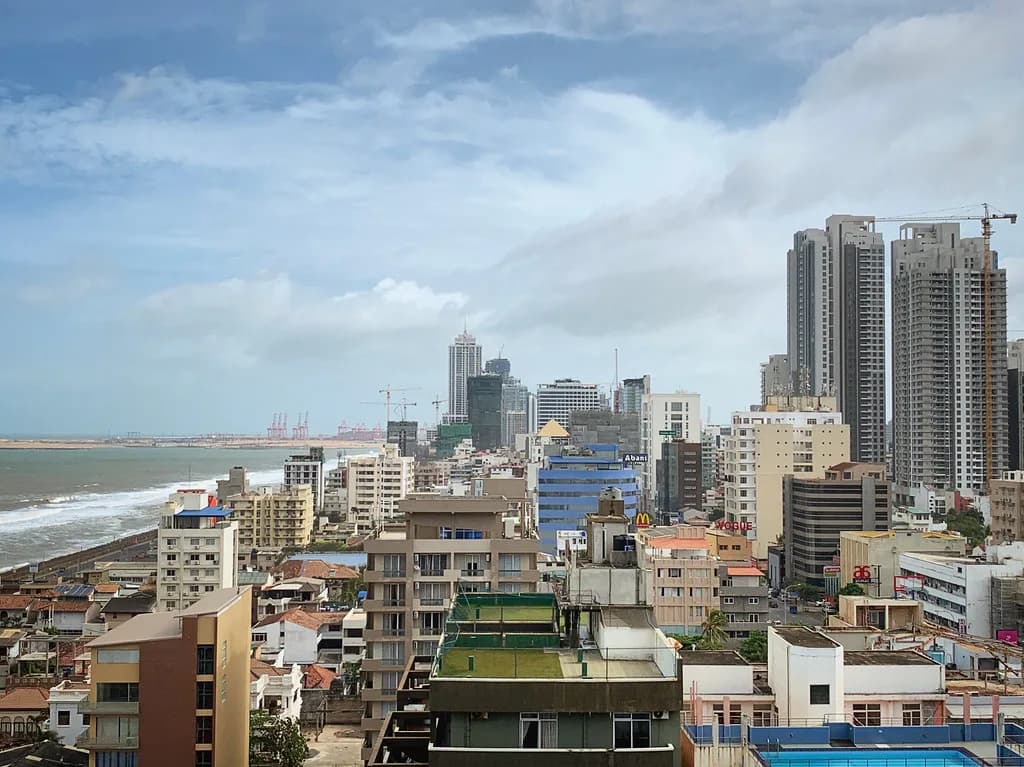
Colombo's climate is tropical and humid, with temperatures that historically sit in a narrow warm range and humidity that stays high much of the year. The coastal location means the air feels heavier than the thermometer alone suggests, and sweat evaporates slowly, so fabrics that trap moisture become uncomfortable fast. Sri Lanka planning sources describe the coastal lowlands as running roughly 28-34°C (about 82-93°F) year-round with high humidity.
Seasonal rainfall follows a pattern: the southwest monsoon roughly affects Colombo and the west coast from May through September, bringing heavy but often short downpours rather than all-day rain. Because Colombo is on the west coast, the southwest monsoon is the wet season that matters most for a city stay, while the northeast monsoon from around October through January affects the other side of the island more. Inter-monsoon months can bring thunderstorms and a particularly muggy feel, so treat all of this as historical tendency rather than a forecast.
Check current conditions and a short-term forecast before you finalise your bag, and keep a packable rain shell accessible regardless of month. If you are travelling later in the year and want month-specific guidance, what to wear in Colombo in November covers how the inter-monsoon pattern shifts packing choices, while what to wear in Colombo in December addresses the drier, slightly calmer window. For a broader checklist that covers the city across seasons, the Colombo packing list collects the core items in one place.
Best Fabrics for Constant Sweating
In Colombo's humidity, light and loose natural fabrics such as linen and lightweight cotton breathe best, while quick-dry synthetics work well for active days and laundry-easy travel. Heavy cotton, thick denim and tightly woven fabrics hold moisture and dry slowly, which is exactly what you want to avoid when you are sweating through the day. Publishers of Sri Lanka packing advice repeatedly flag heavy cotton t-shirts and denim as the items that stay wet all day in this climate.
Loose cuts matter as much as fibre: airflow does more for comfort than tight coverage, so choose relaxed shirts, wide-leg or straight trousers, and dresses that do not cling. Light colours reflect heat and show sweat less than dark ones, so consider pale shirts, dresses and trousers as your default. A lightweight scarf or sarong adds versatility without weight, doubling as shoulder coverage, a sun shield or a wrap for chilly interiors.
Why More Tops Than Usual Makes Sense
You will change tops more often in Colombo than at home because humidity keeps fabric damp and odour develops faster. Packing more tops than you think you need, relative to trousers or skirts, gives you flexibility without doing laundry every day. Two or three loose, quick-drying shirts or blouses can be rotated with one or two bottoms, and a spare top in your day bag helps if you sweat through the one you are wearing.
Build simple outfit combinations rather than single-purpose pieces: a linen shirt with loose trousers works for a café, a temple visit with a scarf added, and an air-conditioned mall with a light layer over it. Quick-dry fabrics make hand-washing realistic, so you can pack for a few days and refresh as you go rather than carrying a full week's wardrobe. If you are visiting in March, what to wear in Colombo in March explains how the warmer, humid conditions affect layering choices.
Chafing Prevention for Long Walking Days
Long walks in humid heat, whether along Galle Face Green or through Pettah market, can cause chafing where skin rubs against skin or seams. Choose bottoms with smooth, flat seams and a comfortable fit, and consider moisture-wicking base layers or anti-chafing balm for high-friction areas. Quick-dry underwear helps reduce dampness, and taking breaks in air-conditioned spaces lets your skin dry out before you continue.
If you are prone to chafing, test your choices on a long walk before you travel and bring a small stick or cream you trust rather than relying on finding a specific product locally. Loose shorts with a liner, or lightweight trousers, often work better than tight denim or heavy cotton. Carry a spare pair of socks if your feet sweat heavily, because damp socks increase blister risk.
Sun Protection That Still Breathes
Sun protection in Colombo needs to work in humid heat, so choose breathable long sleeves and a wide-brim hat rather than thick, non-breathing cover-ups. A lightweight linen or quick-dry shirt with long sleeves can be cooler than a tank top in direct sun because it blocks radiation while allowing airflow. High-SPF sunscreen is worth bringing from home if you have a preferred formula, and you can reapply it on exposed skin throughout the day.
Sunglasses and a hat with a secure fit help on breezy coastal stretches, and a scarf can shade your neck or shoulders without adding heat. If you plan to visit temples, remember that hats and shoes come off before entering, so sun protection should be easy to remove and carry. Reapply sunscreen after sweating heavily or swimming, and keep a small tube in your day bag.
Managing the Indoor AC Swing
Colombo's malls, offices, restaurants and long-distance vehicles can be strongly air-conditioned, which makes a light layer a genuine packing decision rather than an afterthought. A compact cardigan, wrap or lightweight scarf lets you adjust without carrying a heavy jacket. A large scarf is especially useful because it covers shoulders indoors and works for temple visits outdoors.
Choose a layer that packs small and does not wrinkle badly, such as a fine knit, a light merino top or a thin cotton wrap. If you run cold, a long-sleeve base layer under your shirt can be more comfortable than a bulky outer layer. Keep this layer in your day bag so you are not caught out when you step from humid streets into a chilled lobby or restaurant.
Temple Coverage as a Practical Constraint
At temples in Colombo and across Sri Lanka, shoulders and knees must be covered in plain, non-sheer clothing, with shoes and hats removed before entering, and this applies at Buddhist temples, Hindu kovils, mosques and churches alike. The practical fix is a lightweight sarong or large scarf that lives in your day bag, ready to convert shorts or a sleeveless top into acceptable coverage. White is traditional at Buddhist sites and is always a safe choice.
Loose long trousers or a knee-length skirt plus a top with sleeves give you a temple-ready outfit without scrambling at the entrance. Socks can help on hot stone, and easy on-off shoes make repeated removals less tedious. At Gangaramaya Temple, in particular, the compound is large and much of the walking is barefoot on stone that heats up by midday, so an early or late visit is more comfortable.
Rain Shell Logic for Colombo's Wet Season
The southwest monsoon, roughly May through September, brings heavy downpours to Colombo and the west coast, so a packable rain shell is worth carrying even if the morning looks clear. A proper waterproof jacket with taped seams handles short, intense rain better than a poncho, which can flap and fail in wind. Quick-dry clothing matters here: if your trousers or shirt get soaked, they should dry reasonably fast rather than stay damp for hours.
Keep electronics and documents in a dry bag or a few ziplock bags during the wet season, and choose footwear that tolerates puddles. If you are visiting outside the southwest monsoon window, a light rain shell still earns its place for inter-monsoon thunderstorms. Check the forecast before heading out each day and adjust your day bag accordingly. For a fuller look at how the wet season reshapes the packing list, the Colombo monsoon season packing guide walks through the trade-offs month by month.
Footwear Trade-offs for Humid City Walking
Easy on-off sandals are the most practical choice for Colombo because temple visits require removing shoes frequently and humid streets can be wet. One pair of closed shoes with grip is useful for uneven ground in Pettah market or for a longer walk, and a pair of water-friendly shoes or sandals can handle flooded streets. Heavy hiking boots are unnecessary for city use and stay damp in humidity.
Bring socks that dry quickly if you wear closed shoes, and consider a spare pair for days when your feet sweat heavily. Sandals with a secure strap are better than loose flip-flops for longer walks. If you plan day trips to beaches or rocky areas, a pair of water shoes can be more comfortable than regular sandals.
A Compact Packing Example for a Short Colombo Stay
For a three- to four-day Colombo stay, think in terms of a small capsule: three lightweight tops, two loose bottoms, one light layer for air conditioning, one rain shell, a sarong or scarf, and two pairs of footwear. This gives you enough changes for sweaty days without overpacking, and quick-dry fabrics let you rinse items in the evening. If you extend your trip, laundry is widely available and inexpensive, so you can refresh rather than carry more.
What to Leave Behind
Leave behind heavy jeans and thick cotton, which stay damp and uncomfortable in Colombo's humidity. Skip multiple pairs of shoes, bulky towels and anything that requires ironing, since guesthouses typically provide towels and laundry is easy. Formal wear is rarely needed unless you have a specific event, because restaurant dress codes in Colombo are generally casual.
Also leave behind dark, heavy fabrics that show sweat, and excess electronics that add weight without purpose. If you are unsure whether an item is worth carrying, ask whether you can buy it locally or do without it. A lighter bag makes moving around the city and taking public transport far easier.
Before You Go
Check a reliable weather forecast for your specific travel dates before you finalise your bag, because Colombo's humidity and rainfall can vary even within a typical season. Pack breathable fabrics first, add a light layer for air-conditioned interiors, and keep a rain shell and sarong accessible. Prioritise easy on-off footwear and a compact set of quick-dry clothing that you can refresh with laundry.
If you want a full checklist for the city, the Colombo packing list covers the essentials, and month-specific guides such as what to wear in Colombo in November help you fine-tune for the inter-monsoon period. Adjust quantities to your own comfort and itinerary.
Frequently Asked Questions
What should I wear in Colombo for heat and humidity?
Choose loose, light-coloured clothing made from linen, lightweight cotton or quick-dry synthetics. Avoid heavy cotton and denim, which stay damp. Bring more tops than usual because you will change more often, and keep a light layer for air-conditioned indoor spaces.
Do I need a jacket for air-conditioned malls in Colombo?
A light layer such as a cardigan, wrap or large scarf is useful because malls, restaurants and vehicles can be strongly air-conditioned. It should pack small and not wrinkle badly, and you can keep it in your day bag so it is ready when you move between humid streets and chilled interiors.
What fabrics work best for Colombo's humidity?
Linen and lightweight cotton breathe well, while quick-dry synthetics are practical for active days and easy laundering. Loose cuts improve airflow, and light colours reflect heat and show sweat less than dark ones. Heavy cotton, denim and non-breathable fabrics are best left at home.
How do I prevent chafing while walking in Colombo?
Choose bottoms with smooth, flat seams and a comfortable fit, and consider moisture-wicking base layers or an anti-chafing balm for high-friction areas. Quick-dry underwear helps reduce dampness, and taking breaks in air-conditioned spaces lets your skin dry. Test your choices on a long walk before you travel.
Can I wear shorts in Colombo?
Shorts are generally fine for casual city walking and beach areas, but they are not suitable for temple visits, where shoulders and knees must be covered. If you plan to visit temples, carry a sarong or scarf to convert shorts into acceptable coverage. Long, loose trousers are a versatile alternative.
What should I leave behind when packing for Colombo?
Leave behind heavy jeans, thick cotton, multiple pairs of shoes, bulky towels and anything that requires ironing. Guesthouses usually provide towels, and laundry is widely available. A lighter bag makes city transport and moving between accommodations much easier.
Sources
Free: The Ultimate Packing Cheat Sheet
A carry-on capsule wardrobe, the complete packing checklist, layering made simple, and what to wear by season — one printable page you'll use on every trip.
You might also like


Continue reading
More guides you'll find useful


