What to Wear in Colombo in November: Packing Guide
Pack for Colombo in November with quick-dry clothes, real rain gear, grippy footwear and a dry bag. Practical outfits for a humid, storm-prone month.
On this page
Colombo in November: the weather in numbers
Typical November conditions from 30 years of daily weather data, split into early, mid and late month so you can match them to your travel dates.
| Dates | Early Nov (1–10) | Mid Nov (11–20) | Late Nov (21–30) |
|---|---|---|---|
| Afternoon high | 29°C (84°F) | 29°C (84°F) | 29°C (84°F) |
| Night-time low | 24°C (75°F) | 24°C (74°F) | 24°C (74°F) |
| Feels like (afternoon) | 33°C (92°F) | 33°C (92°F) | 33°C (91°F) |
| Range of afternoon highs | 28–30°C | 28–30°C | 27–30°C |
| Days with rain | 9 in 10 days | 8 in 10 days | 7 in 10 days |
| Afternoon humidity | 73% | 71% | 70% |
| Average wind | 6 km/h | 6 km/h | 7 km/h |
| Daylight | 11.7 h | 11.7 h | 11.6 h |
What this means for your suitcase
- Hot afternoons: loose, breathable fabrics like linen or cotton, short sleeves and a sun hat.
- Heavy downpours are common — quick-dry clothes and shoes or sandals that cope with puddles.
- Muggy air — moisture-wicking fabrics beat denim and heavy cotton.
Travelling on specific dates? Use our What to Wear Planner for the weather, outfits and a packing list for your exact days in Colombo.
Averages for 1991-2020, modelled from Copernicus ERA5-Land and ERA5 reanalysis via Open-Meteo open data (CC BY 4.0), adjusted to Colombo's elevation. Modelled afternoon highs can read 1–2°C below airport weather-station records.
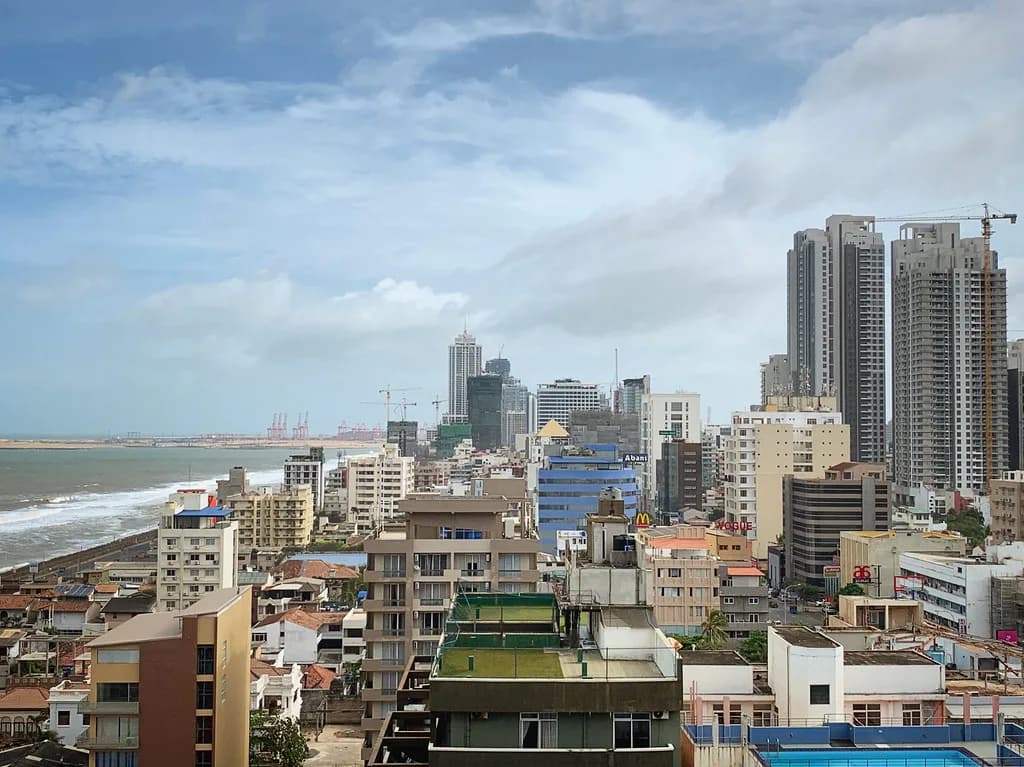
Packing for Colombo in November is mostly about managing water, not cold. The west and south coasts stay warm and humid from May to November, and that window brings frequent rain showers to Colombo and the surrounding coast. Your suitcase should be built around fabrics that dry fast, rain gear that survives a real downpour, and shoes that cope with wet streets around Fort, Pettah, and Galle Face.
Sri Lanka has two monsoons arriving on different schedules, so the rain pattern shifts by coast rather than by a single national rainy season. November sits in the unsettled transition toward the northeast monsoon, which means short, intense storms that are hard to plan around. Treat the month as variable and build your day bag so rain gear is always with you rather than left at the hotel.
Why November Packing in Colombo Is a Rain Problem More Than a Heat Problem
Coastal lowland Sri Lanka stays warm and humid year-round, so you are not packing for a chilly November. What changes in this window is the rain pattern: the west and south coasts see humid conditions with frequent showers from around May to November, and the inter-monsoon adds short, intense storms that are hard to predict. That means your suitcase should be built around getting wet and drying out, not around warmth. Focus your packing energy on the wet-weather variables and treat the heat as a constant you already know how to dress for.
The practical consequence is that one lightweight warm layer is usually enough for Colombo itself, and often not needed at all on the coast. Where a warm layer earns its place is if your trip continues into the hill country, because temperatures there are much cooler than the coast and a real jacket becomes useful. If you are staying in the city and on the west coast, leave the fleece at home and put that space toward rain gear instead. The full Colombo packing list covers the destination's year-round essentials.
How the Monsoon Calendar Shapes a November City Stay
Sri Lanka does not have one rainy season; it has two monsoons that affect different coasts on different schedules. The southwest monsoon roughly covers May to September on the west and south coasts, including Colombo, while the northeast monsoon roughly covers October to January on the east and north coasts. The inter-monsoon periods, roughly March to April and again around October to November, are when short, intense storms are hardest to predict island-wide. November sits in that unsettled transition window, so plan for variable rain rather than a fixed daily schedule.
For a city stay, the useful mental model is dry mornings and a higher chance of a soaking later in the day, with downpours that are short but heavy. Build your day so that anything you would hate to do wet happens earlier, and keep rain gear with you after lunch rather than leaving it at the hotel. Because these storms move quickly, a compact umbrella that lives in your day bag is more useful than a heavy jacket you only carry when the sky already looks dark.
What the Wet-Season Reality Means for Clothing Materials
The core fabric rule for November in Colombo is quick-dry over slow-dry. Cotton and linen breathe well in humid heat, but heavy cotton holds moisture and can stay damp for a long time in a hotel room with no drying breeze. Synthetics and quick-dry blends feel less crisp but shed water and dry overnight, which matters when you have limited changes of clothes. A mixed approach works best: breathable natural fibers for tops you wear in air-conditioned indoor spaces, and quick-dry fabrics for anything likely to get rained on.
Synthetic fabrics that wick moisture are comfortable in the heat, while linen and lightweight cotton breathe best. Packing guidance for Sri Lanka's wet season specifically calls for quick-dry clothing alongside a lightweight rain jacket and a dry bag for electronics. Treat every item as something that might get wet twice before it gets washed, and prefer pieces that can hang dry in a bathroom without needing sun. Materials that stay damp for days, such as heavy denim or thick canvas, will feel cold and heavy on the second wearing.
Base Outfits for Humid Heat That Still Dry Overnight
A workable base for Colombo in November is a lightweight short-sleeve top, quick-dry trousers or a skirt, and underwear that dries fast. Three or four tops and two bottoms are enough for a city stay if you accept that you may rinse something in the sink and hang it overnight. Choose lighter colors that hide water spots less obviously than dark fabrics, and avoid tight-fitting garments that trap sweat in high humidity.
For evening wear in the city, one smart-casual outfit covers most restaurants and hotel bars, where dress is generally casual. If you plan to visit temples, add one outfit that covers shoulders and knees, because Buddhist temples in Sri Lanka typically require that coverage of visitors. A lightweight long-sleeve linen shirt and long trousers double as your temple outfit and your nicer evening option. A large scarf, sold locally as a sarong, can also work as a shoulder cover or wrap.
Rain Gear Decisions: Umbrella, Poncho, or Waterproof Shell
The most common mistake is packing a cheap poncho and assuming it solves the rain. A real waterproof rain jacket is described as far more effective than a poncho, which is treated as nearly useless in genuine monsoon rain. A compact umbrella handles short, heavy showers well and packs small, but it leaves your arms and lower half exposed in wind-driven rain. The most reliable approach for November is a genuinely waterproof shell plus a compact umbrella, so you can choose based on how you are moving and how long you will be outside.
An umbrella is the better tool when you are moving between shops, cafes, and covered walkways, or when you are in and out of a vehicle. A shell is better when you will be walking any distance, because it keeps both hands free and covers your bag. If you carry both, the umbrella stays in your day bag and the shell stays packed until you need it. Whatever you choose, avoid fabric that soaks through; a water-resistant coating is not the same as waterproof.
Footwear Trade-Offs for Slick Tiles, Flooded Curbs, and Temple Removals
Footwear is the hardest working part of a November Colombo bag. Wet tile, painted curbs, and metal drains get slippery fast, so grip matters more than style. A pair of closed shoes with a grippy sole and quick-drying upper handles most city days, while sandals that can get soaked are useful for short walks near Galle Face Green when you would rather not wear wet shoes back to the hotel. Avoid leather and heavy canvas, which can stay damp for days and are slow to recover.
Temple visits add a specific constraint: footwear must be removed at nearly all Hindu kovils and Buddhist temples in Sri Lanka, so slip-on styles are much more convenient than laced shoes or complicated straps. A lightweight, quick-drying sandal that slides on and off is a good compromise between wet-street grip and temple practicality. If you bring only one pair of shoes, choose closed shoes with good grip and accept that they may get wet; if you bring two, make the second a quick-dry sandal.
Protecting Electronics and Documents Without Overpacking
Rain in Colombo is not just an outdoor problem; water gets into day bags, pockets, and luggage. A compact dry bag or a set of ziplock bags is the lightest way to keep a phone, passport, and charger dry during a downpour. Packing guidance for the wet season includes a dry bag specifically for electronics, and it is one of the few items that pays for its own space. Add a small microfiber cloth for drying screens and lenses, which costs almost nothing in weight.
For power, bring a universal travel adapter rather than assuming your plugs will fit. Sri Lanka primarily uses Type D plugs with Type G also common in upmarket hotels, so a universal adapter is the safest option. A modest power bank is useful for long days out when you are using maps and photographing extensively. Keep documents in a waterproof pouch or a sealed plastic sleeve, and take a photo of your passport as a backup. None of this needs to be bulky.
Modest, Semi-Dressy Evening Options If Holiday Events Land During Your Trip
November can coincide with Deepavali and other seasonal holiday activity, which may bring family gatherings, temple visits, and dressier evenings than a normal city trip. No fixed dress code applies to visitors, and this is an editorial suggestion rather than a rule. What works well is one outfit a notch smarter than your daytime clothes while still being light enough for humid heat: a knee-length or longer dress, or a linen shirt with long trousers. This also doubles as temple-appropriate coverage, so it earns its place either way.
If you want to be ready for a possible festive evening, favor muted, modest cuts over anything very short or very tight, and bring one pair of sandals that look presentable when dry. Avoid packing a full formal outfit unless you have a confirmed invitation with a stated dress code. Because holiday dates and local observances change from year to year, check the current calendar for your travel dates before you finalize evening plans. The safe packing move is one flexible semi-dressy outfit, not a second wardrobe.
A Compact Four-Day Packing Example for a Colombo City Stay
For four days in Colombo in November, aim for carry-on only and assume you will not get a reliable drying window. Pack four quick-dry tops, two pairs of quick-dry trousers or one trouser and one skirt, four sets of quick-dry underwear, and one smart-casual outfit for evenings. Add a genuinely waterproof shell, a compact umbrella, one pair of grippy closed shoes, one pair of quick-dry sandals, and a small dry bag. This gives you enough to change after a soaking without doing laundry.
Layer in the small items that make a wet week easier: a scarf or sarong for temple coverage, a waterproof pouch for your phone and passport, a travel adapter, and a basic toiletry kit in a sealed bag. If your itinerary adds hill country, swap one daytime outfit for a warm layer. If you are staying on the coast the whole time, leave that warm layer out entirely and use the space for a second pair of quick-dry trousers. Weigh the bag before you leave and cut anything you cannot imagine wearing wet.
If your dates straddle the end of November and the start of December, the west and south coasts are moving toward their drier window, so rain gear becomes a backup rather than a daily necessity. For that transition, see what to wear in Colombo in December and plan for a slightly more dry-day wardrobe. Treat that as a packing decision rather than a weather guarantee, and confirm it against the forecast close to departure.
What to Leave Behind When Suitcase Space Is Tight
The easiest way to pack light for Colombo is to leave behind anything that dries slowly or that you can buy locally. Heavy jeans, thick cotton towels, and multiple pairs of shoes are the usual culprits; guesthouses typically provide towels, and lightweight local cotton clothing and sarongs are widely available and inexpensive. Formal shoes and a heavy warm layer are rarely useful for a coastal city trip. Each of these items displaces something that actually handles rain.
Also skip the cheap emergency poncho if you already own a real waterproof shell, since it duplicates a job the shell does better. Multiple bulky camera bodies or a large laptop are worth questioning for a short city stay, because they add weight and are awkward to protect in a downpour. Bring reef-safe sunscreen and any prescription medication from home, since quality and availability vary locally, but do not overpack toiletries you can buy in Colombo supermarkets. If you are unsure whether an item is worth its space, ask whether it helps you stay dry or dries fast.
Before-You-Fly Weather Check and Final Adjustments
Historical monsoon patterns tell you what November tends to bring, not what your specific week will do. Check a reliable forecast for Colombo in the days before departure and let it adjust quantities rather than the whole packing strategy. If a wetter-than-usual stretch is forecast, add one more quick-dry top and confirm your rain shell is genuinely waterproof. If a drier stretch is predicted, you can still keep the umbrella and shell, because November rain in Colombo is unpredictable even in a calm week.
Use your final check to confirm the practical details you cannot confidently pack around: your adapter type, any temple or event dress requirements, and whether your accommodation provides towels or laundry. Verify those against an official or operator source rather than a packing article, because rules and amenities change. Then pack the rain gear at the top of your bag, where you can reach it on arrival. Planning for wet is the whole point of a November Colombo bag.
Rundown: Building Outfits That Work Wet and Dry
The November packing strategy for Colombo comes down to three decisions: choose quick-dry fabrics over heavy cotton, carry real rain protection rather than a disposable poncho, and pick footwear for grip and quick drying. Everything else, from the scarf to the dry bag, supports those three choices. If you get those right, a downpour becomes an inconvenience rather than a day-ruining event.
Keep your outfit combinations simple and repeatable: a breathable top, quick-dry bottoms, grippy shoes, and a waterproof layer you can reach without unpacking. Leave slow-drying, bulky, or easily purchased items behind, and reserve one flexible outfit for temples or a possible festive evening. Check the forecast before you fly and adjust quantities, not principles. A bag built around drying fast and staying dry is the one that works in a Colombo November.
Related packing guides
- Colombo Packing List: What to Wear in Humid Heat and Rain
- What to Wear in Colombo in December: A Practical Packing Guide
- What to Wear in Colombo in March: Packing Guide
- What to Wear in Singapore in November: Packing Guide
- What to Wear in Ella in November: Rain-Ready Packing Guide
- What to Pack for Phuket in November: Beach Packing Guide
- What to Wear in Bangkok in November: Cool Season Packing Tips
Frequently Asked Questions
What should I wear in Colombo in November?
Lightweight, quick-drying clothing that handles humid heat and sudden rain. A breathable short-sleeve top with quick-dry trousers or a skirt works for most days, plus a genuinely waterproof shell or compact umbrella and shoes with grip for wet pavement. Add one outfit covering shoulders and knees if you plan to visit temples. Treat these as practical suggestions rather than rules, and check the forecast before you fly.
Does it rain every day in Colombo in November?
November rainfall varies from year to year, so no fixed daily pattern applies. Historically, the west coast including Colombo sees humid conditions with frequent, often short and heavy showers during the May-to-November window, and the inter-monsoon brings unpredictable storms. Plan for the possibility of rain on any day and check a current forecast before departure rather than assuming a set pattern.
Do I need a rain jacket or is an umbrella enough in Colombo?
Both have a role. A compact umbrella is convenient for short hops between buildings and vehicles, while a genuinely waterproof shell keeps you and your bag dry when you are walking any distance. Packing guidance for Sri Lanka's wet season favors a real waterproof layer over a cheap poncho. Carrying both is light and lets you choose based on how long you will be outside.
What shoes should I pack for Colombo in November?
Choose closed shoes with a grippy sole and a quick-drying upper for city days, and consider a quick-dry sandal as a second pair for wet streets and easy temple removals. Avoid heavy leather and thick canvas, which stay damp for a long time in humid conditions. Slip-on styles are more convenient at temples, where footwear typically comes off at the entrance.
Should I pack modest clothing for Deepavali in Sri Lanka?
Modest evening wear is a sensible hedge if your trip coincides with Deepavali or other seasonal holiday activity, but no fixed dress code applies to visitors. One knee-length or longer outfit in a light fabric covers temple visits and a possible festive evening without adding much weight. Because holiday dates change, check the current calendar for your travel dates before planning around it.
How many outfits do I need for a four-day Colombo trip?
Four quick-dry tops, two bottoms, and four sets of quick-dry underwear are enough for four days if you accept that some pieces may need a quick rinse and overnight dry. Add one smart-casual outfit, a waterproof layer, and two pairs of shoes. This assumes no guaranteed drying window, which is a realistic approach for humid November conditions.
Sources
Free: The Ultimate Packing Cheat Sheet
A carry-on capsule wardrobe, the complete packing checklist, layering made simple, and what to wear by season — one printable page you'll use on every trip.
You might also like


Continue reading
More guides you'll find useful