What to Wear in Krabi in February and March
Plan what to wear in Krabi in February and March with breathable fabrics, beach and temple cover-ups, footwear trade-offs, and a five-day packing example.
On this page
Deciding what to wear in Krabi in February and March comes down to two forces: steady tropical heat and humidity, plus stronger daylight as the dry season runs its course. Packing guidance for Thailand consistently points to linen, light cotton and athletic fabrics for these conditions, along with loose short-sleeved tops and shorts, and it advises leaving leather, denim and polyester at home.
The two months are close relatives, not twins. February often rewards a light layer for shade and air-conditioning, while March pushes sun coverage and lighter fabrics further up the priority list as the dry season reaches its end. Rather than packing one generic tropical checklist twice, this guide splits the decisions so each month gets its own emphasis.
Use the destination pages as anchors for the wider trip. A full Krabi packing list covers everything beyond clothing, and a Krabi packing list dry season view sets the seasonal context for February and March before you start narrowing fabric and footwear choices.
Why February and March Packing Is Its Own Challenge
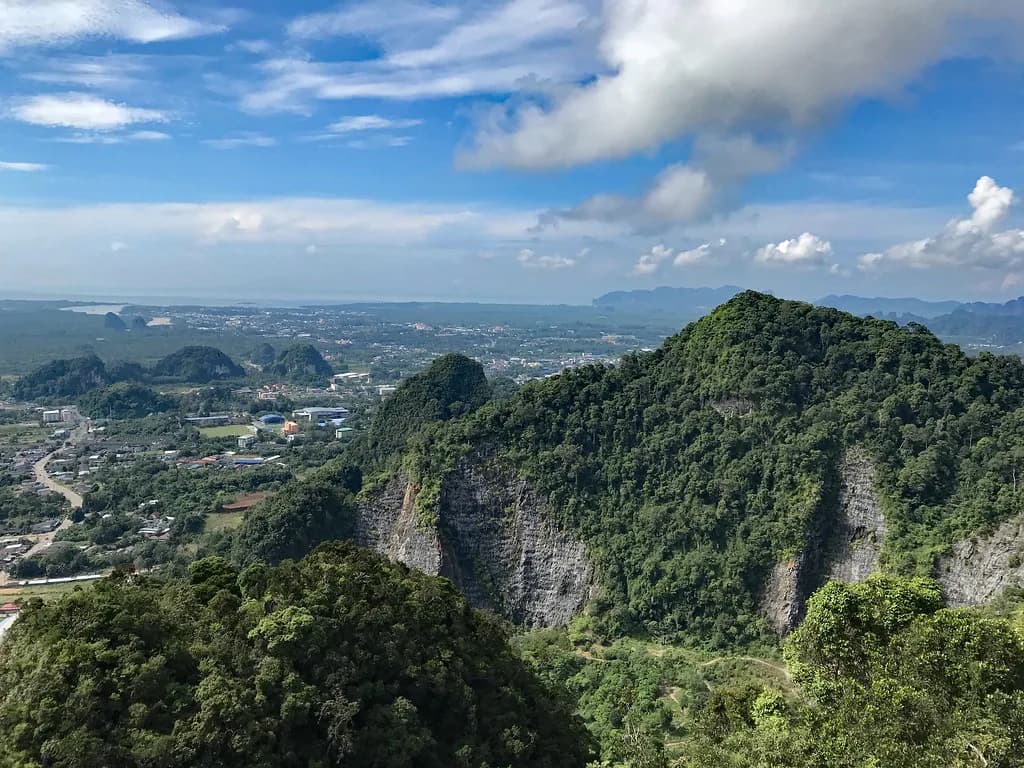
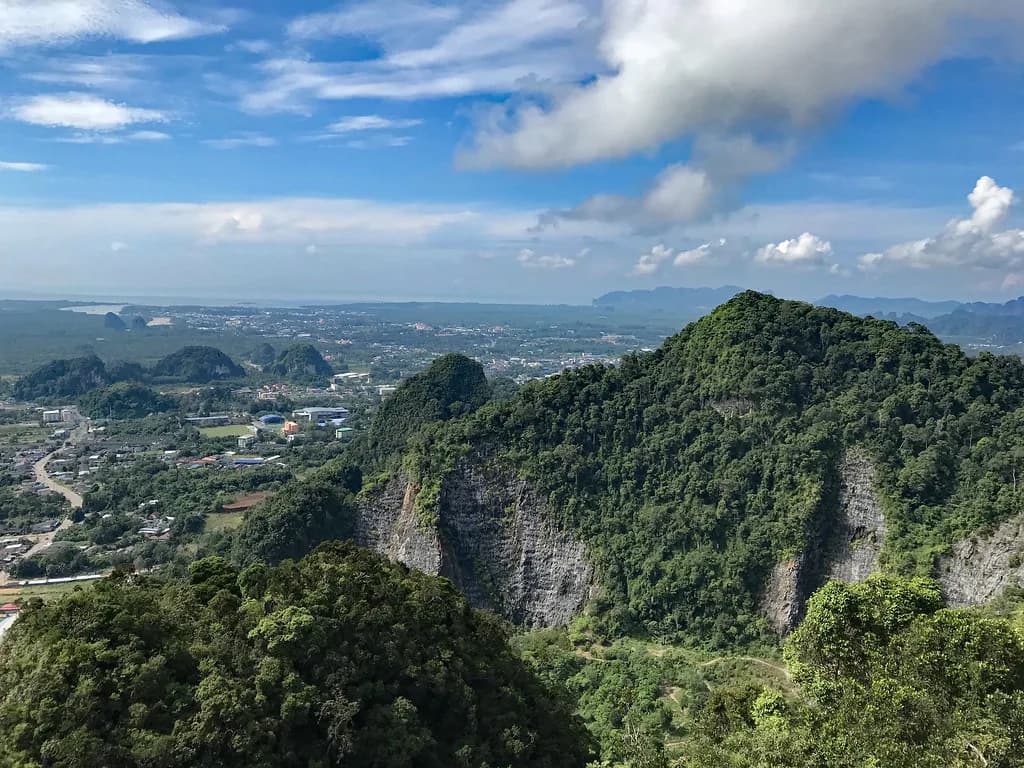
Krabi sits on the Andaman Sea coast of southern Thailand, where the late dry season period is historically associated with hot, humid and sunny conditions. That combination shapes fabric choices more than any single temperature figure, because sweat has to move away from skin and dry quickly. Heavy fabrics cling, stay damp and make long walks along Ao Nang's beachfront road or a Railay footpath far less comfortable.
Daylight is another practical factor. Stronger sun through the day rewards loose coverage such as a light long-sleeved top or a wide-brimmed hat, while very skimpy clothing leaves more skin exposed for hours at a time. Editorial suggestion, not a rule: choose clothing that shades shoulders and neck during the middle of the day, then shed layers once the sun softens.
Build the trip around one core wardrobe and adapt it, rather than packing two separate suitcases. A Krabi packing list dry season framework gives you the base layer set; this article decides how February and March shift the emphasis within it. If your travel dates drift into the wetter pattern later in the year, compare against a Krabi packing list rainy season approach so you swap the right items.
Fabric First: Why Linen, Light Cotton and Athletic Blends Beat Denim and Polyester in Krabi Heat
Fabric is the decision that makes or breaks a Krabi wardrobe. Breathable options such as linen, thin cotton blends and moisture-wicking activewear are widely recommended for Thailand's hot and humid conditions, while leather, denim and polyester are the usual items to leave behind. The trade-off is honest: linen wrinkles and takes a while to dry, whereas athletic blends dry fast but can look sporty in town.
A practical compromise is to reserve linen and light cotton for dinners and temple visits, and quick-drying synthetics for beach days, boat trips and anything involving spray. Quick-drying synthetic clothing is often recommended for humid trips precisely because cotton can stay damp for a long time in this climate. If you pack only one type of fabric, you lose flexibility in exactly the moments that matter.
Weight adds up faster than you expect. Two or three loose short-sleeved tops, one or two pairs of breathable shorts and one flowy bottom typically cover more outfits than a stack of heavy cotton tees. Loose short-sleeved tops and shorts are the standard comfortable choice for walking and exploring in tropical humidity.
A Baseline Day Outfit That Works for Both Months
Start with a uniform and repeat it: a loose short-sleeved top, breathable shorts or flowy pants, and easy sandals. The shorts-or-pants question is a genuine trade-off. Shorts are cooler and faster to dry, while flowy pants cover knees for temples, protect legs from strong sun and fit comfortably into an air-conditioned van without extra effort.
One modest layer should always be in the day bag. A sarong, scarf or light shawl handles shoulder and leg coverage at religious sites, doubles as shade on a hot walk, and warms you slightly when air-conditioning is strong. Because it solves three problems at once, it replaces the need for a separate cardigan, beach cover-up and temple wrap.
Keep the colour palette light where comfort matters and darker tones for evenings if you prefer them. Pale colours reflect heat and hide salt less well, while dark colours look tidier at dinner but feel warmer in direct sun. Thailand is a hot, humid and sunny destination, so treat the lighter palette as the practical default.
February Packing Decisions: Mild Evenings, Air-Conditioned Transfers and Longer Beach Days
February rewards flexibility more than March does. A thin long-sleeved shirt or compact cardigan earns its place for air-conditioned minivans, ferries between the mainland and the islands, and restaurants where the cooling is set low. The layer should fold small enough to live in your day bag rather than your suitcase.
For beach days, a swimsuit, a cover-up you can walk through town in, and a quick-dry towel form the core. A sarong covers the walk from the sand to a cafe for lunch, which is the moment many travellers feel underdressed in wet swimwear. Travelling between beaches, islands and town also raises the question of how much to carry in one bag, and what to wear in Krabi for island hopping expands the cover-up and dry-bag decisions.
Pack for longer beach days rather than shorter ones, because February trips on the Andaman coast tend to fill with sand and salt time. That means two swimsuits if you can spare the space, so one can dry while the other is worn, and a light layer for the evening boat ride back.
March Packing Decisions: Peak Sun, Lighter Fabrics and What Changes in the Day Bag
March asks you to lighten everything. Choose your thinnest breathable tops, favour loose coverage over tight clothing, and expect sun exposure rather than cloud cover to set your pace. Loose, short-sleeved garments in linen, light cotton or athletic fabric are the standard recommendation for these conditions, with heavy materials left at home.
The day bag changes contents more than the suitcase does. Add the sun hat, sunglasses and sunscreen to the bag you carry, plus a refillable water bottle, because you will want them during the middle hours rather than back at the hotel. Travellers often report that sunscreen bought locally is expensive and frequently contains whitening ingredients, so bringing your own from home is a common recommendation.
If your March dates run unusually late in the month, check the outlook rather than assuming the dry pattern will hold. A light rain shell that folds into its own pocket weighs almost nothing and covers the occasional early shift in the weather. It is a hedge, not a prediction, and it should not replace the sun protection you will use every day.
The Modest Layer: Sarong, Scarf or Shawl for Temples, Shoulders and Town
Temple visits are the main reason most travellers add one modest layer to a Krabi bag. A large lightweight scarf or shawl can be wrapped over the shoulders, and a sarong can be tied around the waist to cover past the knees when you are wearing shorts. That is courtesy guidance rather than a legal requirement, and individual sites set and enforce their own rules at the entrance.
Outside temples, the same layer has practical uses. It shades shoulders on a long walk, sits over bare legs in a chilly van, and covers swimwear on the short walk from the beach to a shop. When you leave the sand for lunch or a shop, covering up with a sarong or another non-lacy layer is a considerate habit rather than a formal rule.
Avoid treating this as a strict dress code for every hour of the trip. Beaches and resort pools accept normal swimwear, while ordinary town wear tends to be more covered and put-together. The safe habit is to carry the layer and apply it when you enter a religious site or leave the beach.
Beach and Boat Days: Swimsuit, Cover-Up, Quick-Dry Towel and the Two-Purpose Sarong
A beach day kit is short: swimsuit, cover-up, quick-dry towel and the sarong you already carry. A swimsuit is worth packing even if your plans are loose, because Krabi's cliff-lined coves and hotel pools both reward having one ready. The practical detail is drying time, since a heavy cotton towel stays damp in a day bag.
Boat trips add two small items: a dry bag or plastic pouch for phone and documents, and footwear that survives wet decks. Flip-flops are easy to slip off when boarding and are the common choice for beach errands. For longer days on the water, the footwear guide below covers grip and drying in more detail.
Keep beachwear for the beach. Walking into a shop, restaurant or temple in wet swimwear and a towel is the one move that reliably draws attention, so a cover-up is the simplest fix. It also reduces the amount of sand you carry back to your room.
Footwear Trade-Offs: Sandals, Flip-Flops and One Pair of Closed Shoes
Three pairs at most: supportive sandals for walking, cheap flip-flops for the beach and shared showers, and one pair of closed-toe shoes or lightweight trainers. Supportive sandals handle hot pavement and uneven streets, while flip-flops are convenient because you remove footwear frequently at temples, guesthouses and some shops. Heels and strappy dress sandals are the usual items to leave behind.
Closed shoes matter if you plan a jungle trek, a national park trail or a long walking day. Comfortable closed-toe walking shoes are recommended for sturdier days on uneven or unpaved ground. They also protect feet from hot surfaces and from the occasional messy street or market floor.
Getting the balance right is easier with a footwear guide than with guesswork. The Krabi footwear guide explains how sandals, trainers and water shoes divide the work across sand, limestone stairs and town.
Sun and Insect Protection Packed Before You Leave
Sun protection is not optional equipment in the late dry season. Bring a light sun hat, sunglasses and sunscreen from home rather than relying on buying them after arrival, since imported sunscreen tends to cost more locally and formulas can differ from what you use. Local stalls sell hats and sunglasses, but souvenir pairs often lack UV protection.
Insect repellent belongs in the same pouch. A humid tropical climate supports mosquitoes, and bringing a repellent you already trust is a common recommendation for travellers with sensitive skin or strong reactions to bites. This is a comfort and protection item, not medical advice; check with a health professional for any health-related questions before you travel.
Keep the kit small enough to carry daily. A compact hat that packs flat, a water-resistant pair of sunglasses you can take near the water, and a small repellent bottle cover the essentials without bulk. Reseal sunscreen in a pouch so a leak does not ruin clothing in transit.
A Compact Five-Day Krabi Packing Example for February or March
For a five-day trip mixing town, beach and one boat day, start with three loose short-sleeved tops in linen, light cotton or athletic fabric. Add two pairs of breathable shorts and one pair of flowy pants for temple visits and air-conditioned transfers. Then finish the clothing layer with two swimsuits, one cover-up or sarong, and one thin long-sleeved shirt.
Footwear stays at three pairs: supportive sandals, flip-flops and one pair of closed shoes. Add a sun hat, sunglasses, sunscreen and insect repellent, plus a quick-dry towel and a small dry pouch. Laundry service is common in tourist areas of Krabi, so five days of clothing does not need to become ten.
Scale this by trip length rather than by adding categories. A ten-day trip usually means one extra top and one extra bottom plus more laundry runs, not a second wardrobe. If rain appears in the outlook, add only the foldable shell and a backpack cover, keeping everything else the same.
What to Leave Behind
Heavy denim, thick sweatshirts, leather jackets and bulky trousers take up space and rarely come out of the bag in this climate. Denim in particular is a poor fit for high humidity because it holds moisture and dries slowly. Packing guidance for Thailand is consistent here: heavy jeans and thick sweatshirts are the items most likely to weigh down a bag without being worn.
Leave heels, strappy dress sandals and excess jewellery at home. Streets are uneven, sand is everywhere and valuables are an unnecessary worry on beach days. If you want one smarter outfit for a nicer restaurant, a simple dress or a clean shirt with flowy pants covers it without extra bulk.
Cut the duplicate rain gear as well. One compact shell or poncho is enough for the late dry season, and several layers you never wear simply add weight. If your trip edges into the wetter months, a rain-focused packing list handles that trade-off more honestly.
Before You Leave: Checking the Outlook and Adjusting Your Final Layers
A week or two before departure, check a reputable weather outlook for Krabi instead of relying on seasonal assumptions. Year-to-year variability in the late dry season is real, and a short forecast window tells you more about your specific dates than any general month-by-month description. Read it as a packing signal, not a guarantee.
Adjust two things based on what you see: the outer layer and the footwear. A wetter outlook justifies the compact rain shell and closed shoes, while a settled sunny pattern means lighter tops and more emphasis on shade. Neither change should alter the core wardrobe you have already built.
Finally, confirm the essentials that only you can verify for your own booking. Check current baggage rules with your airline and entry requirements with the relevant authority, because those details change and no packing article can substitute for the official source. With clothing, footwear and sun protection settled, the rest of the trip is easier to enjoy.
Plan Your Visit
February and March in Krabi reward a light, breathable wardrobe with one modest layer that multitasks. Pack loose tops and shorts or flowy pants, three pairs of footwear at most, and sun and insect protection brought from home. Add a compact rain shell only if the outlook suggests you need it.
Keep the two months distinct in your planning: February leans on that extra light layer for air-conditioning and evenings, while March pushes lighter fabrics and stronger sun coverage. Use the Krabi packing list to fill any gaps before you fly.
Frequently Asked Questions
What should I wear in Krabi in February?
Build around loose short-sleeved tops with breathable shorts or flowy pants, plus a swimsuit and cover-up for beach days. Add one thin long-sleeved layer for air-conditioned vans and boats, and a sarong or scarf for temple visits or shade. Keep the layer in your day bag so it is there when the cooling is strong.
What should I pack for Krabi in March?
Shift toward your lightest breathable fabrics and pack more sun coverage rather than more clothing. A hat, sunglasses and sunscreen move into your day bag, and a refillable water bottle helps on long hot stretches. If the outlook shows a wetter pattern, add a small packable rain shell but keep the rest of the wardrobe unchanged.
Do I need long pants for temples in Krabi?
Not necessarily, but legs should be covered when you enter a religious site, so a sarong tied around the waist works if you are wearing shorts. Individual temples set and enforce their own rules at the entrance, and a scarf or shawl over the shoulders addresses the other common requirement. Treat this as courtesy guidance rather than a universal legal rule.
Is it better to visit Thailand in February or March?
Both sit in the high season and share hot, humid, sunny late dry season tendencies, so the choice is less about weather and more about crowds, prices and your own schedule. March generally pushes sun exposure further, which changes what you carry daily more than what you pack. Check a reliable outlook close to departure rather than relying on seasonal assumptions.
What shoes should I bring to Krabi?
Three pairs cover most trips: supportive sandals for walking, flip-flops for the beach and shared showers, and one pair of closed shoes for trails or long walking days. Sandals are easy to remove at temples and guesthouses, which matters because footwear comes off frequently. Leave heels and strappy dress sandals at home.
Is it okay to wear black in Thailand?
Black clothing is fine to wear, and there is no rule against it for visitors. The practical issue is comfort: dark colours absorb heat and feel warmer in strong sun, so lighter tones are usually more comfortable for daytime sightseeing. Keep black for evenings or air-conditioned venues if you like the look.
Can I buy sunscreen and insect repellent in Krabi?
Yes, both are widely sold in local shops and minimarkets, though imported sunscreen is often more expensive locally and formulas may include whitening ingredients. Many travellers prefer to bring a sunscreen and repellent they already know works for their skin. If you have sensitive skin, pack your own rather than experimenting on arrival.
How do I pack light for a hot, humid Krabi trip?
Choose breathable fabrics, repeat a small uniform of loose tops and shorts or flowy pants, and lean on laundry rather than doubling your clothing. Keep footwear to three pairs and carry the modest layer, hat, sunglasses and repellent in your day bag. A compact rain shell is the only extra worth adding if the outlook turns wet.
Sources
Free: The Ultimate Packing Cheat Sheet
A carry-on capsule wardrobe, the complete packing checklist, layering made simple, and what to wear by season — one printable page you'll use on every trip.
You might also like


Continue reading
More guides you'll find useful