What to Wear in Kanazawa in April: Spring Layering Guide
Plan what to wear in Kanazawa in April with layered outfits, light rain gear, and walkable shoes for damp early-spring days, gardens, and blossom strolls.
On this page
April in Kanazawa behaves like a handover month, with cool starts, milder middles of the day, and evenings that pull the temperature back down. Because the city sits on the Sea of Japan side of Honshu, historical seasonal patterns point to humid air and a genuine chance of rain rather than a steady dry spring. Treat those patterns as tendencies to pack for, not a forecast for your specific dates.
The practical response is a layering system rather than a fixed outfit: a base layer you can wear alone indoors, a mid layer for shade and mornings, and a light-to-medium outer layer that handles wind and drizzle. That way a warm afternoon or a cold snap costs you one garment change, not a repacked suitcase. Everything below is an editorial suggestion you can adapt, not a rule about how anyone in Kanazawa dresses.
How the Japan Sea Climate Shapes Your April Packing
Kanazawa is often described as having a Japan Sea climate, with high humidity through the year and rain that can arrive without much warning. The local advice to carry an umbrella even when the sky looks settled reflects how quickly conditions can shift. For packing, this means rain readiness belongs in your everyday bag, not in a separate excursion kit.
Spring in the Hokuriku region is also known for sharp swings, including warm, dry winds that can briefly push temperatures up before a sudden drop. That is the core packing problem: a single heavy coat is too much by early afternoon, while a single light shirt is too little by evening. Choose layers you can add and remove in seconds rather than garments that only suit one part of the day.
The Core Layering System for April
Start with long-sleeve tops or light knitwear as your base, since sleeves give you coverage without bulk when you are moving between streets, shops, and transit. A medium-weight sweater or cardigan is the mid layer that does most of the work on cool mornings. Finish with a trench coat or a light-to-medium jacket that blocks wind and handles a short shower.
Keep the whole system to three removable pieces plus one spare base layer, so a trip of several days still fits in a carry-on. If you run cold, add a compact scarf that doubles as neck warmth on an evening walk; if you run warm, swap the knit mid layer for a lighter shirt and rely on the outer layer. The system should bend to your own comfort, not to a fixed packing number.
Fabric Choices: What Dries Fast and What Holds Damp
In humid, rain-prone conditions, quick-drying synthetic blends, thin merino, and light cotton mixes are easier to live with than heavy cotton fleece, which can stay clammy for hours after a shower. Denim dries slowly, so one pair of jeans is fine but several pairs of heavy denim are a poor bet for a wet week. Linen wrinkles quickly but breathes well if a warm spell arrives.
Pack knits and outerwear that can air-dry overnight in a hotel room, and avoid sending a soaked sweater to the bottom of your bag where it will chill the rest of your clothes. A single light waterproof layer earns its space because it packs small and can sit over any mid layer. If your hotel offers laundry, use it to refresh base layers instead of packing one set per day.
Three Outfit Combinations for an April Day
For a mild afternoon, wear a long-sleeve top with light trousers or a midi skirt and carry the outer layer folded in your day bag. For a cool morning or evening, add the knit mid layer under a trench or light jacket and consider a scarf. For a rainy garden day, wear the quick-dry base, add the waterproof shell over the knit, and keep trousers slightly cropped so wet hems do not climb your legs.
These are combinations to adapt, not uniforms, and the goal is that all three draw on the same garments. If a warmer-than-expected day arrives, you can drop the mid layer and still look put together; if a cold front moves in, the same pieces stack back up. That overlap is what keeps a small bag workable across an unpredictable week.
Blossom and Garden Days: What to Adjust
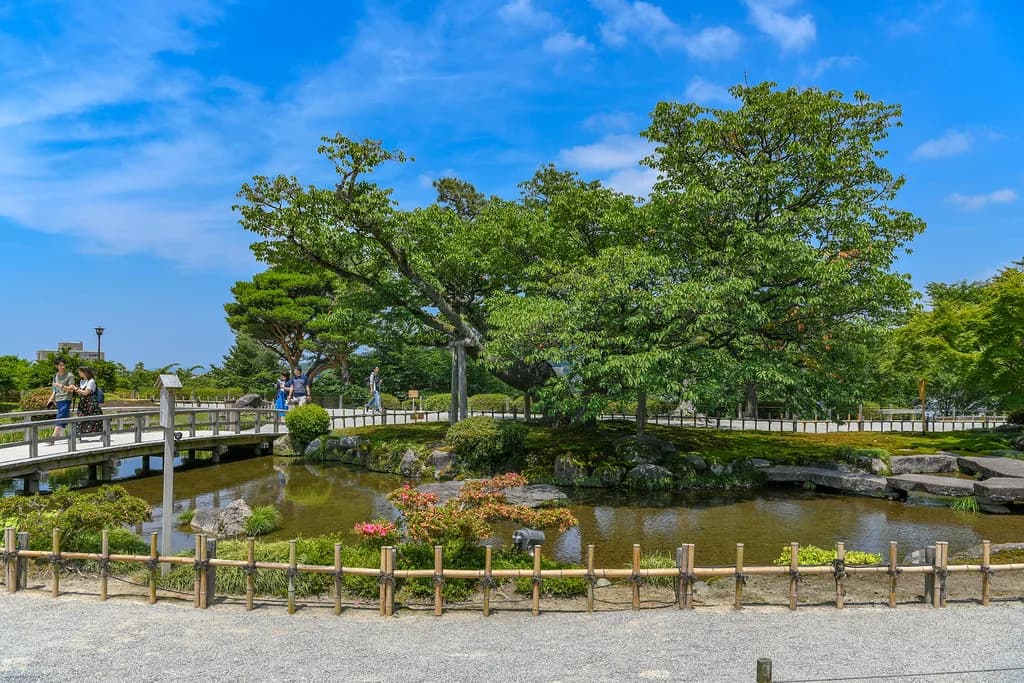
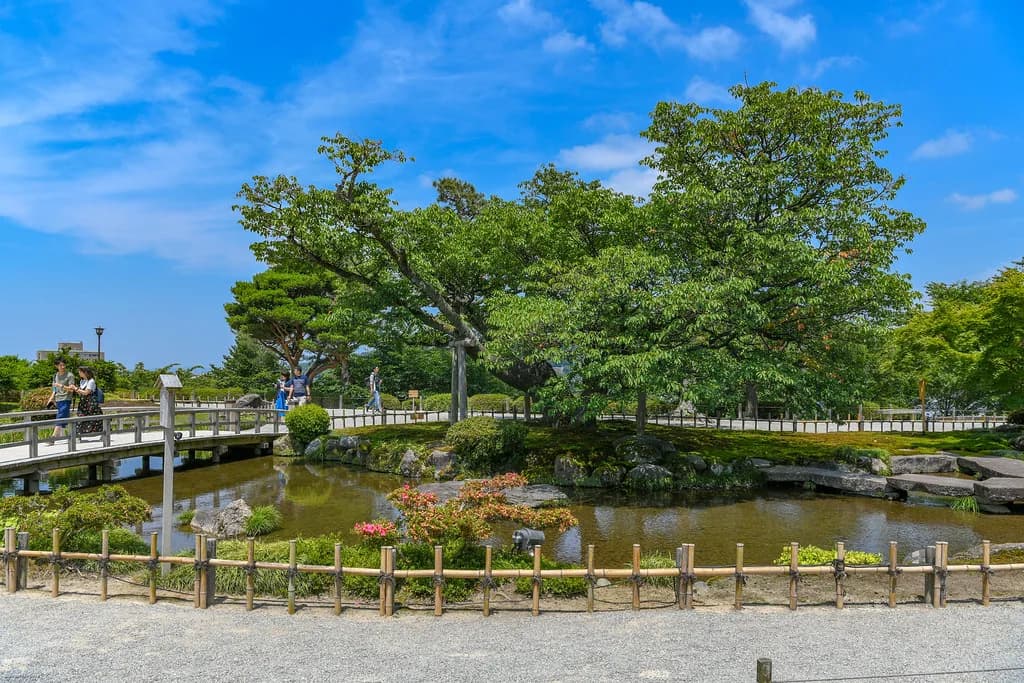
Cherry blossom viewing and garden visits involve more standing, strolling, and sitting outdoors than a normal city day, so the outer layer you carry matters more than the one you wear. Cherry blossoms in the city typically open in early April, and garden grounds fill with visitors in that window, so you may wait in the open before moving on. A packable shell and a compact umbrella cover both the waiting and the walking.
Garden grounds and historic lanes often mean gravel, stone, and low steps, so hems that clear your shoes are more practical than long, trailing skirts. If you plan to sit on a bench or a stone edge, a slightly thicker mid layer keeps the chill of damp stone off your back. Consider a light bag you can wear crossbody so your hands stay free for an umbrella.
Footwear for Wet Stone Lanes and Transit
Kanazawa rewards comfortable walking shoes, and the trade-off in April is between grip on wet stone and the weight you carry all day. Water-resistant leather or treated trainers handle drizzle and dry faster than canvas, which soaks through and stays heavy. Heavy winter boots are more insulation than the season needs and become a burden on trains and in heated interiors.
A second, lighter pair of shoes is useful if the first gets soaked, and it also gives your feet a change on long walking days. Break in both pairs before you travel rather than relying on a new pair to behave. Socks matter too: pack enough pair that a wet morning does not leave you choosing between damp socks and none.
Rain Gear That Works in the City
A compact umbrella is the single most useful rain item for a city with frequent, changeable showers, and it can be used on the move without stopping to change clothes. A light waterproof jacket covers the wind-driven rain that an umbrella misses, particularly when you are crossing open ground. Together they are lighter than a heavy raincoat and far more adaptable.
Protect the inside of your bag as well: a simple dry bag or a plastic sleeve for electronics costs almost nothing and rescues a phone or camera when rain arrives suddenly. If you are travelling with a camera or a paper guidebook, keep them in the waterproof layer rather than a side pocket. A light waterproof jacket and a compact umbrella belong in your day bag from the first morning rather than staying in your room.
A Compact Packing Example for a Short Trip
For a three- to four-day trip, group your bag by layer rather than by day: three base tops, one mid layer, one light jacket or trench, one waterproof shell, two pairs of trousers, one skirt or dress if you want variety, and one compact umbrella. Underwear and socks scale with the number of days unless laundry is available. This combination yields several outfits because every top works with every bottom.
Add a small pouch for chargers and a power bank, and a light scarf if you feel the cold. Keep one outfit separate in your carry-on in case checked luggage is delayed, which matters more on a short trip than a long one. If you plan to shop for crafts, leave a little space rather than packing to the limit.
What to Leave Behind
Heavy winter boots, a bulky down coat, and thick thermal layers are the items most likely to sit unused in an April suitcase, because heated interiors and milder afternoons punish over-insulation. Multiple heavy denim pieces and a full second outer layer are similarly hard to justify for a short trip. Leave them at home and put the weight into rain protection and comfortable shoes instead.
Single-purpose items are the other trap: a formal outfit for one dinner, or shoes that only work with one outfit, take up space that a flexible layer would use better. If a specific restaurant or venue has a dress expectation, confirm it directly with that business rather than packing for an assumed rule. Because April conditions vary, a small cushion of unused space is more valuable than one more pair of shoes.
Checking Conditions Before You Fly
In the days before departure, check a reliable forecast for Kanazawa and read it as a guide to which layer to swap, not as a promise about the whole trip. If the outlook is wetter than expected, add the waterproof shell and a second pair of quick-dry trousers; if it trends warmer, drop the heaviest knit. Airlines set their own baggage rules, so confirm the allowance with your carrier instead of relying on general advice.
Once you arrive, the tourist information services around Kanazawa Station can help with local weather and umbrellas, which is useful on a first day when your packing decisions are hardest to judge. Recheck the forecast each morning of a short trip and adjust what you carry rather than what you packed. Small daily adjustments beat a heavy, fixed wardrobe.
Pack for the Swing, Not the Average
April in Kanazawa asks for a wardrobe that can change with the day, so build around three removable layers, quick-drying fabrics, and shoes that cope with wet stone. A compact umbrella and a light waterproof shell do more for your comfort than any single warm garment. Keep the bag small enough that you can add or shed a layer without repacking.
If your dates shift toward warmer, wetter weather later in spring, our guide to what to wear in Kanazawa in June covers the next stage of the transition. Either way, check conditions shortly before you travel and let the forecast decide which layer stays in the bag.
Frequently Asked Questions
What should I wear in Kanazawa in April?
Plan around three removable layers: a long-sleeve or light knit base, a medium sweater or cardigan, and a trench coat or light jacket that handles wind and drizzle. Add a compact umbrella and a light waterproof shell for wet spells. April conditions swing between cool and mild, so the ability to add or remove a layer matters more than any single garment.
Is April cold in Kanazawa?
Historical spring patterns for the Hokuriku region point to cool mornings and evenings with milder afternoons, plus the chance of sudden swings in either direction. It is not deep winter, but it is not reliably warm either, which is why a mid layer and a light outer layer both belong in your bag. Check a current forecast shortly before departure for the conditions on your dates.
Do I need a rain jacket in Kanazawa in April?
A light waterproof layer is worth packing because Kanazawa's Japan Sea climate brings humid air and changeable rain, and an umbrella alone does not cover wind-driven showers. A packable shell weighs little and layers over any mid layer you are already carrying. A compact umbrella complements it for short showers while you are walking.
What shoes are best for walking around Kanazawa in spring?
Comfortable walking shoes with decent grip on wet stone and gravel are the practical choice, and water-resistant leather or treated trainers dry faster than canvas. A second lighter pair helps if the first gets soaked. Heavy winter boots are more insulation than April usually calls for and are tiring on transit and indoors.
How should I layer for April days and cooler evenings in Kanazawa?
Treat the day as two or three segments: a base layer for a mild afternoon, a mid layer for shade and mornings, and an outer layer for evening and rain. Choose pieces where every top works with every bottom so you can mix and match rather than packing full outfits. A scarf is a compact way to extend warmth without adding a coat.
What should I leave behind when packing for Kanazawa in April?
Leave heavy winter boots, a bulky down coat, and thick thermals at home, since heated interiors and milder afternoons make them hard to use. Skip multiple heavy denim pieces and single-purpose outfits that only work once. Put the saved space toward rain protection, comfortable shoes, and a spare base layer.
Sources
Free: The Ultimate Packing Cheat Sheet
A carry-on capsule wardrobe, the complete packing checklist, layering made simple, and what to wear by season — one printable page you'll use on every trip.
You might also like


Continue reading
More guides you'll find useful