What to Wear in Kanazawa in November: Layering Guide
Pack for Kanazawa in November with flexible layers for crisp days and cold nights, footwear for leaf-strewn stone paths, and a compact trip checklist.
On this page
Kanazawa in November sits between mild autumn and early winter, so the packing problem is adaptability rather than pure warmth. Historical seasonal tendencies point to daytime temperatures around 10–15°C (50–59°F) and nights dropping below 10°C (50°F), which means a single heavy coat is less useful than a base layer, a warm mid-layer, and a packable outer layer you can remove indoors. Getting the layering right matters more than owning one expensive jacket.
This guide is about clothing and footwear decisions only, not a sightseeing plan. It explains which layers earn their suitcase space, how to handle leaf-strewn stone paths and gravel, and which bulky winter items you can leave at home. Treat every suggestion as an editorial starting point and adjust it against the forecast close to departure.
November Weather: What the Season Historically Tends To Do
Kanazawa sits on the Japan Sea side of the Hokuriku region, where autumn weather is known for changeability and occasional rain rather than constant drizzle. Historical seasonal tendencies for November show a quick drop from mild early-month conditions into distinctly cold evenings, with daytime temperatures around 10–15°C (50–59°F) and nights falling below 10°C (50°F). That spread is the most useful climate figure for packing.
November rain is usually occasional and light, with a mix of clear and overcast days, and snow in central Kanazawa generally holds off until late November at the earliest. Mountain areas away from the city can see far colder, wetter conditions and the first snow of the season. Plan for cool dampness in town rather than full winter conditions.
The practical consequence is that November packing should be lighter than December or January packing. You do not need insulated snow trousers or heavy thermal tops for city use, and those items only reduce the flexibility that makes a layered system work. Keep the bulk out and put the value into three or four adaptable pieces.
The Core Layering System
Start with a thin moisture-wicking base layer, either a long-sleeve synthetic tee or a light merino top. This piece sits against the skin under everything else and is the one layer you are unlikely to remove during the day. Two of these for a three-to-four day trip is usually enough because they dry overnight.
The mid-layer does most of the work: a wool long-sleeve top, a flannel shirt, or a light sweater, with a thicker knit sweater packed for colder evenings. A buttoned flannel shirt is especially useful because you can open it when a shop or restaurant is warm and close it again outside. This is the layer you will add and remove most often.
Finish with a packable outer layer rather than one heavy coat. A trench coat or a light padded jacket handles most November days, and a down vest adds meaningful warmth without much bulk for cold-sensitive travelers. If your outer layer compresses into your day bag, you can shed it indoors and carry it comfortably.
Daytime Outfit Example
A workable daytime combination pairs a light sweater over a flannel shirt with comfortable trousers and a trench coat. This covers the mild afternoon range around 10–15°C (50–59°F) without making you overheat when you step into a crowded market hall or a warm restaurant. The flannel can come off and go into your bag if the afternoon turns warm.
Trousers in a mid-weight fabric, or jeans, suit the season better than shorts or thin summer fabrics. If you run cold, a thin pair of tights or a light thermal legging under trousers adds warmth without changing the silhouette. Choose trousers you can walk in for several hours, because November days invite long strolls.
Keep accessories minimal during the day: a compact crossbody bag, a light scarf you can loosen, and sunglasses for bright clear spells. A small folding umbrella lives in the bag rather than the suitcase, since rain tends to be brief and intermittent. If you are comparing this shoulder season with spring conditions, what to wear in Kanazawa in April covers the milder, blossom-oriented packing logic.
Evening Outfit Example
After sunset, temperatures often dip to around 7°C (about 45°F), so the evening outfit is the daytime outfit plus a real warmth layer. Swap the light sweater for a thick sweater, add a scarf, and bring a warm jacket or a down vest. Cold-sensitive travelers may also want a hat and disposable hand warmers, which take up almost no space.
The mistake to avoid is wearing your heaviest coat all day because the evening will be cold. Instead, carry the warm layer in your bag and add it once the light goes, which keeps you comfortable during the warmer middle of the day. This is the whole point of a layered system.
For evening garden illuminations and similar after-dark walks, prioritize warmth you can stand in for an hour or more rather than fashion. Insulated flat shoes or warm socks matter more than usual because you will be mostly stationary. Check the organizer's own schedule for current illumination dates and any entry arrangements rather than relying on older listings.
Footwear for Dry, Leaf-Strewn Stone Paths
November paths in Kanazawa are usually dry rather than snow-covered, but fallen leaves can make stone and gravel briefly slippery, especially after rain. Closed walking shoes with a grippy sole are the most versatile choice for these surfaces. This is an editorial suggestion based on typical conditions, not a requirement imposed by any site.
Waterproof boots are not necessary for central Kanazawa in November. They become relevant mainly if you are planning late-month day trips into mountain areas, where conditions can be colder and wetter than in the city. For a city-based trip, a single pair of comfortable, lightly water-resistant walking shoes is a better use of luggage space.
Bring socks that suit those shoes and pack one spare pair, because cool damp feet ruin an evening walk faster than almost anything else. If you already own waterproof footwear you like, it is fine to bring it, but do not buy heavy boots specifically for a city trip. Footwear is the item most likely to be over-packed for November.
Rain Preparedness Without Overpacking
Kanazawa's Japan Sea climate is known for changeable weather, and November rain is usually light and occasional. A compact folding umbrella or a light rain shell is enough for most days. Choose one, not both, unless you know you will be out for long stretches in wet conditions.
A light rain shell has an advantage over an umbrella when you are walking between covered and open areas or moving through crowded streets. An umbrella is easier to shake dry and stow when the rain stops. Either approach works, so pick the one you will actually carry rather than the one that sounds more thorough.
If your outer layer is already water-resistant, you may not need a separate shell at all. Test your coat with a light shower before you travel rather than assuming it will hold up. Packing a dedicated rain jacket you never use wastes more space than it saves.
Dressing for Foliage and Garden Illuminations
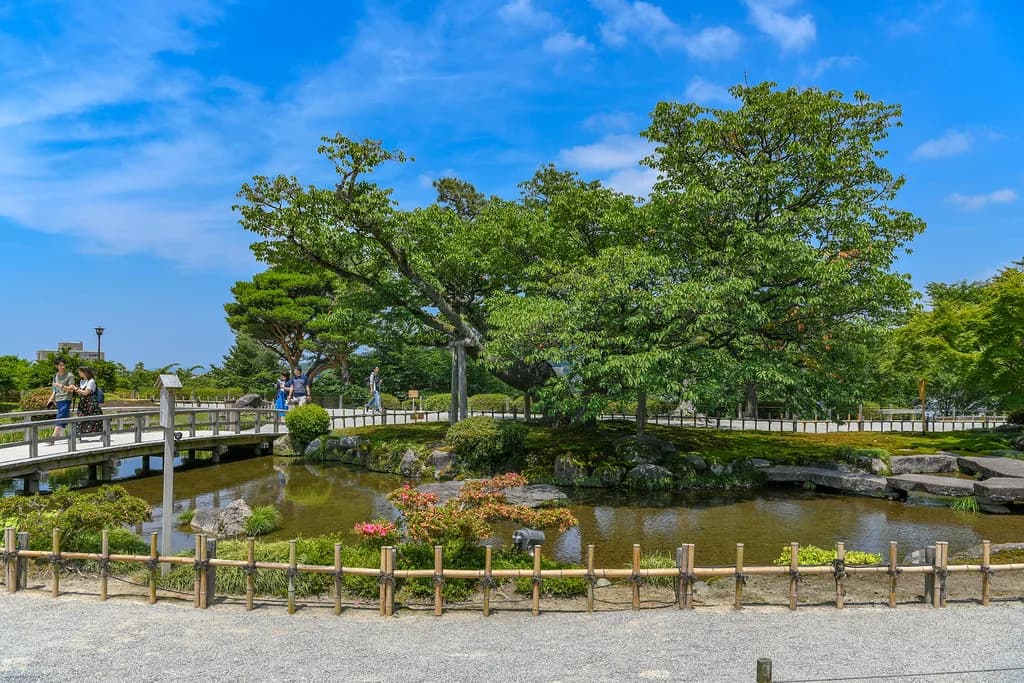
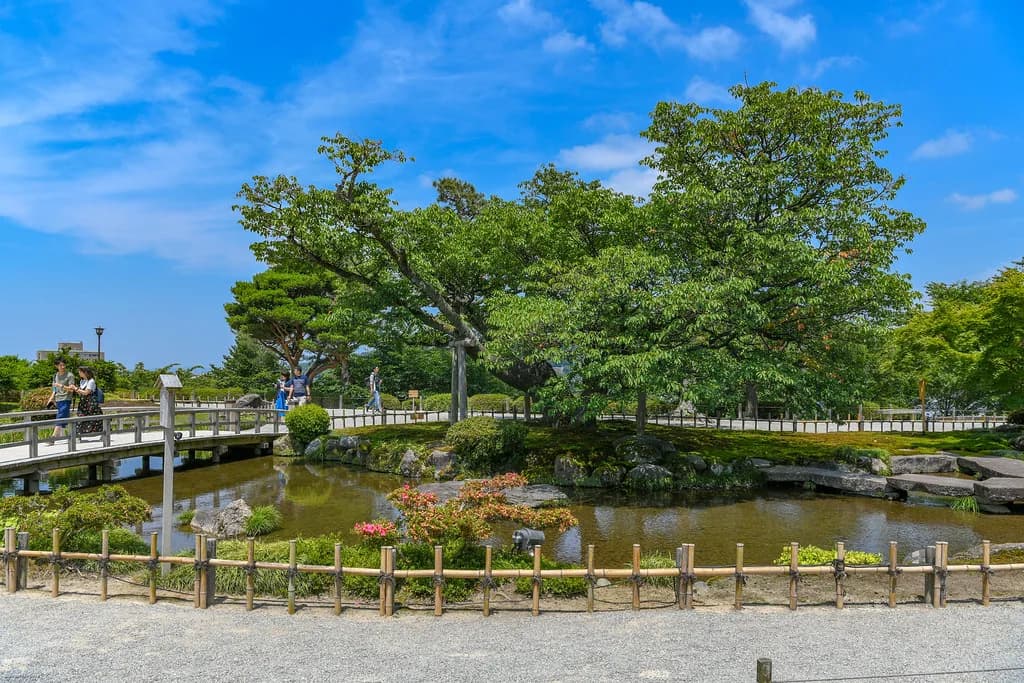
Autumn foliage and evening illuminations are signature November experiences, and they change the outfit maths because you are standing still outdoors after dark. Wear the thick sweater and scarf from the start of the evening rather than adding them later from a bag. Comfortable, warm shoes matter more than usual when you are on your feet on stone paths.
Layer a thin base under your sweater for illumination evenings, since a stationary hour feels considerably colder than the same temperature while walking. A down vest under a coat adds warmth without restricting movement. Gloves are a small item that makes a disproportionate difference once the sun is down.
Check the official Kanazawa tourism site for current illumination periods and opening arrangements before you build an evening around one. Seasonal events shift year to year, so verify details closer to the date. Treat historical timing as a planning hint rather than a confirmed schedule.
A Compact 3–4 Day Packing Example
For a three-to-four day trip, pack two moisture-wicking base layers, one flannel shirt, one light sweater, and one thick sweater. Add one trench coat or light padded jacket plus an optional down vest. This covers both daytime walks and cold evenings without repeating a single garment in an unrealistic way.
For bottoms, bring two pairs of trousers, one of which should be mid-weight and walkable. Include one scarf, one pair of gloves, a hat if you run cold, and a compact umbrella or light shell. Socks and underwear for the full trip plus one spare of each keeps laundry pressure low.
Footwear is the one pair of grippy walking shoes you will wear on the plane, with perhaps a lighter pair if you want an evening option. This capsule fits in a carry-on for most travelers and leaves room for purchases. The full Kanazawa packing list expands this framework for longer trips or different seasons.
What To Leave Behind
Leave heavy snow insulation at home. Down-filled parkas, insulated snow trousers, and dedicated snow boots are designed for the depths of a Kanazawa winter, not for a mostly snow-free November in the city. They add weight and remove the layering flexibility you actually need.
Skip multiple heavy coats. One adaptable outer layer plus a down vest covers more situations than two bulky options. If you are tempted to pack a second warm coat, replace it with an extra mid-layer instead.
Leave behind summer clothing that only works in heat, and avoid packing a full formal outfit unless you have a specific reservation that calls for one. Check the venue directly for any dress expectations rather than assuming a rule. Packing for the trip you are actually taking beats packing for every possibility.
Before-Departure Weather Check
Historical November tendencies are not a forecast, so check a reliable weather service in the final week before departure. Compare the expected daytime high and overnight low with the ranges in this guide and adjust the number of mid-layers accordingly. A colder-than-typical week justifies an extra sweater, not a full winter wardrobe.
If you are adding a mountain day trip such as Shirakawa-go, check conditions for that area separately, because it can be noticeably colder and wetter than Kanazawa, and snow can begin there while the city stays clear. That is also the scenario where waterproof footwear becomes worth considering. City packing and mountain-day packing are different problems.
Recheck the forecast once more on arrival, since Japan Sea weather can shift within a day or two. Adjust what you carry in your day bag rather than repacking your suitcase. Small daily changes are the easiest way to stay comfortable.
Plan Your Visit
Packing for Kanazawa in November is a layering exercise: a thin base, a wool or flannel mid-layer, a light sweater, and a packable warm outer layer for evenings. Grippy walking shoes handle dry, leaf-strewn stone paths, and a compact umbrella covers occasional Japan Sea rain. Heavy snow gear belongs to winter, not to this month.
Build the capsule around three or four adaptable pieces, leave the bulky winter items at home, and check the forecast in the final week. If your trip stretches toward late November, add one warmer layer rather than replacing your whole system. That approach keeps you comfortable from a mild afternoon through a cold, illuminated evening.
Frequently Asked Questions
How cold does Kanazawa get in November?
November in Kanazawa shifts from autumn toward winter, so days feel cool and crisp while evenings turn distinctly cold. Pack layers you can add or remove easily—such as long-sleeve tops, sweaters, and a warm outer layer—plus a scarf, hat, and gloves for evenings and late in the month. Bring a compact umbrella and waterproof footwear, as rain and wet streets are common and snowfall can arrive by late November. For autumn colors and outdoor sightseeing around Kenrokuen Garden and the samurai and teahouse districts, comfortable walking shoes and a light down vest or similar warm layer will help you stay comfortable.
Do I need a winter coat in Kanazawa in November?
A full winter coat is usually more than you need, especially early in the month. A trench coat or light padded jacket over a wool mid-layer handles most days, and a down vest or thick sweater covers colder evenings. Save the heavy down parka for December and later.
What shoes should I wear in Kanazawa in November?
Closed walking shoes with a grippy sole suit dry, leaf-strewn stone and gravel paths, and they can handle light rain. Waterproof boots are not necessary for central Kanazawa in November; they become more relevant only for late-month mountain day trips. Bring shoes you can walk in for several hours.
Does it rain a lot in Kanazawa in November?
November rain is usually occasional and light rather than constant, but Kanazawa's Japan Sea climate is changeable, so a compact umbrella or light rain shell is worth carrying. Choose one rather than both, and keep it in your day bag.
What should I pack for a 3-day trip to Kanazawa in November?
Two moisture-wicking base layers, one flannel shirt, one light sweater, one thick sweater, and a packable outer layer or trench coat form the core. Add a down vest for cold evenings, one scarf, gloves, a hat if you run cold, two pairs of walkable trousers, and grippy walking shoes. This capsule fits in a carry-on for most travelers.
Will it snow in Kanazawa in November?
Snow does not usually fall in central Kanazawa until late November at the earliest, and any dusting typically shows first on distant mountain peaks rather than in the city. November is generally a cool, largely snow-free month in town. Check the forecast close to departure rather than relying on seasonal reputation.
Sources
Free: The Ultimate Packing Cheat Sheet
A carry-on capsule wardrobe, the complete packing checklist, layering made simple, and what to wear by season — one printable page you'll use on every trip.
You might also like


Continue reading
More guides you'll find useful