What to Wear in Kanazawa in June: Rainy-Season Packing Guide
Pack for Kanazawa in June with breathable layers, a light jacket for cool evenings, and rain-ready footwear for wet garden paths and cobblestones.
On this page
June in Kanazawa is a rainy-season month, not a heat wave, and that single fact changes what belongs in your bag. Historical seasonal patterns point to mild, humid days with cooler mornings and evenings, so the goal is breathable layers and rain readiness rather than beachwear. Treat every figure here as a seasonal tendency, not a forecast for your dates, and confirm conditions close to departure.
This guide deals only with packing decisions: fabric and garment choices, the evening layer, rain strategy, footwear for wet stone and gravel, day bag contents, sun protection, a compact three-day example, and what to leave at home. Local sights appear only where they change a packing choice, such as wet garden paths or a station stop where rain gear can be rented. For the full destination checklist across seasons, see our Kanazawa packing list.
If you have travelled in spring here, the wardrobe logic will feel familiar but lighter. Readers who planned around what to wear in Kanazawa in April already own the layering pieces June needs; the main shift is swapping warmth for moisture management. The sections below work through each decision in the order you would actually pack.
Why June Packing in Kanazawa Is Its Own Problem
Kanazawa sits in the Hokuriku region on the Sea of Japan side, a setting associated with high humidity and frequent rainfall across the year. June falls inside the rainy season, which typically begins around mid-June, so you are packing for damp air and passing showers rather than dry heat. That distinction matters because rain changes footwear, bag choice, and how many outfit changes you can realistically carry.
The trap is importing a late-summer mindset. Daytime June temperatures are historically mild, far below the muggy peak that arrives after the rainy season ends, so shorts-and-tank-top packing leaves you cold in the evening and under-equipped in the rain. Build for mild and wet, then add sun protection for the clear breaks between systems.
Mild does not mean uniform. Historical June tendencies place average temperatures near 22°C, roughly 72°F, with highs around 24°C, about 75°F, and lows that can make mornings and evenings feel noticeably cooler. Check the seasonal weather summary for Kanazawa in June, which reports a typical range from about 18°C to 24°C, or 64°F to 74°F, when you want a numerical starting point for layering.
What the Season Actually Feels Like and How to Layer
Think of the day in three temperature zones: a cool start, a mild and humid middle, and a cooler evening. A light layer system handles all three without a heavy coat, because each piece is doing a small job rather than one big one. This is also why a single thick sweater is a worse choice than two thin tops you can separate.
The official Kanazawa summer guide recommends long-sleeve shirts, short-sleeve shirts, and lightweight outerwear for May through June, which matches the layering approach almost exactly. It also notes that once the rainy season begins a light jacket or shawl comes in handy because it can feel a bit chilly. Treat that as practical guidance on the season rather than a rule about what everyone wears.
Humidity is the variable that most often ruins a good packing list, because it changes how fabric behaves rather than how warm you feel. Air-conditioned interiors compound it: a museum or hotel lobby can feel cold against damp skin, so an outer layer you can add indoors is genuinely useful. Plan to shed and re-add one light layer several times a day rather than dressing once in the morning.
Fabric and Garment Choices
Choose light, breathable weaves for your tops and let drying speed guide the rest. Thin cotton blends, technical knits, and smooth synthetics mixed with natural fibres all hang drier overnight than dense, heavy fabrics. Two lighter tops beat one thick one because you can wash and rotate them, which matters when damp air slows drying.
Heavy cotton is the classic mistake in humid weather. Thick jersey tees and brushed fleece hold moisture against the skin, take a long time to dry in a humid room, and weigh down your bag when damp. If you love cotton, keep it thin and loose rather than substantial.
Bring both sleeve lengths. Short sleeves cover the mild, humid afternoons, while one or two long-sleeve shirts act as your mid layer for cool mornings, air-conditioned interiors, and evenings. Loose, straight-cut trousers or a skirt in a light fabric will feel far better in humidity than fitted denim, which stays damp and takes hours to dry.
The Evening Layer for Cool Ends and Air-Conditioned Rooms
One light outer layer solves two problems at once: the cool end of a June day and the chill of strongly air-conditioned interiors. A packable cardigan, a thin jacket, a large scarf, or a shawl all work; pick the one that folds smallest in your bag. This is the piece you will reach for most, so keep it at the top of your day bag rather than buried in your suitcase.
A shawl or large scarf is the most flexible option because it doubles as a shoulder cover, a light pillow on transit, and an extra layer over a short-sleeve top in the evening. A thin cardigan is slightly warmer and easier to wear hands-free. Either way, avoid a bulky knit, which is heavy, slow to dry, and rarely needed in June.
If your trip lines up with night-time strolls or an evening walk after dinner, add this layer before you leave your accommodation rather than carrying it all day. The same piece covers a cool morning start, so you are not packing two separate warm layers.
Rain Strategy: Umbrella, Shell, and What to Carry
Rain readiness is the centrepiece of June packing in Kanazawa, and both main sources stress that an umbrella matters here. Carry a compact folding umbrella as your default, and pack a light rain shell or a water-resistant jacket for wind-driven showers when an umbrella alone is awkward. A small pouch or dry bag inside your day bag keeps a phone, passport, and paper items protected even if the outer bag gets wet.
You do not have to solve every rain problem before you arrive. The tourist information centre at Kanazawa Station rents rain boots and umbrellas, which the official Kanazawa guide confirms as a service for visitors caught out by unexpected rain. That is a useful fallback rather than a reason to travel without your own umbrella, since you may want rain cover before you reach the station.
One good umbrella and one shell is enough. Duplicate rain gear adds weight, takes up space, and usually stays unused; if you are deciding between a second jacket and a spare pair of dry socks, take the socks. Keep the umbrella where you can reach it without opening your main bag, because showers here can arrive quickly.
Footwear for Wet Cobblestones, Garden Paths, and Transit
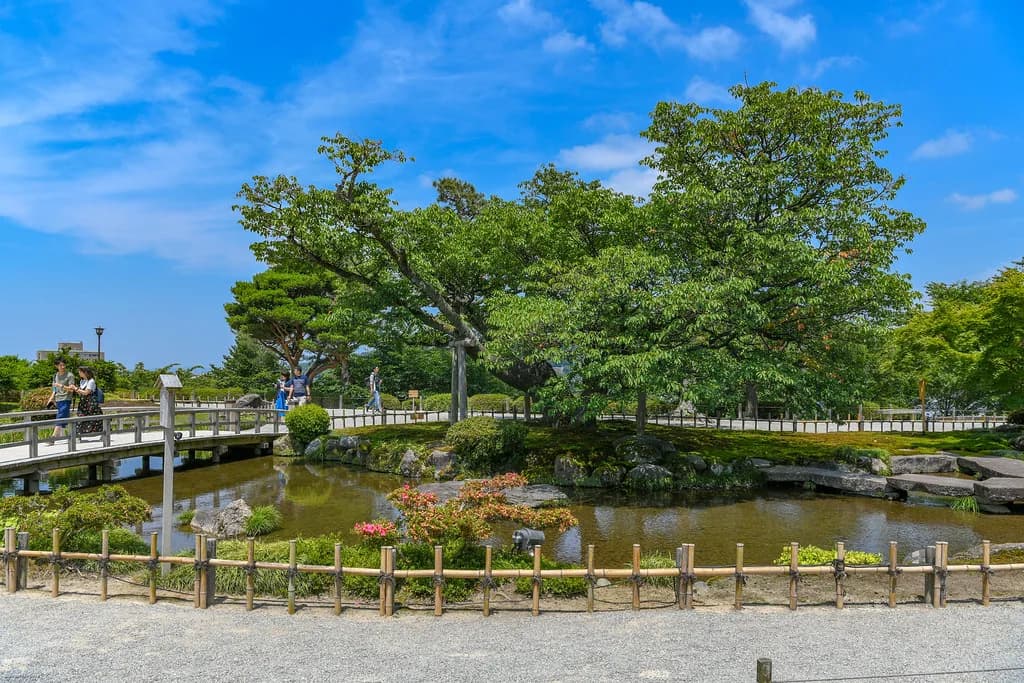
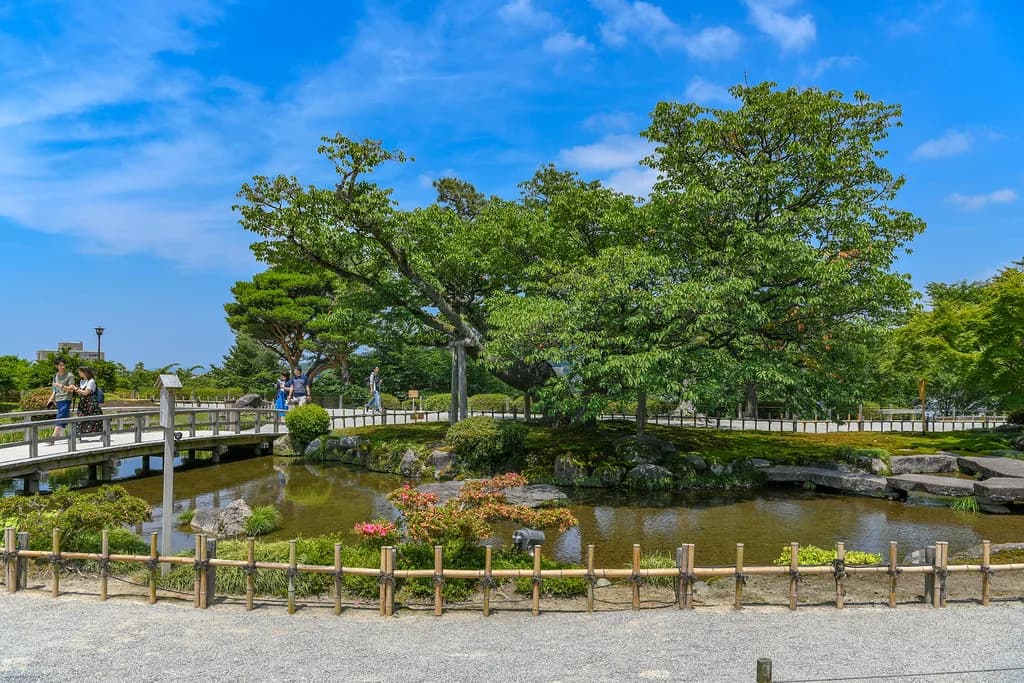
Wet stone is the real test, not rain itself. The Higashi Chaya District's preserved streets and the gravel and stone paths of Kenroku-en both become slick and uneven underfoot after rain, so grip and stability matter more than waterproofing claims. Look for a sole with a defined tread pattern and a shoe that holds your foot securely on slopes and steps.
Two pairs of walking shoes is the practical middle ground. Rotate them so one pair dries while you wear the other, which keeps damp footwear from becoming an all-day problem in humid conditions. A leather pair you cannot rewet is a poor choice for this rotation because once soaked, it stays heavy and slow to dry.
Closed toes are more comfortable than sandals on wet gravel, and a pair that drains and dries reasonably is often more useful than a fully sealed boot that traps moisture inside. Pack a small supply of dry socks, ideally quick-drying, and change them after a soaking rather than walking on in wet feet. If a specific activity demands specialist footwear, check directly with the operator rather than assuming.
Day Bag Decisions for a Rainy City
Your day bag should be light, water-resistant, and easy to open one-handed while holding an umbrella. A crossbody or small backpack with a top flap keeps rain out better than an open tote, and a bag that sits close to your body is easier on crowded buses, market aisles, and station concourses. Internal organisation matters more in the rain, because you will not want to rummage.
Keep the essentials in one small, protected pouch: phone, wallet, transit card, a compact towel or handkerchief, a plastic bag for a wet umbrella or damp layer, and any paper tickets. A dry cloth for wiping glasses, camera lenses, and wet seats is a small item that earns its place on almost every June day. Refillable water and a light snack cover gaps between meals.
If you plan market browsing or long walking stretches, carry only what you can manage for several hours without adjusting straps. A wet bag gets heavier in the hand, and a bag that digs into your shoulder will make a damp afternoon feel much longer. Weigh your packed day bag once at home and cut anything you have not used in a full day.
Sun Protection for Clear Days
The rainy season does not mean constant cloud, and both sources note strong sun on clear days. A hat, sunglasses, and a parasol or UV umbrella are the standard combination here, and the umbrella earns extra value because it works for both shade and sudden showers. Choose one that is light enough to carry all day, otherwise it stays in your room.
Sunscreen belongs in your bag rather than only in your accommodation, since clear spells can appear between showers. Light, long-sleeve shirts also provide incidental coverage without extra heat if the fabric is thin and loose. Reapply after a soaking or a long walk rather than assuming a morning application lasts the day.
If you are weighing a dedicated sun hat against a rain hat, one brimmed hat that sheds light rain can cover both roles. That saves space and avoids carrying two items that do the same job. Check the brim size against your day bag before committing, because a hat that will not fit inside gets carried by hand all day.
A Three-Day Packing Example from One Small Carry-On
For a three-day June trip, start with three light tops: two short-sleeve and one long-sleeve, all in breathable fabric. Add one light outer layer, either a thin cardigan or a large scarf, plus one rain shell and one compact umbrella. Two pairs of light trousers or one trouser and one skirt give you outfit variety without bulk, and they dry faster than denim.
For footwear, pack one comfortable walking pair on your feet and one lighter second pair in the bag for rotation, plus three or four pairs of socks. Underwear and socks are where a short trip can still go wrong in humid weather, so take a spare set beyond your day count. Sleepwear and a single set of smarter clothes cover dinners and any interior where a tidier look feels better.
Fold the rain shell and outer layer flat at the top of the bag for quick access, and keep the umbrella in an outer pocket. Laundry is the release valve if you prefer to travel with less: two tops washed and dried overnight can carry a longer trip. If you want the fuller seasonal version of this list, the rainy season packing approach expands the rain and footwear sections without changing the essentials.
What to Leave Behind
Leave bulky knits, heavy sweaters, and thick fleece at home; they are warm for June, slow to dry, and occupy space a light layer uses better. Skip heavy denim, which stays damp and cool in humid air. Leave leather shoes you cannot rewet, particularly suede, because a single soaking can shape the rest of your trip.
Do not pack duplicate rain gear. One umbrella and one shell is enough for the vast majority of days, and a second set of waterproofs usually stays folded. Beachwear and heavy hiking boots are also unnecessary unless a specific booked activity demands them, in which case confirm requirements with the operator directly.
Trim toiletries and electronics to what you will genuinely use, because the space saved buys room for a second pair of shoes or a dry change of clothes. If you are travelling onward to hotter months, note that the heat-focused wardrobes described in what to wear in Kanazawa in August are not what June requires. Leave the linen-only packing and the extra sandals for that trip, and keep June focused on layers and rain cover.
Before You Leave: A Short Weather Check Routine
A few days before departure, check the forecast for your exact dates rather than relying on seasonal averages. Seasonal figures describe long-term tendencies; they cannot tell you whether your particular weekend will be wet or clear. Adjust quantities, not the whole system: more socks and a spare layer for a wet stretch, one fewer top for a dry one.
Check the Japan Meteorological Agency resources referenced by the official Kanazawa summer guide for current conditions, and re-check the day before you fly. If rain is likely across your whole stay, prioritise drying time, pack the second pair of shoes without hesitation, and confirm where you can dry damp clothing at your accommodation. If clear weather dominates, the umbrella stays small and the sun protection moves forward in your bag.
Weather is not the only variable. Check whether your plans involve early starts, long walking days, or indoor stretches, because each shifts the balance between layers and rain gear. A quick note of your actual daily plan is more useful than any generic checklist, and it takes only a few minutes to revise.
Plan Your Visit
June packing for Kanazawa comes down to a small number of decisions: light breathable layers, one evening layer, real rain cover, and footwear that grips wet stone and can dry overnight. Get those four right and the rest of the list largely takes care of itself. Everything else is adjustment around your own trip length and plans.
Confirm conditions close to departure, then pack for the forecast you actually see rather than the season in the abstract. If you want the month-by-month version of these choices alongside the core checklist, start from the Kanazawa packing list and adapt from there.
Once you have walked chaya districts in drizzle and eaten your way through the market, you'll know exactly what to add next time. The goal is a bag you don't fight with: light enough to carry all day, and ready for a shower that arrives without warning.
Frequently Asked Questions
How should I dress in Kanazawa in June?
Build a light layer system: a breathable short-sleeve or long-sleeve top, light trousers or a skirt, and one thin outer layer such as a cardigan or scarf. Add a compact umbrella and a light rain shell, and choose shoes with grip for wet stone and gravel paths. The aim is mild, humid days handled with layers rather than a heavy coat.
Does June in Kanazawa feel cold or hot?
It generally feels mild rather than hot, with humidity that makes the air feel heavier than the temperature suggests. Mornings and evenings can feel noticeably cooler, and air-conditioned interiors add another chill. Treat seasonal temperature patterns as historical tendencies, and check a live forecast for your specific dates before you finalise your bag.
Do I need rain boots in Kanazawa in June?
Not necessarily, and definitely not as a rule. Many visitors manage fine with closed, grippy walking shoes and a spare pair for rotation, which handles wet cobblestones and garden paths well. Rain boots can be useful for a very wet stretch, and the tourist information centre at Kanazawa Station rents boots and umbrellas if you are caught out.
Can I rent an umbrella or rain boots in Kanazawa?
The tourist information centre at Kanazawa Station offers rain boots and umbrellas for visitors, which the official Kanazawa summer guide describes as a service for unexpected rain. Confirm current availability and any conditions directly with the centre when you arrive, since services can change. Carrying your own compact umbrella is still the simplest plan for the first part of your day.
What shoes are best for rainy-season sightseeing in Kanazawa?
Prioritise grip and drying speed over waterproof claims. A shoe with a defined tread handles wet stone and gravel better than a smooth sole, and a pair that dries reasonably avoids the soggy-boot problem in humid air. Bring a second pair so you can rotate, and carry a spare set of socks for a soaking.
Do I need warm clothes for Kanazawa evenings in June?
One light layer is usually enough rather than full warm clothing. A packable cardigan, thin jacket, or large scarf covers cool evenings and strongly air-conditioned interiors, and it folds small in your day bag. Heavy knits are unnecessary for June and are slow to dry if they get damp.
Is a parasol worth bringing in June in Kanazawa?
A light parasol or UV umbrella can be worth it because it handles two jobs: shade on clear days and cover during sudden showers. Choose one light enough to carry all day, otherwise it stays behind. A broad-brimmed hat and sunglasses are useful alternatives or additions for clear spells.
What should I leave out of my June Kanazawa packing list?
Leave out bulky knits, heavy denim, suede or leather shoes you cannot rewet, and duplicate rain gear. Also skip beachwear and heavy hiking boots unless a specific booked activity requires them. Trimming these frees space for a second pair of shoes and a dry change of clothes, which are far more useful in rainy-season conditions.
Sources
Free: The Ultimate Packing Cheat Sheet
A carry-on capsule wardrobe, the complete packing checklist, layering made simple, and what to wear by season — one printable page you'll use on every trip.
You might also like


Continue reading
More guides you'll find useful