

What to Wear in Padua in November: Layering for Damp Days
Pack for Padua in November with a three-layer system, waterproof footwear for wet cobblestones, and a compact umbrella for cool, damp days and early dark evenings.
On this page
Padua in November: the weather in numbers
Typical November conditions from 30 years of daily weather data, split into early, mid and late month so you can match them to your travel dates.
| Dates | Early Nov (1–10) | Mid Nov (11–20) | Late Nov (21–30) |
|---|---|---|---|
| Afternoon high | 15°C (59°F) | 13°C (55°F) | 11°C (51°F) |
| Night-time low | 8°C (46°F) | 5°C (42°F) | 4°C (38°F) |
| Feels like (afternoon) | 13°C (56°F) | 10°C (51°F) | 8°C (47°F) |
| Range of afternoon highs | 12–18°C | 9–16°C | 7–14°C |
| Days with rain | 4 in 10 days | 3 in 10 days | 3 in 10 days |
| Afternoon humidity | 65% | 63% | 65% |
| Average wind | 7 km/h | 7 km/h | 7 km/h |
| Daylight | 9.7 h | 9.3 h | 8.9 h |
What this means for your suitcase
- Cool days: a warm sweater and a proper jacket — think wool or a light insulated coat.
- Showers on roughly 3 in 10 days — a packable rain jacket or compact umbrella.
- Day-to-day swings: afternoon highs range from about 9°C to 17°C, so pack for both.
Travelling on specific dates? Use our What to Wear Planner for the weather, outfits and a packing list for your exact days in Padua.
Averages for 1991-2020, modelled from Copernicus ERA5-Land and ERA5 reanalysis via Open-Meteo open data (CC BY 4.0), adjusted to Padua's elevation. Modelled afternoon highs can read 1–2°C below airport weather-station records.
Padua in November sits in the middle of the autumn-to-winter transition, and that position is what makes packing tricky. Historical seasonal tendencies for northern Italy point to cool, damp conditions, overcast stretches, and shorter daylight, while individual days can still surprise you with a mild afternoon. The packing response is not a heavier suitcase but a smarter layer system that adjusts hour by hour.
This guide keeps every recommendation tied to a concrete decision: which base layer, which coat, which shoes, and which accessories earn their space. Before you fly, check the current forecast and adjust the outer layer and footwear rather than rebuilding the whole list.
Why November in Padua Rewards a Layering Plan
Padua's northern Italian position means November often brings cool, damp air, overcast skies, and the first real taste of winter, making the month a genuine transition rather than a stable season. That combination matters more for packing than any single temperature, because the same day can feel cold in the morning, mild after walking a while, and cold again after dark. One heavy outfit locks you into a single version of the day; layers let you change your mind at lunch.
Rain is the second half of the equation, and it changes what you carry as much as what you wear. Advice for northern Italian cities such as Venice and Milan is to bring a waterproof jacket, sturdy shoes, and an umbrella because rain is common in November, so plan for a waterproof jacket.
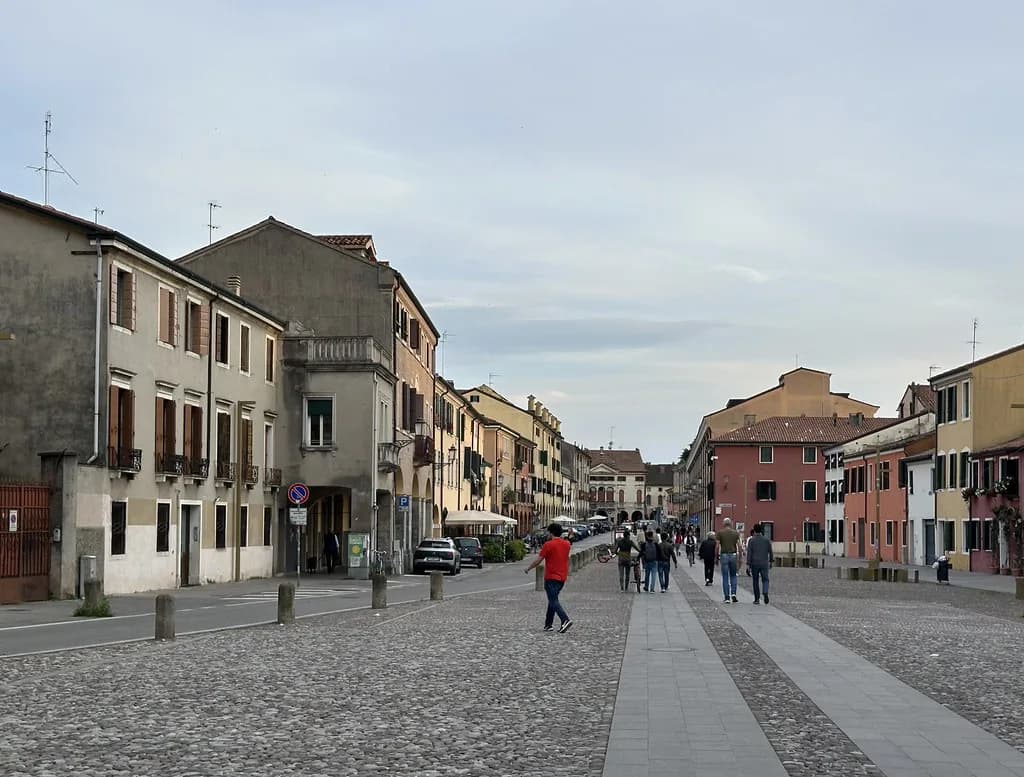
Shorter daylight is the third factor and the one most often forgotten. November evenings arrive early, which means the temperature drops while you are still out, often on a walk back from dinner or a late look at a piazza. A compact scarf and a warm mid layer that stays in your day bag solve this without adding a second coat to your suitcase.
The Three-Layer Formula for Padua in November
The three-layer system replaces the idea of one perfect outfit with three pieces that work together: a warm base layer touching your skin, an insulating mid layer, and a water-resistant outer coat sized to fit over both. Mornings are cold, afternoons can warm up, and evenings drop quickly, so the goal is to add or remove a layer rather than return to your hotel to change. Fit matters as much as fabric: if the coat is tight over the sweater, you will never actually wear the combination.
For Padua specifically, the northern Italian version of this formula leans warmer than the central or southern version. A packable puffer or a long quilted puffer is the warmest option that still folds down small, and it handles the cold, damp evenings that November reliably delivers in the Veneto. If your trip overlaps with cooler conditions, you can compare notes with the colder-weather version of this guide and what to wear in Padua in January, where the same system simply gets heavier.
Base Layer Decisions: Merino or Turtleneck Versus Cotton
Your base layer does the quiet work of keeping you warm without bulk, and merino wool is the strongest candidate because it regulates temperature and does not trap odor the way synthetics can, so you can rewear it across several days. A long-sleeve merino tee sits invisibly under a sweater in the morning and works on its own if the afternoon turns mild. A cotton turtleneck anchors the same system and is a good alternative if wool feels irritating against your skin.
Thin beats bulky here, and the reason is indoor heating. A thin base layer lets you keep your outfit on inside a museum or church, while a bulky one forces you to strip down and carry the extra piece. If you run cold, thermal leggings under trousers are an invisible extra layer that nobody sees and that pays off on long outdoor stretches. Whatever you choose, test the combination at home before you pack it.
Mid Layer Decisions for Piazzas and Cool Interiors
The mid layer is the piece you keep on indoors, wear on its own outside when the sun appears, and slide your coat over when the temperature drops again. A cashmere crewneck or turtleneck gives insulation without volume, which matters when you are layering under a structured coat and do not want to look like a marshmallow. A long cardigan over a turtleneck is the more casual option and can be removed when you sit down for lunch.
A sweater blazer is the polished middle ground, looking like a blazer but feeling like a sweater, and it works well when your day includes both a piazza walk and a sit-down meal. The trade-off is warmth: it is not as insulating as cashmere, so treat it as a mild-weather piece rather than your coldest-day layer. In Padua in November, carry both options only if you have the space; otherwise pick the mid layer that matches the majority of your planned hours.
Outer Layer Decisions: Wool Coat, Puffer, or Rain Jacket
In November the outer layer has to do two jobs: keep you warm and keep you dry long enough to reach shelter. A structured wool coat is warm and polished, while a packable puffer is warmer and folds down smaller, and both manage a light drizzle better than sustained rain. Water resistance is not waterproofing: these layers handle a short shower, not a long walk in a downpour.
That distinction is worth planning around. If your Padua days are mostly museum visits, meals, and short walks across a piazza, a wool coat or puffer plus an umbrella covers you well. If you expect long outdoor stretches, add a proper rain jacket roomy enough to layer over your sweater, or a poncho that folds small and protects more of your body.
Bottoms That Work With Boots in Wet Weather
Bottoms are where November packing goes wrong most often, because the fabric needs weight and the cut needs to work with boots. Linen and lightweight summer cotton are too thin for cool, damp days, while ponte wide-leg pants resist wrinkles and pair cleanly with ankle boots. Corduroy adds texture and warmth and matches well with a cashmere sweater on top.
If you plan to wear tights or leggings under trousers for extra warmth, do the fit check at home before the trip, because not every pair of pants accommodates an extra layer without pulling. Wool-blend trousers breathe better than synthetic blends and look more put-together for an evening out in Padua. Skinny jeans tucked into boots remain the most weather-resistant combination, provided the boots actually keep water out.
Waterproof Footwear for Padua's Wet Cobblestones
Shoes are the single most important decision for November in Padua, because cobblestones hold water and cold feet end sightseeing early. Leather ankle boots with a grippy sole handle cobblestones, keep feet warm, and look right with jeans, trousers, or a dress, which makes them the most versatile option in a small bag. If you bring leather, protect it before you go; untreated leather will not survive repeated wet days well.
Supportive walking shoes or sneakers work for drier days, and waterproof ankle boots are the safer default for rainier areas. The practical question is not style but surface: on wet stone, sole grip matters more than cushioning, and a smooth sole can turn a mild slope into a slip. One pair of boots plus one pair of comfortable walking shoes is usually enough for a city trip.
Accessories That Earn Their Space
A scarf is the most useful accessory in November because it adds warmth at the neck, where a coat often leaves a gap, and it doubles as a style layer for dinners. Bring one or two scarves rather than several, and choose colors that work with every outfit you packed. A crossbody or compact day bag keeps your hands free while you move between piazzas and galleries.
A compact umbrella is non-negotiable for a northern Italian November, and buying a quality one before you leave beats relying on street sellers. Gloves and a beanie or warm hat become genuinely useful later in the month when evenings turn colder, so pack them if your trip runs toward the end of November. Sunglasses still earn a place, because clear days happen even in a rainy month.
What to Leave Behind
Linen and thin summer cottons should stay home: they are too light for cool, damp November days and take up space you need for layers. Sandals are a poor choice on wet cobblestones, and multiple heavy coats are the most common overpacking mistake, since one versatile outer layer plus a rain jacket covers almost everything. Cotton socks that stay damp are another item to leave behind; choose socks that hold warmth when the weather turns wet.
Bulky knit dresses can also be a trap, because they resist layering and leave you stuck with one temperature option. If you want a dress, choose a thinner knit that works over tights with a cardigan or coat on top. Packing cubes help compress the layers you do bring and keep damp items separate from dry ones.
A Compact Packing Example for Three to Four Days
For a three- to four-day November trip, start with two base layers: one merino long-sleeve tee and one turtleneck. Add two mid layers, such as a cashmere crewneck and a cardigan or sweater blazer, then one warm outer coat plus one packable rain jacket if rain looks likely. Two pairs of bottoms, one pair of ankle boots, and one pair of walking shoes complete the core.
Accessories should be small and useful: one scarf, one compact umbrella, gloves, and a beanie or warm hat if evenings look cold. This list fits a carry-on because each piece layers with the others instead of standing alone. If you are building a wider trip, the Padua packing list expands the same logic to more days and more activities without duplicating items.
Indoor Frescoes and Churches Versus Outdoor Piazza Walking
Padua's appeal often splits across indoor and outdoor hours: fresco cycles and church interiors on one side of the day, piazza walking and street time on the other. Interiors can feel noticeably cooler than the street, while the daytime sun can still warm you up outdoors, so the useful habit is carrying a removable layer rather than wearing your warmest one. Keep the layer in a crossbody bag so you can add or shed it quickly.
Padua's city center is compact and walkable, which reduces the need for a transport-specific outfit but increases the total time you spend on your feet. If your plans include a day out along the Brenta Riviera, the packing decisions shift slightly toward longer outdoor stretches and boat time, so check what to pack for a Brenta Riviera villa day from Padua before you commit to the same list.
Check the Forecast Before Departure, Then Adjust Two Things
Treat everything above as a starting plan based on historical seasonal tendencies, then check the actual forecast in the days before departure. Instead of rebuilding your list, adjust two variables: the outer layer and the footwear. If rain dominates the outlook, lean on the rain jacket and waterproof boots; if the period looks drier and milder, a wool coat and walking shoes may be enough.
For exact requirements such as opening hours, ticket rules, or any dress expectations at a specific site, check the operator's own page rather than assuming from a general guide. Packing decisions are the part you can settle in advance; everything else should come from the source that runs the site.
Plan Your Visit
Packing for Padua in November comes down to flexibility: a thin warm base, a mid layer that works indoors, and an outer layer that resists rain without pretending to be waterproof. Waterproof ankle boots and a compact umbrella handle the cobblestones and the showers, while a scarf, gloves, and a beanie cover the colder evenings as the month shifts toward winter. Build the list once, then adjust only the outer layer and footwear when you check the forecast.
Related packing guides
- Padua Packing List: What to Wear for Porticoes and Frescoes
- What to Wear in Padua in January: Cold-Weather Packing
- What to Wear in Padua in April: Layers and Rain Gear
- What to Wear in Matera in November: Layers for Cool, Damp Days
- What to Wear in Perugia in November: Rain-Ready Layering
- What to Wear in Bari in November: Packing Guide for Rain and Mild Days
- What to Wear in Bergamo in November: Packing for Cold, Damp Days
Frequently Asked Questions
What should I wear in Padua in November?
Plan around a three-layer system: a thin warm base layer such as merino or a turtleneck, an insulating sweater or cardigan, and a water-resistant outer coat sized to fit over both. Add waterproof ankle boots for cobblestones, a scarf, and a compact umbrella. Because the same day can feel cold in the morning and mild in the afternoon, the ability to remove one layer matters more than the thickness of any single piece.
How do I layer for cold mornings and mild afternoons?
Choose a thin base layer so you can keep it on indoors, add a mid layer that looks presentable on its own, and carry your coat rather than committing to it all day. When the afternoon warms up, remove the outer layer and stow it in a crossbody bag. When the evening cools, add the coat and scarf back. This approach avoids returning to your hotel to change.
Do I need waterproof shoes for Padua in November?
Waterproof ankle boots are the safer choice because cobblestones hold water and cold, damp feet shorten a day quickly. Leather boots need protection before the trip, and sole grip matters more than cushioning on wet stone. If you also bring comfortable walking shoes for drier periods, one waterproof pair plus one dry-weather pair is usually enough for a city visit.
Is an umbrella or a rain jacket better for Padua in November?
Both serve different purposes. A compact umbrella is lighter and better for short walks and sudden showers, while a roomy rain jacket keeps your hands free and layers over a sweater if you expect longer time outdoors. Water-resistant coats handle a light drizzle but not sustained rain, so if the forecast leans wet, bring the rain jacket and keep the umbrella as backup.
What should I leave behind when packing for Padua in November?
Leave linen, thin summer cottons, sandals, multiple heavy coats, and cotton socks that stay damp. Bulky knit dresses are also a poor fit because they resist layering and lock you into one temperature. Instead, pack pieces that combine with each other, and use packing cubes to separate damp items from dry ones.
Do I need gloves or a beanie in Padua in November?
They are useful toward the end of the month, when evenings turn colder and the autumn-to-winter shift becomes more pronounced. Early in November you may not need them at all, so check the forecast for your specific dates. Gloves and a beanie are small, so packing them as optional extras costs very little space.
Sources
Free: The Ultimate Packing Cheat Sheet
A carry-on capsule wardrobe, the complete packing checklist, layering made simple, and what to wear by season — one printable page you'll use on every trip.
You might also like


Continue reading
More guides you'll find useful


