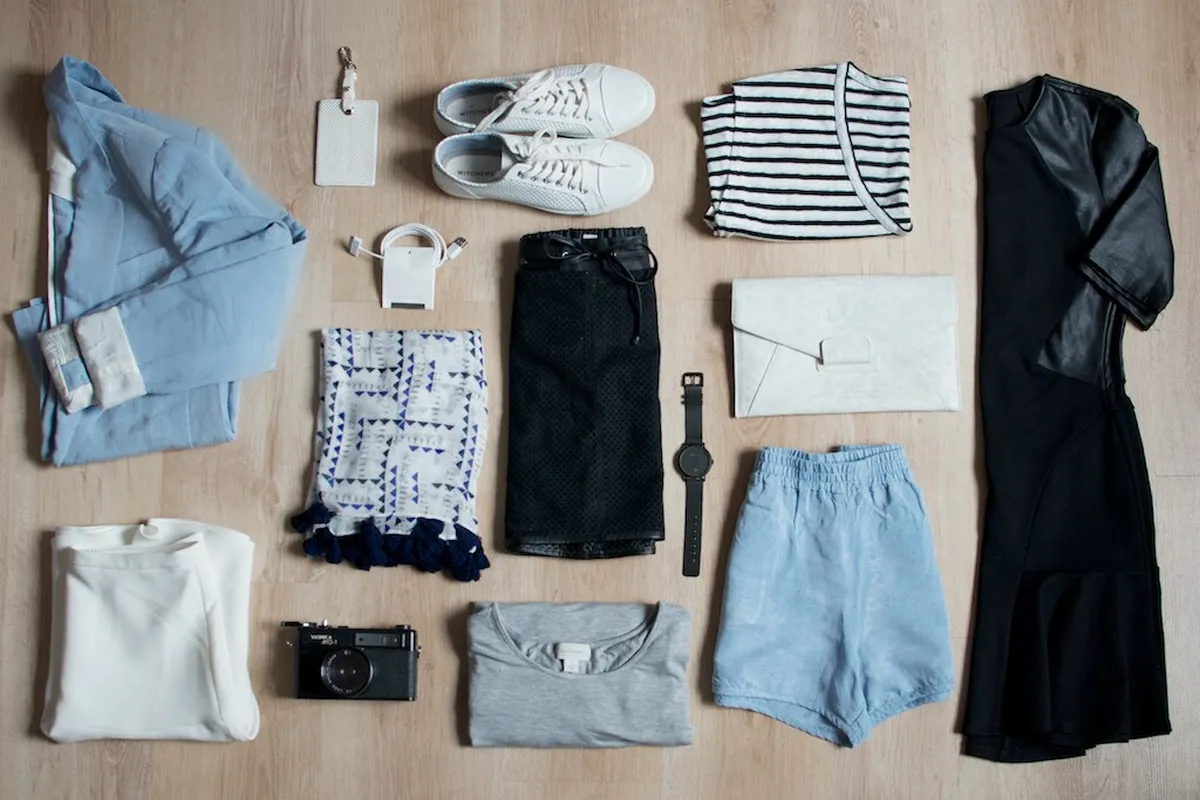
What to Wear in Phnom Penh in March and April
Pack breathable outfits for Phnom Penh in March and April. Loose layers cover sun and temples, while airy footwear suits hot, sticky city days.
On this page
March and April sit in Phnom Penh's late dry season, the stretch when the city often feels hotter and stickier than during the cooler months at the end of the year. This is when fabric choice matters more than volume: the wrong T-shirt can leave you soaked by mid-morning, while the right loose weave keeps air moving. Packing for this window means thinking about breathability, sun protection, and the polite coverage that temples and royal buildings ask of visitors.
The two months are not identical, but they share a packing logic: light, loose, quick-drying layers that you can wear again after a rinse. A trip here rarely calls for cold-evening clothing, so a coat and heavy jeans waste space you could give to a second pair of airy pants. This guide covers what to put in the bag, which fabrics earn their place, and how to build outfits for street wandering and sacred sites alike.
What the Late Dry Season Feels Like
Phnom Penh stays warm across the year, and the period from November through May is generally treated as the dry season, when the main comfort challenge is staying cool through scorching days and muggy nights, according to Intrepid Travel. Rather than treating old averages as a prediction, check a current forecast for your travel dates in the week before you fly, because heat and humidity can vary noticeably from one week to the next. If you are weighing which end of the season to visit, what to wear in Phnom Penh in November covers the breezier opening of the dry season and makes a useful contrast with the sticky build-up you are packing for in March and April.
Because humidity tends to run high in this window, clothing that traps sweat will feel heavy fast. Loose fitting, lightweight cotton materials are often the most comfortable choice for humid weather, according to one operator's suggested packing list. Plan to change tops once during a long day if you are sensitive to damp fabric.
Rain in March and April is not the regular afternoon downpour of the wet season, but showers can still pass through. Intrepid Travel notes that travel between November and May mainly calls for staying cool, with any rain typically arriving as light showers that pass quickly. A compact rain shell is still worth the corner of your bag, especially for late-day walks, and the rainy season guide is worth a look if you expect to return later in the year.
Fabric Choices That Make or Break Hot-Weather Comfort
Linen breathes beautifully and dries faster than most cottons, but it wrinkles and can look rumpled after a sweaty walk. Cotton feels softer against the skin and is easy to find in loose cuts, though it holds moisture longer and can stay damp if you hand-wash it at night. Lightweight athletic fabrics made to repel sweat are another option recommended for Cambodia's hot months by Intrepid Travel, and they often dry quickest of all.
A practical approach is to pack a mix: two linen or cotton tops for comfort and one technical shirt for the day you know will involve the most walking. Avoid heavy denim, thick canvas, and tight synthetic knits that seal in heat. If a fabric clings when you move your arm, it will cling more once you start sweating.
Daytime Outfit Formulas for Sun and Coverage
A loose long-sleeve top in linen or cotton with lightweight pants that skim the ankle is a reliable daytime uniform for March and April. The sleeves keep direct sun off your arms, and the loose cut lets air move across your skin better than a fitted tank top. Long pants also save you from changing before you duck into a temple or palace courtyard.
For a lighter-feeling alternative, choose a capped-sleeve midi dress that falls below the knees; the coverage is there without the extra fabric of full sleeves. If you prefer shorts, pair them with a top that covers your shoulders and keep a sarong or light scarf in your day bag for stops that ask for more modesty. The point is to stay covered enough for sacred spaces without wrapping yourself in heavy cloth.
Temple and Royal Palace Layering
Sacred sites across Cambodia, including Angkor Wat and Phnom Penh's Royal Palace, generally expect visitors to cover from shoulder to below the knee, and this applies to all genders. A T-shirt and longish pants are fine for visiting most sacred sites, according to Intrepid Travel, so you do not need special ceremonial clothing. Approach this as respectful practice rather than a rigid test at the gate.
One traveler found that bare shoulders and knees prevented entry to the inside of the Royal Palace, so build your outfit before you leave the guesthouse rather than relying on buying or borrowing a cover-up nearby. A large light scarf can be draped over shoulders or tied around the waist, but it is not always enough on its own at stricter sites. A lightweight long-sleeve top and pants remain the most dependable combination.
For shoes, choose something you can slip off easily, since you may need to remove footwear before entering certain buildings. Slip-on sandals with a secure strap work better than laced trainers for this. Keep socks minimal or skip them on temple days so you are not juggling damp socks at every doorway.
City Days: Modest, Comfortable Dressing for Markets and Museums
Phnom Penh is the capital and more accustomed to varied dress than rural Cambodia, but a longer dress or loose top with shorts tends to feel more comfortable when you are walking through markets or visiting memorial sites. Intrepid Travel notes that singlets and shorts are generally acceptable for women in cities like Phnom Penh, while a traveler account suggests avoiding exposed midriffs. The practical compromise is a looser top and shorts or a dress that keeps you comfortable without baring your stomach.
A crossbody day bag keeps your hands free and your items close in crowded market aisles. Choose one with a wide, breathable strap so it does not dig into a sweaty shoulder. For museums and the Killing Fields, a light button-down shirt over a T-shirt gives you the option to look slightly dressier without adding warmth.
Footwear for Hot Pavement and Uneven Streets
Pavements in Phnom Penh and around many sites are uneven or unpaved, so bring comfortable walking shoes, as Intrepid Travel advises. Breathable sandals with a molded footbed and adjustable straps let heat escape and handle short walks over cracked concrete. Closed trainers protect your toes but can feel like ovens by midday, so save them for long walking days or if you need extra support.
Flip-flops are handy for guesthouse floors and quick errands, but they offer little protection on rough streets and are worth treating as a secondary pair. If you blister easily, choose a sandal that secures at the heel rather than a loose slide. A spare pair of lightweight socks can help if you switch between sandals and closed shoes.
Sun and Hydration Gear
Pack a wide-brimmed sun hat, sunglasses, and high-SPF sunscreen, all of which appear on standard Cambodia packing lists. A reusable water bottle makes it easy to refill at your hotel or filtered refill stations, and drinking regularly is a sensible habit in this heat. Electrolyte tablets or powder are an optional addition for long days outside, not a required item. Review the full Phnom Penh packing list for additional item ideas that fit the season.
A light scarf doubles as neck shade or a cover-up, and a small day bag keeps these items reachable. If you plan to spend hours outdoors, consider a collapsible umbrella or a compact rain jacket as both sun shade and shower protection.
A Compact 3-4 Day Packing Example
For three or four days in March or April, start with three tops: two loose linen or cotton shirts and one technical tee. Add two pairs of lightweight pants, one of which can pass at a temple, plus one midi dress or a pair of shorts if you prefer those for city time. Two sets of underwear and socks, one swimsuit if your hotel has a pool, and a light sleepwear set round out the clothing.
Footwear: one pair of breathable walking sandals and one pair of flip-flops for the guesthouse. Sun gear: hat, sunglasses, sunscreen, and a refillable bottle. Extras: a sarong or light scarf, a compact rain shell, a crossbody day bag, and a small pouch of electrolyte tablets if you like them. This load fits in a carry-on backpack and flexes to a longer trip by adding one more top and doing a sink wash every other night.
What to Leave Behind
Skip heavy denim jeans, thick sweatshirts, and any clothing described as winter-weight. Evenings in March and April rarely call for a jacket, and a light cardigan or scarf is usually enough if you want something for air-conditioned restaurants. Leave the extra shoes at home too; two pairs handle almost every situation.
Resist packing a full pharmacy of medications you will not use, but do bring any personal prescriptions and a small first-aid kit with blister care. If you are unsure what to include, check with a travel health professional before departure. For clothing, the rule is simple: if you cannot imagine wearing it in humid heat, it stays out of the bag.
Before-You-Go Weather Check
In the final week before your trip, look at a reliable forecast for Phnom Penh and note whether rain is expected during your dates. A forecast showing afternoon showers might push you to add a light rain jacket and dry bag, while a dry outlook lets you prioritize sun protection. If the forecast is uncertain, pack for both with a compact shell and quick-drying fabrics.
Seasonal tendencies are useful for understanding the general climate, but they are not a prediction for your specific trip. Use them to decide the general wardrobe, then adjust the final list based on current conditions. A quick check the night before you fly can save you from carrying the wrong layers.
Plan Your Visit
March and April in Phnom Penh reward a light, breathable bag built around loose long sleeves, longish pants or a midi dress, and sandals that handle hot pavement. Add sun protection, a refillable bottle, and a scarf for temple coverage, and you are ready for the city's sticky pre-monsoon heat. Pack for the forecast you see, not the average you remember.
Frequently Asked Questions
What should I wear in Phnom Penh in March and April?
Choose loose, breathable clothing in linen, cotton, or lightweight technical fabrics. A long-sleeve top with lightweight pants or a below-knee dress covers you for both sun and sacred sites. Add a hat, sunglasses, sunscreen, and comfortable sandals for walking.
Do I need to cover up for temples in Phnom Penh?
Sacred sites generally expect visitors to cover from shoulder to below the knee, and this applies to all genders. A T-shirt and longish pants are usually fine for most temples, but the Royal Palace may be stricter about bare shoulders and knees. Treat coverage as respectful practice rather than a fixed rule.
What shoes are best for hot weather in Phnom Penh?
Breathable walking sandals with a secure strap work well for hot pavement and uneven streets, while flip-flops are useful for guesthouses but offer little protection. Bring comfortable walking shoes if you plan long days on your feet. The goal is to reduce heat buildup without sacrificing support.
How do I stay cool while visiting the Royal Palace in March or April?
Wear a loose, light-colored outfit that covers shoulders and knees, such as a linen long-sleeve top with airy pants. Carry water and a hat, and plan your visit for the cooler parts of the day if possible. A small scarf can add coverage without much warmth.
How often does it rain in Phnom Penh in March and April?
March and April are part of the dry season, so the regular rains have not usually arrived yet, though short showers can still occur. Check a current forecast before you pack to see whether rain is expected during your dates. A compact rain jacket is a reasonable item to include either way.
What should I leave behind when packing for hot, humid weather?
Leave heavy denim, thick sweatshirts, winter layers, and multiple pairs of shoes at home. You will not need a warm jacket for evenings in March or April, and a light scarf is enough for air-conditioned spaces. Fewer, lighter items make the bag easier to carry between guesthouses.
Sources
Free: The Ultimate Packing Cheat Sheet
A carry-on capsule wardrobe, the complete packing checklist, layering made simple, and what to wear by season — one printable page you'll use on every trip.
You might also like


Continue reading
More guides you'll find useful