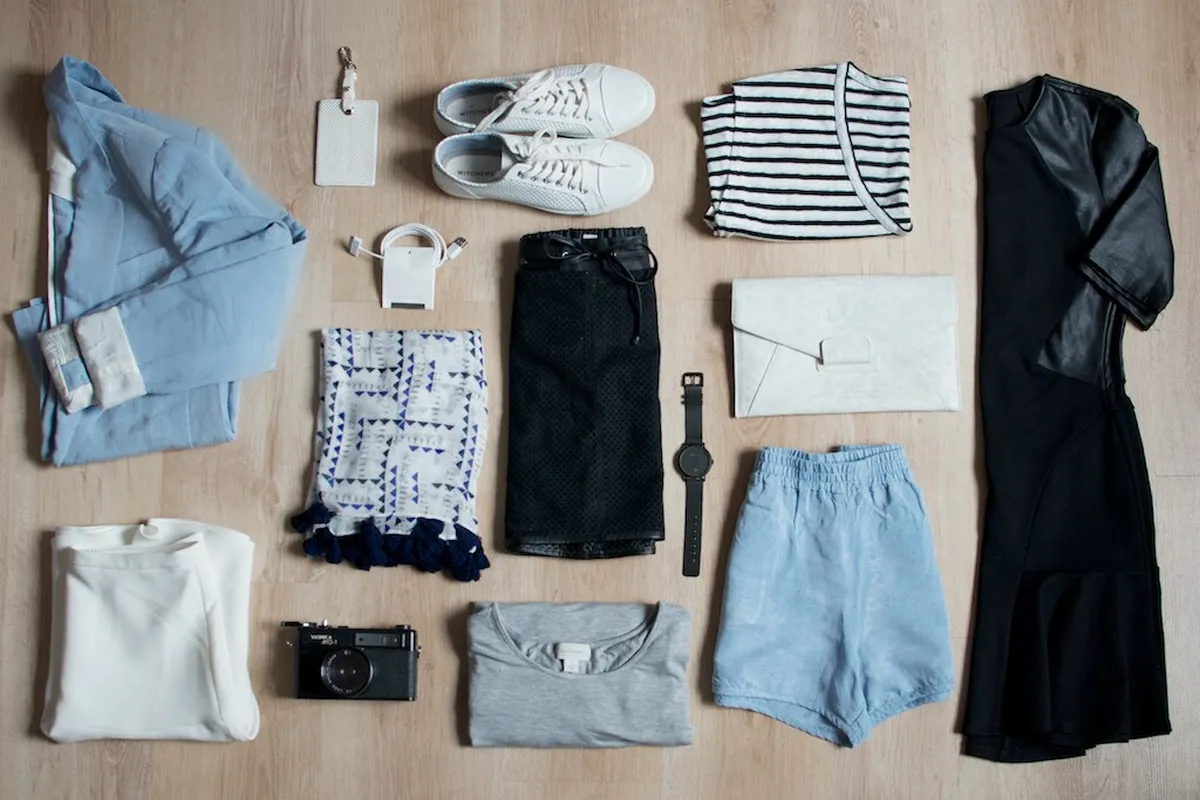
What to Wear in Phnom Penh in November
Plan November outfits for Phnom Penh as the rains ease into the drier high season: breathable layers, grippy shoes, and festival-ready sun cover.
On this page
Phnom Penh in November: the weather in numbers
Typical November conditions from 30 years of daily weather data, split into early, mid and late month so you can match them to your travel dates.
| Dates | Early Nov (1–10) | Mid Nov (11–20) | Late Nov (21–30) |
|---|---|---|---|
| Afternoon high | 30°C (86°F) | 30°C (87°F) | 31°C (87°F) |
| Night-time low | 24°C (74°F) | 24°C (74°F) | 24°C (74°F) |
| Feels like (afternoon) | 34°C (92°F) | 34°C (92°F) | 33°C (92°F) |
| Range of afternoon highs | 28–32°C | 29–32°C | 29–32°C |
| Days with rain | 5 in 10 days | 4 in 10 days | 3 in 10 days |
| Afternoon humidity | 64% | 63% | 59% |
| Average wind | 8 km/h | 8 km/h | 9 km/h |
| Daylight | 11.5 h | 11.5 h | 11.4 h |
What this means for your suitcase
- Hot afternoons: loose, breathable fabrics like linen or cotton, short sleeves and a sun hat.
- Showers on roughly 4 in 10 days — a packable rain jacket or compact umbrella.
- Muggy air — moisture-wicking fabrics beat denim and heavy cotton.
Travelling on specific dates? Use our What to Wear Planner for the weather, outfits and a packing list for your exact days in Phnom Penh.
Averages for 1991-2020, modelled from Copernicus ERA5-Land and ERA5 reanalysis via Open-Meteo open data (CC BY 4.0), adjusted to Phnom Penh's elevation. Modelled afternoon highs can read 1–2°C below airport weather-station records.
Packing for Phnom Penh in November is really about planning for a transition. The month sits at the changeover between the southwest monsoon and the drier high season, and conditions can differ noticeably between an early-month and a late-month arrival. The practical answer is a small set of quick-dry, breathable pieces plus a compact rain layer you keep with you, so a wet-to-dry trip never catches your bag off guard.
Clothing also needs to work across the city's day rhythm: markets and the riverside in the heat, temple and palace visits where covered shoulders and knees are expected, and long festival evenings when you are standing rather than sitting. A single light scarf, one extra breathable top, and shoes with real grip solve most of these moments. Everything else is optional weight.
November Weather Tendencies to Pack For
Across the month, Cambodia's weather pattern moves from wet toward dry, and November is widely described as the point where that change becomes apparent. Some overviews treat the dry season as running from December to April, while others describe rainy influence lingering into November, which is exactly why you should pack for both rather than commit to one forecast. Treat this as a seasonal tendency, not a promise for your dates.
Comfort matters more than absolute numbers here. November falls in the high season described as bringing comfortable temperatures and lower humidity as the month progresses, and the mildest window in Phnom Penh is generally placed around October through December. If you want figures rather than tendencies, check the month's climate record through the World Meteorological Organization's country-by-country service, which publishes official climatological information supplied by national meteorological services.
Humidity is the constant you should pack against. Even as rain tapers, moist air makes heavy fabrics feel sticky and keeps damp clothes from drying overnight, which is why quick-dry tops and thin trousers earn their space. If you are travelling in the first week or two, a compact shell or umbrella still makes sense; later in the month it becomes a just-in-case item rather than a daily one.
Fabric, Colour, and Fit Decisions
Loose weaves in light, pale colours handle tropical humidity better than dense cotton, heavy linen, or dark denim. Quick-dry synthetics and light blends wash out in a sink and hang dry overnight, which lets you pack fewer pieces and still have something clean each morning. Think of your base layer as a piece you will rinse, not one you will wash at the end of the trip.
Fit is where respectful temple clothing and heat tolerance meet. A shirt with short sleeves that still covers the shoulder, and trousers or a skirt that reach the knee, mean you can enter a pagoda without changing. The same rule of modesty is often requested at religious sites elsewhere in the region, and it is consistently described as respectful behaviour rather than uniform enforcement, so pack a light layer that can be added at an entrance rather than assuming your everyday tank top will do.
Avoid fabric that stays wet against your skin. Tight ankles or a heavy cotton tee make a long walking day worse, and airy loose trousers or wrap-style pants are a genuinely practical option. A Cambodia packing guide notes that wrap pants stay comfortable in humid heat while a skirt can chafe on a long walking day, so if your own trousers run snug, a loose local pair is worth buying.
Daytime City Outfit Combo
A workable city daytime combination is a quick-dry short-sleeve top, lightweight knee-length trousers or a loose skirt, and a light overshirt you can add or shed. Add a sun hat and sunglasses for open squares around the Central Market or Russian Market, and keep a small crossbody bag so your hands are free on tuk-tuk steps. This is the same core set you would build for the whole city, so if you want the full item-by-item version, the Phnom Penh packing list expands it with extras for evenings, temples, and travel days.
Sun exposure is easy to underestimate on cloudy, humid days. A hat with a brim, sunscreen you will actually reapply, and a light long-sleeve layer for mid-morning to mid-afternoon outings make riverside walking far more manageable. If you are arriving early to mid-November, tuck a compact shell into the day bag so a sudden shower does not send you shopping for one.
Temple and Palace Clothing
For pagodas, the Royal Palace, and the Silver Pagoda, the sensible approach is to cover shoulders and knees and carry a light scarf or overshirt for entrances. A skirt worn over a long day can create chafing on a hot walking route, and airy wrap trousers are usually the more comfortable option once you are moving rather than sitting. Fabric that will not fog your camera on stairs matters more than any particular colour.
Treat those suggestions as respectful, practical habit rather than a claimed legal threshold, and check current guidance from each site before you visit. Shoes matter here too: you will remove them before entering some buildings, so choose something easy to slip off and carry rather than a strappy pair. Local signage at each entrance always wins over any general packing advice.
Bon Om Touk and Waterfront Viewing
Bon Om Touk, the Cambodian Water Festival, is traditionally held in November and draws crowds to the Phnom Penh waterfront, with boat races, concerts, and evening activity across three days. Exact timing varies year to year, so confirm the current dates locally rather than booking around a fixed assumption. Because viewing often means standing for hours in open air and tight crowds, your outfit has to work for endurance rather than photo opportunities.
Build the festival outfit around sun and crowd practicality: a brimmed hat, a light breathable top with shoulders covered, and a small bag you can keep closed and in front of you. Closed shoes with grip are safer than flip-flops on crowded, sometimes slick riverside paving, and a thin scarf handles sun, sweat, and evening breezes. Carry water you can top up rather than a bottle you will have to replace mid-crowd, and plan a clear meeting point in case you and your group drift apart.
Evening on the riverside turns noticeably fresher than midday, and November daylight continues to shorten toward the end of the year, so a light layer earns its place in the bag. It can double as shoulder coverage at a temple the next morning.
Footwear for Wet-to-Dry Pavement
November pavement can shift within an hour from slick after a lingering shower to hot and dry, which is why the trade-off is grip and drainage rather than a single best shoe. A closed pair with a grippy sole handles sidewalk puddles, temple stairs, and long standing stretches at the waterfront. Secure, quick-drying sandals work for casual days, but sandals with no heel strap leave you gripping with your toes on wet tile. Flip-flops make sense at the hotel pool and not much beyond it.
Two pairs is normally the sensible maximum for a short trip: one closed, grippy walking pair and one easy sandal. Stuff a spare pair of socks if you opt for closed shoes, since humid air and sweat will not let them dry quickly.
If your trip is later in the month and rain is unlikely, a second closed pair stays optional. If you are travelling in the first week and expect heavier wet-season carryover, wet-season packing advice for Cambodia suggests water-resistant shoes or sandals plus a foldable umbrella, with the umbrella doing double duty as shade.
What to Leave Behind
Heavy denim, thick jackets, and multiple pairs of shoes dominate a tropical suitcase without earning their weight. A bulky umbrella and a second pair of shoes are what you will question by day three, so a compact foldable one is the better trade if rain is in the picture. Anything that needs cold water and a dryer is also a poor fit for a humid hotel room.
For many Southeast Asia trips, travellers on Cambodia forums keep reporting the same pattern: shorts, light shirts, and light dresses get used, jeans mostly do not, and anything forgotten is available locally at reasonable prices.
Leave the gear you will never unpack. Tripods and heavy camera kits get left in the room on humid days, extra layers for a hypothetical cold snap go unused, and a second towel is bulk you cannot justify when the hotel supplies one.
A Compact Three-Day Packing Example
For three days in Phnom Penh, three simple outfits, one spare top, one lightweight layer, and one rain shell cover everything if you are willing to rinse a shirt in the sink. Three outfits match one per day, with the spare top handling sweat and the spare layer handling temples and breezy evenings. Quick-dry fabric means you can wash the day's outfit in the evening and wear it again later in the rotation.
Add one hat, one pair of glasses or sunglasses, one swimsuit if your hotel has a pool, and the shoes you will actually walk in. Rinse and dry overnight rather than accumulating laundry, and use a hotel towel roll to speed drying. Everything should fit in a carry-on-sized bag with room left for one market purchase, which is a realistic amount of extra space on a Cambodia trip.
Sizing Your Bag for a Longer Trip
For a trip beyond a week, the number of outfits barely changes if you commit to washing. Keep the bag at carry-on size with one lightweight rain shell, one warm-ish layer for the coolest evenings, and one leisure outfit, and plan to buy lighter replacements locally if your original pieces prove too heavy for the humidity. Markets across the city sell loose cotton trousers and cover-ups at low prices, so a mid-trip purchase is a practical option rather than a failure of packing.
Plan the buy-locally shortcut for anything bulky or boring: sun hats, loose trousers, sandals, and cover-ups are all easy to source in the city's markets, and they often suit the climate better than what you already own. If your dates fall later in the month and rain looks less likely, a light umbrella found on arrival costs little and takes almost no space.
Check the Forecast Before You Depart
A short lead-in check is worth the five minutes. Look at the forecast in the week before you fly and adjust the rain layer rather than the base wardrobe: early November leans wetter in the historical pattern, so a shell and a dry bag for your phone stay in the case, while a late-November arrival can drop the shell to one compact option. Keep the sun protection either way, since cloud and humidity do not remove UV.
Pack in this order: base layers first, then one rain layer, then footwear, then the small stuff. If the forecast suggests a dry window, your heaviest waterproof gear is the first thing to leave. If it points to rain, keep the grippy closed shoes and skip the second sandal.
Plan Your Visit
The November packing answer is a small, flexible kit: quick-dry layers, a light layer you can add for temples or evenings, one compact rain option for early in the month, grippy closed shoes, and sun protection for long festival viewing. These are editorial suggestions, not rules, so adjust to your own comfort and the space you have.
If you are comparing months for another trip later in the year, a quick look at what to wear in Phnom Penh in March and April shows the other end of the climate, when heat and humidity peak and the packing list shifts toward maximum breathability.
Before you close the suitcase, check the forecast for your actual dates and confirm whether Bon Om Touk falls during your stay, since a waterfront festival changes what you carry and how you dress for a long day outdoors. Then pack light, leave room for a market buy, and trust the rinse-and-wear rhythm rather than overpacking.
Related packing guides
- Phnom Penh Packing List: What to Wear in Heat and Rain
- What to Wear in Phnom Penh in March and April
- What to Wear in Phnom Penh in Rainy Season: Packing Guide
- What to Wear in Phu Quoc in November: Island Packing Guide
- What to Wear in Siem Reap in November: Packing Guide
- What to Pack for Phuket in November: Beach Packing Guide
- What to Wear in Bangkok in November: Cool Season Packing Tips
Frequently Asked Questions
What should I wear in Phnom Penh in November?
A breathable short-sleeve top with covered shoulders, light knee-length trousers or a skirt, closed grippy shoes, and a sun hat cover most of a November day. Carry a light layer for temples and breezy riverside evenings, and add a compact rain shell if you are arriving earlier in the month when showers are more likely.
Does it still rain in Phnom Penh in November?
Often early in the month, less so as it progresses. Published seasonal descriptions point to the weather turning drier through November, though the tail of the monsoon can still bring sudden showers. Treat this as a historical pattern rather than a forecast, pack a compact umbrella or shell for the first part of the trip, and check current conditions shortly before you leave.
What do you wear to temples in Phnom Penh?
Cover your shoulders and knees and carry a light scarf or overshirt for entrances. This is respectful, practical guidance rather than a stated legal rule, so check current signage at each site before you go. Loose breathable fabric is more comfortable than tight cotton for a long day walking temple grounds.
What should I wear to Bon Om Touk in Phnom Penh?
Build around sun and crowd endurance: a brimmed hat, a light top with shoulders covered, a closed pair of grippy shoes, and a small bag you can keep closed in front of you. Festival activity traditionally centres on the waterfront in November, though dates change year to year, so confirm timing and locations locally before building plans around it.
Do I need warm clothes for Phnom Penh in November?
No, not in the usual sense. The months around November are mild rather than cold, and most November days stay hot and humid. One light layer is worth having for breezy evenings, air-conditioned vehicles, and temple entrances.
How many outfits should I pack for a few days in Phnom Penh?
Three simple outfits plus one spare top and one light layer suit a short trip if you are willing to rinse and dry things as you go. Quick-dry fabric means clothes can be washed in the evening and worn again later in the rotation. Pack fewer items than you would for a dry, cold destination.
What shoes are best for Phnom Penh in November?
One closed pair with a grippy sole handles wet-to-dry pavement, temple stairs, and long standing spells, and one secure sandal with a heel strap covers casual days. Leave flip-flops for the hotel and pool area. If you expect heavier rain early in the month, choose shoes that handle a little water or dry quickly.
What should I leave behind when packing for Phnom Penh?
Heavy denim, thick jackets, more than two pairs of shoes, thick towels, and bulky rain gear all take up space without earning it in this climate. Loose trousers, cover-ups, hats, and sandals are widely available locally at low prices if you find you need something lighter.
Sources
Free: The Ultimate Packing Cheat Sheet
A carry-on capsule wardrobe, the complete packing checklist, layering made simple, and what to wear by season — one printable page you'll use on every trip.
You might also like


Continue reading
More guides you'll find useful