What to Wear in Pisa in January
Pisa in January is cold and damp. Pack warm layers, waterproof boots, and a compact umbrella. Our guide covers outfits and a packing list for your winter trip.
On this page
Pisa in January: the weather in numbers
Typical January conditions from 30 years of daily weather data, split into early, mid and late month so you can match them to your travel dates.
| Dates | Early Jan (1–10) | Mid Jan (11–20) | Late Jan (21–31) |
|---|---|---|---|
| Afternoon high | 11°C (51°F) | 11°C (51°F) | 10°C (51°F) |
| Night-time low | 4°C (40°F) | 4°C (39°F) | 4°C (38°F) |
| Feels like (afternoon) | 8°C (47°F) | 8°C (46°F) | 8°C (46°F) |
| Range of afternoon highs | 7–14°C | 8–13°C | 7–14°C |
| Days with rain | 3 in 10 days | 3 in 10 days | 3 in 10 days |
| Afternoon humidity | 64% | 61% | 59% |
| Average wind | 6 km/h | 7 km/h | 7 km/h |
| Daylight | 8.9 h | 9.1 h | 9.4 h |
What this means for your suitcase
- Cool days: a warm sweater and a proper jacket — think wool or a light insulated coat.
- Cold nights can dip below freezing — pack a hat and gloves.
- Showers on roughly 3 in 10 days — a packable rain jacket or compact umbrella.
Travelling on specific dates? Use our What to Wear Planner for the weather, outfits and a packing list for your exact days in Pisa.
Averages for 1991-2020, modelled from Copernicus ERA5-Land and ERA5 reanalysis via Open-Meteo open data (CC BY 4.0), adjusted to Pisa's elevation. Modelled afternoon highs can read 1–2°C below airport weather-station records.
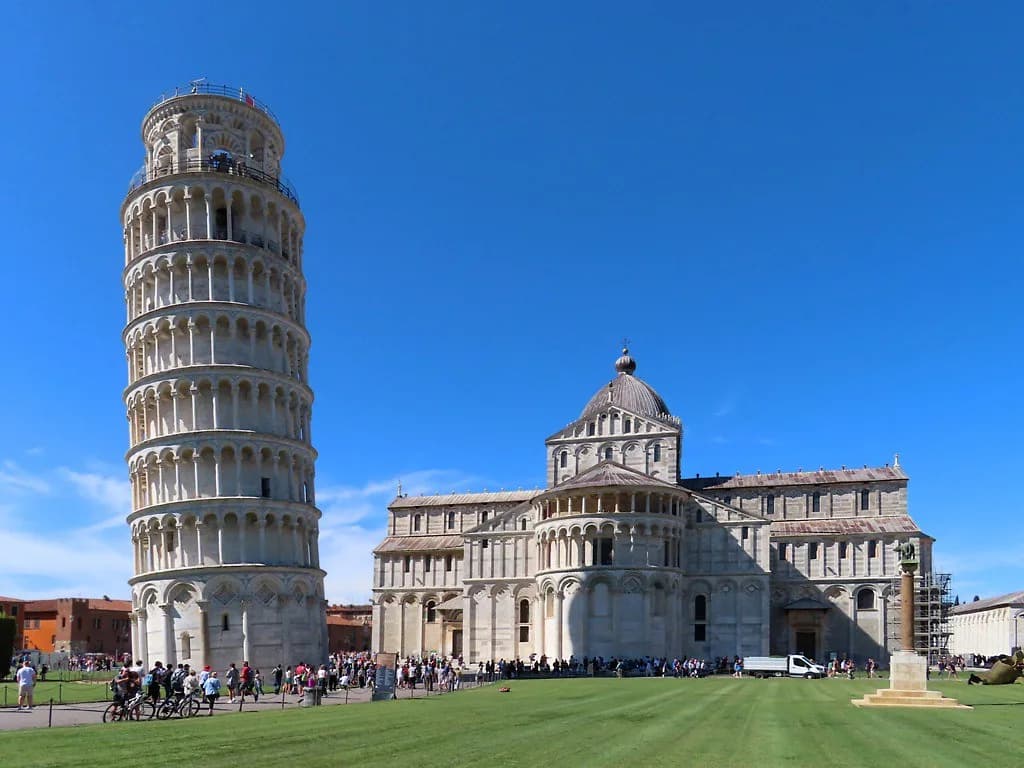
January brings Pisa's coldest and dampest weather, with daytime highs around 12°C (54°F) and lows near 3°C (37°F). The chill feels sharper because of the city's humidity, so packing for comfort is essential for enjoying the Leaning Tower and Piazza dei Miracoli without shivering.
Pisa's January Climate: Cold, Damp, and Changeable
Pisa's Mediterranean coastal climate brings mild but wet winters. Historical patterns show January daytime highs near 12°C and nighttime lows around 3°C, with humidity from the nearby Tyrrhenian Sea making the cold feel more penetrating. Rain is common, so waterproof outer layers are essential.
Compared to February, January tends to be somewhat colder with a higher chance of frost, especially in the early mornings. While snow is rare, the combination of damp and cold can be biting, so plan layers that handle both crisp mornings and rainy afternoons.
The Three-Layer System: Base, Insulation, and Shell
A versatile three-layer system is the key to staying comfortable in Pisa's winter. Start with a moisture-wicking base layer, such as merino wool or thermal silk, which helps regulate temperature without adding bulk. This is useful because you generate heat while walking but need more insulation when standing still in ticket lines or piazzas.
For the middle layer, a warm but packable fleece or down vest works well, as it can be easily removed when entering heated cafes or museums. Your outer shell should be a water-resistant coat or parka with room for layering; knee-length styles offer extra wind protection during outdoor sightseeing.
Combining these elements handles everything from rainy morning walks to chilly evening strolls along the Arno, without requiring multiple outfit changes. This system also helps when moving between the cold outdoors and the inconsistent warmth of historic interiors.
Footwear: Waterproof Boots with Grip for Wet Cobblestones
Pisa's marble surfaces and wet cobblestones can be slippery in January. Heavy snow boots are overkill, but ordinary sneakers may leave feet cold and at risk. Waterproof leather ankle boots with grippy soles are a practical choice, offering both style and traction for uneven streets. A winter packing guide for the city notes that locals favor waterproof leather boots with good tread for navigating wet cobblestones.
If you are sensitive to cold, look for insulated options to keep feet warm during long museum visits on stone floors. For women, a low wedge heel can provide more stability on cobblestones than flat soles. Break in new footwear thoroughly before your trip to avoid blisters.
Indoor Warmth: Packing for Historic Buildings
Heating in Pisa's centuries-old buildings can be inconsistent, and many interiors may not be kept at modern temperatures. A warm midlayer is useful for indoor sightseeing, as you may not shed your coat once inside. A pisa.tours tip suggests bringing a pashmina that can double as an extra layer indoors.
When visiting religious sites, it is respectful to keep shoulders covered, so a scarf or wrap is a useful addition. Modest dress is appreciated in churches, but requirements may vary; covering up is a courteous gesture regardless.
Accessories: Scarves, Gloves, and Umbrellas
A thick scarf, touchscreen-compatible gloves, and a warm hat are must-haves for January. The wind can sweep across open areas like Piazza dei Miracoli, making these accessories essential. Gloves that work with your phone let you take photos without exposing your hands to the cold.
A compact umbrella that fits in your day bag is also important; sudden showers are common. A cashmere or wool wrap can serve double duty as a stylish layer and a practical part of your winter look.
Outfit Combinations for a Day in Pisa
A typical day might start with a chilly morning exploring the Piazza dei Miracoli. Combine a moisture-wicking base layer with a knit sweater, a water-resistant shell, and waterproof boots. This outfit keeps you warm and dry for taking photos of the Leaning Tower.
As the day warms to around 12°C, you can shed the shell and rely on the sweater. By evening, you'll need the full set again for dinner or a riverside walk. For a slightly dressier look, swap the fleece for a wool midlayer and add a scarf.
Packing List for a Short Trip (3–4 Days) in January
For a short trip, aim for a capsule wardrobe: two base layers, one midlayer (fleece or down vest), one water-resistant shell, two pairs of trousers (dark colors hide rain splashes), and a warm pair of waterproof boots. Add a scarf, gloves, hat, and a compact umbrella.
Since you can mix and match, this wardrobe covers all your needs without overpacking. In neutral colors, you can create multiple outfits from these pieces. Check if your hotel offers laundry service to pack even lighter.
What to Leave Behind
Leave heavy snow boots, formal wear, and bulky sweaters that take up space. Also skip thin summer clothing that won't provide enough warmth. Instead, choose packable layers and versatile items that can be mixed and matched.
You also don't need a big suitcase; a carry-on with layering pieces and compression bags can suffice. Check your airline's baggage policy to avoid surprises. Remember that you can always buy warmer items locally if you're caught unprepared.
Before You Go: Checking the Forecast
A few days before departure, check a reliable weather forecast for Pisa. While historical patterns suggest cold and damp conditions, actual weather can vary. This will help you adjust your packing, such as adding an extra layer if frost is expected.
Use online weather services or official tourism sites to stay updated. Remember that forecasts are not guarantees, so maintaining a flexible layering system is your best strategy.
FAQ: Dressing for Pisa in January
Here are answers to common questions about what to wear in Pisa during January.
Plan Your Visit
Packing for Pisa in January is about smart layering and waterproof essentials. Focus on a three-layer system, grippy waterproof boots, and warm accessories to stay comfortable in the cold, damp weather. By preparing for both outdoor chills and cooler interiors, you can fully enjoy the city's charm.
Frequently Asked Questions
What is the weather like in Pisa in January?
January is Pisa's coldest month, with daytime highs around 12°C (54°F) and lows near 3°C (37°F). It's also damp, with frequent rain and high humidity that makes the cold feel sharper. Frost is possible in the early mornings, but heavy snow is rare.
What should I wear in Pisa in January?
Dress in layers: a moisture-wicking base, an insulating midlayer like a fleece or wool sweater, and a water-resistant outer shell. Add a scarf, gloves, and a hat for warmth, and wear waterproof boots with good grip for wet cobblestones.
How should I layer for Pisa's winter?
Start with a thermal wool or synthetic base layer that wicks moisture. Add a fleece or down vest for insulation, and top with a water-resistant jacket that has room for layers. This system allows easy temperature adjustments as you move between buildings and the outdoors.
What shoes should I pack for Pisa in January?
Pack waterproof leather ankle boots or Chelsea boots with grippy soles. They provide traction on slippery marble and cobblestones, keep your feet dry in rain, and offer enough warmth for long days of sightseeing.
Is it cold inside churches and museums?
Heating can be inconsistent in historic buildings, so they may feel chilly. Wearing a warm midlayer under your coat helps you stay comfortable when visiting churches, the Cathedral, or other interiors.
Sources
Free: The Ultimate Packing Cheat Sheet
A carry-on capsule wardrobe, the complete packing checklist, layering made simple, and what to wear by season — one printable page you'll use on every trip.
You might also like


Continue reading
More guides you'll find useful