What to Wear in Pisa in December
Plan your December trip to Pisa with this packing guide: warm layers, waterproof boots, and accessories for the cold, damp weather while exploring the Leaning Tower.
On this page
Pisa in December: the weather in numbers
Typical December conditions from 30 years of daily weather data, split into early, mid and late month so you can match them to your travel dates.
| Dates | Early Dec (1–10) | Mid Dec (11–20) | Late Dec (21–31) |
|---|---|---|---|
| Afternoon high | 12°C (54°F) | 11°C (52°F) | 11°C (51°F) |
| Night-time low | 6°C (43°F) | 5°C (40°F) | 5°C (40°F) |
| Feels like (afternoon) | 10°C (50°F) | 8°C (47°F) | 8°C (47°F) |
| Range of afternoon highs | 9–15°C | 7–14°C | 7–14°C |
| Days with rain | 4 in 10 days | 3 in 10 days | 4 in 10 days |
| Afternoon humidity | 64% | 62% | 63% |
| Average wind | 7 km/h | 7 km/h | 7 km/h |
| Daylight | 8.9 h | 8.8 h | 8.7 h |
What this means for your suitcase
- Cool days: a warm sweater and a proper jacket — think wool or a light insulated coat.
- Showers on roughly 4 in 10 days — a packable rain jacket or compact umbrella.
Travelling on specific dates? Use our What to Wear Planner for the weather, outfits and a packing list for your exact days in Pisa.
Averages for 1991-2020, modelled from Copernicus ERA5-Land and ERA5 reanalysis via Open-Meteo open data (CC BY 4.0), adjusted to Pisa's elevation. Modelled afternoon highs can read 1–2°C below airport weather-station records.
December turns Pisa into a quieter, more atmospheric city, with holiday lights reflecting off the Arno and fewer crowds around the Leaning Tower. The trade-off is weather that feels colder than the thermometer suggests: humidity from the nearby Tyrrhenian Sea makes the air damp, and marble piazzas stay slick long after rain passes. Packing for this month means planning for cool, wet days rather than heavy snow, and focusing on layers you can adjust as you move between outdoor sights and heated interiors.
The key is to build a compact, water-resistant wardrobe that works for both daytime sightseeing and evening dinners. Rather than bulky winter gear, locals often favor tailored layers in dark colors, which also happen to hide rain splashes. Start with the essentials—a warm coat, waterproof boots, and a scarf—then add versatile pieces that keep you prepared for sudden showers and chilly gusts across Piazza dei Miracoli.
Understanding Pisa’s December Weather
December in Pisa is cold and damp, with historical averages hovering around highs of 13°C (55°F) and lows near 4°C (39°F) according to one source, though other estimates put the average high around 10°C (50°F) and lows near 3°C (37°F). Rain is common—one of the rainiest months—but snow is rare, so you can leave the snow boots behind. The real challenge is the humidity and wind, which make temperatures feel lower, especially when you’re standing still on wet marble squares or along the Arno.
Because December weather can vary from crisp, sunny days to chilly rain, your packing strategy should prioritize flexibility over extreme insulation. The city's stone buildings and indoor heating can be inconsistent, so breathable, moisture-wicking layers help you regulate temperature as you move from a cold piazza to a warm café or museum. Check the forecast a few days before you leave, but plan for rain on any given day—packing a compact umbrella is non-negotiable.
The Layering System for December
A three-layer system works best for Pisa in December: a moisture-wicking base layer, an insulating mid layer, and a water-resistant outer shell. Base layers in merino wool or thermal silk keep you warm without bulk, making them easy to fit under fitted clothing—a plus if you want to blend in with locals who often favor tailored, dark-colored outfits. For the middle layer, choose a fleece, down vest, or a few sweaters of different weights so you can adjust to a very cold snap or a mild day.
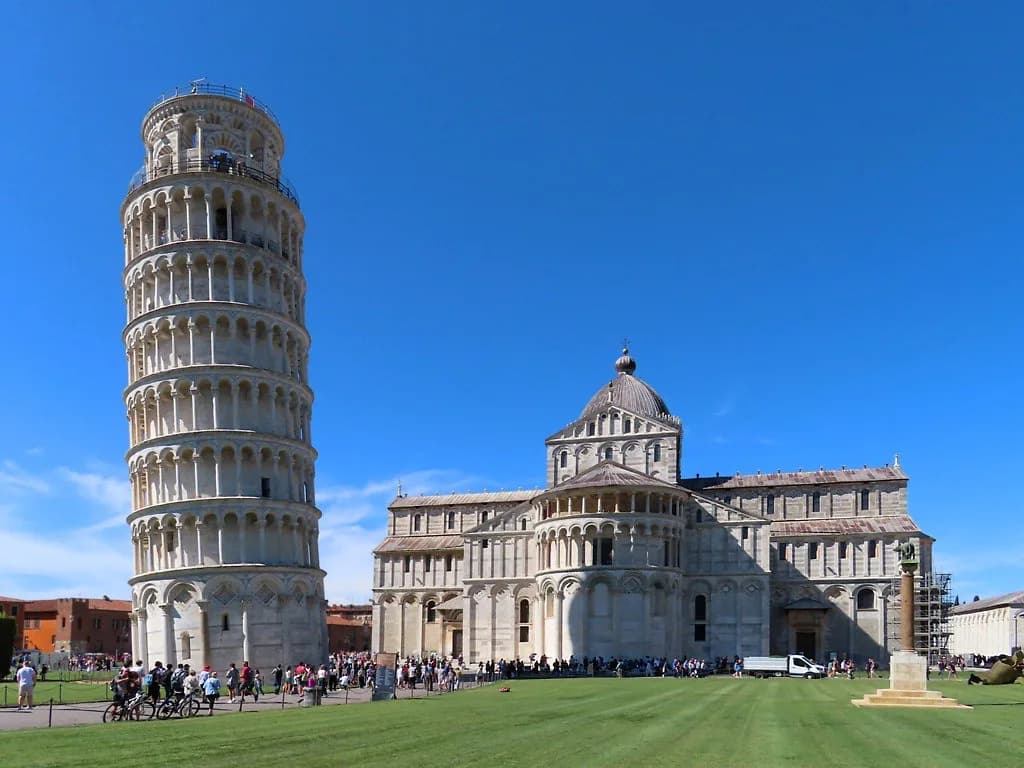
Your outer layer should be a waterproof or water-resistant coat—something with a hood and a longer cut that protects your thighs when you sit at outdoor cafés. A knee-length parka or trench works well and layers easily over a blazer for smarter evenings. The goal is to stay dry from the frequent drizzle and to avoid the shivers when you stop to take photos at the Leaning Tower.
For a polished, non-touristy look, stick to neutral tones—black, grey, navy, and olive—which are common in Italian winter wardrobes and which hide rain splashes. You can add a pop of color with a scarf or beanie, but keep the base cohesive. This capsule approach means you can mix and match a few pieces into multiple outfits, keeping your suitcase light for navigating cobblestone streets.
Footwear for Wet Cobblestones
Footwear is the most important decision you'll make for Pisa in December. The city's marble surfaces and uneven medieval paving become treacherously slick when wet, so you need boots with good grip and water resistance, not fashion-forward flats or snow boots. Waterproof leather ankle boots, Chelsea boots, or stylish hiking shoes with Vibram soles are practical choices that won't mark you as a tourist.
Look for boots with a low heel or wedge, which handle cobblestones better than flat soles, and consider Thinsulate insulation if you’re sensitive to cold. Sneakers are fine for the Leaning Tower climb—they're a sensible choice for the tower's uneven steps—but they need to be waterproof or at least quick-drying, because a wet foot will ruin your day. Break in any new footwear before your trip; blister plasters are a pharmacy top-seller during tourist season.
For women, a pair of leather ankle boots with a low heel pairs well with jeans, wool trousers, or dresses with thick tights. Men can opt for waterproof leather boots or sturdy sneakers. The key is that your shoes are comfortable enough for a full day of walking and gripping enough to prevent slips on wet marble, such as the walkway around the Cathedral complex.
Accessories That Make a Difference
Accessories are where you can add both warmth and style without overpacking. A thick scarf is essential—a cashmere wrap serves double duty, as it can be draped over your shoulders for church visits and used as a blanket on train rides. Warm gloves, preferably touchscreen-compatible so you can photograph the Leaning Tower without exposing your hands, are a must for outdoor markets and the piazza.
A wool beanie or hat traps heat when the wind blows off the Arno, and a compact umbrella fits into your day bag for sudden showers. Beyond warmth, many visitors find a pashmina or scarf useful for covering bare shoulders when visiting the Cathedral or the Leaning Tower, which are part of the same religious complex and require modest dress. Even if you're not entering the Cathedral, the Tower is part of the complex, so dress accordingly.
To keep your hands free for photos and railings on the narrow tower stairs, choose a crossbody bag over a backpack, and make sure you have a portable power bank—cold weather drains phone batteries faster, especially when you're using maps. If you plan to visit churches beyond the Cathedral, keep a light scarf or shawl in your daypack for shoulder coverage.
What to Wear for Special Activities
Climbing the Leaning Tower is a highlight of any Pisa trip, but December adds a twist: you'll be climbing narrow, uneven steps in cold, possibly wet weather. Wear comfortable, closed-toe shoes with good grip—sneakers are ideal—and avoid bulky coats that catch on the tight spiral staircase. Instead, wear a light fleece or sweater as your mid layer, and carry your outer coat or tie it around your waist; you'll work up a sweat on the climb, and the narrow corridors can be warm with other climbers.
For the Cathedral and other religious sites, remember you'll need your shoulders and knees covered, which your layers already provide—just avoid wearing tank tops or shorts underneath your coat. A pashmina is a versatile emergency cover. When you descend, the damp cold will hit you again, so have your coat and scarf ready to put back on before stepping into the piazza.
Outdoor Christmas markets and evening strolls along the Arno require the full layering system: thermal base, sweater, waterproof coat, and warm accessories. For dinners, Italians often dress smarter, so swap your heavy sweater for a merino knit and add a pashmina or blazer if you have room. The key is to have one or two pieces that are dressier than your sightseeing clothes, like a smart top or dress, that you can mix with your existing bottoms.
What to Leave Behind
It's easy to overpack for winter, but Pisa's damp chill rarely requires extreme gear. Leave the heavy snow boots and insulated ski jacket at home—they'll be bulky, and you won't need them for the region's occasional light snow. Similarly, summer dresses, linen trousers, and open-toe shoes will be too cold and impractical; focus on wool, denim, and technical fabrics.
You also don't need a separate outfit for every day. Plan for a week with 3-4 sweaters, 2-3 pairs of pants (jeans or wool trousers), and one pair of boots for daily wear—mix and match to avoid overpacking. Choose versatile pieces in neutral colors that can be dressed up or down, and wash items in a sink or use a laundry service if you're staying longer.
Sample Packing List for a Week
For a seven-day December trip, consider packing: 3-4 sweaters or cardigans, 2-3 pairs of jeans or wool trousers (plus one pair of dressier pants), 4-5 long-sleeve tops or blouses, one waterproof warm coat, one packable fleece or down vest, and one dress or skirt for women paired with thick tights. Underneath, a couple of thermal tops and leggings will keep you warm without adding bulk.
For footwear, one pair of waterproof ankle boots for daily wear, one pair of comfortable sneakers for the tower and long walks, and maybe one pair of dressier shoes for evenings. Accessories: a chunky scarf, gloves, wool beanie, and a compact umbrella. This list fits in a carry-on if you use packing cubes and choose versatile colors that coordinate.
Before You Go
Before you leave, check a reliable weather forecast for Pisa to see if rain or a cold snap is predicted, though December is generally wet and chilly. This helps you decide whether to bring extra layers or adjust your shoe choice, but remember that forecasts are estimates, not guarantees. Always have one waterproof layer and a spare pair of socks in your day pack, just in case.
For more packing essentials and a broader checklist, see the full Pisa Packing List. If your trip stretches into January, refer to our guide on What to Wear in Pisa in January for tips on even colder weather.
Plan Your Visit
Packing well for Pisa in December is about balancing warmth, water resistance, and style without overpacking. Focus on a durable, waterproof coat, comfortable boots with grip, and a few mix-and-match layers in neutral tones—you'll stay warm and dry while exploring the city's festive winter charm. And remember, church dress codes are about shoulders and knees, not heel height, so pack accordingly.
For a complete overview of what to bring, consult the Pisa Packing List, and if your trip extends into January, see What to Wear in Pisa in January for tips on even colder weather. With the right gear, you can enjoy everything December Pisa offers, from twinkling lights to quieter crowds.
Frequently Asked Questions
Is it cold in Pisa in December?
Yes, December is one of the coldest months in Pisa, with daytime highs averaging around 10-13°C (50-55°F) and lows near 3-4°C (37-39°F). The humidity from the sea makes it feel chillier, especially in the evenings or near the Arno River. Packing warm layers, a coat, and accessories like gloves and a scarf is essential.
Do I need a heavy coat for Pisa in December?
You need a warm, water-resistant coat, but it doesn't have to be a heavy down parka. A knee-length waterproof trench or a medium-weight wool coat over layers will suffice, as Pisa rarely gets snow. The key is to keep out the damp cold and rain, so prioritize a waterproof shell with room for layering.
Can I wear sneakers in Pisa in December?
Yes, sneakers are fine for exploring Pisa, especially for climbing the Leaning Tower, but they should be waterproof and have good grip for wet, slippery cobblestones. Avoid mesh or canvas sneakers that soak through easily. For daily walking, waterproof leather boots or hiking-style shoes are a safer choice.
Are there dress codes for churches in Pisa?
When entering the Pisa Cathedral or the Leaning Tower, which are part of the same religious complex, you should have your shoulders and knees covered. This is a common expectation for religious sites. Bring a scarf or pashmina to cover up if you're wearing short sleeves.
Sources
Free: The Ultimate Packing Cheat Sheet
A carry-on capsule wardrobe, the complete packing checklist, layering made simple, and what to wear by season — one printable page you'll use on every trip.
You might also like


Continue reading
More guides you'll find useful