What to Wear in Pisa in November: Rain-Ready Layers
Plan your November trip to Pisa with this packing guide. Learn about cool, rainy weather, layering strategies, waterproof footwear picks, and what to leave behind.
On this page
Pisa in November: the weather in numbers
Typical November conditions from 30 years of daily weather data, split into early, mid and late month so you can match them to your travel dates.
| Dates | Early Nov (1–10) | Mid Nov (11–20) | Late Nov (21–30) |
|---|---|---|---|
| Afternoon high | 17°C (62°F) | 15°C (59°F) | 13°C (55°F) |
| Night-time low | 11°C (51°F) | 9°C (48°F) | 7°C (44°F) |
| Feels like (afternoon) | 16°C (60°F) | 13°C (55°F) | 11°C (52°F) |
| Range of afternoon highs | 14–19°C | 12–18°C | 10–16°C |
| Days with rain | 5 in 10 days | 4 in 10 days | 4 in 10 days |
| Afternoon humidity | 65% | 63% | 64% |
| Average wind | 7 km/h | 7 km/h | 7 km/h |
| Daylight | 9.8 h | 9.4 h | 9.1 h |
What this means for your suitcase
- Mild days: long sleeves with a light sweater or jacket you can take off at midday.
- Heavy downpours are common — quick-dry clothes and shoes or sandals that cope with puddles.
Travelling on specific dates? Use our What to Wear Planner for the weather, outfits and a packing list for your exact days in Pisa.
Averages for 1991-2020, modelled from Copernicus ERA5-Land and ERA5 reanalysis via Open-Meteo open data (CC BY 4.0), adjusted to Pisa's elevation. Modelled afternoon highs can read 1–2°C below airport weather-station records.
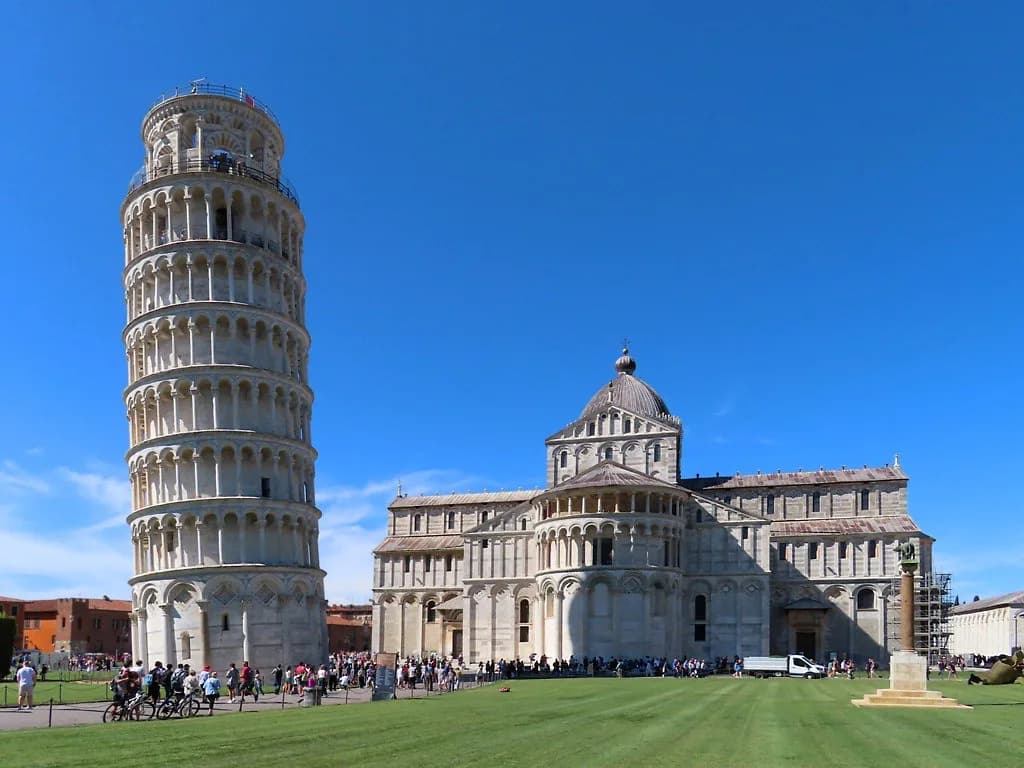
November in Pisa is a month of quiet charm and damp unpredictability. The summer crowds have faded, but the weather turns cool and rainy, making it essential to pack thoughtfully. This guide focuses on practical, layered outfit combinations that keep you dry and comfortable while exploring the Leaning Tower and the historic streets along the Arno.
November Weather in Pisa: Cool, Rainy, and Changeable
November is Pisa's wettest month, with an average of 145 millimeters of rain spread over nine days. Daytime temperatures average a high of 16°C (61°F) and a low of 7.8°C (46°F), according to climate data from 1991–2020. Despite the rain, you can still expect about four hours of sunshine per day, making it possible to enjoy outdoor sights between showers. However, humidity is high, so dampness can cling to clothing and make the air feel cooler than the thermometer suggests.
Because the weather can shift from clear to downpour within an hour, a flexible wardrobe is your best defense. A waterproof outer layer and umbrella are must-haves, but you'll also want to peel off layers when the sun breaks through. Compared to December, November tends to be milder during the day, yet it carries a heavier rain potential, so prioritize water resistance over heavy insulation. For more on November layering in Italy, check this guide to Italy in November outfits.
The Layering Strategy: Base, Mid, and Outer Layers
A three-layer system works well for Pisa's variable November days. Start with a moisture-wicking base like a merino wool top, which regulates temperature and resists odor, so you can rewear it without washing. Add a mid layer such as a cashmere or cotton sweater for insulation, then top it with a waterproof jacket or a wool coat if you have one. The key is to choose pieces that are easy to remove when you step into a heated museum or café.
For your outer layer, a packable puffer jacket is a smart choice because it provides warmth and compresses small, but it doesn't repel rain. A waterproof shell or a rain jacket with a hood is more practical for November's showers, as it can be worn over your mid layer. If you prefer style, a wool coat gives a polished look but won't withstand a heavy downpour—carry an umbrella as backup. Remember, these are editorial suggestions; you can mix and match based on your planned activities and your tolerance for cold.
Footwear Fundamentals: Waterproof and Comfortable
Wet cobblestones are a reality in Pisa's historic center, so waterproof footwear is non-negotiable. Ankle boots with a good grip are ideal—they keep your feet dry and provide stability on slippery surfaces. If you prefer sneakers, choose ones with a water-resistant finish, but be aware that they may not hold up in a downpour. Break in any new shoes before your trip to avoid blisters, as you'll be walking several kilometers a day between sights.
Packing two pairs of shoes is wise: one pair for walking during the day and another for evenings. Wear your bulkiest pair on the plane to save luggage space. Many travelers find that a pair of waterproof Chelsea boots serves both purposes, transitioning from daytime exploring to dinner without looking out of place. If you're unsure about the conditions, check the local forecast before you leave and adjust your footwear accordingly. For more on wet-weather choices, see this packing guide for Rome in November.
Accessories That Matter: Umbrella, Scarf, and Hat
A sturdy, compact umbrella is essential for Pisa in November. Invest in a wind-resistant model that won't flip inside out, as the city can experience gusty days. A scarf is another indispensable accessory—it provides warmth on chilly mornings and can be removed when the sun appears. For wet days, a water-repellent hat with a brim keeps rain off your face, which is handy when you're trying to take photos.
Gloves are optional in November, but light pairs can make cold mornings more bearable. If you're prone to getting cold hands, pack a thin wool pair that fits easily in your coat pocket. Sunglasses are also worth bringing; even with rain, you'll get some sunny spells, and the low autumn sun can be glaring. These small items take up little space but make a big difference in comfort, so don't leave them behind.
Packing for Evenings and Indoor Queues
Evenings in November cool down quickly, so plan to add your scarf and maybe a mid layer if you're out after dark. Many travelers find that carrying a light sweater in your day bag helps you adapt to temperature changes in indoor spaces like churches and museums. While there is no official dress code for most sights, some historic churches may ask you to cover your shoulders, so a shawl or scarf serves a dual purpose.
If you're planning to climb the Leaning Tower of Pisa, note that indoor queues can feel stuffy. Dressing in layers lets you shed your coat while waiting and put it back on once you're outdoors. The same principle applies to any museum or gallery, where heating can make heavy layers uncomfortable. A crossbody bag keeps your hands free and is practical for navigating crowded spaces, though it's not a requirement. For more on what to bring for the tower's steps, see our Pisa Packing List.
A Compact Packing List for a 3-Day Trip
For a short November break in Pisa, aim to pack light while covering all bases. For clothing, bring three long-sleeve tops, two sweaters, two pairs of jeans or trousers, one pair of waterproof ankle boots, and a packable puffer or rain jacket. Accessories should include a compact umbrella, a scarf, and a beanie. For toiletries, a 4-ounce bottle of shampoo is plenty for three days.
What Not to Pack (and Why)
Avoid bulky items that won't earn their space: heavy parkas are too warm for November's mild averages, and linen or sandals are out of place as the weather is too cool. Also skip multiple pairs of shoes—stick to just two to save room. If you're unsure about your packing, err on the side of lightness, because you can always buy a cheap umbrella locally if you forget one, but you don't want to lug unnecessary weight.
Before You Depart: Check the Forecast
While climate averages show November's tendencies, actual weather can be more variable. A week before you travel, check a reliable forecast to see if you're expecting a dry or wet spell. This helps you decide between a wool coat and a rain jacket, or whether to add thermal layers. Remember that long-range forecasts are not precise, so pack with flexibility in mind and adjust your plan accordingly.
Plan Your Visit
By focusing on layers, waterproofing, and sensible footwear, you'll be ready for Pisa's November weather. The city is still enjoyable this month, with fewer crowds and a cozy atmosphere—just make sure you have a good umbrella and a positive attitude.
Frequently Asked Questions
What is the weather like in Pisa in November?
November is Pisa's wettest month, with average highs of 16°C (61°F) and lows of 7.8°C (46°F). Expect about nine rainy days and about four hours of sunshine per day, so pack for both rain and some clear spells.
How should I layer clothes for Pisa in November?
Use a three-layer system: a moisture-wicking base like merino wool, a sweater or cardigan for insulation, and a waterproof outer jacket. This lets you adjust to changing temperatures throughout the day.
What type of shoes should I wear in Pisa in November?
Waterproof ankle boots with good grip are ideal for wet cobblestones. They keep your feet dry and provide stability on slippery surfaces. Comfortable sneakers can work if they are water-resistant, but boots are safer for heavy rain.
Do I need an umbrella in Pisa in November?
Yes, a sturdy, wind-resistant compact umbrella is essential, as November is the rainiest month. It will keep you dry during sudden showers, and you can also use it as a sun shade on clear days.
What should I avoid packing for Pisa in November?
Avoid heavy winter parkas, linen clothing, and sandals—they are either too warm or too cool for the season. Also, skip multiple pairs of shoes to save luggage space; bring only two versatile pairs.
Sources
Free: The Ultimate Packing Cheat Sheet
A carry-on capsule wardrobe, the complete packing checklist, layering made simple, and what to wear by season — one printable page you'll use on every trip.
You might also like


Continue reading
More guides you'll find useful