

What to Wear in Pisa in October
Plan your Pisa October wardrobe with layers for 12–21°C days, waterproof shoes for cobbles and occasional rain, and versatile outfits for dinners and churches.
On this page
Pisa in October: the weather in numbers
Typical October conditions from 30 years of daily weather data, split into early, mid and late month so you can match them to your travel dates.
| Dates | Early Oct (1–10) | Mid Oct (11–20) | Late Oct (21–31) |
|---|---|---|---|
| Afternoon high | 21°C (70°F) | 20°C (67°F) | 18°C (65°F) |
| Night-time low | 14°C (58°F) | 13°C (55°F) | 12°C (53°F) |
| Feels like (afternoon) | 21°C (70°F) | 19°C (66°F) | 18°C (64°F) |
| Range of afternoon highs | 18–24°C | 16–23°C | 15–22°C |
| Days with rain | 5 in 10 days | 3 in 10 days | 4 in 10 days |
| Afternoon humidity | 62% | 61% | 63% |
| Average wind | 6 km/h | 7 km/h | 7 km/h |
| Daylight | 11.3 h | 10.8 h | 10.3 h |
What this means for your suitcase
- Mild days: long sleeves with a light sweater or jacket you can take off at midday.
- Heavy downpours are common — quick-dry clothes and shoes or sandals that cope with puddles.
Travelling on specific dates? Use our What to Wear Planner for the weather, outfits and a packing list for your exact days in Pisa.
Averages for 1991-2020, modelled from Copernicus ERA5-Land and ERA5 reanalysis via Open-Meteo open data (CC BY 4.0), adjusted to Pisa's elevation. Modelled afternoon highs can read 1–2°C below airport weather-station records.
October in Pisa sits in that sweet spot between lingering autumn warmth and the first chill of winter. Historical weather patterns show typical highs around 21°C (70°F) and lows near 12°C (54°F), especially near the Arno river. Rain becomes more frequent, so your packing strategy should revolve around layers that you can add or remove as the temperature shifts.
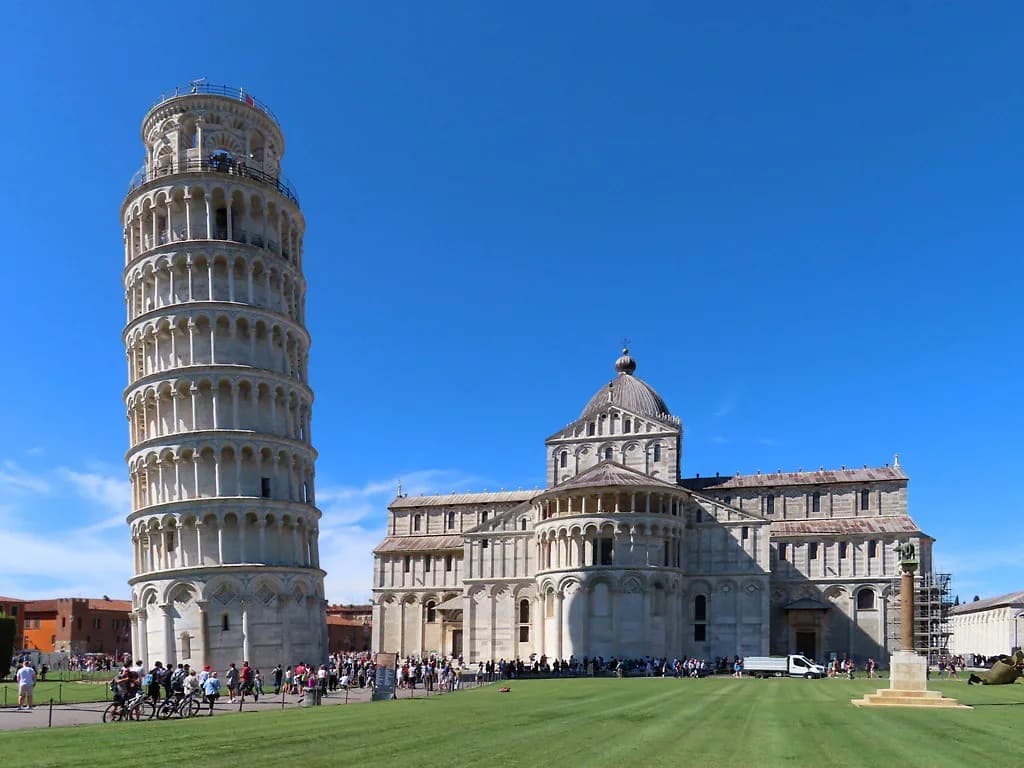
The city rewards practical dressing: cobblestone streets, marble surfaces around the Piazza dei Miracoli, and long walks between sights all call for comfortable, grippy footwear. A compact wardrobe built around versatile layers will let you move from morning sightseeing to an evening passeggiata without needing to return to your hotel.
Pisa’s October Climate: Historical Tendencies
Pisa has a Mediterranean coastal climate: hot summers, mild winters, and autumns that range from about 10–22°C with occasional quick showers. In October specifically, typical highs hover around 21°C and lows near 12°C, with sea breezes often cooling the evenings by the Arno. As a starting point for your wardrobe, see the weather guide on Packfits.
Because autumn in central Italy brings more rain than summer, a waterproof layer is a wise addition. Towards the end of the month especially, cooler drizzle is possible, so flexibility in your packing will serve you well. Check a reliable weather service a few days before you leave for current expectations, as exact conditions are never guaranteed.
Layering Strategy: From Cool Mornings to Mild Afternoons
October days in Pisa can start cool and warm up by midday, so plan a three-layer system: a breathable long-sleeve base in merino or cotton, a light sweater or cardigan for the middle, and a medium-weight jacket or rain shell on top. This approach lets you adjust easily whether you’re starting early at the Piazza dei Miracoli or lingering over lunch. For more ideas on how to build a capsule that suits Pisa’s October conditions, check our Pisa Packing List.
For bottoms, dark jeans, chinos, or ponte trousers are comfortable for long walks and polished enough for dinner. If you prefer skirts or dresses, opaque tights and a midi length work well in Italian cities this time of year. The overall vibe is relaxed-tidy, similar to what many travelers to Tuscany choose for the season.
Daytime Sightseeing: Comfort and Coverage
Exploring the Piazza dei Miracoli and the historic centre calls for smart-casual comfort. A lightweight knit top with jeans and a jacket keeps you comfortable from morning to late afternoon. Carry a scarf – it adds polish, can cover your shoulders if you step into a church, and provides warmth later.
Closed-toe shoes with grip are essential for the cobblestones and for wet marble after rain. Comfortable leather sneakers or cushioned flats handle the distances well; they are your best friends for a full day of walking. A stylish day bag that hangs crossbody keeps your hands free for photos and maps.
Evenings: Arno-side Dinners and Cooler Air
Evenings in October cool down noticeably, so plan an extra layer. A wool or cashmere sweater over your day outfit works for dinner, as does a smart blazer if you want a sharper look. Swap your day top for a simple dress with tights and ankle boots for an effortlessly chic option that works along the river.
That scarf you carried during the day becomes essential again after sunset, providing a layer of warmth when the breeze picks up. For footwear, you can keep your daytime boots or switch to leather flats – just ensure the soles have decent grip for uneven streets after dark.
Footwear: Cobblestones, Rain, and Grip
Shoes are your most important decision for Pisa in October. Cobblestones and wet marble from autumn rain are unforgiving on smooth soles. Look for supportive closed-toe shoes with a textured rubber sole, like cushioned sneakers or leather ankle boots. They carry you through long days without blisters.
Water-resistant materials are helpful in light showers. If you encounter a downpour, having a second pair of shoes that can be swapped in prevents wet feet from ruining a day. Sandals are impractical this month – they leave you cold and vulnerable to the weather.
Accessories: Scarf, Rain Layer, and Day Bag
A lightweight, packable rain shell with a hood is smart for October rain. It need not be heavy – enough to shed a sudden shower and block wind does the job. A compact travel umbrella can supplement it if you prefer, but the shell often suffices for short strolls.
A slim crossbody bag is ideal for day trips – it keeps essentials to hand without adding bulk. Carry your rain layer, a small water bottle, and a light scarf. The scarf is versatile: a modesty cover for churches and an extra layer for cooler evenings. For a complete packing list for all seasons, see our Pisa Packing List.
What to Leave at Home
Summer sandals have no place in October – they leave your feet exposed to cold and wet conditions. Likewise, skip heavy winter coats or puffer jackets; daytime temperatures rarely demand them. A medium-weight jacket paired with layers is far more useful.
You also don’t need many formal outfits. The dining scene in Pisa leans casual-chic, and you can dress up simple pieces with accessories. Avoid clothing that doesn’t dry quickly if you plan to travel light and wash a few items by hand.
Before Departure: Check the Weather Outlook
Historical norms give you a solid starting point, but October ranges from warm sunny spells to cool rainy periods. Check a reliable weather forecast about a week out and refine your list. If wet conditions are predicted, consider an extra pair of shoes so you always have a dry set.
If you’re thinking about a later trip, you might also enjoy our guide for What to Wear in Pisa in January for colder months.
As for planning your outfits, remember that Central Italy in October typically sees temperatures around 13–20°C during the day, with evenings dipping to 9–13°C. A detailed wardrobe guide for Italy in October can offer further inspiration.
Plan Your Visit
Packing for Pisa in October comes down to smart layering and durable footwear. Aim for a medium suitcase or carry-on with several long-sleeve tops, two to three bottoms, one mid-weight jacket, a waterproof shell, and two pairs of comfortable, grippy shoes. This capsule takes you from the Leaning Tower to a riverside dinner without fuss.
October weather is changeable, so flexibility is your best ally. Have a wonderful time in this Tuscan gem, and trust that your thoughtful packing will let you focus on the sights, not your suitcase.
Frequently Asked Questions
Is it cold in Pisa in October?
Not winter-cold, but layers are necessary. Daytime highs average around 21°C (70°F), and evenings drop to about 12°C (54°F). A medium-weight jacket or sweater will be useful after sunset.
What shoes should I pack for Pisa in October?
Closed-toe shoes with good grip are essential for cobblestone and wet marble. Supportive sneakers with rubber soles or leather ankle boots work best. Avoid sandals and smooth-soled flats, which can be slippery.
Do I need a raincoat in Pisa in October?
Yes, October is one of the wetter months. A packable waterproof shell with a hood is a smart lightweight addition that you can store in a day bag and pull out when showers arrive.
What do locals wear in Pisa in October?
Locals generally dress in a relaxed yet tidy way: jeans or chinos, long-sleeve tops or light sweaters, and a medium-weight jacket. Leather flats or boots are common. Neutral colors are favored for versatility.
Sources
Free: The Ultimate Packing Cheat Sheet
A carry-on capsule wardrobe, the complete packing checklist, layering made simple, and what to wear by season — one printable page you'll use on every trip.
You might also like


Continue reading
More guides you'll find useful


