Essaouira Packing List: What to Wear for Wind, Medina and Beach
Pack for Essaouira with a windproof shell, evening layer, medina-ready shoes and modest cover-ups. See seasonal layering and a one-week packing example.
On this page
Essaouira weather month by month
Typical conditions from 30 years of daily weather data — use it to see how much to pack for the month you are travelling.
| Month | High / low | Days with rain | Afternoon humidity | Daylight |
|---|---|---|---|---|
| January | 19° / 10°C (66° / 51°F) | 1 in 10 days | 53% | 10.2 h |
| February | 20° / 11°C (67° / 52°F) | 2 in 10 days | 53% | 10.9 h |
| March | 21° / 13°C (70° / 55°F) | 2 in 10 days | 52% | 11.8 h |
| April | 22° / 14°C (71° / 57°F) | 1 in 10 days | 53% | 12.8 h |
| May | 24° / 16°C (75° / 60°F) | 1 in 10 days | 53% | 13.6 h |
| June | 26° / 18°C (78° / 64°F) | Rare | 54% | 14 h |
| July | 28° / 20°C (83° / 68°F) | Rare | 52% | 13.9 h |
| August | 28° / 20°C (83° / 69°F) | Rare | 54% | 13.2 h |
| September | 27° / 19°C (80° / 66°F) | Rare | 57% | 12.2 h |
| October | 25° / 17°C (77° / 63°F) | 1 in 10 days | 57% | 11.2 h |
| November | 22° / 14°C (71° / 57°F) | 2 in 10 days | 54% | 10.4 h |
| December | 20° / 12°C (67° / 53°F) | 2 in 10 days | 55% | 10 h |
Travelling on specific dates? Use our What to Wear Planner for the weather, outfits and a packing list for your exact days in Essaouira.
Averages for 1991-2020, modelled from Copernicus ERA5-Land and ERA5 reanalysis via Open-Meteo open data (CC BY 4.0), adjusted to Essaouira's elevation. Modelled afternoon highs can read 1–2°C below airport weather-station records.
Packing for Essaouira starts with a single question: what will stand up to the wind? The Atlantic breeze here shapes how the day feels, how quickly you cool down after sunset, and why floaty clothing and strap-free hats become liabilities. Build your bag around wind resistance and layer flexibility, and the temperature itself becomes secondary.
Readers who arrive from Marrakech, the Atlas or the desert often discover their inland wardrobe is the wrong tool for a damp, breezy coastal town. Warm-weather clothes still matter, but they need a windproof partner and a real evening layer in every season. Check a current forecast close to departure rather than treating any seasonal pattern as a prediction.
Why Essaouira Packing Differs From the Rest of Morocco
Essaouira sits on the Atlantic and catches the alizes trade winds, which blow along this coast through much of the year and tend to strengthen through the afternoon. Historical seasonal patterns point to the wind being most persistent from roughly spring into late summer, while the cooler months bring calmer but damper conditions. Those tendencies matter for packing because they determine which fabrics and shapes work, not because they guarantee what your specific week will do.
The practical consequence is that an inland Morocco wardrobe underperforms here. Light cotton dresses, strappy tops and open sandals may be perfect in Marrakech but leave you cold once the wind picks up and the sun drops. A packable windproof shell is the single item that most changes how comfortable you feel, and it earns its place as a windbreak first and rain protection second.
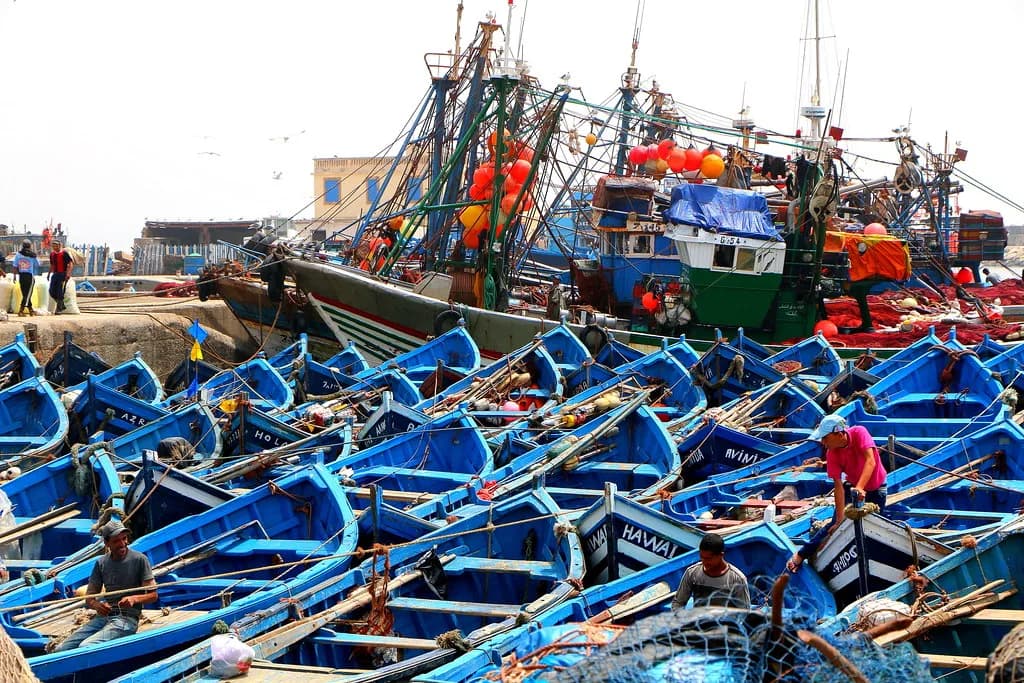
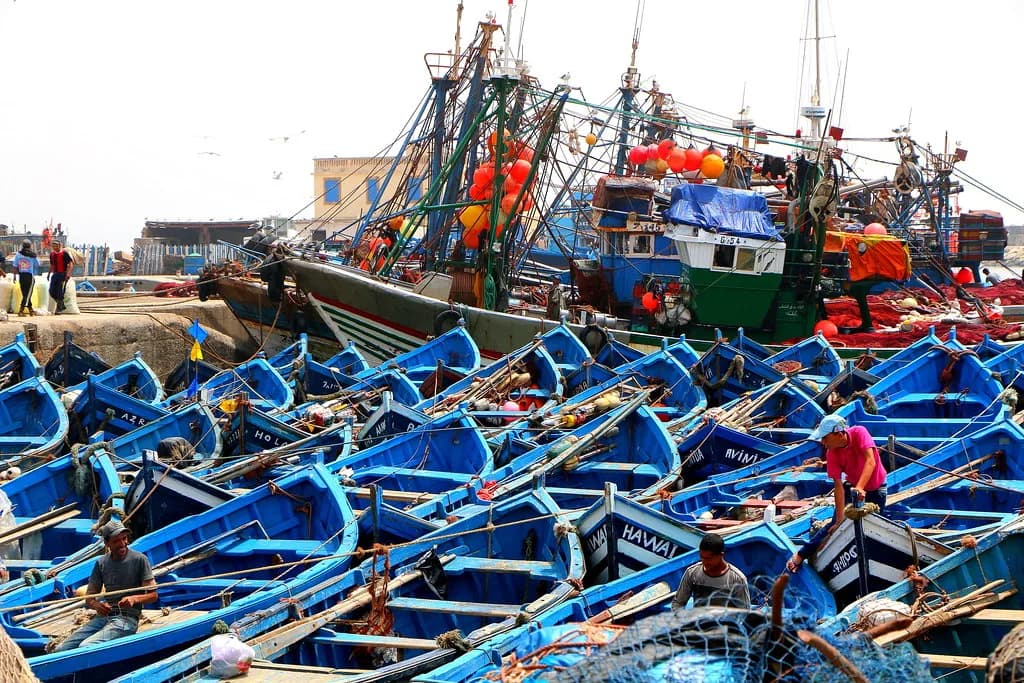
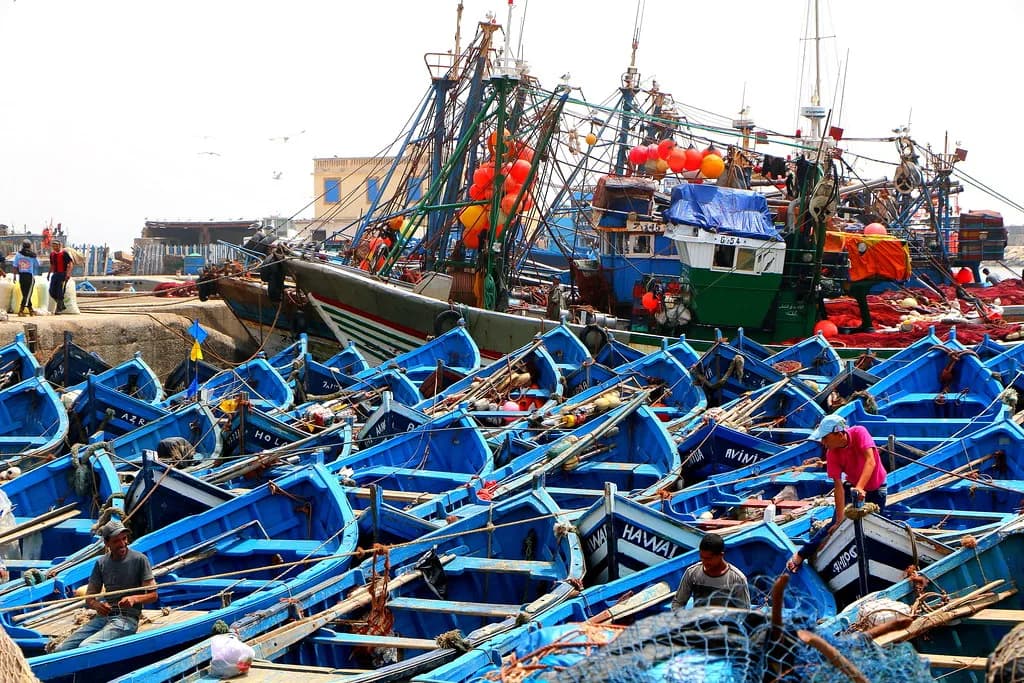
Airborne sand is the second packing problem, especially on the long beach south of the medina where it moves at ankle and face height. Sunglasses that wrap slightly and a fabric neck tube are functional items rather than style choices. A crossbody bag that zips fully closed also behaves better than a tote in the souks and the narrower lanes.
How to Read the Seasons When You Pack
Use seasonal climate tendencies as a planning frame, not a promise. Summer along this coast is typically warm rather than scorching, with strong afternoon wind, while the winter window is cooler and carries most of the year's rain. Evenings need a genuine layer in every season, because wind chill and Atlantic humidity make the felt temperature drop well before the thermometer does.
Spring is a transitional period: mild, bright days with wind that builds through the afternoon and cooler evenings that call for a fleece over your base layer. If your trip falls in March, a windproof shell and a warm mid layer should sit at the top of your bag. For a closer look at clothing choices in that window, see What to wear in Essaouira in March.
Late spring brings warm days and a livelier beach scene, but the wind does not disappear. Light, quick-drying fabrics work well for daytime, while a light jacket handles the evening drop. The same pattern applies in May, when the town starts filling ahead of summer; see What to wear in Essaouira in May for month-specific packing decisions.
High summer is peak wind and peak crowds, with the strongest conditions for kitesurfing and the least comfortable afternoons for lying on the beach. Sun protection becomes a functional kit item, not just a beach accessory, because the wind masks how much sun you are getting. If your dates fall in midsummer, see What to wear in Essaouira in July for packing choices tuned to that window.
Autumn eases the wind and clears the summer crowds, making it a comfortable period for walking the ramparts and the beach. Cooler, quieter late autumn brings a mix of mild days and crisper evenings, and rain becomes more likely as winter approaches. For a packing view of that transition, see What to wear in Essaouira in November.
Build the Outfit in Three Parts
Start with a base layer that covers your shoulders and manages damp. A long-sleeved merino or technical fabric top holds warmth when the wind rises and keeps working when Atlantic humidity means nothing dries overnight. Bring two if you are travelling light: one for daytime under a lighter shirt or dress, one for evenings.
Add a mid layer for after sunset: a light fleece or compact knit that you can pull on over the base as the wind funnels through the harbour front and the ramparts. This is the piece that turns a pleasant afternoon into a comfortable evening. Visitors who pack only for inland heat often end up buying a jumper locally, which is avoidable with one extra item.
Finish with a packable windproof shell. Its primary job is blocking wind rather than repelling rain, which means it should be light enough to carry whenever you leave your accommodation. Choose one that folds into its own pocket so it disappears into a day bag but is available the moment the wind strengthens.
Bottoms That Behave in Wind
Loose, modest cuts are comfortable here, but truly floaty is a mistake on the ramparts and the beach. Quick-drying woven travel pants that cover to the ankle are the most reliable daywear: they do not billow, they protect your legs from sand, and they dry fast after sea spray or a light shower. A long skirt works well in the medina and less well on the beach, so bring one pair of pants and one longer skirt or dress rather than the reverse.
Maxi dresses are best treated as an occasional outfit rather than a main daywear strategy. They photograph beautifully on a calm morning but become difficult to manage when the afternoon wind arrives. If you love them, pack one and pair it with a windproof layer for the walk back.
Head, Neck and Eyes
The wind rules what you put on your head, so choose a sun hat with a chin strap rather than a wide brim that relies on fit alone. Wrap-style sunglasses handle airborne sand better than flat frames. A multifunctional neck tube is the highest-value small item you can pack: it keeps sand out of your face on the beach, warms your neck in the evening breeze, ties hair back, and doubles as a light head covering when you want to be less conspicuous.
If you can only add one item to your day bag, make it the neck tube. It costs almost nothing in space and solves three separate problems that otherwise require three separate purchases. Keep it accessible rather than buried in a suitcase.
Footwear Trade-offs
The medina's stone is smooth and often damp with sea air, so flat, closed shoes with grippy soles are the safest choice for walking. Sandals are ideal for the beach, which is broad and worth a long walk south. Nothing with a heel: the ramparts, the port and the lanes are uneven throughout.
If you plan to ride a horse or camel on the beach, closed shoes are essential for safety and comfort, and plenty of socks help keep your feet dry after a long day in the saddle. Riding outfits can be simple: comfortable trousers or jodhpurs and half chaps if you have them. Waterproof sandals or lightweight shoes work well for shoreline riding, while heavy leather riding boots suffer in salt and sand.
One robust pair for the medina and one beach pair for sand covers most trips. If you plan any long walking, consider a fresh pair of socks as a small luxury that changes how the day feels.
Modest Dress in Practice
Modest dress is an editorial suggestion here rather than a mandatory rule. Essaouira is relaxed by Moroccan standards in the areas most visited by travellers, and you will see far more bare shoulders than in inland cities. Covering shoulders and knees remains a practical and respectful default for exploring the medina, visiting markets or walking after dark.
A light scarf or long-sleeved layer that lives in your day bag solves most situations without effort. On the beach itself, swimwear is normal and expected. Think of coverage as something you carry rather than something you commit to all day.
Beach, Water and Kitesurfing Kit
Swimwear matters more than you might expect, but mostly for riad pools rather than ocean swimming. The Atlantic here is cold with real currents, and the wind means the beach is better for walking, riding and kitesurfing than for lying still. If you are taking a kitesurfing or windsurfing lesson, bring a swimsuit to wear under a wetsuit and confirm wetsuit inclusion with the school you book rather than assuming.
A quick-dry towel is more useful than a beach towel because nothing air-dries properly in this humidity. Reef shoes are handy at rockier entry points like Sidi Kaouki, while the town beach is easier on bare feet or sandals. A change of clothes for after a session is a small thing that prevents a cold, damp walk back into town.
Wind-and-Sand Small Items
A dry pouch or simple zip bag for your phone is worth the space; sand gets into charging ports on the beach and is a common small equipment failure. A crossbody bag that zips fully closed is better than a tote in the souks and better than a backpack in crowded lanes. A compact power bank helps if your riad room has limited accessible outlets.
High-factor sunscreen is essential because the Atlantic breeze masks how much sun you are getting, and burns happen on days that felt cool. Carry SPF lip balm for the same reason. Pack these where you can reach them without unpacking, since the wind shifts and the sun can surprise you.
A basic first aid kit with rehydration salts is a sensible addition for anyone prone to stomach upsets. Pharmacies in town are generally well stocked, but medina ones keep irregular hours, so having the basics on hand saves time.
A Compact Packing Example for a One-Week Trip
For a week, aim for: two long-sleeved base layers, one fleece or light knit mid layer, one packable windproof shell, two pairs of quick-drying woven pants, one longer skirt or dress, one swimsuit, one pair of medina-appropriate closed shoes, one pair of sandals, three to five pairs of underwear and socks, a sun hat with a chin strap, wrap-style sunglasses, a neck tube, a quick-dry towel, a crossbody bag, a dry pouch, sunscreen, SPF lip balm and a small first aid kit.
If you add Marrakech, the Atlas or the desert to the same trip, those stops are hotter and drier, so you will want an extra light layer you can shed, plus a little more room in your bag for warmer-weather clothes you can wear inland and wash along the way. The trick is to keep a single windproof shell and evening mid layer that work for the coast while the base layers do double duty inland.
What to Leave Behind
Leave the Marrakech-only wardrobe at home: strappy tops, thin cotton dresses and open sandals will leave you cold and sandblasted on this coast. Skip the wide-brimmed hat with no strap, because it will not survive an afternoon. Avoid floaty maxi dresses as your main daywear, since they are manageable only on the calmest mornings.
Heavy hiking boots are dead weight unless you are combining the trip with the Atlas, because there is no hiking in Essaouira itself. Hair styling tools you care about are likely to be defeated by the wind; bring ties, clips and a scarf instead. Large amounts of foreign cash are also unnecessary, so change what you need and spend it before you leave.
More City Packing Guides
If you are combining Essaouira with a European city break, the same layering logic travels well. A Lyon packing list is a useful reference for cool, changeable urban weather, while the Essentials for Your Verona Packing List covers warmer city days. Neither replaces coastal wind planning, but both help you build a tighter, more flexible bag.
Before You Leave
Check a current forecast for your travel dates in the week before departure, and treat any seasonal guidance here as historical tendency rather than a prediction. If your trip includes inland stops or an Atlas leg, coordinate layers so the same bag works in hotter, drier conditions and on the coast. Build your bag around the windproof shell and the evening layer, and the rest falls into place.
Plan Your Visit
Essaouira is a place where the wind dictates what you wear more than the temperature does. A three-part layering system, sensible footwear for stone and sand, and a handful of small items for sand and sun will cover most days comfortably. Keep modest cover-ups within reach, confirm any activity-specific gear with the operator you book, and check the forecast before you zip the bag.
More packing guides for Morocco
- Essaouira Ramadan Packing: What to Wear and Bring
- What to Pack for Walking Essaouira's Medina: Footwear and Outfits
- What to Wear Kite Surfing in Essaouira: Wetsuit and Wind Gear
- What to Wear in Essaouira for a Beach Day: Packing Guide
- What to Wear in Essaouira in July: Wind, Sun and Cool Evenings
- What to Wear in Essaouira in March: Packing Guide
- What to Wear in Essaouira in May: Wind-Ready Packing Guide
- What to Wear in Essaouira in November: Coastal Packing Guide
- Rabat Packing List: What to Wear for the Atlantic Coast
- Marrakech Packing List: What to Wear in the Medina and Beyond
Frequently Asked Questions
What should I wear in Essaouira?
Dress in layers that you can adjust through the day. A long-sleeved base layer, a light mid layer for evenings, and a packable windproof shell form the core. Add quick-drying woven pants or a longer skirt, closed shoes for the medina and sandals for the beach. Covering shoulders and knees is a practical, respectful default rather than a requirement.
Do I need warm layers in Essaouira in summer?
Yes, an evening layer is useful in every season because wind chill and damp Atlantic air can make the felt temperature drop after sunset. A light fleece or knit plus a windproof shell is usually enough. Daytime summer is warm rather than scorching, so pack light fabrics for the middle of the day and keep the extra layer for later.
What should I pack for a week in Essaouira?
Two long-sleeved base layers, one mid layer, one windproof shell, two pairs of quick-drying pants, one skirt or dress, a swimsuit, closed shoes, sandals, several pairs of socks and underwear, a strap-on sun hat, wrap sunglasses, a neck tube, a quick-dry towel, a crossbody bag, a dry pouch, sunscreen and SPF lip balm make a solid one-week kit.
What should I not pack for Essaouira?
Leave behind the inland-only wardrobe, including strappy tops, thin cotton dresses and open sandals for everything but the beach. A wide-brimmed hat without a chin strap will not survive the wind, floaty maxi dresses are difficult as main daywear, and heavy hiking boots are unnecessary unless you are heading to the Atlas. Hair tools that depend on calm air may also disappoint.
Is Essaouira windy all year?
The alizes trade winds blow along this coast through much of the year, often strengthening through the afternoon. Conditions vary from week to week, so check a current forecast before you travel rather than relying on any seasonal pattern.
What shoes are best for walking the Essaouira medina and beach?
Flat, closed shoes with grippy soles are best for the medina, where the stone can be smooth and damp. Sandals work well for the beach. If you plan to ride a horse or camel on the sand, closed shoes are essential. Avoid heels, because the ramparts, port and lanes are uneven.
What do I need for a kitesurfing lesson in Essaouira?
Bring a swimsuit to wear under a wetsuit, a towel, sunscreen applied before you reach the beach, and a change of clothes for afterwards. Confirm with the school you book whether a wetsuit is included rather than assuming it. Sessions often run in the afternoon when the wind fills in, so plan other activities for the morning.
How is packing for Essaouira different from packing for Marrakech?
Marrakech is hotter and drier, so light clothing works there, while Essaouira is cooler and windier with damp sea air. The same week can feel very different in the two places. Pack for Marrakech with an eye on Essaouira's wind: add a windproof shell and a genuine evening layer rather than relying on summer clothes alone.
Sources
Free: The Ultimate Packing Cheat Sheet
A carry-on capsule wardrobe, the complete packing checklist, layering made simple, and what to wear by season — one printable page you'll use on every trip.
You might also like


Continue reading
More guides you'll find useful