What to Wear in Essaouira in November: Coastal Packing Guide
Plan what to wear in Essaouira in November with layered, wind-ready outfits for mild days, cooler evenings, and possible showers on Morocco's Atlantic coast.
On this page
November in Essaouira sits at the handover between Morocco's warm autumn and its cooler coastal winter, so the packing brief changes from beach-first to layer-first. The Atlantic keeps daytime conditions milder than inland cities, but mornings, evenings, and windy spells can feel noticeably cooler. Building outfits around a base layer, a mid layer, and a wind-and-rain shell keeps you comfortable whether you are walking the ramparts or sitting outside with a coffee.
Essaouira is a relaxed tourist town by Moroccan standards, yet it is still a Muslim coastal community, so dressing modestly away from the beach is a considerate choice rather than a legal requirement. Covering shoulders and knees in the medina and around mosques makes daily interactions easier and doubles as sun protection. The guidance in this article is editorial packing advice, not a dress code you are obligated to follow.
Essaouira-specific guidance describes the town as relatively relaxed but still modest, with light breathable fabrics in warm weather, layers for cooler mornings and evenings, and a light waterproof jacket for occasional rain. The same guidance recommends footwear suited to uneven medina streets and keeping beachwear to the beach or pool with a cover-up for the walk there. Those three ideas, layers, rain readiness, and sensible shoes, are the backbone of everything below.
How November Shifts the Packing Brief
On Morocco's Atlantic coast, November reads as a transition month: days stay mild enough for long walks, while nights and early mornings turn chilly enough to want a warm layer. General Morocco guidance for the November-to-February window points to long trousers, a warm layer, a waterproof, and closed shoes as the practical baseline. In Essaouira you can soften that formula during the middle of the day, but you will be glad of the warmer pieces at sunset.
The breeze is the variable that catches people out. A coastal wind can make a sunny afternoon feel cooler than the temperature suggests, and it can mask how strong the sun still is. That combination is why a single heavy coat rarely works well here: you overheat when you step out of the wind, then chill again on the shoreline.
Rain in November is occasional rather than constant, and no source can promise you a dry week or a wet one. Treat showers as a possibility to prepare for lightly, not a reason to pack a full rain suit. A compact waterproof layer that lives at the bottom of your day bag solves most situations.
The Three-Layer Outfit Formula
Think of every day as three slots: a base layer against your skin, a mid layer for warmth, and a shell for wind and rain. A breathable cotton or linen shirt or T-shirt handles the base, a light jumper or cardigan covers the mid, and a packable waterproof jacket or windbreaker fills the shell slot. Because each layer comes off or goes on independently, the same three pieces work from a mild midday stroll to a breezy evening on the ramparts.
Autumn and winter guidance for Morocco suggests long-sleeved tops in slightly heavier cotton, wool blends, or thin merino, layered under fleece or jackets for cooler cities. In Essaouira, thin merino or a light wool blend works well as the mid layer because it adds warmth without bulk when you stuff it into a day bag. Roll the sleeves up at noon and pull the layer back on after sunset.
The shell deserves specific attention because it does double duty. A light waterproof with a hood covers both the occasional shower and the persistent coastal breeze, which a cotton overshirt will not. Choose one that folds small enough to carry every day rather than leaving it at your riad, since the weather can shift while you are out.
Accessories finish the formula. A scarf adds warmth at the neck, can be pulled up against wind-blown sand, and provides extra coverage if you step into a more conservative space. It weighs almost nothing and changes the feel of an outfit more than any other single item.
Tops and Bottoms for Medina and Corniche
For tops, pack a mix of short-sleeve and long-sleeve pieces so you can match the hour rather than the whole day. Light, breathable fabrics suit the warmer stretches, while the long sleeves earn their place in the morning and evening. Sleeveless tops can work in tourist areas, but keeping a scarf or light layer within reach makes them more versatile.
For bottoms, long trousers, jeans, or loose chinos handle both the temperature and the modesty expectation away from the beach. Guidance for cooler months in Morocco specifically pairs long trousers with a warm layer and a waterproof, which is exactly the combination that works here. If you prefer skirts, a midi or maxi length with tights underneath adapts an autumn outfit to a breezy coast without exposing your legs to the wind.
Men can keep it simple with chinos or linen trousers and a couple of shirts, adding a fleece or light jacket for evenings. Tailored shorts belong at a resort pool rather than in the medina, where longer trousers are the more comfortable and considerate choice. One smart-casual outfit is worth including if you plan a nicer dinner.
A compact capsule of two pairs of trousers, one skirt or dress option, three to four tops, and one of each layer covers a short stay without repeat-wearing the same outfit daily. Choose colours that mix with everything so each piece earns its luggage space.
Modest Dressing as Respectful Guidance
Essaouira is one of the least conservative destinations in Morocco, but it is still a Muslim town, and covering shoulders and knees away from the beach is a respectful habit rather than a rule. You will see visitors in shorts and sleeveless tops, and you are unlikely to be confronted about your clothing. The point is comfort and courtesy, not compliance.
In practice, modest dressing here means loose rather than tight, covered rather than plunging, and a scarf within reach for mosques or quieter neighbourhoods. For women, avoiding low-cut tops and very short hemlines away from the beach is the simplest way to feel at ease. None of this is a legal obligation or a religious requirement on visitors.
Children are a different case, and T-shirts and shorts are entirely normal for them. If your November trip overlaps with Ramadan, the same modest approach applies with a little more care around daytime routines, and it can be worth planning meals and outings around the changed rhythm of the town. A dedicated Ramadan packing guide can help you plan those days.
Dresses, Skirts, and Tights for a Breezy Coast
Autumn and winter styling for Morocco leans on midi and maxi skirts in heavier cotton or wool blends, worn with tights or leggings for warmth. That combination suits Essaouira particularly well because the longer hem stays put when the wind picks up. A long-sleeved dress or sweater dress with a scarf is another easy option for dinners and cooler evenings.
Tights are the quiet hero of a November suitcase here. They turn a summer skirt or dress into a cool-weather outfit, dry quickly, and take up almost no room. Pack a neutral pair and a darker pair, and you have doubled the wearable range of everything else you brought.
Boots pair naturally with skirts and tights, but they are not the only answer. A skirt with closed shoes and a warm layer works just as well if you prefer lighter luggage. The decision comes down to how much walking you plan and how much rain you are willing to walk through.
Footwear: Sandals Versus Closed Shoes
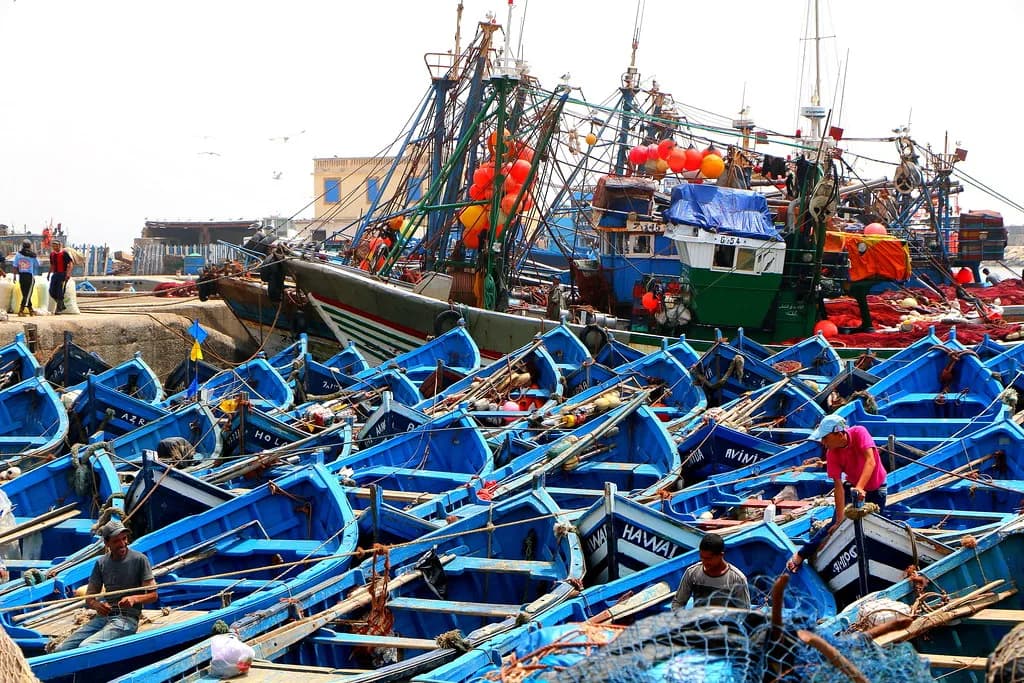
The medina's uneven paths and the fishing port area are the two places where footwear choice matters most. Essaouira guidance notes raised objects and uneven surfaces around the medina, and messy ground near the port, both of which favour a closed toe over a flip-flop. If your itinerary is mostly the corniche and short medina strolls, sandals are still fine.
For longer walks, sport sandals with a secure strap or a light pair of trainers give you grip and protection without much weight. Winter guidance for Morocco notes that closed shoes are the more comfortable choice in the cooler months, especially in the mornings and evenings when open toes feel cold. Bringing both a sandal and a closed pair covers nearly every November scenario.
If you run or plan beach walks toward Diabat, running trainers are worth the space because the sand and the corniche path are both suited to them. Otherwise, one comfortable walking shoe and one sandal is enough. Test any new pair before you travel, because the medina is not the place to break in stiff boots.
Wind and Rain Kit for Occasional Showers
A light waterproof jacket is the single most useful piece of November kit, and both Essaouira-specific and general Morocco guidance recommend one for occasional rainy days. It should be light enough to carry daily and structured enough to block wind, because the breeze is more constant than the rain. A hood saves you from juggling an umbrella in a gust.
For your day bag, add a compact umbrella if you prefer one, and a dry bag or plastic sleeve for your phone and camera. Wind-driven sand is as much of a hazard as rain on the beach and the ramparts, so protection for electronics is not overkill. A small towel or microfibre cloth helps too.
Plan for the wind to be strongest near the water and on exposed terraces, and calmest in the sheltered lanes of the medina. That pattern tells you when to add the shell and when you can leave it in your bag. It also explains why a floppy hat is a poor choice here.
Sun Protection That Survives the Wind
The wind can make a sunny day feel cooler than it is, which is exactly when sunburn catches people out. High-factor sunscreen for face and body belongs in your day bag, not just your beach bag. Reapply during long outdoor stretches, especially around midday near the water.
For headwear, a cap or a wide-brimmed hat with a chin strap is far more practical than a loose floppy hat that lifts off in the first gust. Sunglasses do double duty by cutting glare and keeping wind-blown sand out of your eyes. A spare pair is cheap insurance if you are prone to losing them.
Lip balm with sun protection and a light long-sleeve layer for your arms are worth adding if you burn easily. Linen and cotton breathe well, so a long-sleeve shirt is not a penalty on a mild day. These small items weigh little and prevent the most common November discomfort.
Beach and Water Time in November
Beachwear in Essaouira belongs at the beach or pool area, with a cover-up for the walk there and back. Local guidance suggests that in tourist beach areas, swimwear is normal, while away from the sun-lounger zones a woman on her own in a bikini may attract attention. Topless sunbathing is considered inappropriate here.
November water time is weather-dependent, and the sources stop short of promising swim-friendly conditions at that time. A swimsuit still earns its place if your accommodation has a heated pool or you book a spa with one. Bring a warm cover-up or robe for moving between indoor and outdoor areas, plus sandals for the poolside.
If you plan to surf or kite-surf, wetsuits are typically provided with lessons, so you only need to bring your own if you prefer your own fit. For everyone else, the beach in November is more about walking, watching, and sitting out of the wind than swimming. Pack accordingly and treat a swim as a bonus.
A Four-to-Five Day Packing Example
This example is an editorial suggestion sized to a short Essaouira stay, not a required quantity for your trip. Start with three tops, two pairs of trousers or one trouser plus one skirt with tights, one light jumper, one waterproof shell, and one scarf. Add one swimsuit, one cover-up, one pair of walking shoes, and one pair of sandals.
For extras, include underwear and socks for the duration, a cap or strapped hat, sunglasses, sunscreen, and a small day bag. A single smarter outfit covers a nice dinner, and a light robe or warm layer helps on cooler evenings. Everything on this list layers with everything else, which is what keeps the bag small.
If your stay stretches longer than five days, plan to wash a few base layers rather than doubling the whole list. Breathable fabrics dry overnight in most riads, and Essaouira has shops and boutiques where you can add a locally made piece if you need one. Leaving room in the bag is a deliberate part of the plan.
What to Leave Behind
Leave the floppy hat at home, because the coastal wind will take it. Skip heavy winter coats that you will only wear after dark, since a lighter mid layer plus a shell handles more hours of the day. Overpacking warm clothing is the most common November mistake here.
Thong bikinis and topless sunbathing are not appropriate in Essaouira, and beachwear worn around the town centre draws unwanted attention. Very short or very tight clothing is less comfortable in the medina and around mosques, and it is harder to adapt when the wind turns cool. These are all choices that save space and awkwardness when left out of the suitcase.
Also leave behind anything you cannot walk in on uneven ground, and heavy denim or corduroy that weighs down your bag without adding much warmth for its bulk. Multiple pairs of shoes beyond one walking pair and one sandal are rarely worth the weight. If you are unsure about a niche item, check whether you can buy it locally instead.
Before You Go: Forecast Check and Transit
A few days before departure, check a reliable weather forecast for Essaouira and let it adjust your layer count rather than your whole wardrobe. The historical pattern of mild days, cooler nights, and occasional showers is a planning baseline, not a guarantee for your specific week. If the forecast shows wind or rain, move the shell and closed shoes to the top of your packing list.
For transit, wear your heaviest layer on the plane and keep your scarf and mid layer in your carry-on, since coastal evenings can be cooler than the airport. Cabin baggage allowances vary by airline, so confirm the current rules with your carrier rather than assuming a size. Leave the beach kit at the bottom of the case until you know the forecast.
Once you arrive, adapt rather than regret. If the days are warmer than expected, the layers you packed still work without the shell; if the wind is stronger, add the scarf and swap sandals for closed shoes. That flexibility is the whole point of a layered November wardrobe in a coastal town.
Plan Your November Layers
Essaouira in November rewards a simple three-layer formula: breathable base, warm mid layer, and a light wind-and-rain shell. Add footwear that handles uneven medina streets and the port, keep beachwear scoped to the beach, and modest coverage for the medina becomes an easy habit rather than a constraint. Everything else is a detail you can adjust on arrival.
Pack a compact capsule for your trip length, leave the floppy hat and heavy coat behind, and check the forecast shortly before you fly so you can tune quantities rather than rebuild your bag. The town's mild days and cooler evenings are manageable with the pieces above. Arriving with layers gives you the freedom to enjoy the coast whatever the week brings.
Frequently Asked Questions
What should I wear in Essaouira in November?
Build outfits from three layers: a breathable base like a cotton or linen shirt, a light jumper or cardigan, and a packable waterproof or windbreaker. Pair that with long trousers or a midi skirt with tights, and add a scarf for cooler evenings. This combination covers mild days, breezy afternoons, and occasional showers without overpacking.
Do I need a jacket in Essaouira in November?
Yes, a light jacket is worth packing, mainly for mornings, evenings, and wind. A waterproof or wind-resistant shell does double duty against both the coastal breeze and occasional rain. A heavy winter coat is usually more than you need during the day.
Can I wear shorts or a bikini in Essaouira in November?
Shorts are most comfortable at the beach or pool rather than in the medina, where longer trousers are the more considerate choice. Swimwear is fine in beach and pool areas, with a cover-up for the walk there. Topless sunbathing and thong bikinis are considered inappropriate locally. November swimming depends on conditions and your accommodation, so treat it as optional.
What shoes are best for walking the Essaouira medina in November?
Closed shoes or trainers handle the medina's uneven paths, and the fishing port area, better than flip-flops. For shorter strolls along the corniche, sandals are still workable. Bringing one walking pair and one sandal covers most November days, and closed shoes are more comfortable in cooler mornings and evenings.
Do I need rain gear for Essaouira in November?
Occasional showers are possible, so a light waterproof jacket is a sensible addition rather than full rain gear. Choose something compact enough to carry daily, and add a dry bag or sleeve for your phone and camera. Check the forecast before you travel and adjust how prominently you pack the shell.
What should women pack for Essaouira in November?
Pack a mix of long-sleeve and short-sleeve tops, long trousers or midi skirts with tights, a warm mid layer, and a light waterproof. Add a scarf for coverage and warmth, plus a swimsuit and cover-up if your accommodation has a pool. Keeping shoulders and knees covered in the medina is respectful guidance rather than a requirement, and it makes daily interactions easier.
Sources
Free: The Ultimate Packing Cheat Sheet
A carry-on capsule wardrobe, the complete packing checklist, layering made simple, and what to wear by season — one printable page you'll use on every trip.
You might also like


Continue reading
More guides you'll find useful