What to Wear in Essaouira in March: Packing Guide
Packing advice for Essaouira in March: breathable layers, a windproof shell for coastal breezes, rain-ready footwear, modest cover-ups, and beach kit.
On this page
March in Essaouira sits in the transition between winter and spring, and the wind shapes the packing challenge as much as the temperature does. Cool mornings and evenings near the water often give way to bright, warm afternoons. The practical answer is not one outfit but a small system of layers you can add and remove through the day.
Because Essaouira is a coastal town, the Atlantic breeze changes how the air feels on the medina ramparts, at the fishing port, and along the beach. That same wind makes a light windproof layer more useful than a bulky coat, and it affects headwear and anything loose you plan to wear. Rain remains a possibility in March, so a compact waterproof layer earns its space.
This guide sticks to what to wear and pack. It separates editorial outfit suggestions from the things you should check yourself, keeps each section on its own packing decision, and avoids repeating the same checklist. Build around a breathable base layer, a light mid layer, a wind and rain shell, and footwear that handles uneven ground, and you have covered most of March.
Quick Answer: The Core March Outfit Formula
The working formula is three pieces: a breathable base layer, a light mid layer, and a wind-resistant outer shell. A cotton or linen shirt or a light T-shirt handles the warm middle of the day, a thin knit or cardigan goes over it when the breeze picks up, and a light waterproof jacket tops the stack for wind and possible showers. That combination covers the range of conditions a March day here tends to produce.
For bottoms, loose trousers or a midi skirt work better than heavy denim, which stays damp if it rains and takes time to dry. If you prefer jeans, choose a lighter weight and accept that they are less flexible than travel-friendly fabrics. A scarf is a useful extra: it adds warmth, covers shoulders when you want more coverage, and helps with windblown sand.
Check the Forecast Before You Pack
Seasonal patterns describe the general character of March, not the weather you will actually get. In the days before departure, check a reputable forecast for Essaouira and look at three things: daytime highs and overnight lows, wind speed, and the chance and timing of rain. A windy, rainy forecast shifts your bag toward the windproof shell and closed shoes, while a calm, dry one lets you lean on lighter layers.
Wind matters more than the number on the thermometer on this coast, because moving air makes mild conditions feel cooler, especially in the morning and after sunset. Treat any specific temperature you see as a single data point rather than the whole story, and adjust the mid layer and outer layer accordingly. If rain is forecast, make sure your outer layer is genuinely water-resistant rather than merely wind-resistant.
March Climate Context: Spring on the Atlantic Coast
March falls in the spring shoulder period for Morocco, and coastal towns such as Essaouira are generally milder and breezier than inland cities. A seasonal overview describes spring here as a good time to travel, with generally pleasant early-summer weather, warm days, and cooler evenings rather than one settled condition. The useful expectation is a mix: warm sunny spells, cooler mornings and evenings, and rain still possible as the season transitions.
Because March can deliver both bright sun and a chilly sea breeze on the same day, layering is more reliable than committing to either summer or winter clothing. That is why a light waterproof jacket earns its place even when the forecast looks mostly dry. For a sense of how the packing changes as the season warms, compare this with What to wear in Essaouira in May.
Fabric and Layer Strategy
Choose breathable fabrics for the base layer so you stay comfortable if the afternoon turns warm. Natural fabrics such as linen, organic cotton, and merino are recommended for this kind of weather, and they layer better than synthetics that trap heat. Linen wrinkles, so either accept the creased look or hang items in the bathroom to smooth them out. A thin merino or light knit mid layer adds warmth without bulk, which matters on a short trip with limited space.
The outer layer should resist wind first and rain second, and it should pack small enough to live in your day bag. A packable waterproof jacket with a hood is more practical here than a heavy coat, because the cold is rarely extreme and wind is the persistent factor. If you run warm, a windbreaker over a light long-sleeve shirt may be enough; if you feel the cold, add a cardigan underneath.
Tops and Bottoms: Coverage Away From the Beach
Away from the beach, and especially in the medina and around religious spaces, more modest coverage is the considerate choice. Guidance for Essaouira suggests covering shoulders and knees and avoiding low-cut tops in these areas. Treat that as an editorial suggestion for fitting in respectfully rather than a rule you will be stopped for breaking.
Loose trousers, midi skirts, and tunics or shirts with sleeves all work for daytime wandering in the Medina of Essaouira. For men, chinos or lightweight trousers with a short- or long-sleeve shirt cover the same ground; tailored shorts are better saved for the beach or hotel pool. Pack one smarter outfit if you plan a nicer dinner, but you do not need formal clothing for most Essaouira trips.
Outerwear for the Wind
Essaouira is known for its wind, and that changes what outerwear makes sense. A wind-resistant layer traps warmth that would otherwise be stripped away, so a light shell over a knit can feel warmer than a heavier sweater alone. Look for something with a hood and a smooth, tightly woven fabric, and check that it can be folded into your day bag without taking up half of it.
If rain is likely during your dates, prioritise water resistance over extra insulation, since you can always add a mid layer. A compact umbrella is optional here because wind can make it awkward on the ramparts and the beach, so a hooded jacket is usually the more reliable choice. For genuinely cold evenings, a light puffer or fleece adds warmth without much weight.
Footwear Trade-Offs for the Medina, Port, and Beach
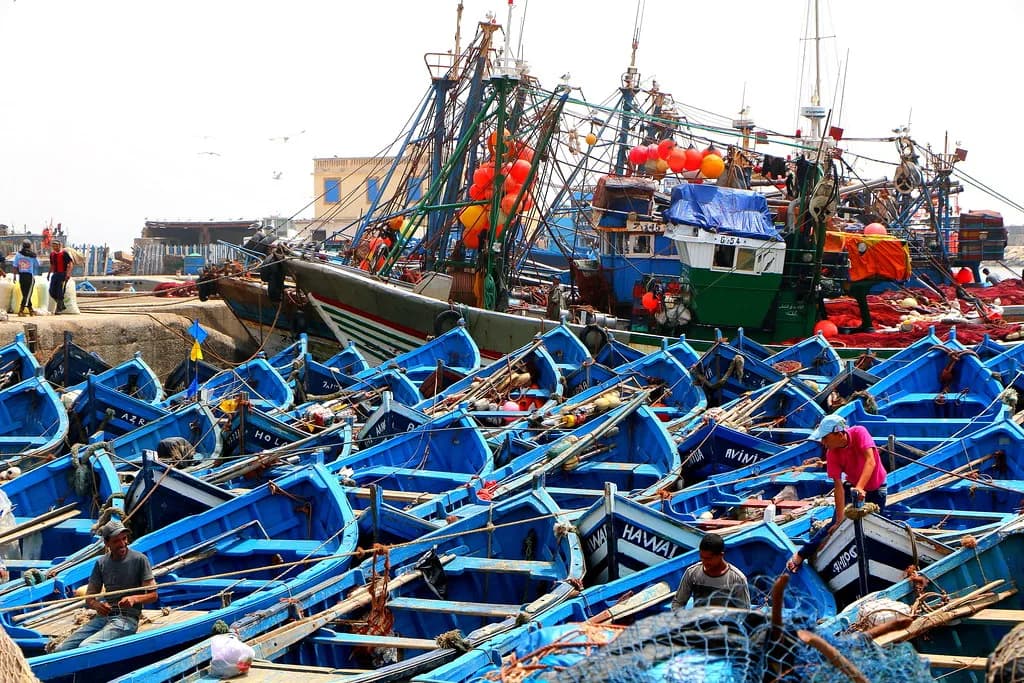
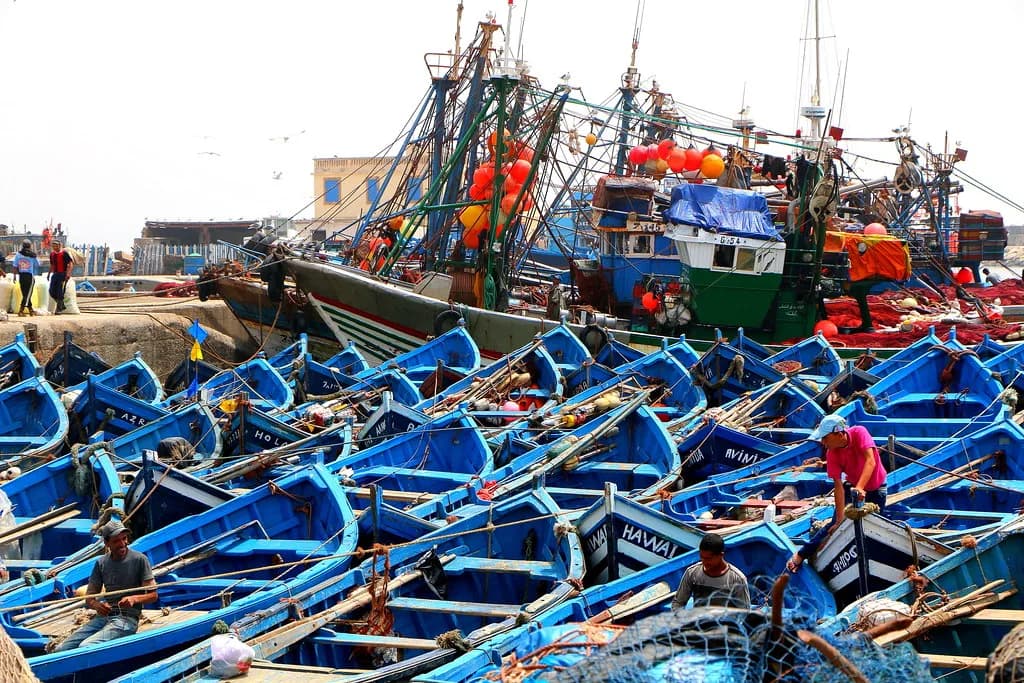
Essaouira's medina lanes are uneven, and the fishing port area can be wet and slippery underfoot, so grip and toe protection matter more than style. Advice for the town points to hiking sandals for longer walks and the port, where uneven paths and debris underfoot make open flip-flops a risky choice. Trainers suit cooler mornings and longer walks, while flip-flops are fine for short hops along the corniche or to the beach.
The key trade-off is open versus closed footwear: open shoes dry quickly and handle sand, but closed shoes keep your feet warm on chilly mornings and evenings and protect your toes on rough ground. A practical compromise is one pair of comfortable walking shoes or trainers plus one pair of sandals. If you plan to run along the beach or the corniche toward Diabat, bring the running shoes you already trust.
Sun and Wind Protection
Sun protection belongs on the packing list even in a shoulder-season month, because bright days and reflective sea light can catch you out. Pack sunscreen, sunglasses, and a lip balm with sun protection, and reapply as you would on any coastal trip. This is general packing guidance rather than medical advice, so if you have specific skin concerns, follow your own clinician's recommendations.
Headwear needs to survive the wind. A cap or a wide-brim hat with a chin strap stays put and shades your face, while a loose floppy hat without a strap is likely to blow off and be lost. Sunglasses do double duty here, cutting glare and keeping windblown sand out of your eyes on the beach. If you plan long days outdoors, What to wear in Essaouira in July shows how much more sun protection the summer months demand.
Beach and Watersports Packing
For the beach, normal swimwear is generally fine in the tourist areas near the sunbeds and larger hotels, and a cover-up or light kaftan is useful for walking to and from the sand and along the corniche. Topless sunbathing is not appropriate here, and a thong bikini is likely to attract unwanted attention, so a standard bikini or one-piece is the more comfortable choice. It is also insensitive to walk along the corniche away from the beach in swimwear.
If you plan to surf or kite-surf, schools typically provide wetsuits with lessons, so bringing your own is only worth it if you are committed to multiple sessions or prefer your own fit. A rash vest is a light alternative that adds warmth and sun protection in the water. Check with the specific operator before you travel if you have questions about equipment, and pack a dry bag for wet items.
For packing during the fasting month, see Essaouira Ramadan packing and what to wear for timing and coverage considerations.
A Compact Three-Day Packing Example
For a three-day March trip, start with two breathable base tops and one long-sleeve shirt, then add one light knit or cardigan as your mid layer. Bring one wind-resistant waterproof jacket that packs small, one pair of trousers or a midi skirt plus a second bottom if you prefer options, and sleepwear and underwear for the nights. This gives you enough combinations for changing conditions without overpacking.
Footwear is one pair of comfortable walking shoes or trainers plus one pair of sandals; add running shoes only if you plan to run. Add a scarf, a cap or strapped hat, sunglasses, sunscreen, and a compact day bag. If you swim, include one swimsuit and a quick-drying cover-up. Wash-and-wear fabrics let you repeat outfits, so three days does not require three of everything.
What to Leave Behind
Leave the floppy hat with no strap at home, since the wind will take it. Heavy denim is another space-waster because it is slow to dry and less flexible than lighter trousers, and multiple pairs of jeans make little sense for a short coastal trip. A thong bikini is not the best fit for this beach and culture, so a standard cut is the easier choice.
Skip the heavy winter coat when a packable shell plus a mid layer covers March conditions and takes up far less room. Leave the formal shoes unless you have confirmed a specific dressy venue, and skip specialty gear for activities you have not actually booked. Extra pairs of shoes are the classic overpacking mistake: two versatile pairs handle almost everything on a short trip.
How the Month Shifts and What It Means for Layers
March is a transition month, moving toward warmer spring conditions while cool mornings and the chance of rain remain part of the picture. Your layering system should handle both a bright afternoon in a light shirt and a breezy evening in a knit and shell. The further into spring you travel, the less you will lean on the warm mid layer and the more you will rely on sun protection.
If your dates sit late in the month, you can usually reduce the heaviest layer and add one more warm-weather option instead. Keep the waterproof shell regardless, since spring showers are the least predictable part of the equation. The full Essaouira packing list covers the rest of the destination's seasons if your trip extends beyond spring.
Dressing Respectfully Without Overpacking
Morocco does not have a strict national dress code for visitors, and Essaouira is one of the more relaxed destinations in the country. Even so, covering shoulders and knees away from the beach is a considerate default, and women may prefer to avoid low-cut tops in the medina and around religious spaces. This is cultural guidance rather than a legal requirement, and you will see a range of outfits on visitors and residents alike.
You do not need a separate conservative wardrobe to travel respectfully; a scarf and a loose long-sleeve layer over your normal clothes usually do the job. Loose tunics, midi dresses, and wide-leg trousers are comfortable, modest, and appropriate for both medina wandering and a relaxed dinner. Two or three pieces that layer well serve you better than a dedicated outfit for every scenario.
Related Packing and Planning Pages
If your trip extends beyond March or you want a fuller checklist, the Essaouira packing list covers packing for the destination across seasons. For cooler shoulder-season trips, What to wear in Essaouira in November covers the later end of the year, when layers matter more. Use these pages alongside this guide when you build your final bag.
Final Pre-Departure Checklist
Before you zip the bag, confirm four things: a forecast check for your actual dates, a wind-resistant and water-resistant outer layer, footwear that handles uneven medina lanes and the port, and sun protection including a hat that will not blow away. Add a light knit or cardigan for evenings, one scarf, and a cover-up for the beach. Keep the palette simple enough that everything mixes, and you will not need to overpack.
Check the current forecast for Essaouira in the days before departure, since March conditions vary and seasonal tendencies are not a prediction. If you are unsure about activity-specific gear, confirm with the operator you have booked rather than guessing. With layers, grip, and sun protection sorted, the rest of your March packing falls into place.
Frequently Asked Questions
What should I wear in Essaouira in March?
Plan around three layers: a breathable shirt or T-shirt, a light knit or cardigan, and a wind-resistant outer layer that can handle rain. Add loose trousers or a midi skirt, comfortable walking shoes or trainers, and a scarf for extra warmth or coverage. Mornings and evenings are usually cooler than the middle of the day, so being able to add and remove a layer matters more than any single item.
Is it warm enough for shorts and sandals in Essaouira in March?
A warm afternoon can make shorts and sandals comfortable, but cool mornings and evenings and the coastal breeze mean they are not a reliable all-day choice. Sandals with a secure strap work well for the beach and short walks, while closed shoes are better for long days in the medina. If you pack shorts, treat them as a beach or pool option and keep a warmer layer handy.
Do I need a waterproof jacket in Essaouira in March?
Rain is still possible in March, so a light waterproof jacket is a sensible item to pack even though many days may be dry. A compact, packable shell with a hood also works as a windbreaker, which is useful on the ramparts, at the port, and along the beach. Check the forecast before you fly to decide whether you need it every day or just as backup.
What shoes are best for the Essaouira medina and beach in March?
Comfortable walking shoes or trainers are the most versatile choice for the medina's uneven lanes and for cooler mornings and evenings. Hiking sandals with a secure strap are a good alternative for the beach and for warmer afternoons, and they dry quickly. Flip-flops are fine for short beach and corniche walks, but they offer little protection on rough ground or at the port.
Can I wear a bikini on Essaouira beach in March?
Normal swimwear is generally fine in the tourist beach areas near the sunbeds and larger hotels, and a cover-up is useful for walking to and from the sand. Topless sunbathing is not appropriate, and a thong bikini is likely to draw unwanted attention, so a standard bikini or one-piece is the more comfortable option. Away from the main sunbathing areas, more coverage tends to feel easier.
What should I not pack for Essaouira in March?
Leave behind a floppy hat with no strap, since the wind will take it, and think twice about heavy denim that is slow to dry. A bulky winter coat is unnecessary when a packable shell plus a mid layer covers the conditions, and extra pairs of shoes are a common overpacking mistake. Skip formal footwear unless you have confirmed a specific dressy venue.
How many layers do I need for a March trip to Essaouira?
Three functional layers cover most days: a base top, a light mid layer such as a knit or cardigan, and a wind and rain resistant outer layer. Add a scarf as a flexible extra that provides warmth, coverage, or wind protection. For a three-day trip, two base tops, one long-sleeve shirt, one knit, and one shell are usually enough.
Sources
Free: The Ultimate Packing Cheat Sheet
A carry-on capsule wardrobe, the complete packing checklist, layering made simple, and what to wear by season — one printable page you'll use on every trip.
You might also like


Continue reading
More guides you'll find useful