La Rochelle Packing List: Coastal Layers for Any Season
Pack for La Rochelle with breathable layers, windproof rain gear and broken-in walking shoes for the Old Port, quays and Île de Ré.
On this page
La Rochelle weather month by month
Typical conditions from 30 years of daily weather data — use it to see how much to pack for the month you are travelling.
| Month | High / low | Days with rain | Afternoon humidity | Daylight |
|---|---|---|---|---|
| January | 9° / 4°C (49° / 40°F) | 4 in 10 days | 71% | 8.8 h |
| February | 10° / 4°C (50° / 39°F) | 4 in 10 days | 66% | 10.1 h |
| March | 13° / 6°C (55° / 43°F) | 3 in 10 days | 63% | 11.6 h |
| April | 15° / 8°C (59° / 47°F) | 3 in 10 days | 60% | 13.3 h |
| May | 19° / 12°C (66° / 53°F) | 3 in 10 days | 60% | 14.8 h |
| June | 22° / 15°C (71° / 59°F) | 3 in 10 days | 59% | 15.6 h |
| July | 24° / 17°C (75° / 62°F) | 2 in 10 days | 58% | 15.2 h |
| August | 24° / 17°C (75° / 62°F) | 2 in 10 days | 58% | 14 h |
| September | 22° / 14°C (71° / 58°F) | 3 in 10 days | 58% | 12.3 h |
| October | 18° / 12°C (64° / 53°F) | 4 in 10 days | 66% | 10.6 h |
| November | 13° / 8°C (55° / 46°F) | 4 in 10 days | 70% | 9.2 h |
| December | 10° / 5°C (50° / 41°F) | 4 in 10 days | 72% | 8.4 h |
Travelling on specific dates? Use our What to Wear Planner for the weather, outfits and a packing list for your exact days in La Rochelle.
Averages for 1991-2020, modelled from Copernicus ERA5-Land and ERA5 reanalysis via Open-Meteo open data (CC BY 4.0), adjusted to La Rochelle's elevation. Modelled afternoon highs can read 1–2°C below airport weather-station records.
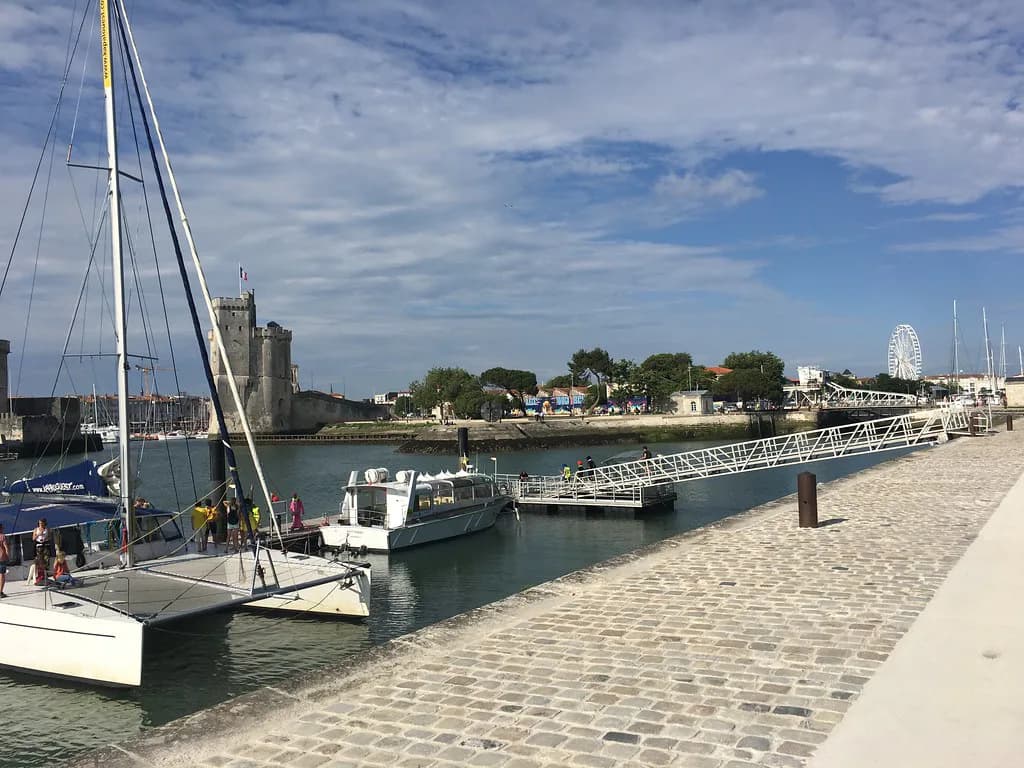
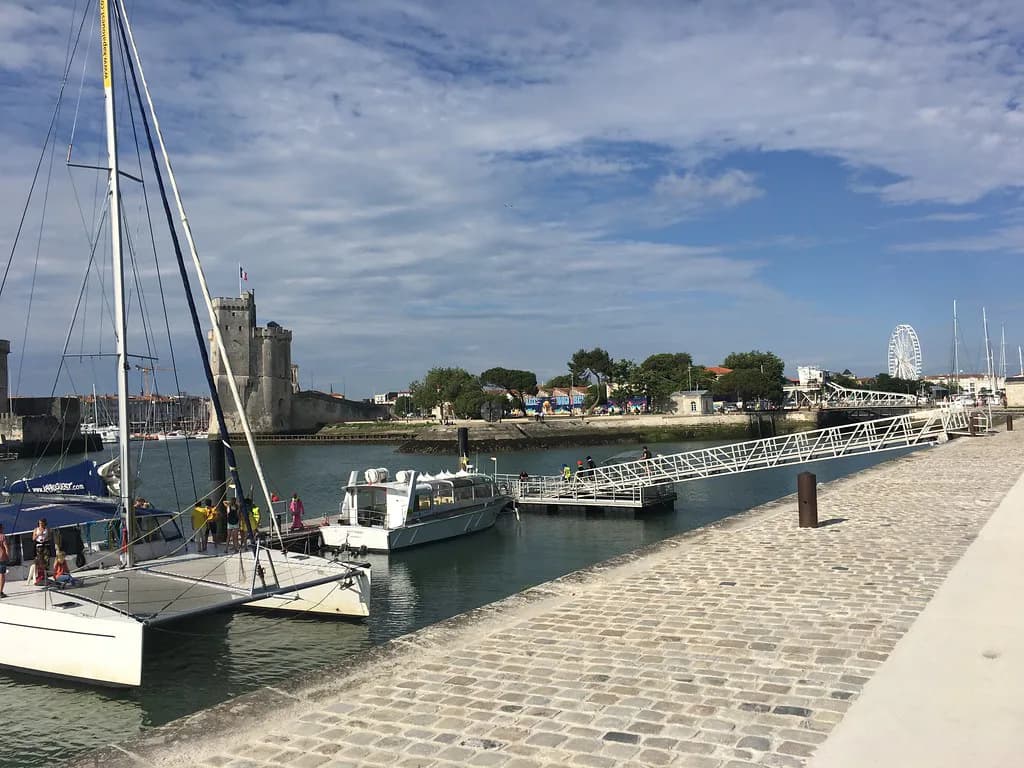
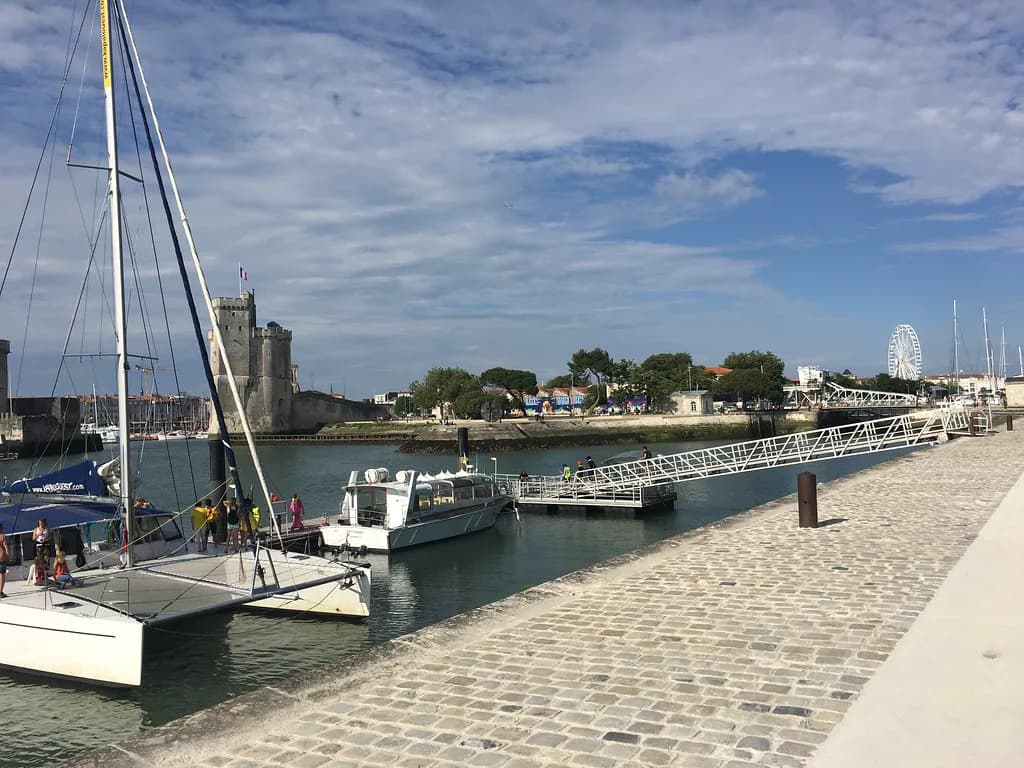
La Rochelle sits on a compact, walkable stretch of the Charente-Maritime coast, and its weather behaves like a maritime city rather than an inland one. Mornings can start grey and still, then turn bright and breezy by mid-afternoon as ocean air moves in off the water. Packing decisions here should revolve around adjustable layers and wind-aware extras, not a single outfit chosen for one temperature.
Treat the city's climate as a set of historical seasonal tendencies, not a forecast for your travel dates. Long-term records for La Rochelle show mild winters, warm summers, rain spread across much of the year and a fresh ocean breeze in the afternoon, which is why daytime coastal temperatures sit a little below those of inland Bordeaux at the same latitude.
The same wardrobe should serve a morning on the cobbled streets around the Old Port, an afternoon on the quays and a longer walk or ride toward Port des Minimes. Focus on pieces that layer, dry and pack small, and treat every outfit suggestion below as editorial advice rather than a rule.
Why La Rochelle Packing Differs From Inland France
La Rochelle faces the Atlantic, and that exposure shapes the day more than the calendar does. Long-term records show the sea stays cool even in summer and that a fresh afternoon breeze blows from the ocean, which is why coastal daytime temperatures sit slightly below those of Bordeaux at the same latitude. Pack for moving air, not just air temperature.
That breeze is the practical reason to carry a light outer layer even on a warm day. Around the Old Port and along the quays, wind funnels between buildings and across open water, so an afternoon that felt comfortable inland can feel noticeably cooler once you stop moving. A packable windproof layer solves most of this without much weight.
The city core is small enough to explore on foot, and the Yélo bike-share scheme plus over 90 kilometres of bike trails make two wheels a realistic option. Both choices reward footwear and clothing that handle distance and shifting conditions. If you ride, expect more wind chill than you would feel walking the same route, and note that shared bikes cannot be taken across to Île de Ré.
How to Read La Rochelle's Climate Tendencies
Average figures give you a packing baseline, not a promise. The coldest month averages about 7°C (roughly 45°F) and the warmest about 20.8°C (about 69°F), with the sea ranging from around 11°C in late winter to about 20.5°C in August. Those numbers point to mild conditions overall rather than extremes, which keeps your list lighter than a genuinely cold-weather destination would.
Rain is spread across the year rather than confined to one season. Precipitation runs from about 40 millimetres in the driest month to roughly 95 millimetres in the wettest, and the October-to-May period carries the most wet days, while summer months are comparatively drier. That pattern argues for one dependable rain layer instead of several improvised options.
Summer is peak season, with lower rainfall, higher hotel rates and more crowds, especially during the French summer school break. If your trip falls in that window, book transport and accommodation well ahead so you are not choosing dates around leftover availability. Shoulder months give you more flexibility but a slightly more protective kit.
Core Layer System: Base, Mid and Shell
Build three layers and you can handle most La Rochelle days without repacking. A breathable base layer sits against your skin, a mid layer adds warmth when the breeze picks up or the sun goes behind a cloud, and a wind-resistant shell handles rain and gusts. Wear all three on a cool, wet day and carry the shell alone on a warm one.
The mid layer is the piece that earns its place most often. A light sweater or fleece packs small and covers the temperature drop between a sunny afternoon and a shaded evening on the quays, which is the shift most visitors underestimate. Choose one that layers cleanly under your shell rather than a bulky option that only works on its own.
For the shell, prioritise wind resistance and quick drying over bulk. An umbrella is a sensible addition for city days because it works well on paved streets, but it is awkward on a bike and uncomfortable in strong coastal wind, so a hooded outer layer covers that gap. Between the two, you have most weather handled.
Summer Packing: Light Layers Plus an Evening Cover-Up
Summer in La Rochelle is warm rather than hot, and even in midsummer the guidance is to bring a sweatshirt for the evening and perhaps an umbrella. Pack lightweight clothing you can walk in comfortably, but add one warmer layer for nights on the quays and on the water.
Daytime comfort around the Old Port, the beach at Plage de la Concurrence or a ferry ride to Port des Minimes comes down to breathable fabrics and sun protection. A hat and sunglasses matter more than you might expect because the coast is relatively sunny, and short showers can still pass through. Keep a compact rain layer within reach rather than buried in your bag.
Occasional short hot spells can push daytime temperatures toward the mid-thirties Celsius, so a loose, light outfit gives you flexibility when that happens. The sea stays cool relative to the air, which reinforces the need for a cover-up on the water or after a swim. For a fuller month-specific breakdown, see what to pack for La Rochelle in summer.
Spring and Early Autumn: Changeable Shoulder-Season Days
These months swing the most, so packing is about range rather than volume. Spring averages climb from around 10°C (about 50°F) in March to roughly 15.6°C (about 60°F) in May, while September still averages about 18.1°C (around 65°F) before cooling. Expect frequent rainfall in spring and a gradual turn to cooler, damper weather through autumn.
Practically, that means a base layer, a mid layer and a shell all earn their space on the same trip. Mild afternoons invite you to shed layers on the quays, while mornings and evenings call them back, particularly when a sea breeze strengthens. If you visit in May, see what to wear in La Rochelle in May for a month-focused version of the same system.
September deserves separate handling because the first half often keeps summer warmth before conditions cool and turn wetter. Light clothing still works by day, but a warmer layer and a rain jacket become more valuable as the month progresses. For the specifics of that transition, check what to wear in La Rochelle in September.
Late Autumn and Winter: Rain-Ready and Wind-Aware
Winter here is mild but damp and windy rather than bitterly cold. Averages run from about 7.6°C (roughly 46°F) in December to around 10.5°C (about 51°F) in November, and the wetter part of the year brings roughly 12 or more wet days in several months. Rain protection and wind resistance matter more than heavy insulation.
Atlantic depressions can bring strong winds in winter, and the coast is more exposed than sheltered inland streets suggest. A hooded, wind-resistant outer layer and a warm mid layer cover most days, while an umbrella is best saved for calmer city walks. If you travel in November, what to wear in La Rochelle in November sets out how to adjust for the wettest stretch.
On the coldest nights temperatures can dip near or slightly below freezing, and light frost is possible away from the immediate coast. That is an argument for one genuinely warm layer rather than several thin ones, plus gloves or a scarf if you plan long evening walks. Daylight is short, so brighter or reflective outerwear helps if you are out after dark.
Footwear for the Old Port and Beyond: Surfaces and Trade-Offs
La Rochelle rewards comfortable walking shoes because the heart of the city is easy to explore on foot. The Old Port and surrounding streets mix paving and cobbled sections that can be uneven and slippery when wet, so soles with grip matter more than style. Choose footwear you have already broken in rather than something new for the trip.
The trade-off is between cushioning and drying speed. A cushioned walking shoe handles long days on hard surfaces and cobbles better, but dries slowly if you get caught in rain or splash through a puddle on the quays. A lighter pair drains and dries faster but offers less support over distance. Which you prioritise depends on whether you plan long walks or expect wet weather.
If you intend to use the bike-share scheme or ride the trails, a closed shoe with a secure fit is the practical choice. Packing a second, lighter pair gives you a dry option for evenings after a wet day, and the extra weight is often worth it in the rainier months.
Wind and Rain Gear: What Earns Space
One wind-resistant, rain-ready outer layer does more work here than several improvised alternatives. Because rain falls across much of the year and the coast is exposed, a hooded shell you can carry in a day bag covers city streets, the quays and a ferry crossing to Port des Minimes. Treat it as core kit rather than a seasonal extra.
An umbrella is genuinely useful for walking days in the city, but it is the wrong tool on a bike or in strong wind. If you plan to cycle, rely on your shell instead and leave the umbrella at your accommodation. That is a practical split, not a rule about what you must own.
Small extras that justify their weight include a packable bag cover or dry sack for electronics if you are riding, and a spare pair of socks for wet-weather days. None of these are mandatory, but they reduce the chance that one rainy afternoon disrupts the rest of your trip. Judge them against how much time you plan to spend outdoors.
Compact Three-Day Packing Example
For a three-day trip, build the bag around the layer system rather than individual outfits. A small set of breathable tops, two mid layers you can alternate, and one wind-resistant shell cover warm afternoons and cool evenings without doubling up. This approach lets you rewear pieces while keeping the bag carry-on friendly.
Add one comfortable walking shoe you have already broken in and, in wetter months, a lighter second pair for evenings. Pack a compact rain layer, a warm accessory such as a scarf for cooler months, and sun protection for summer. Check the forecast before departure and adjust the mid layer and shell choices rather than rebuilding the whole list.
Because summer is the busiest period, with higher rates and more crowds around the French summer school break, a flexible list that works for both warm and cool days helps when plans shift. Booking transport and accommodation ahead matters more than adding clothing. If you travel in peak season, reserve early and pack for the milder evening air on the water.
What to Leave Behind
Leave behind anything that only works at a single temperature. Heavily insulated outerwear is rarely needed given the mild winters, and thick, slow-drying garments take up space without helping across a mixed day. One warm mid layer plus a shell outperforms a bulky coat for most trips.
Skip multiple pairs of dressy shoes you will not walk far in, and skip anything you cannot carry comfortably for a few hours on cobbles. Also consider leaving the umbrella if you plan to cycle, since wind makes it impractical on two wheels. These are weight and utility decisions rather than restrictions on what you may bring.
Finally, resist packing against a forecast from another city. Inland France can run warmer in summer and behave differently in wind, so lists built for a Paris or Bordeaux trip do not transfer cleanly. If you want a comparison, a Bordeaux packing list or an Annecy packing list illustrates how differently an inland or lakeside destination shapes the same layer logic.
Before-Departure Forecast Check
Historical averages shape your list, but the actual outlook decides the final adjustments. A few days before departure, look at the forecast for your travel dates and compare expected daytime and evening temperatures with your layer plan. Add or remove a mid layer based on the gap between the two rather than the daytime figure alone.
Pay particular attention to wind and rain indicators, because coastal conditions can change what you wear more than temperature does. If wind is forecast, your windproof layer becomes the priority; if rain is likely, make sure your shell and a dry bag for valuables are packed where you can reach them. Adjust footwear only if you expect prolonged wet days.
If your dates fall in a shoulder month, plan for both outcomes, since spring and early autumn are the most variable. Recheck the forecast the day before you travel and treat any remaining uncertainty as a reason to keep the shell in your day bag. Forecasts routinely shift, so one final check is more useful than overpacking in advance.
Plan Your Visit
La Rochelle rewards a small, flexible kit: breathable layers for mild summer days, warmer wind- and rain-ready pieces for the rest of the year, and footwear built for cobbles and long walks. Build around the three-layer system and you can cover the Old Port, the quays and a ride out toward Port des Minimes without repacking.
Use historical seasonal patterns to set your baseline, then confirm the forecast in the final days and adjust the mid layer and shell rather than the whole bag. Keep the emphasis on pieces that pack small, dry quickly and layer cleanly. Pack light, plan for wind, and you will spend your time enjoying the coast rather than managing your luggage.
More packing guides for France
- What to Pack for a Day Trip to Île de Ré from La Rochelle
- What to Pack for Cycling in La Rochelle and Île de Ré
- What to Pack for La Rochelle in Summer: Beach, Port and Old Town
- What to Pack for La Rochelle in Winter: Layers for Atlantic Wind
- What to Wear in La Rochelle in May: Atlantic Spring Layers
- What to Wear in La Rochelle in November
- What to Wear in La Rochelle in September: Coastal Layers Guide
- Cannes Packing List: Beach, Old Town and Evening Essentials
- Colmar Packing List: Layers and Footwear for Alsace
Frequently Asked Questions
What should I pack for La Rochelle?
Start with a breathable base layer, a light mid layer and a wind-resistant rain-ready shell, then add comfortable broken-in walking shoes and sun protection for summer. Because the coast can turn breezy and damp, a packable outer layer earns its place in your day bag year-round. Adjust the warmth of your mid layer to the season rather than packing separate wardrobes.
What clothes should I wear in La Rochelle in summer?
Light, breathable clothing works well for warm daytime hours, but add a sweatshirt or light fleece for evenings, since nights near the water can feel cool. Carry a compact rain layer too, because occasional showers and short hot spells both occur. This is editorial advice, not a dress code.
Do I need a rain jacket in La Rochelle?
Rain falls across much of the year, with a wetter stretch from October through May, so a wind-resistant, rain-ready shell is one of the most useful items you can bring. An umbrella helps on calmer city walks but is awkward on a bike or in strong coastal wind. Check the forecast before you travel to decide how much emphasis to put on rain gear.
Is La Rochelle windy in the evening?
A fresh ocean breeze often blows in during the afternoon and can linger into the evening, making the quays feel cooler than sheltered streets. The sea also stays cool even in summer, which adds to that effect along the water. A light windproof layer or sweatshirt covers most evening discomfort.
What shoes should I wear in La Rochelle?
Choose comfortable, broken-in walking shoes with soles that grip, since the Old Port area mixes paving with cobbled sections that can be uneven or slippery when wet. A cushioned pair handles long days better but dries slowly, while a lighter pair drains faster with less support. Pack a second, lighter option for wet-weather months if you have room.
How do I pack light for a three-day trip to La Rochelle?
Build the bag around the layer system instead of separate outfits: a small set of breathable tops, two interchangeable mid layers and one wind-resistant shell. Add one broken-in walking shoe and, in wetter months, a lighter second pair, plus a compact rain layer and sun protection. Check the forecast before departure and adjust the mid layer and shell rather than rebuilding the list.
What should I pack for La Rochelle in spring or autumn?
These are the most variable months, so pack a base layer, a mid layer and a shell you can put on and take off through the day. Spring tends to bring frequent rain and cool nights, while early autumn often holds some warmth before turning cooler and wetter. A scarf and a slightly warmer mid layer help in the cooler shoulder weeks.
Sources
Free: The Ultimate Packing Cheat Sheet
A carry-on capsule wardrobe, the complete packing checklist, layering made simple, and what to wear by season — one printable page you'll use on every trip.
You might also like


Continue reading
More guides you'll find useful