What to Pack for La Rochelle in Winter: Layers for Atlantic Wind
Pack for La Rochelle in winter with a windproof shell, warm accessories, and grippy waterproof shoes for wet quaysides, plus a compact four-day example.
On this page
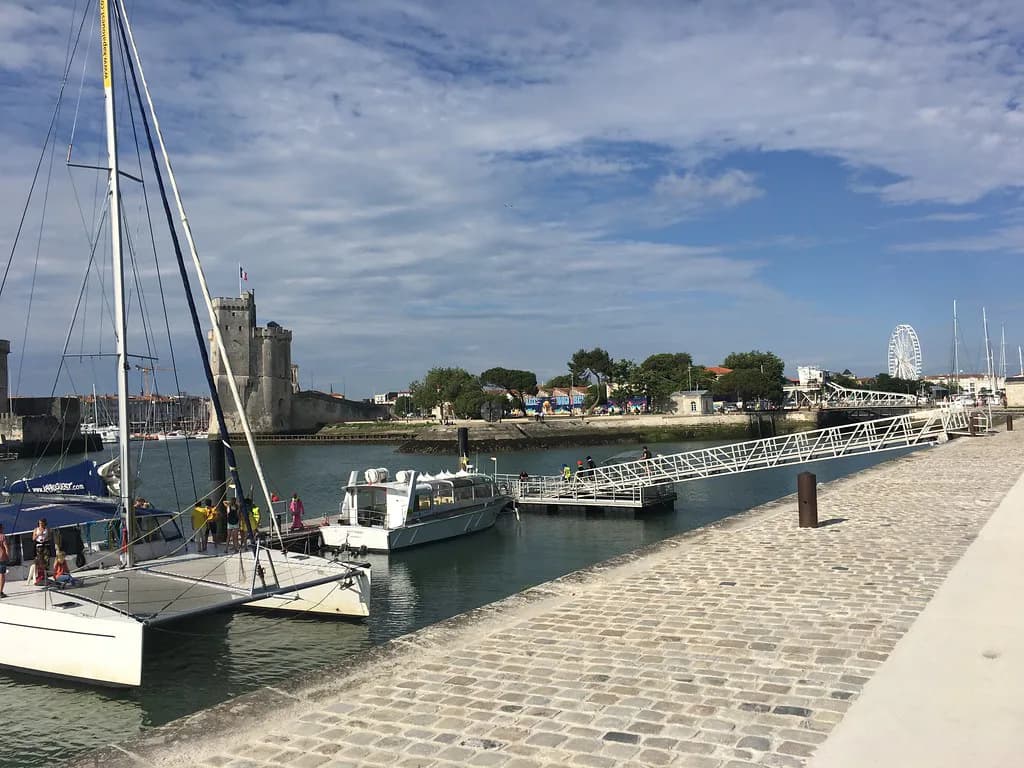
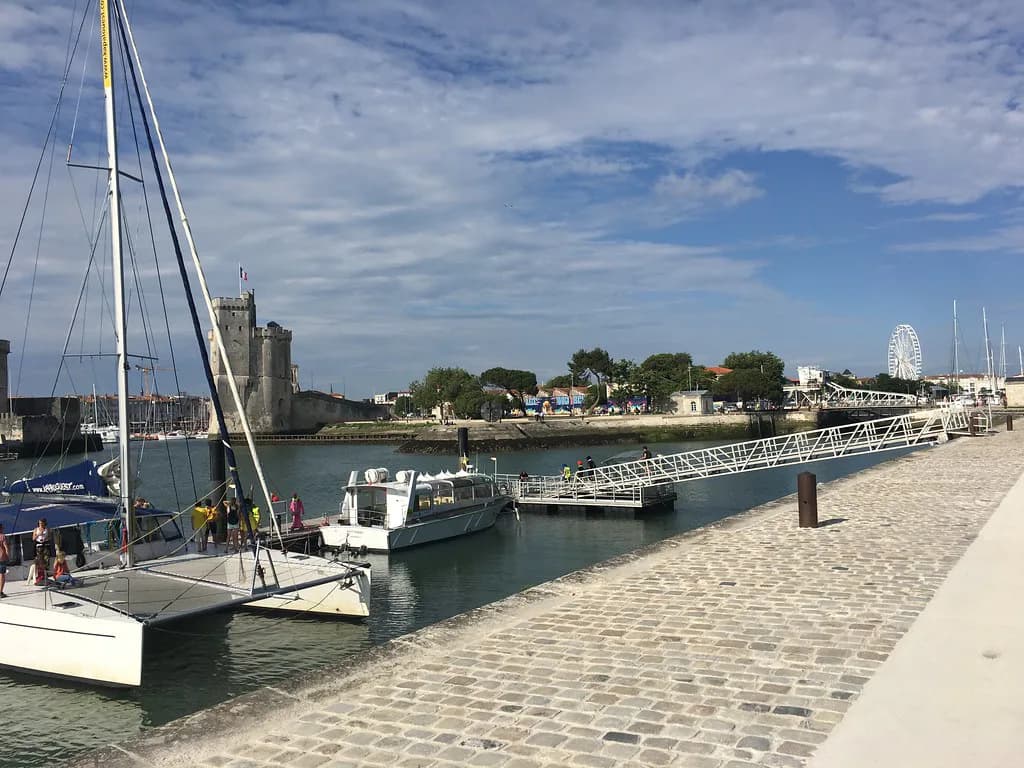
La Rochelle sits directly on the Atlantic in Charente-Maritime, and that location shapes winter packing more than the thermometer does. The cold here arrives wet and moving, driven off the water and funnelled through the old harbour between the towers. Packing for wind-driven damp rather than temperature alone is the single decision that separates a comfortable trip from a soggy one.
That means your suitcase should be built around a weatherproof outer layer, warm accessories you can add or remove through the day, and footwear that handles wet stone. Everything else, from base layers to what you leave behind, follows from those three anchors. The sections below work through each decision in turn, ending with a compact packing example for a four-day stay.
If you already have a broader framework for the city, the full La Rochelle packing list covers warm-season and shoulder-season items, and this guide narrows that down to December through February. If your trip starts in late autumn instead, what to wear in La Rochelle in November addresses the milder transition period separately.
Why Coastal Winter Packing Differs From Inland France
Long-term climate data for La Rochelle describe an oceanic climate with mild winters and rain spread across the year, and the city faces the Atlantic directly. Wind funnels along the quays and pushes damp air through the streets, so the same air temperature feels noticeably colder near the water than a few streets inland. A thick jumper with no wind protection will underperform a thinner layer under a proper shell.
The city's historic core is largely pedestrian, with cobbles, stone quays and narrow streets between the Vieux Port and the market halls. Rain lingers on those surfaces and splashes up from puddles, which is why trouser hems and shoe choice matter as much as your coat. Wind can also push rain sideways under an umbrella, so a hood earns its place.
Daylight is short in midwinter, and evenings come on early. Standing outdoors after dark, whether at a harbour-side stall or waiting for a bus, calls for more warmth than the afternoon suggested. Plan your warmest accessory combination for the evening rather than the middle of the day.
Reading the Seasonal Climate Picture, Not a Forecast
Over the 1991-2020 reference period, January is the coldest month in La Rochelle, with a mean temperature of about 7 °C (roughly 45 °F), average lows near 4.5 °C (about 40 °F) and highs near 9.5 °C (about 49 °F). December and February sit close to that, with December averaging around 7.6 °C (about 46 °F) and February around 7.4 °C (about 45 °F).
Those figures describe typical conditions, not what you will get on your dates. The same source notes that Atlantic depressions can push temperatures above 15 °C (59 °F) in winter, while cold spells from the east can bring light snow, and coastal locations rarely fall below about -6 to -7 °C (around 19 to 21 °F). Pack for the middle of that range and add or subtract layers once you know the actual forecast.
Rain is frequent rather than continuous, and December averages around thirteen wet days, with November the wettest month of the year. Humidity stays high, which slows drying for laundry and shoes. Sunshine is limited, averaging only a few hours a day in midwinter, so don't count on sun to dry anything out.
The Three-Layer System for Damp Cold
A three-layer approach handles the variable days that winter on this coast produces: a thin moisture-wicking base next to the skin, a warm mid layer, and a windproof, water-resistant shell on top. The base layer manages sweat from walking and from going in and out of heated buildings. The mid layer holds warmth, and the shell blocks the wind and rain that would otherwise strip that warmth away.
For the base, choose synthetic or fine merino pieces over cotton, since cotton holds moisture against the skin and dries slowly in humid air. Two base layers are enough for a short trip if you can rinse one in the evening. For the mid layer, a fleece or light wool sweater packs smaller and dries faster than a bulky knit.
The shell is the piece worth getting right. Look for a jacket with a hood, taped seams or a water-repellent finish, and a hem you can cinch against the wind. An unlined shell layered over fleece is more adaptable than a single heavy coat, because you can shed the mid layer indoors without losing your rain protection.
Choosing a Winter Coat for a Port City
A long wool coat looks good on the streets around the old harbour but performs poorly in sideways rain: it absorbs water, gets heavy, and takes a long time to dry in a humid apartment. A hooded, windproof shell usually wins here, especially for anyone walking the quays or taking the ferry between the Vieux Port and Port des Minimes. If you want the wool look for evenings, wear it over a proper shell rather than instead of one, or accept that you will keep it dry.
Length matters more than thickness. A shell that covers your hips keeps rain off your trousers when you are standing at the water's edge. Check that the cuffs adjust, since loose cuffs let wind up your sleeves, and that the hood stays up in a gust without holding it down.
A compact umbrella is useful for short walks between buildings, but it is unreliable on the exposed waterfront, where gusts turn it inside out. Treat the umbrella as a backup and the hood as your primary protection. A small packable umbrella that lives in your day bag costs little space and covers the in-between moments.
Warm Accessories That Earn Their Space
A hat, a scarf and gloves do more for perceived warmth on this coast than an extra jumper, because they seal the places where wind reaches skin. A close-fitting knit hat that covers the ears beats a loose hat in a gust. A scarf wrapped high at the neck keeps wind from running down your collar, and a longer scarf can be pulled over your chin on the most exposed stretches.
Gloves are the accessory people most often leave behind and most often regret, particularly for evening walks or a ferry crossing. Thin touchscreen-compatible liners worn inside a warmer pair give you flexibility for using a phone without exposing your hands. For a short trip, one warm pair plus liners is a reasonable compromise on bulk.
A buff or neck gaiter packs smaller than a scarf and works well if you dislike loose fabric flapping in the wind. Whichever you choose, keep it in an outer pocket rather than buried in your bag, since conditions on the waterfront can change within a short walk. This is one area where carrying a little extra is genuinely worth it.
Footwear: Grip and Waterproofing for Wet Stone
Wet cobbles and stone quays are slick, and the harbour area has enough uneven paving that tread matters more than cushioning. Choose shoes or boots with a deep, soft rubber sole that grips cold, damp stone, and avoid smooth leather soles entirely for this trip. Waterproofing keeps your feet dry through puddles and splashes, and dry feet stay warm far longer than damp ones.
Waterproof leather or synthetic boots with a sealed construction are the safest choice, but a water-resistant walking shoe plus a spare pair works if you prefer lighter footwear. Bring two pairs in total: one for wet outdoor days and one dry pair for evenings or indoor visits. Alternating pairs also gives each time to dry out, which matters in humid coastal air.
If mornings turn icy, which happens occasionally on cold snaps inland from the coast, tread and a slower pace do more than any specialist gear. You do not need crampons or technical winter boots for a city trip. A shoe with a flexible, grippy sole handles the range of winter conditions you are likely to meet here.
Socks, Spare Insoles and Drying Shoes Overnight
Wool or synthetic-blend socks keep feet warm even when slightly damp, while cotton socks hold moisture and chill your feet. Pack three or four pairs for a four-day trip so you always have a dry set while another dries. A spare pair of insoles can rescue a boot that has taken on water, since swapping insoles speeds drying considerably.
Humidity in rented apartments slows drying, so plan for it. Loosen laces, pull the tongue forward and remove insoles overnight, then stand boots upright rather than flat against a wall. If the radiator is on, place shoes nearby but not touching it, since direct heat can crack waterproof membranes and warp leather.
Stuffing damp shoes with newspaper or a dry cloth draws moisture out faster than air drying alone. If you have space, a small mesh bag for wet socks keeps damp items away from dry clothes in your suitcase. None of this is complicated, but doing it consistently is what keeps a short winter trip comfortable.
Trousers, Skirts and Warm Underlayers
Damp cold is felt most in the legs, so choose trousers with some wind resistance and a fabric that dries quickly rather than heavy cotton jeans, which stay wet and clammy for hours. Wool-blend trousers, technical walking trousers or a lined pair all work. If you prefer skirts or dresses, add thick tights or thermal leggings underneath for warmth and wind protection.
One warm underlayer for the legs is usually enough for December through February, but a second set helps if you plan long evening walks. Leggings worn under trousers add warmth without changing your outer look. Keep the cut of your outer trousers slightly loose so the underlayer does not bunch at the knee.
Winter here calls for genuinely warm leg layers rather than tights alone. If you are comparing seasons, what to pack for La Rochelle in summer is a far warmer proposition. The trade-off is simple: more warmth and wind resistance now, less bulk later.
A Four-Day Winter Packing Example
For a four-day trip built around one coat and two pairs of shoes, start with your worn-on-the-plane items: waterproof walking boots, wool socks, base layer, mid layer and the shell. That combination covers you from arrival onward, including any walk from the station to your accommodation. Everything else in the bag is a spare or an addition rather than a duplicate of the whole outfit.
Add three base layers, two mid layers, two pairs of trousers, three or four pairs of socks, warm hat, scarf or buff, and two pairs of gloves or one pair plus liners. Pack the second pair of shoes, a compact umbrella, a small day bag, and a few resealable bags for wet items. If you plan to eat out in the evening, one smarter jumper is enough; you do not need formal wear.
This list fits in a carry-on for most travellers because the bulky items are worn rather than packed. Laundry access, if your accommodation has it, effectively lets you halve the base and sock count. Weigh the bag at home with the worn items removed, since that is the number that matters at check-in.
Christmas Market Evenings: What to Add After Dark
Festive season evenings outdoors involve standing still, and standing still in coastal wind is much colder than walking the same route. Add the warmest accessories you brought rather than a heavier coat: hat, gloves, scarf and an extra mid layer under the shell. If you run cold, a thin thermal base layer under your daytime clothes makes a real difference.
The city's Christmas market arrangements and dates change from year to year. Check the La Rochelle tourist office site or your accommodation's noticeboard for what is running during your stay, and treat any schedule you find online as something to confirm rather than rely on. Plan your evening clothing around the fact that you will likely be outdoors longer than expected.
Footwear matters again here, since market areas are often on stone or gravel that stays wet. If you know you will be out late, swap into the warmer, more waterproof pair for the evening. Planning a warm drink indoors between stalls is a practical comfort measure rather than a packing item, but worth building into the route.
Indoor Days, the Aquarium and Wet Outerwear
Indoor visits such as the Aquarium La Rochelle are a sensible option on the wettest days, and they change what you need to carry rather than what you wear. Heated spaces can feel warm, so wear a base and mid layer you can keep on while your shell comes off. A small day bag holds the shell, gloves and hat while you are inside.
Your main problem indoors is what to do with wet outerwear. A packable rain cover or a lightweight stuff sack keeps a dripping jacket away from everything else, and many museums and galleries have cloakroom facilities, though provision varies by venue and should be confirmed on the day. Assume you may have to carry your coat rather than check it.
For a day that combines indoor and outdoor time, dress in the same layers and simply add or remove the shell and accessories. A scarf that doubles as a light wrap is useful if indoor areas turn out cooler than expected. The goal is a single outfit that works in both settings, not two separate wardrobes.
What to Leave Behind
Leave heavy formal wear at home unless you have a specific booking that calls for it. Winter evenings here are casual in practice, and a smart jumper with clean trousers covers almost any restaurant you are likely to visit. If you are unsure about a particular venue, contact it directly rather than packing a suit on the chance you will need one.
Skip cotton jeans as your main trouser choice, since they dry slowly and stay cold when damp. Avoid shoes without tread, including smooth-soled fashion boots and thin-soled trainers, as they are genuinely unsafe on wet cobbles. A third pair of shoes is usually unnecessary weight for a short trip.
Leave behind beach items and summer clothing, even if a mild day is forecast. Pack one lightweight outfit for a warm indoor evening rather than a full summer wardrobe. Anything else that only works in dry, still weather can stay at home.
Before You Go: Check the Forecast and Adjust Layers
Historical normals describe the season, not your specific dates, so check a reliable forecast in the days before departure and again the night before you fly. Look at wind speed and precipitation alongside temperature, because damp, gusty coastal air can feel far colder than the thermometer alone suggests. If you plan to spend time near the water or out on Île de Ré, windproof and water-resistant layers will serve you better than extra bulk. The shipping forecast for coastal waters is a useful cross-check if you plan time near the water or on Île de Ré.
Adjust layers rather than your whole wardrobe. If the forecast is milder and drier than expected, drop the second mid layer and keep the shell for wind and showers. If a cold snap is predicted, add a thermal base layer and an extra pair of gloves instead of a heavier coat.
If your plans include a day across the bridge, what to pack for Ile de Ré day trip from La Rochelle covers the extra wind exposure and transport practicalities on the island. Both there and in the city, the same rule applies: the shell and shoes do the heavy lifting, and the rest is adjustable.
Plan Your Visit
Winter packing for La Rochelle comes down to a handful of choices: a windproof, water-resistant shell with a hood, warm accessories you can add and remove, and two pairs of shoes with real tread that can dry overnight. Base and mid layers stay thin and quick-drying, and trousers should handle damp without dragging cold up your legs.
Build the bag around a four-day rotation, leave the formal wear and smooth-soled shoes behind, and check the forecast for your dates before you finalise anything. If you are extending the trip to the island or want seasonal comparisons, the full La Rochelle packing list pulls the year together, and what to wear in La Rochelle in November covers the shoulder-season transition in more depth.
Frequently Asked Questions
What should I wear in La Rochelle in winter?
A three-layer outfit works best: a thin moisture-wicking base, a warm mid layer such as a fleece or wool sweater, and a windproof, water-resistant shell with a hood. Add a hat, scarf and gloves, and wear shoes or boots with grippy soles for wet cobbles and quays. Adjust the mid layer depending on the forecast rather than changing your whole wardrobe.
How cold does La Rochelle get in winter?
Long-term climate normals describe mild winters rather than deep cold. January is the coldest month on average, with December and February very similar, and temperatures across the season typically sit in the mid-single digits Celsius. Mild spells can push temperatures well above that, while occasional cold snaps bring frost and light snow.
Do I need waterproof shoes for La Rochelle in winter?
Yes, they are worth packing. Rain is frequent from December through February, and wet cobbles, stone quays and puddles are common around the old harbour. Waterproof boots with a deep tread keep your feet dry and stop you slipping, and bringing a second pair means one can dry while you wear the other.
Is La Rochelle windy in winter?
It can be, particularly when Atlantic depressions pass through. The city faces the ocean directly, so wind funnels along the quays and makes the air feel colder than the temperature alone suggests. A hooded shell and a scarf that covers your neck do more than extra insulation in these conditions.
What should I pack for a four-day winter trip to La Rochelle?
Wear your boots, base layer, mid layer and shell on travel days, then add three base layers, two mid layers, two pairs of trousers, three or four pairs of socks, a hat, a scarf, gloves and a second pair of shoes. A compact umbrella, a small day bag and a few bags for wet items complete the kit. One smarter jumper is enough for evenings.
Do I need a heavy coat in La Rochelle in December?
A very heavy wool coat is usually the wrong choice here because it soaks up rain, gets heavy and dries slowly in coastal humidity. A windproof, water-resistant shell with a hood layered over a fleece performs better and adapts more easily to indoor heating. If you want a smarter coat for evenings, wear it over a shell or keep it for dry days.
Sources
Free: The Ultimate Packing Cheat Sheet
A carry-on capsule wardrobe, the complete packing checklist, layering made simple, and what to wear by season — one printable page you'll use on every trip.
You might also like


Continue reading
More guides you'll find useful