What to Wear in La Rochelle in November
Packing for La Rochelle in November: warm mid-layers, a windproof shell that sheds rain, and grippy shoes for wet cobblestones and port promenades.
On this page
La Rochelle in November: the weather in numbers
Typical November conditions from 30 years of daily weather data, split into early, mid and late month so you can match them to your travel dates.
| Dates | Early Nov (1–10) | Mid Nov (11–20) | Late Nov (21–30) |
|---|---|---|---|
| Afternoon high | 14°C (58°F) | 13°C (55°F) | 11°C (53°F) |
| Night-time low | 9°C (49°F) | 8°C (46°F) | 6°C (43°F) |
| Feels like (afternoon) | 11°C (51°F) | 9°C (47°F) | 7°C (45°F) |
| Range of afternoon highs | 11–18°C | 9–16°C | 7–15°C |
| Days with rain | 5 in 10 days | 4 in 10 days | 4 in 10 days |
| Afternoon humidity | 69% | 70% | 71% |
| Average wind | 18 km/h | 18 km/h | 17 km/h |
| Daylight | 9.6 h | 9.2 h | 8.8 h |
What this means for your suitcase
- Cool days: a warm sweater and a proper jacket — think wool or a light insulated coat.
- Rain on about 4 in 10 days — a waterproof jacket and water-resistant shoes.
- Day-to-day swings: afternoon highs range from about 8°C to 17°C, so pack for both.
Travelling on specific dates? Use our What to Wear Planner for the weather, outfits and a packing list for your exact days in La Rochelle.
Averages for 1991-2020, modelled from Copernicus ERA5-Land and ERA5 reanalysis via Open-Meteo open data (CC BY 4.0), adjusted to La Rochelle's elevation. Modelled afternoon highs can read 1–2°C below airport weather-station records.
November changes how you dress in La Rochelle. The Atlantic air turns cooler, daylight shortens, and a walk along the port can feel noticeably windier than the sheltered streets of the old town. This guide focuses on packing decisions rather than sightseeing plans.
The goal is a small kit that handles a cool morning, a bright but breezy midday, and a damp evening without forcing you back to your hotel. You will find recommendations for layers, outerwear, and footwear, plus a compact packing example. Treat the outfit suggestions as editorial starting points, then adjust for your own cold tolerance and the forecast close to departure.
Why November Packing in La Rochelle Is Its Own Problem
November sits between mild autumn and proper winter on the French Atlantic coast. Historical weather summaries for La Rochelle in November describe moderately chilly, slightly windy conditions with temperatures ranging from about 47 to 57°F (8 to 14°C). In Celsius, that is roughly 8 to 14°C. That range is not a forecast, but it tells you to expect cool air rather than deep cold, and to prepare for wind that makes the air feel sharper near the water.
The bigger packing challenge is moisture and wind rather than extreme temperature. Local advice notes that the weather can be really unstable and can change drastically in a short time, so an umbrella or waterproof jacket is a sensible default whatever the season. In November that means planning for damp cobblestones, spray along the port promenades, and the possibility of a shower arriving while you are outdoors.
Short daylight also reshapes your day. You may start with a cool morning walk, spend the middle hours indoors, and finish in fading light with a breeze off the water. Packing layers rather than a single heavy coat gives you the flexibility to adjust through those transitions without carrying extra bulk.
How to Read November Climate Signals Without Treating Them as a Forecast
Historical averages are useful for choosing fabric and footwear, but they do not tell you what any particular day will do. A summary of November conditions in La Rochelle describes moderate chill and wind with a chance of rain, and suggests a moderately warm layer such as a sweater. Use that as a signal to pack warm mid-layers and a wind-and-rain shell, then check a current forecast in the days before you travel.
General guidance for the best time to visit La Rochelle recommends a windproof jacket and a warm layer for outdoor activities. That combination fits November well: a windproof outer layer handles the exposed waterfront, while a warm mid-layer keeps you comfortable when you stop moving. Check an official French weather service or a reliable forecast app for your exact dates rather than relying on seasonal averages.
Your Core Layering System: Base, Warm Mid-Layer, and Wind-and-Rain Shell
A three-part system covers most November days in La Rochelle. Start with a base layer that manages moisture, add a warm mid-layer such as a sweater or fleece, and finish with a shell that blocks wind and sheds rain. This combination lets you remove or add the mid-layer as the day warms or cools, which matters when you move between exposed quays and indoor spaces.
For the base layer, a long-sleeve top in a breathable fabric works for walking and museum visits alike. Avoid heavy cotton next to the skin if you plan to walk far, because it stays damp and cools you down when you stop. A light merino or synthetic base gives you more comfort across a long day outdoors.
The mid-layer is where you adjust for how cold you run. A medium-weight sweater or a packable fleece adds warmth without much bulk, and it can be worn alone indoors if a museum or market hall is warm. If you tend to feel the cold, a thin second mid-layer is easier to manage than one thick sweater.
The shell is the piece that makes the system work in Atlantic weather. Look for a jacket with a wind-resistant outer fabric and a water-repellent or waterproof finish. Pit zips or a breathable membrane help when you are walking briskly, and a hood is useful on the exposed port promenades where an umbrella can be awkward in the wind.
Waterproof Outer Layers: Jacket Versus Umbrella and When Each Earns Its Place
Both a waterproof jacket and an umbrella have a role, but they do different jobs in La Rochelle. A jacket keeps your core and arms dry and leaves your hands free, which is an advantage on a windy quay or while crossing the bridge to the island. An umbrella is lighter to carry and easier to deploy for a quick shower between indoor stops.
If you only bring one, make it the jacket. Atlantic wind can turn an umbrella inside out and make it hard to hold, and a jacket also adds a windproof layer on dry but blustery days. If you bring both, choose a compact travel umbrella and treat it as a backup for short dashes rather than your main protection.
Pay attention to the details that matter in wet weather: a hood that stays up in wind, sealed or covered zips, and cuffs you can tighten. A jacket that is fully waterproof but not breathable can leave you clammy after a brisk walk, so consider how much you will be moving. If your shell is only water-repellent, plan to reapply a treatment before the trip or bring a light rain layer as backup.
Footwear for Wet Cobblestones and Port Promenades: Grip, Waterproofing, and Break-In Trade-offs
Footwear is the single most important packing decision for November in La Rochelle. The old town and harbor area mix cobblestones, paved quays, and occasional slippery patches when it rains. Shoes with a grippy rubber sole and a waterproof or water-resistant upper keep your feet dry and reduce the risk of a slip on wet stone.
Waterproof walking shoes or ankle boots strike a good balance for most travelers. They handle a full day of walking, keep out puddles and spray, and look tidy enough for a casual dinner. If you prefer trainers, choose a pair with a deep tread and a water-repellent finish rather than smooth-soled fashion sneakers.
Break in new shoes before you travel. A stiff leather boot that has not been worn in can rub on a long walk along the port, and wet conditions make blisters more likely. Bring socks that wick moisture, and consider a second pair of shoes if you have room so one pair can dry overnight.
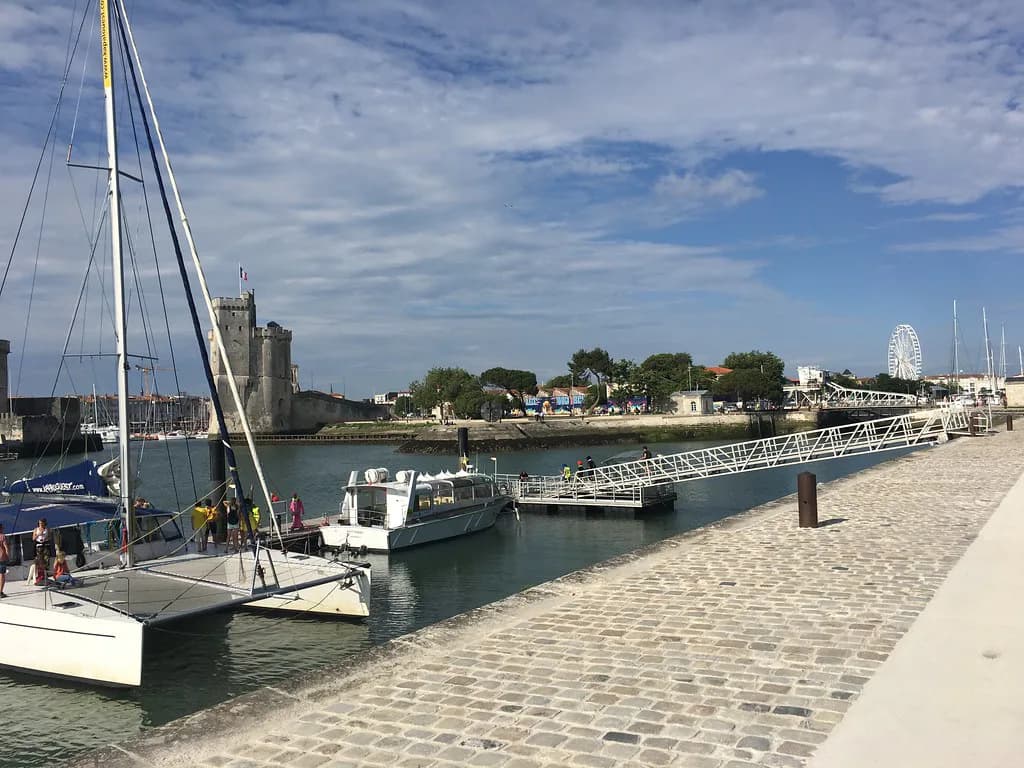
For the Vieux-Port and the surrounding streets, think about grip first and style second. Smooth soles are the main hazard on wet cobblestones, and a low heel is more stable than a tall one on uneven surfaces. If you plan to cycle, which is a common way to get around the city, closed shoes with good pedal contact are more practical than sandals or slip-on flats.
What to Wear on a Typical November Day in La Rochelle
For a day that starts with a port walk and ends indoors, build your outfit around layers you can shed. A breathable base layer, a warm sweater, and a windproof jacket cover the morning chill and the breeze off the water. Add a scarf to seal the neck, which is often where wind feels coldest, and a compact umbrella for short showers.
If the afternoon turns milder, remove the mid-layer and carry it in a small daypack. Choose trousers or jeans in a fabric that handles damp air, and avoid light-colored trousers that show splashes from wet pavement. A crossbody bag keeps your hands free and your valuables close in busy market halls.
For the evening, swap the walking shoes for a drier pair if yours got wet, and add a warmer layer for the walk to dinner. November evenings cool down quickly, and a scarf or light beanie makes a short walk along the harbor more comfortable. These are suggestions, not rules; adjust the warmth to your own tolerance.
Indoor Days: Aquarium, Museums, and Market Halls and How They Change Your Outfit Plan
November is a good time for indoor stops, and they change what you want to wear. The La Rochelle Aquarium and museums such as the Musée du Nouveau Monde offer shelter on a wet or windy day, and they are often less crowded than in summer. Indoors you may want to remove your outer layer, so a presentable mid-layer matters more than usual.
Choose a mid-layer you are happy to be seen in, since it becomes your outfit once you take off the jacket. A neat sweater or a simple fleece works well. Avoid overdressing in heavy thermals for a museum day, because indoor spaces can be warm and you may end up carrying layers rather than wearing them.
Market halls and food shops add another consideration: you may be standing still while you browse, which feels colder than walking. A light packable layer that stuffs into your bag lets you add warmth without committing to a heavy coat. If you plan to sample oysters or regional products, keep your hands free with a small shoulder bag.
Day Trip to Île de Ré or the Islands: Extra Wind Exposure and What to Add or Drop
A side trip to Île de Ré or another island puts you in more exposed conditions than the city center. The bridge and coastal paths are open to the wind, and you may spend longer outdoors than you expect. Add a windproof layer, a warm hat, and gloves if you feel the cold, and choose your most wind-resistant jacket for the day.
Drop anything you will not carry. A heavy camera bag or a second pair of shoes can stay at your hotel if you are only out for the day. Bring a compact rain shell rather than a bulky umbrella, because wind on the island makes umbrellas less useful, and wear footwear with reliable grip for sandy or wet paths.
Check transport options before you go. Ferry and bus schedules can change with the season and day, so confirm they are running with the operator rather than assuming a summer timetable still applies. If you are cycling, bring gloves and a windproof top layer, since the added wind chill on an exposed path is noticeable even when the temperature is mild.
A Compact Packing Example for a Three-Day November Trip
For a three-day trip, aim for one carry-on-sized bag and a small daypack. Pack two base layers, two mid-layers, one wind-and-rain shell, and one pair of broken-in waterproof walking shoes. Add one smarter top for dinner, one pair of trousers for each day or two if you can rewear them, and enough socks and underwear for the full trip.
Accessories take little space and add a lot of warmth: a scarf, a light beanie, and a pair of gloves. A compact umbrella is optional if your jacket has a good hood. Bring a small pouch for a phone, wallet, and travel documents, and a reusable water bottle you can refill in the city.
If you have room, add a second pair of shoes so one pair can dry after a wet day. A laundry strip or two lets you refresh base layers if the trip stretches longer. Weigh your bag before you leave and check your airline's own baggage rules, since allowances vary by carrier and fare.
What to Leave Behind in November
Leave behind heavy winter clothing designed for dry cold. A thick parka or insulated ski jacket is more bulk and warmth than most November days in La Rochelle require, and it is uncomfortable indoors. A layered system with a windproof shell handles the coastal conditions better and packs smaller.
Skip thin-soled fashion shoes, open sandals, and anything you cannot walk in for an hour or more. Wet cobblestones punish smooth soles, and cold rain on bare feet or thin canvas is uncomfortable. Leave the formal outfit at home unless you have a specific event; casual smart layers cover most restaurants and bars.
Do not pack multiple umbrellas or a heavy tripod you will not use. One compact umbrella is enough as a backup to a waterproof jacket. If you are flying with only a carry-on, remember that liquids and gels are subject to security rules, so decant toiletries into small containers and check the current rules for your departure airport.
Before You Go: Checking the Forecast and Adjusting Your Kit
Check the forecast for La Rochelle a few days before departure and again the day before you travel. Look at the temperature range, the wind, and the chance of rain, then adjust your layers accordingly. If a wet and windy spell is forecast, make sure your shell and waterproof shoes are in the bag rather than the spare pair.
Review your plan for indoor and outdoor time and match your kit to it. A museum-heavy trip needs less rain gear and a presentable mid-layer; a day of coastal walking needs more wind protection and warmer accessories. If you are unsure about ferry or bus schedules for an island trip, confirm them with the operator before you finalize your day.
Finally, test your waterproof layers before you pack them. A jacket that has lost its water repellency can be refreshed with a spray-on treatment, and worn soles are worth replacing before a trip. Small preparations like these make more difference in November than adding another sweater.
Plan Your Visit
November in La Rochelle rewards a flexible, layer-based approach. Cool Atlantic air, wind, and the chance of rain mean you should prioritize a windproof and water-resistant shell, warm mid-layers, and footwear with good grip for wet cobblestones and port promenades.
Start with the core system of base layer, mid-layer, and shell, then adjust for your own cold tolerance and your plans. Check the forecast close to departure, confirm any transport times with the operator, and pack a compact kit that lets you move between outdoor walks and indoor stops without carrying unnecessary bulk.
Related packing guides
- La Rochelle Packing List: Coastal Layers for Any Season
- What to Pack for La Rochelle in Summer: Beach, Port and Old Town
- What to Wear in La Rochelle in May: Atlantic Spring Layers
- What to Wear in Dijon in November: Layers for Cold, Damp Days
- What to Wear in Nantes in November: Packing Guide
- What to Wear in Annecy in November
- What to Wear in Avignon in November: A Packing Guide
Frequently Asked Questions
Is a rain jacket enough for La Rochelle in November?
A rain jacket is a good foundation, but it works best as part of a layering system. Pair it with a warm mid-layer such as a sweater or fleece so you can adjust when the wind picks up or when you move indoors. A compact umbrella is a useful backup for short showers, though wind near the water can make an umbrella awkward to use.
What shoes should I pack for La Rochelle in November?
Choose shoes with a grippy rubber sole and a waterproof or water-resistant upper. Wet cobblestones and paved quays can be slippery, so a deep tread matters more than style. Broken-in waterproof walking shoes or ankle boots handle a full day of walking, and a second pair lets one dry overnight if you get caught in the rain.
Do I need warm layers in La Rochelle in November?
Yes, plan for cool conditions and wind. The breeze off the Atlantic can make it feel colder near the water, so pack a breathable base layer, a warm mid-layer, and a windproof shell. Add a scarf or hat if you feel the cold.
What should I leave behind when packing for La Rochelle in November?
Leave heavy winter clothing designed for dry cold, such as a thick parka or ski jacket, because it is bulky and often too warm indoors. Skip thin-soled fashion shoes and open sandals, which are impractical on wet cobblestones. One compact umbrella is enough as a backup to a waterproof jacket.
How should I dress for indoor stops like the aquarium or museums?
Wear a presentable mid-layer that you are happy to keep on once you remove your jacket. Indoor spaces can be warm, so avoid heavy thermals for a museum day and carry a packable layer instead. A small shoulder bag keeps your hands free and your belongings close in busy areas.
How many days do you need in La Rochelle?
Many visitors see the main sights at a relaxed pace in about three days, while a longer stay lets you explore more of the old town and take a day trip. For packing, a three-day trip fits a carry-on-sized bag with two base layers, two mid-layers, one shell, and one pair of walking shoes. Check your airline's own baggage rules before you fly.
Sources
Free: The Ultimate Packing Cheat Sheet
A carry-on capsule wardrobe, the complete packing checklist, layering made simple, and what to wear by season — one printable page you'll use on every trip.
You might also like


Continue reading
More guides you'll find useful