What to Pack for La Rochelle in Summer: Beach, Port and Old Town
Pack for La Rochelle in summer with breathable layers, a windproof shell, sun protection, and shoes that handle beach sand and old-town cobbles.
On this page
La Rochelle sits on the Atlantic coast of Charente-Maritime, and its summer weather behaves differently from the still, oven-like heat of inland France. The coast here is described as bright and breezy, with an Atlantic wind that is usually pleasant and occasionally strong enough to matter when you are packing. That single condition shapes almost every clothing decision in this guide.
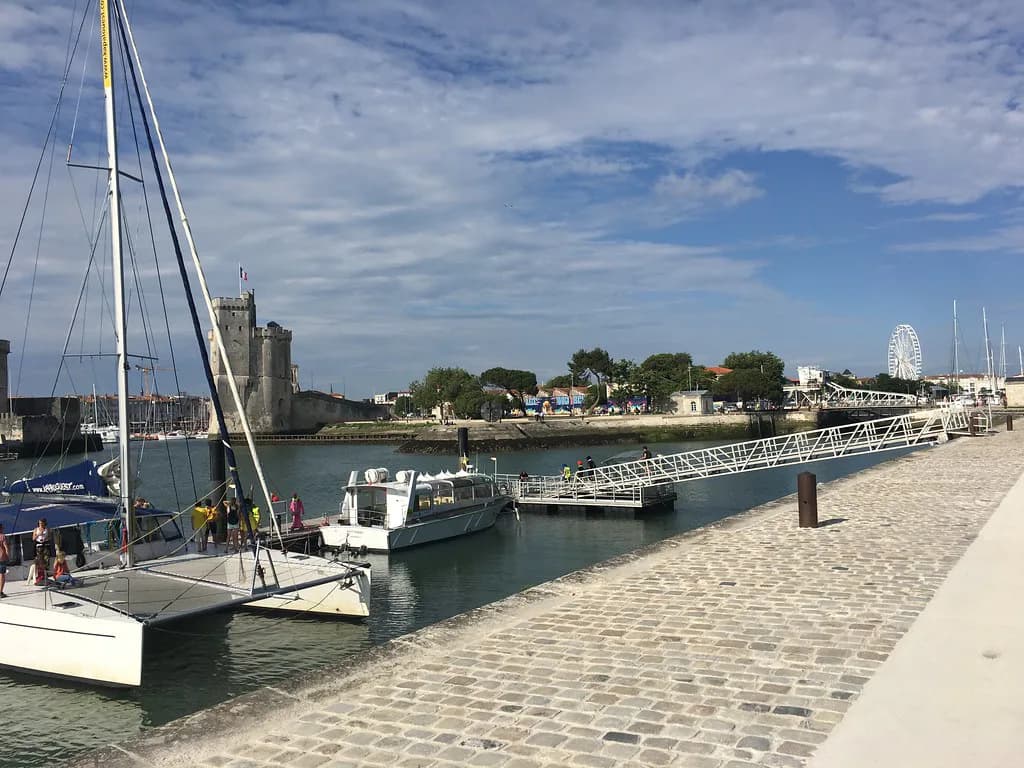
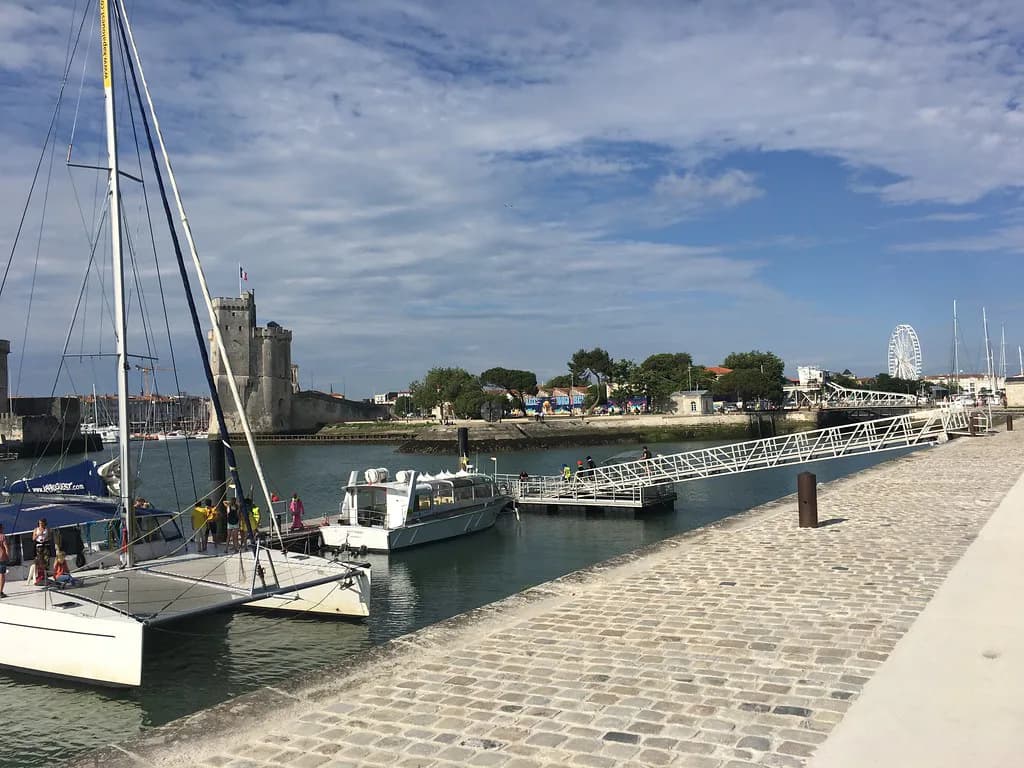
The other complication is that a summer day in La Rochelle moves between three settings. You might start on the sand at the Plage de la Concurrence, walk the arcaded streets of the old town, then eat dinner around the Vieux-Port. Packing for that day means planning one wardrobe that works in sand, on cobbles, and at a table by the water.
Everything below is an editorial suggestion rather than a rule, and nothing here should be read as a dress code for any venue. Where a requirement actually exists, it is set by the operator or authority in question, and it is worth checking with them directly rather than with a packing guide. The aim is simply to help you build a light bag that handles all three parts of a La Rochelle summer day.
What La Rochelle's Summer Climate Actually Feels Like
Historical seasonal patterns along this stretch of the Charente-Maritime coast point to a mild, bright climate, with July and August described as hot by local standards rather than extreme. The Atlantic breeze is a genuine and near-constant feature, and it is the reason a warm day can feel noticeably cooler out on the water or along the harbour wall. Treat these as tendencies built up over past summers, not as a forecast for your specific dates.
The sea is generally considered swimmable from late June through September, though it is never particularly warm. That matters for packing because you want swimwear that you can actually get into without a long warm-up, and a cover-up you can pull on the moment you leave the water. A dry, quick-drying layer for the walk back is more useful here than a heavy towel wrapped around your shoulders.
Rain can arrive quickly and unexpectedly at any point in the season, and the city's covered arcades exist partly because of it. A local saying treats the weather as unpredictable enough that an umbrella or waterproof jacket belongs in the bag regardless of the month. This is the single strongest argument for a packable shell rather than relying on a sunny morning.
Start With Breathable Base Layers
In a hot, bright coastal summer, the fabrics closest to your skin do most of the work. Linen and lightweight cotton move air well and dry reasonably fast, which suits a day that may include sand, sweat, and sea spray. They crease, but in a casual seaside town that matters far less than staying comfortable through a long afternoon outdoors.
Light merino is the alternative worth considering if you plan to be on the water or on a bike early in the morning. A thin merino layer takes the edge off a cool harbour morning without overheating once the sun is fully up, and it keeps some insulating value even when damp with sweat or salt air. For most people, one merino piece alongside two or three linen or cotton pieces is a sensible split.
Build your base layers around a small neutral palette so every top works with every bottom you bring. Choosing breathable fabrics is the standard advice for summer in France generally, and it is doubly relevant on a coast where you may change clothes twice in a day. Three or four tops in colours that all match one pair of trousers and one pair of shorts will carry you further than a larger, less coordinated pile.
The One Layer You Will Actually Use
If you pack only one extra layer for La Rochelle in summer, make it a lightweight windproof shell that also shrugs off rain. The near-constant Atlantic breeze is what makes a warm day feel cool on the water, so this is not a winter item smuggled into a summer bag. It is the piece that lets you sit outside in the evening or take a boat trip without cutting the day short.
Deciding between a jacket, an umbrella, and both comes down to how you plan to move. A packable jacket keeps both hands free on a bike, which suits a flat, cycle-friendly town, while a small umbrella is lighter and quicker for a sudden shower on foot. If you are only bringing one, the jacket is the more versatile choice here, since it also handles the wind that an umbrella cannot.
For cooler evenings, add a single mid layer that fits under the shell: a light knit, a thin cardigan, or a long-sleeve linen shirt. Layered pieces for cooler evenings are a standard part of summer packing for France, and on this coast the evening temperature drop after a warm day is exactly where that layer earns its place. One mid layer is enough; two simply adds weight for no gain.
Sun Protection Beyond Swimwear
Sun on this coast is stronger than the latitude suggests, largely because the breeze disguises how much exposure you are getting. You can spend an entire afternoon outdoors without feeling uncomfortably hot, then find you have burned. Pack sun protection as a core item rather than an afterthought, and reapply through the day rather than once in the morning.
A sun hat and sunglasses are the two accessories that change how long you can comfortably stay outside. A broad-brimmed hat keeps sun off your face and neck during a long beach session, and a packable version survives being squashed into a day bag. Sunglasses matter doubly on the water, where glare off the sea adds to direct sunlight.
A light cover-up does more work here than a beach-only garment would suggest. It gives you something to pull on over swimwear for the walk from the Plage de la Concurrence back to your hotel, and it is often enough for a casual harbour-front dinner when paired with sandals. Choose one that dries quickly and does not look obviously like beachwear, so it can cover both jobs.
Footwear Trade-Offs for Sand, Cobbles and Cycle Paths
La Rochelle's old town is dense, pedestrianised, and crossed by arcaded stone streets that can be slick when wet. The town is also very flat and very easy to cycle, which means your shoes may need to handle sand, cobbles, and pedals in the same trip. No single pair does all three well, so plan on two.
For the first pair, sandals or espadrilles are the natural summer choice and work well for beach days, casual lunches, and warm evenings. Espadrilles are a classic French summer staple and pack flat, which makes them easy to justify. The trade-off is grip and support: on wet arcade stone or loose sand they are not the most secure option.
For the second pair, bring closed shoes with a proper sole and decent grip, whether that is a lightweight trainer or a comfortable walking shoe. These handle the cobbled streets, longer walks out towards Les Minimes, and any cycling you do. If you only have room for one pair of closed shoes, choose the one you can walk several hours in rather than the one that looks best.
Swim and Beach Kit for the Plage de la Concurrence
The Plage de la Concurrence sits close to the centre, which is exactly why you should carry a small beach kit rather than hauling everything from the hotel. A single swimsuit, a quick-drying towel, sun protection, and your cover-up cover a full beach session. Everything else can stay behind.
One swimsuit plus a spare is generally enough for a summer trip, since swimwear dries overnight in warm weather. Choosing something you can also cycle or walk in comfortably is worth the thought on this coast, where a swim and a bike ride often land on the same day. A wet swimsuit sealed in a separate bag keeps the rest of your day bag dry.
Leave the bulky beach towel at home and bring a compact, fast-drying one instead. The same logic applies to beach chairs, large sunshades, and anything inflatable: the beach is minutes from the old town, so you can return to your room easily. A small day bag with a waterproof pouch for phone and keys is more useful than a full beach setup.
Day-to-Evening Transition at the Port
The shift from beach to harbour dinner is the packing problem most visitors underestimate. Damp swimwear and salty skin do not transition into an evening by the water, so plan to change properly rather than layering over what you wore all afternoon. A dry outfit kept clean for the evening is the simplest solution.
A useful evening combination is a linen or cotton dress or shirt, the closed shoes or espadrilles you already brought, and your light mid layer for when the breeze picks up after sunset. This is an editorial suggestion, not a requirement, and harbour-front venues set their own expectations, so check directly with anywhere you have specifically booked. In practice, La Rochelle's dining scene is relaxed and a tidy, dry outfit is more than sufficient.
One extra habit helps on port evenings: the waterfront is where petty theft most often happens in summer, along with the market and the beach. Keep bags zipped and close, and avoid leaving anything unattended on the sand while you swim. That is a practical caution rather than a reason to change what you pack.
A Compact Packing Example for a Week
For a week in La Rochelle in summer, a workable base is three or four breathable tops, one pair of linen or lightweight trousers, one pair of shorts, two dresses or one dress and one lightweight shirt, one swimsuit plus a spare, and one cover-up. Add one light mid layer, one windproof shell, and two pairs of shoes. This is a worked example, not a rule, and you can adjust it to how often you are willing to do laundry.
Re-wearing is the mechanism that makes a small bag work. Tops worn for a morning of sightseeing can often be worn again the following day if they are aired overnight, while anything that has been in the sea should be rinsed and dried before it goes back into rotation. Building every outfit from the same neutrals means nothing sits unused at the bottom of the bag.
If your plans include a day across the bridge, a slightly different kit applies, and it is worth checking what to pack for an Ile de Ré day trip from La Rochelle before you finalise the bag. Cycling gear, a wind layer, and a picnic setup feature more heavily there than they do in town. Keeping that day's items in one pouch makes it easy to swap in and out.
What to Leave Behind
Heavy denim and thick knits are the first things to cut. They take up space, dry slowly in humid coastal air, and you are unlikely to want them on a bright summer day even with the breeze. If you want one warmer piece, the light mid layer already covers it.
An overpacked shoe collection is the second common mistake. La Rochelle's centre is small and pedestrianised, and you will likely walk more than you expect, so two well-chosen pairs beat five that you never wear. Anything you would not walk several hours in should probably stay home.
Finally, leave the bulky towel and the full beach setup behind, along with any clothing that only works in one of the three settings. The whole point of packing for La Rochelle in summer is that each item should serve the beach, the old town, or the port without needing a second bag. A lighter bag also makes the flat, cyclable streets and the walk out towards Les Minimes considerably more pleasant.
Check the Forecast Before You Leave
Everything in this guide describes historical seasonal tendencies, not a prediction for your travel dates. A week before departure, check a reliable forecast for La Rochelle and adjust quantities and layers rather than the overall approach. If a cooler, wetter pattern is showing, add a second mid layer; if it looks consistently hot, drop one.
It is also worth checking whether anything specific is running during your dates, since the city fills for major events and accommodation and transport get tighter. The mid-July music festival is the obvious example, and its dates shift, so confirm them with the organiser rather than assuming. For a sense of how the same wardrobe changes in a cooler month, what to wear in La Rochelle in November is a useful contrast.
If your trip sits at the edge of the season and you are unsure whether to lean toward beach kit or cooler-weather layers, what to wear in La Rochelle in September covers the transition period. Between the two, you can calibrate the same core wardrobe to whatever the forecast actually shows. That is a far better use of an hour than guessing from a seasonal average.
Plan Your Visit
La Rochelle in summer rewards a small, coordinated wardrobe over a large one. Build around breathable base layers, add one windproof shell and one light mid layer, protect against sun that is stronger than the latitude suggests, and bring two pairs of shoes that between them cover sand, cobbles, and a bike. Everything else is optional.
Check the forecast for your actual dates before you pack, confirm any event dates with the organiser, and verify venue-specific expectations directly with the venue rather than relying on general advice. With that done, the same compact bag will carry you from the Plage de la Concurrence to the arcades and on to dinner at the Vieux-Port without a second thought.
Frequently Asked Questions
Is La Rochelle warm in summer?
Historical seasonal patterns describe July and August as hot by local standards, with bright sun and a near-constant Atlantic breeze. That breeze is what makes a warm day feel cooler on the water and along the harbour. Conditions vary year to year, so check the forecast for your travel dates rather than relying on a seasonal average.
What should I wear in La Rochelle in July and August?
Breathable fabrics such as linen, cotton, and light merino work best for the daytime heat. Add a windproof shell and one light mid layer for breezy evenings on the water, plus a sun hat and sunglasses. Swimwear and a quick-drying cover-up cover beach sessions and the walk afterwards.
Do I need a jacket in La Rochelle in summer?
A lightweight windproof shell that also handles rain is worth packing even in midsummer. The Atlantic breeze is near-constant and can make a warm day feel cool on the water, and rain can arrive quickly. A packable jacket is generally more versatile here than an umbrella because it keeps both hands free.
What shoes should I pack for La Rochelle?
Two pairs cover most trips: sandals or espadrilles for beach days and warm evenings, plus closed shoes with decent grip for cobbles, arcades, and cycling. The old town's stone streets can be slick when wet, and the town is flat and easy to cycle. Choose the closed pair based on how far you can comfortably walk in them.
Can you swim in La Rochelle in summer?
The sea is generally considered swimmable from late June through September, though it is never particularly warm. Swimming conditions, currents, and any local arrangements change with weather and season, so check current guidance locally before entering the water. Bring swimwear you can also walk or cycle in comfortably.
What should I pack for a week in La Rochelle in summer?
A workable base is three or four breathable tops, one pair of lightweight trousers, one pair of shorts, two dresses or one dress and a lightweight shirt, one swimsuit plus a spare, a cover-up, one light mid layer, one windproof shell, and two pairs of shoes. Re-wear items that have only been worn indoors or aired overnight, and rinse anything that has been in the sea.
What should I leave behind when packing for La Rochelle?
Leave heavy denim, thick knits, bulky towels, and an oversized shoe collection at home. Humid coastal air means heavy fabrics dry slowly, and the centre is small enough that you will rarely need more than two pairs of shoes. A compact beach kit beats a full beach setup because the main beach is close to the old town.
Sources
Free: The Ultimate Packing Cheat Sheet
A carry-on capsule wardrobe, the complete packing checklist, layering made simple, and what to wear by season — one printable page you'll use on every trip.
You might also like


Continue reading
More guides you'll find useful