
Labuan Bajo Packing List: Boat Days, Komodo & Town
Pack for Labuan Bajo with quick-dry layers, boat-day kit, sun and saltwater protection, the right footwear and a bring-or-rent plan for Komodo.
On this page
Labuan Bajo weather month by month
Typical conditions from 30 years of daily weather data — use it to see how much to pack for the month you are travelling.
| Month | High / low | Days with rain | Afternoon humidity | Daylight |
|---|---|---|---|---|
| January | 28° / 25°C (82° / 76°F) | 10 in 10 days | 79% | 12.4 h |
| February | 28° / 24°C (82° / 76°F) | 9 in 10 days | 79% | 12.3 h |
| March | 28° / 25°C (82° / 76°F) | 9 in 10 days | 76% | 12.1 h |
| April | 29° / 25°C (83° / 77°F) | 7 in 10 days | 73% | 11.8 h |
| May | 29° / 25°C (83° / 77°F) | 4 in 10 days | 70% | 11.6 h |
| June | 28° / 24°C (83° / 76°F) | 2 in 10 days | 67% | 11.5 h |
| July | 28° / 24°C (82° / 74°F) | 1 in 10 days | 64% | 11.6 h |
| August | 28° / 23°C (83° / 74°F) | 1 in 10 days | 62% | 11.7 h |
| September | 29° / 24°C (84° / 75°F) | 2 in 10 days | 64% | 12 h |
| October | 29° / 25°C (85° / 77°F) | 5 in 10 days | 67% | 12.2 h |
| November | 29° / 25°C (85° / 78°F) | 8 in 10 days | 71% | 12.4 h |
| December | 28° / 25°C (83° / 77°F) | 9 in 10 days | 76% | 12.5 h |
Travelling on specific dates? Use our What to Wear Planner for the weather, outfits and a packing list for your exact days in Labuan Bajo.
Averages for 1991-2020, modelled from Copernicus ERA5-Land and ERA5 reanalysis via Open-Meteo open data (CC BY 4.0), adjusted to Labuan Bajo's elevation. Modelled afternoon highs can read 1–2°C below airport weather-station records.
Labuan Bajo is the port town on Flores where you sleep; Komodo National Park is where you go, and everything between the two is boat time. That single fact does most of the work when you are deciding what to pack, because you are not packing for a beach resort so much as for a series of transfers across open water. The islands themselves are dry savanna with very little shade, so your clothing has to handle both spray and full sun.
A typical Komodo trip mixes three different days, and each one asks something different of your bag. There is the boat and snorkel day, where you get wet repeatedly and dry mostly in the wind; the trek day at Padar or a ranger walk at Komodo or Rinca, where the ground is loose, dusty and steep in places; and the relaxed town evening back in Labuan Bajo. Packing around those three rather than around a flat checklist is what stops you carrying things you never touch.
Start with materials, not quantities. Anything that stays damp against your skin in humid coastal heat becomes unpleasant by mid-morning and heavy in your bag by the afternoon, so the useful test for every garment is how fast it dries and how it behaves after being wetted by sweat or sea spray. Once that is settled, the rest of the list is small.
Start With the Trip Shape, Not the Checklist
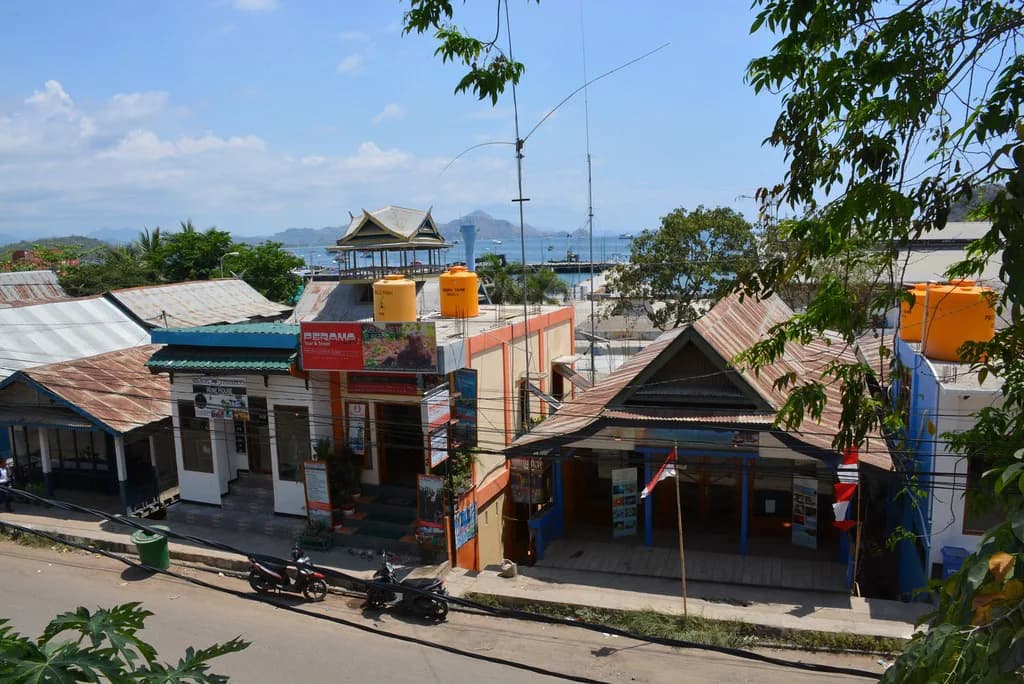
Labuan Bajo sits on the edge of the Flores Sea and functions as a working harbour town, which means casual clothing, seafood restaurants and a steady turnover of dive boats. The surrounding islands inside Komodo National Park are the opposite of the rainforest many visitors picture when they think of Indonesia: they are brown grass hills with scattered palms and almost no shade at the viewpoints or on the trails. Packing for both a humid port and a dry, exposed island in the same bag is the core challenge.
The dry season runs roughly April to November and the hills turn brown and exposed as it progresses, while the wetter months tend to bring choppier crossings between town and the park. Treat these as historical seasonal tendencies rather than a forecast for your dates, because a single wet week can land inside any month. Check the forecast in the days before you fly rather than relying on a seasonal rule.
Boat time is the variable most people underestimate. A day trip can mean six to twelve hours on the water, and a liveaboard stretches that over several nights, which changes how much you carry and how you carry it. Soft bags store better in small cabins and are easier to hand across a gangplank than a rigid suitcase.
The Core Wardrobe: Quick-Dry Base, One Sun Layer, One Cover-Up
The working wardrobe is small: three or four quick-drying tops, two or three pairs of light shorts, one long-sleeve sun shirt or hoodie, one light pair of trousers, a cover-up or sarong, and a light windbreaker. The sun layer earns its place because there is no shade on the islands, and it can be worn over swimwear on the boat and on the trail. One pair of long trousers covers two separate needs: mosquitoes at dusk and modest coverage in town or at a village.
A sarong or light cover-up is the most versatile single item in the bag, working as a beach layer, a towel substitute in a pinch and a modest wrap when you leave the boat. Merino or synthetic blends stay wearable across several days of salt air and heat. This is an editorial suggestion rather than a rule about what locals wear; Labuan Bajo is a relaxed port town and beachwear is fine on boats and at resorts.
Why Cotton Fails Here
Cotton is comfortable on the first wearing and then works against you. In humid coastal heat it holds sweat, and once it has been wetted by a shore landing or a spray-soaked crossing it stays damp and heavy for hours rather than drying in the wind. That directly affects how much you pack, because a garment that dries overnight can be worn again the next morning.
Synthetic and merino blends dry far faster and can be rinsed and re-worn, which is why a smaller bag works here than the trip length suggests. Denim is the worst offender and is not worth the weight. The same fabric logic applies to humid trips elsewhere in Indonesia even when the terrain is entirely different, so a quick-dry wardrobe you already own for those trips will work here.
Three Day Types, Three Outfits
On a boat and snorkel day, wear swimwear under a quick-dry top and shorts, add the long-sleeve sun shirt when you are not in the water, and keep a cover-up and quick-dry towel within reach. Take the motion sickness remedy before boarding rather than after symptoms start, because the crossing between town and the park can be rough in small boats. A dry bag and a waterproof phone case belong in the day bag, not the cabin.
On a trek day, the outfit shifts toward coverage and grip: light long trousers or shorts you can move in, a quick-dry top, the sun shirt, and closed shoes with proper tread. The Padar climb usually starts before dawn to catch sunrise and avoid the heat, so a headlamp and a light layer for the one cool hour are worth having. The surface is loose and dusty in the dry season, and the ground at the ranger walks is dry scrub.
For a town evening, the same quick-dry base works if it is clean, plus the trousers and a pair of sandals. Formal clothing is unnecessary, and dress shoes are a poor use of weight. A light windbreaker comes into its own on an evening boat deck or in air-conditioned spaces.
Footwear: Three Roles, Not One Pair
Treat footwear as three jobs rather than one purchase. Closed shoes or trail runners with grip for the Padar climb and the Komodo and Rinca ranger walks; water shoes or strapped sport sandals for rocky shore landings and coral rubble; and flip-flops or slides for the boat deck, the resort and town. Flip-flops as your only pair is the classic way to turn an ankle on steep, dusty, in places slippery steps.
Break in new walking shoes before you travel rather than on the trip, because blisters on a boat day are miserable. Closed-toe water shoes also protect feet during shallow reef walking, where coral rubble is sharp. If you plan cave or waterfall stops inland, closed shoes with grip are the better choice.
Sun and Saltwater Protection
This is a destination where people get burned reliably, because the reflection off water and pale sand adds to direct equatorial sun and there is nowhere to hide on the islands. Bring high-factor reef-safe sunscreen, a wide-brimmed hat with a chin strap so it survives boat transfers, polarised sunglasses with a retainer so they stay on your face over water, and an SPF lip balm. Reef-safe matters here because the snorkelling is the reason many visitors come.
Plan to use more sunscreen than you expect, particularly on boat days with repeated sun exposure over six to twelve hours. After-sun lotion or aloe is worth carrying for the spots everyone misses. A rash guard handles sun protection and jellyfish stings during extended snorkel sessions.
Boat-Day Kit That Earns Its Space
The boat-day bag is where most packing mistakes show up. A 20-litre dry bag for electronics is close to essential rather than merely cautious, because salt spray and unexpected splashes end phones and cameras regularly on these trips. Add a waterproof phone pouch tested for leaks before you travel, a quick-dry travel towel that outperforms anything supplied on board, and a power bank because charging access on boats is often shared or limited.
Cash in Indonesian rupiah is genuinely useful, since park fees are paid separately from many tours and small vendors, tips and purchases are often cash-only, and ATMs in town can be unreliable in peak season. Confirm with your operator what is included in your trip and what you need to pay directly, since park fee structures have changed more than once in recent years. A headlamp is worth having for pre-dawn starts and for moving around a liveaboard deck at night.
Snorkelling and Diving Choices
The main decision is how much of the kit to bring versus rent. Many operators and liveaboards supply basic mask, snorkel and fins on board, but a personal mask and snorkel give a better fit and cleaner hygiene, and a leaking mask ruins an hour of good snorkelling. Test the mask at home before you travel.
Bring a reef-safe rash guard for long sessions in the water, and decide on fins based on how often you plan to be in the sea; full-foot fins are simpler, while open-heel with booties suit rocky entries. Divers should carry certification in physical and digital form, and ask their operator about wetsuit thickness for the sites they plan to dive. Confirm rental availability, condition and cost directly with your chosen operator rather than assuming it will be on the boat.
Health and Comfort for Humid Heat
Tropical heat and a long trek day make dehydration a real risk, so electrolyte sachets and more water than the boat provides are worth carrying. Insect repellent is useful for dusk mosquitoes in town and on anchored boats. A small first-aid kit with plasters, antiseptic wipes and blister treatment covers the minor injuries that actually happen on dusty trails and coral shores.
Bring any prescription medication you depend on for longer than your trip in case of delays, kept in its original packaging. The nearest hospital to the park is in Labuan Bajo and is a basic facility, so anything serious is a longer journey. Check current health guidance with a qualified medical source before you travel rather than relying on a packing guide for medication or vaccination decisions.
Bring From Home Versus Buy or Rent Locally
Most snorkel or dive gear can be rented in Labuan Bajo, so the honest split is personal items versus bulk. Personal masks and snorkels are worth packing for fit and hygiene; fins, wetsuits and tanks are usually easier to rent than to carry. Safety and eco items are the other category worth bringing, because reef-safe sunscreen, a first-aid kit and your own prescription medication are easier to source at home.
Things you can reasonably leave until you arrive include ordinary toiletries, a spare hat or cheap flip-flops, and any gear your operator has already confirmed it provides. Ask your operator directly what is included rather than packing for a worst case and then carrying it across a gangplank. Cash is the one thing to bring or withdraw before arrival.
A Compact Packing Example for Three to Four Nights
For a three- to four-night trip, think in outfit cycles rather than in days. Three quick-dry tops, two pairs of shorts, one swimsuit rotation of two sets, one sun shirt, one pair of trousers, one cover-up, one windbreaker, and a single set of footwear in each of the three roles. Because quick-dry fabric can be rinsed and re-worn, that covers a mixed boat-and-trek itinerary without laundry.
A day trip scales this down sharply: one outfit plus swimwear, one pair of walking shoes and one pair of sandals, the dry bag, the towel and the sun kit. A liveaboard scales it up in fabric and down in luggage: three or four outfit changes, two or three swimsuits, and the same three footwear types in a soft duffel. The constant across all three is that your bag has to survive being handed across a boat.
What to Leave Behind
Leave denim and heavy cotton, because they stay damp and heavy in this humidity and take up space you need for quick-dry layers. Leave formal clothing and dress shoes, since even the nicest restaurants in town are casual. Leave a hard suitcase if you are joining a liveaboard, because rigid cases are awkward to store and impractical on deck.
Leave duplicate gear you can rent, and leave conventional sunscreen if it contains reef-damaging ingredients given how much time you will spend over coral. Leave the assumption that you need rainforest kit; these islands are dry savanna. That said, a light rain layer is worth keeping for the wetter months and for a passing squall on the water.
Village and Temple Etiquette
Flores is predominantly Catholic and Labuan Bajo is a relaxed port town, so the practical default is simply to cover up more than you would on the boat. Light trousers and a sarong or cover-up are the sensible items to have with you when you leave the waterfront or visit a village. Treat this as a respectful suggestion rather than a fixed rule, and follow whatever guidance is given on site.
For the ranger walks with the Komodo dragons, closed shoes and long trousers are the practical choice for dry scrub and sun, and the instruction from the ranger leading your group is what governs your behaviour. Stay with the group and keep the distance you are told to keep rather than moving off to photograph an animal. Dress for coverage and comfort, and let the guide set the rest.
Before You Leave
Check the current forecast for Labuan Bajo in the days before departure rather than trusting a seasonal average, since wet weeks can appear inside the dry season and the crossings get rougher in wetter months. Then confirm with your operator what is provided on your specific trip: snorkel gear, towels, wetsuits, drinking water and meals vary widely between day boats and liveaboards. Ask directly about life jackets, radios and what safety equipment is carried, rather than assuming.
Finally, sort out cash and park fees before you are on the water. Park entry fees are typically paid separately from your tour and the structure has changed more than once, so confirm with your operator what is included and bring enough rupiah for the difference and for tips. For a month-by-month view of layers and rain planning, the November guide is a useful companion.
Plan Your Visit
The whole list reduces to a few decisions: quick-dry fabric over cotton, one sun layer that can go over swimwear, three footwear roles instead of one pair, and a compact boat-day kit built around a dry bag. Everything else is adjustable once you are there, because most snorkel and dive gear can be rented locally and ordinary supplies are available in town.
Confirm with your operator what is provided before you pack, check the forecast in the days before you fly, and carry enough rupiah for fees and tips. Pack for the three day types and a soft bag that survives a gangplank, and the humidity, sun and saltwater stop being a problem you are solving mid-trip.
More packing guides for Indonesia
- Sun and Saltwater Packing for Labuan Bajo Boat Days
- What to Wear in Labuan Bajo Villages and Religious Sites
- What to Wear Hiking Padar Island: Footwear, Sun and Layers
- What to Wear in Labuan Bajo in April: Packing Guide
- What to Wear in Labuan Bajo in July: Wind and Sun Layers
- What to Wear in Labuan Bajo in November: Packing Guide
- What to Wear on a Komodo Island Boat Trip
- Yogyakarta Packing List for Temples, Humidity and Volcano Mornings
Frequently Asked Questions
What should I wear in Labuan Bajo?
Lightweight, quick-drying tops and shorts cover most situations, with one long-sleeve sun shirt for boat decks and trails and one light pair of trousers for evenings and modest coverage. Labuan Bajo is a relaxed port town, so casual clothing works almost everywhere. Beachwear is fine on boats and at resorts, but covering up a little more when you leave the waterfront is a practical and respectful default.
Do I need hiking shoes for the Padar Island trek, or will sandals do?
Closed shoes with grip are the sensible choice for the Padar climb and for the ranger walks. The trail is steep and loose, and in the dry season it is dusty and slippery in sections, so flip-flops or loose sandals are a poor fit and are a common cause of turned ankles. Strapped sport sandals with tread can work for easier ground, but proper grip matters on the steps, especially on a pre-dawn start.
How much sunscreen should I pack for a Komodo boat trip?
Plan for more than you think you need, because boat days involve repeated sun exposure over many hours with no shade and reflection off water and pale sand. Bring high-factor reef-safe sunscreen and reapply through the day, plus an SPF lip balm and after-sun for missed spots. Whether your operator supplies any on board is not standard, so confirm directly and pack what you rely on.
Can I rent snorkelling gear in Labuan Bajo instead of bringing my own?
Most snorkel and dive gear is available to rent locally or is supplied by operators and liveaboards, but the fit and hygiene of a personal mask and snorkel are the main reasons to bring your own. Wetsuits, fins and dive equipment are usually the easiest things to rent given baggage limits. Ask your specific operator what is included and what the rental condition is, since this varies between day boats and liveaboards.
What should I wear for the Komodo dragon ranger walk?
Closed shoes and light long trousers are the practical choice for dry, sun-exposed scrub. The walk is led by a ranger and the group guidance is what governs distance and behaviour, so stay with the group and follow instructions rather than moving off to photograph an animal. Dress for coverage, sun and comfort, and let the guide set the rest of the decisions.
Do I need a windbreaker or jacket in Labuan Bajo?
A light windbreaker is worth packing for breezy boat decks in the early morning and after sunset, and for a passing squall on the water. You do not need heavy insulation, because there is no genuinely cool weather to plan for. A single light layer that packs small covers the one cool hour before a pre-dawn Padar start and any air-conditioned spaces.
How much cash in rupiah should I bring for park fees and tips?
That depends on your itinerary and what your tour already includes, so confirm with your operator what is covered and what is paid separately. Park entry fees are typically paid separately from many tours and small vendors, tips and purchases are often cash-only. ATMs in town can be unreliable in peak season, so withdraw enough before you rely on them.
What should I leave behind when packing for Labuan Bajo?
Leave denim and heavy cotton, formal clothing and dress shoes, and a hard suitcase if you are joining a liveaboard. Leave duplicate gear you can rent locally, and leave the assumption that you need rainforest kit, because these islands are dry savanna with very little shade. Keep a light rain layer for the wetter months, and keep flip-flops as a second pair rather than your only footwear.
Sources
Free: The Ultimate Packing Cheat Sheet
A carry-on capsule wardrobe, the complete packing checklist, layering made simple, and what to wear by season — one printable page you'll use on every trip.
You might also like


Continue reading
More guides you'll find useful


