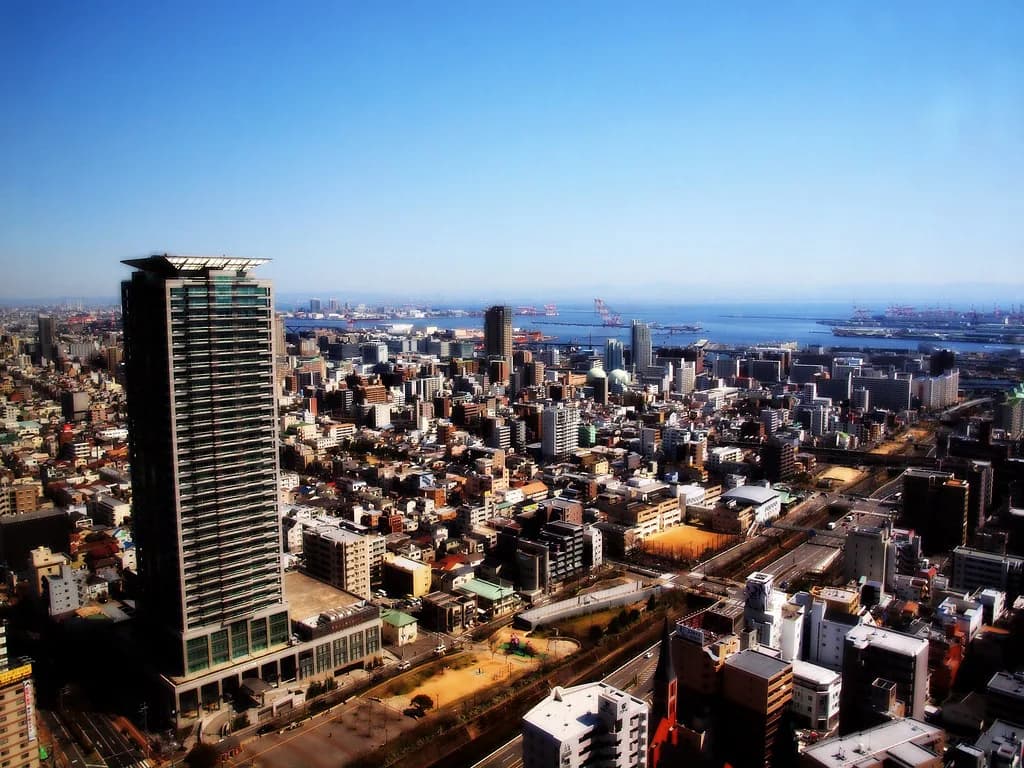
Kobe Packing Guide: Layers for Harbor Wind and Hill Walks
Pack for Kobe with layers for harbor wind, Kitano slopes, and indoor-outdoor swings. A compact spring or autumn capsule with the right shoes and rain gear.
On this page
Kobe weather month by month
Typical conditions from 30 years of daily weather data — use it to see how much to pack for the month you are travelling.
| Month | High / low | Days with rain | Afternoon humidity | Daylight |
|---|---|---|---|---|
| January | 8° / 2°C (47° / 35°F) | 2 in 10 days | 55% | 9.9 h |
| February | 9° / 2°C (49° / 35°F) | 3 in 10 days | 53% | 10.7 h |
| March | 13° / 5°C (55° / 40°F) | 3 in 10 days | 52% | 11.7 h |
| April | 18° / 10°C (64° / 49°F) | 4 in 10 days | 54% | 12.9 h |
| May | 22° / 15°C (72° / 59°F) | 4 in 10 days | 58% | 13.8 h |
| June | 26° / 19°C (78° / 67°F) | 5 in 10 days | 64% | 14.3 h |
| July | 29° / 24°C (84° / 75°F) | 5 in 10 days | 68% | 14.1 h |
| August | 31° / 25°C (87° / 77°F) | 4 in 10 days | 64% | 13.3 h |
| September | 27° / 21°C (81° / 70°F) | 4 in 10 days | 62% | 12.2 h |
| October | 22° / 15°C (71° / 60°F) | 3 in 10 days | 60% | 11.1 h |
| November | 16° / 10°C (61° / 49°F) | 3 in 10 days | 58% | 10.1 h |
| December | 11° / 5°C (51° / 40°F) | 2 in 10 days | 57% | 9.7 h |
Travelling on specific dates? Use our What to Wear Planner for the weather, outfits and a packing list for your exact days in Kobe.
Averages for 1991-2020, modelled from Copernicus ERA5-Land and ERA5 reanalysis via Open-Meteo open data (CC BY 4.0), adjusted to Kobe's elevation. Modelled afternoon highs can read 1–2°C below airport weather-station records.
Packing for Kobe is less about hitting one temperature target and more about handling quick changes. A single day can move from a sheltered Sannomiya street to an exposed waterfront promenade, then up the Kitano slopes and back through a heated station concourse.
Kobe sits between the sea and the Rokko mountains, and that geography shapes how the air feels as you move through the city. The practical response is a small set of layers you can add or remove in seconds, plus shoes that stay comfortable on both pavement and inclines.
Everything below is an editorial suggestion for clothing and gear, not a dress code or a claim about what all locals wear. Check the forecast before departure and verify any operator or venue requirements directly with the operator or venue.
Kobe's Seasonal Tendencies and What They Mean for Packing
Kobe has a temperate, four-season climate, with spring warming gradually and autumn cooling steadily. According to one weather reference, spring temperatures tend to rise from roughly 9°C (about 48°F) to 18°C (about 64°F) and autumn tends to drop from roughly 24°C (about 75°F) to 13°C (about 55°F), with rain possible in both transitional seasons. Treat these as historical tendencies rather than a forecast for your dates.
That range matters because it spans several outfit categories. A spring day can feel genuinely cool in the morning, while an autumn afternoon calls for a lighter base layer. Packing for the middle of the day alone is the most common mistake. Kobe experiences four seasons, with spring and autumn offering pleasant temperatures for exploring, while summer is hot and humid and winter is cool. Comfortable walking shoes are essential year-round, and layering is key since temperatures can shift throughout the day and between indoor and outdoor spaces. A compact umbrella or light raincoat is useful because rainfall is possible in any season.
Rather than pack a separate wardrobe per season, build around one base layer, one mid layer, and one outer layer that work together. For a focused look at cooler autumn colour and fabric choices, see what to wear in Kobe in November, and for the spring shoulder season, see what to wear in Kobe in April.
Because these are tendencies and not predictions, check a reliable forecast for your travel dates in the days before you leave. If the forecast shifts cooler or wetter, add one insulating layer and one rain layer rather than repacking everything.
The Core Capsule: Clothing and Shoes for Sannomiya, Kitano, and the Waterfront
A compact Kobe capsule starts with two or three breathable tops, one mid layer such as a light knit or fleece, and one outer layer that blocks wind. A walking route through Sannomiya, Kitano's uphill slopes, Nankinmachi, and the harbor involves mixed terrain and repeated indoor-outdoor transitions, which is exactly what layered clothing handles well.
Choose trousers or a skirt with stretch over rigid denim if you expect long walking days. Stretch fabrics handle stairs, slopes, and train platforms with less restriction, and they dry faster if you get caught in a shower.
Footwear is the single highest-impact decision. Supportive sneakers or low-profile walking shoes cover most of the city, while a treaded sole helps on the steeper Kitano lanes and Rokko foothill paths. If you plan serious slope walking, compare options in this guide to Kobe Kitano and Rokko slope walking shoes.
Limit yourself to one pair of worn-in walking shoes plus a light packable alternative if your itinerary includes a dressier meal. New shoes are a risk on any walking-heavy trip, so break them in before you travel.
Harbor Wind and Waterfront Evenings: What to Add After Dark
Waterfront areas such as Meriken Park and Harborland are open and exposed, so the air can feel noticeably cooler than in the sheltered streets behind them. Even on a mild afternoon, an evening walk by the water benefits from a wind-resistant outer layer.
Add a light scarf and a compact outer layer you can carry in a tote or small backpack during the day. A scarf adds warmth without bulk and is easy to remove once you step back into a heated cafe or train car.
If your evening plans include a harbor-side dinner, a slightly more polished mid layer can replace the daytime fleece. The goal is one outfit that works from an afternoon walk to an evening meal without returning to your hotel.
Uphill Kitano and Rokko Foothill Walking: Footwear and Legwear Trade-Offs
Kitano's historic residential district sits uphill from central Kobe, and reaching it on foot means climbing streets and steps. This is where footwear choice becomes a comfort decision rather than a style one.
Sneakers with decent tread handle pavement and gentle slopes well, while trail-style shoes offer more grip on loose or damp surfaces. The trade-off is weight and bulk, so choose based on how much hill walking you actually plan.
For legwear, stretchy trousers or leggings move more freely on stairs than stiff fabrics. If you prefer skirts or dresses, pair them with supportive shoes and consider a longer hem for the climb.
Foothill walks toward areas such as the Nunobiki falls and herb garden involve more sustained uphill sections. If that is on your list, treat it as a walking day and dress accordingly rather than wearing your city outfit.
Rail Stations, Underground Concourses, and Indoor Heating: Layering for Quick Swings
Kobe's major stations and shopping areas connect through covered and underground passages, and interiors can be noticeably warmer than the street. Moving between these spaces means repeated add-and-remove cycles for your outer layer.
A zip or button front makes this easier than a pullover, because you can vent heat without fully removing the layer. Choose a mid layer that looks presentable on its own, so you are comfortable when you strip down indoors.
Keep small items such as a scarf, gloves, and a folded tote in one accessible pocket or pouch. Digging through a packed bag at a ticket gate slows you down and adds friction to an otherwise easy transit day.
If you travel onwards to other Japanese cities with similar maritime climates, a packing list for a cool maritime city such as the Hakodate packing list can help you compare layering approaches for different coastlines.
Rainy Spring Days: Compact Umbrella or Light Rain Shell
Spring in Kobe tends to bring more rainy days than the cooler months, so a rain plan belongs in the bag from the start. A compact umbrella and a light rain shell solve the same problem in different ways, and the better choice depends on your walking style.
A compact umbrella keeps your head and shoulders dry and packs small, but it occupies one hand and can be awkward in crowded streets. A hooded rain shell keeps both hands free and doubles as a wind layer, though it can feel warm during humid spells.
Whichever you choose, favour quick-drying fabrics over heavy cotton for trousers and tops. Denim dries slowly and stays damp against the skin, which is uncomfortable on a long sightseeing day.
Pack one small microfibre cloth or a packable bag cover if you carry a fabric tote. It keeps the inside of your bag dry when rain arrives without warning.
Autumn Day-to-Evening Layering Without Overpacking
Autumn in Kobe cools as the season progresses, and the gap between a warm afternoon and a cool evening is the main packing challenge. One insulating mid layer and one outer layer are usually enough to bridge that gap.
Start with a breathable base layer, add a light knit or cardigan for the afternoon, and keep a compact jacket for after sunset. This three-piece formula covers most autumn days without filling a suitcase.
A light trench or similar jacket bridges warm afternoons and cooler evenings while still looking tidy for a meal out. If you want a more detailed autumn outfit breakdown, see what to wear in Kobe in November before you finalise your layers.
If your trip extends into warmer months, the layering logic changes toward lighter fabrics and more sun protection. A guide to what to wear in Kobe in July covers that warmer-weather approach if your dates stretch that far.
The Compact 3-Day Capsule: A Kobe Example for Spring or Autumn
For a three-day spring or autumn trip, aim for a carry-on-sized capsule built around repeatable outfits. The example below is an editorial suggestion for a city-focused visit, not a requirement or a fixed rule.
Tops: three breathable short or long-sleeve shirts, one light knit or mid layer, and one slightly nicer top for a dinner. Bottoms: two pairs of stretchy trousers or one pair of trousers plus one skirt, plus one pair of leggings if you plan hill walking.
Layers: one compact wind-resistant jacket, one light rain shell or compact umbrella, and one scarf. Footwear: one worn-in pair of supportive walking shoes and, optionally, one lighter pair for evenings.
Accessories: one small crossbody or tote bag, a compact pouch for small items, and a reusable water bottle. Keep socks and underwear to three to four sets, and plan one laundry wash if the trip stretches longer.
What to Leave Behind When Packing for Kobe
Bulky items you will not use are the main cost of overpacking. Leave behind heavy coats that only suit deep winter, multiple pairs of rigid jeans, and a full set of formal shoes unless you have a specific commitment.
Skip a large umbrella if you are packing a compact one or a rain shell. Full-size umbrellas are awkward on trains and in shops, and a small umbrella handles most city rain.
Bring fewer tops and one more layer than you think you need. Layers are easier to adjust than a suitcase full of single-purpose garments, and they take up less space.
Before You Go: Check the Forecast and Confirm Requirements Directly
Historical climate information describes patterns, not the weather you will get. Check a reliable forecast for your travel dates in the days before departure and adjust your layers accordingly.
Any specific requirement, such as a dress code at a particular venue, baggage limits on your airline, or security rules at an attraction, should be confirmed with the operator or venue directly. Ask when you book or check the operator's current information.
If you are combining Kobe with other stops in western Japan, packing for a nearby city such as Hiroshima on a Hiroshima packing list follows a similar layering approach, so you can reuse most of the same capsule.
Plan Your Kobe Packing Around Transitions, Not Just Temperature
The most useful Kobe packing list is built around movement: from sheltered streets to exposed waterfront, from sea level to hillside lanes, and from cool outdoor air to heated interiors. Layers you can adjust quickly and shoes that handle both pavement and slopes will do more for your comfort than any single garment.
Start with the core capsule, choose your rain strategy, and check the forecast before you travel. Anything specific to a venue or operator is worth confirming with them directly rather than assuming.
More packing guides for Japan
- Kobe Cruise Port Embarkation Day Packing Guide
- Kobe's Kitano Slopes and Rokko Foothills: What Shoes to Pack
- What to Pack for a Kobe to Arima Onsen Day Trip
- Event Day Packing for Kobe's Port Island and Rokko Island
- Packing for Kobe in June: Rainy Season Gear and Outfits
- Kobe Harbor and Waterfront Wind Clothing Guide
- What to Wear in Kobe in April: Layers for Showers and Cool Evenings
- What to Wear in Kobe in January: Winter Packing Guide
- What to Wear in Kobe in July: Humidity and Indoor Chill
- What to Wear in Kobe in November: Autumn Packing Guide
- Takayama Packing List: Layers, Footwear and Rain Gear
- Nikko Packing List: Layers, Footwear, and Rain Gear for Shrines and Mountains
Frequently Asked Questions
What shoes should I pack for Kobe?
Supportive walking shoes or sneakers with decent tread are the best default for Kobe, because a typical day mixes pavement, station walking, and uphill lanes in areas such as Kitano. If you plan more serious foothill walking, a grippier trail-style shoe helps on damp or loose surfaces, at the cost of some weight and bulk. Above all, pack shoes you have already broken in.
Do I need a rain jacket for Kobe in spring?
Spring in Kobe tends to bring more rainy days than the cooler months, so some rain protection is worth carrying. A compact umbrella and a light rain shell both work; the umbrella is lighter to stash, while a shell keeps your hands free and doubles as a wind layer. Choose one and rely on the forecast rather than packing both heavy options.
How should I layer for Kobe's harbor wind?
Use a three-layer system: a breathable base, a light mid layer, and a wind-resistant outer layer you can stow in a bag. Waterfront areas such as Meriken Park and Harborland are open and exposed, so the air can feel cooler than in the streets behind them. Adding a light scarf gives extra warmth without much bulk.
What should I leave behind when packing for Kobe?
Leave out heavy winter coats, multiple pairs of rigid denim, and bulky formal shoes unless you have a specific commitment. Skip a full-size umbrella if you are already carrying a compact one or a rain shell. Fewer tops and one more versatile layer usually serve you better than a large single-purpose wardrobe.
How many days of clothing should I pack for a Kobe trip?
For a three-day city visit, a carry-on capsule with three or four tops, two bottoms, one mid layer, and one outer layer is usually enough. If your trip runs longer, plan to do one laundry wash rather than packing a separate outfit for every day. Repeating a small set of pieces keeps your bag light and your choices simple.
Is it worth bringing an umbrella or a rain shell to Kobe?
Either one is worth having if your dates fall in a rain-prone stretch, which is more likely in spring. An umbrella is compact and quick to deploy, while a hooded shell keeps your hands free and adds wind protection. Check the forecast for your specific dates and pick the option that matches how you plan to move around.
Sources
Free: The Ultimate Packing Cheat Sheet
A carry-on capsule wardrobe, the complete packing checklist, layering made simple, and what to wear by season — one printable page you'll use on every trip.
You might also like


Continue reading
More guides you'll find useful