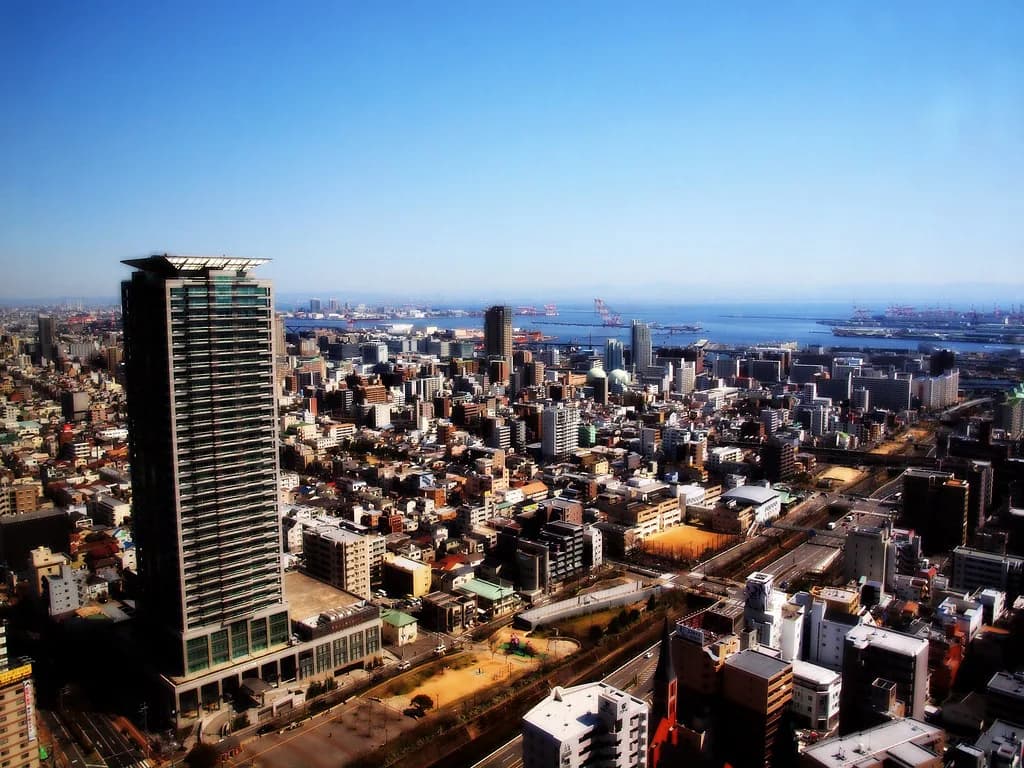
Event Day Packing for Kobe's Port Island and Rokko Island
Pack for a Kobe island event day with compact bags, layered clothing, reliable footwear, and rain gear suited to transit-heavy waterfront days.
On this page
An event day on Port Island or Rokko Island is shaped by a timetable, not a sightseeing route. You ride the Port Liner from Sannomiya, walk between stations and venues, and spend hours indoors before reversing the trip. That structure, plus Kobe's four distinct seasons, decides what goes in your bag.
This guide sticks to packing and dressing decisions for a single island event day or a weekend of them. It separates what you can verify with your event organiser from outfit suggestions you can adapt freely. Anything about bag sizes, security screening, or prohibited items has to come from your specific event organiser, not from a general guide.
Why Island Event Days Pack Differently
Port Island is a man-made island in Chuo-ku connected to Sannomiya by the Port Liner, an automated guideway transit system, with the line continuing to Kobe Airport. That means your day includes station stairs, platforms, and a walk at the far end. A bag you can carry hands-free through all of it beats a larger one you have to set down.
Rokko Island sits east of central Kobe and appears in travel listings as a Kobe-area destination reached by rail and bus connections. Whichever island your event is on, plan for the last leg on foot and for queues at the venue entrance. Build the outfit around standing and walking, then treat seating as a bonus.
Waterfront districts can feel cooler and breezier than sheltered city blocks, especially in the evening when you leave the venue. A light layer that packs flat solves this without turning your bag into luggage. If you are moving between hotel and island over several days, a broader Kobe packing list covers the city-side basics.
A Compact Day-Bag Formula for Stations and Queues
Start with a bag that holds a folded layer, a compact rain option, a water bottle, and your documents, then stops. A crossbody or small backpack keeps both hands free for stairs, ticket gates, and a phone showing your entry code. Soft-sided bags also squeeze under a seat or against your legs when seating is tight.
Packing lists for Japan consistently flag a versatile tote or day bag, a light layer, and comfortable walking shoes as core items, and that trio covers most island event days. Add a small pouch for cables and a second for receipts and cards so you are not digging at a gate. Keep the main compartment shallow enough that you can see everything at a glance.
If your event involves a concert, a collapsible tote folded into the base gives you somewhere to put a programme or merchandise without carrying a second bag all day. For a convention or exhibition, a flat document sleeve protects handouts better than a loose folder. Decide which one you need before you leave the hotel, because adding it later means carrying both.
Layering for Kobe's Four Seasons
Kobe has four distinct seasons, with hot, humid summers, a rainy stretch in June and July, typhoon risk into September, and cool winters that typically average around 5 to 7 degrees Celsius, roughly 41 to 45 degrees Fahrenheit. Spring and autumn are the gentlest stretches. Treat all of this as a historical seasonal pattern, not a forecast for your date.
In summer, light breathable fabrics in cotton or linen help in humid conditions, and a spare top in your bag is worth the space if you are moving between warm platforms and air-conditioned halls. In winter, a warm mid-layer plus an outer coat handles the cold, dry days. If your trip falls in a specific month, the month-by-month guides give a finer layer plan than a single seasonal rule, including what to wear in Kobe in November.
Transitional seasons are the hardest to pack for because mornings and evenings can feel noticeably cooler than midday. A thin knit or cardigan that compresses into a corner of your bag is more useful than a second heavy layer. For spring visits, what to wear in Kobe in April covers the same mild but changeable conditions in more detail.
For the humid end of summer, the same logic applies with lighter fabrics and more attention to rain. If your event lands in the rainy stretch, what to wear in Kobe in July sets out a breathable and rain-ready combination. Whichever month applies, pack two thin layers rather than one thick one so you can adjust inside the venue.
Footwear Trade-offs for Wet Pavement and Long Days
Cushioned walking shoes are the default for a day that starts at a station and ends on a platform. Choose a pair with a defined sole pattern rather than a smooth one, because wet pavement, station stairs, and ramps are the surfaces you will actually meet. Break them in before the trip, not on the morning of the event.
Packable flats or loafers work as a second pair for a convention reception or a nicer dinner, but they should be a backup rather than your main shoe. If rain is likely across your dates, a shoe you do not mind getting damp matters more than one that looks crisp. Rotate pairs across a multi-day trip so one set can dry overnight.
Socks are the quiet variable: bring more than the number of days, since a damp pair can ruin an otherwise fine afternoon. If your event involves a venue where shoes come off, slip-on styles save time at the entrance. Confirm any such requirement with the organiser rather than assuming it applies.
Rain Strategy: Shell or Umbrella
Kobe can see rain across the year, with the heaviest historical concentration in summer and lighter, drier winters. Guidance for the city recommends a compact umbrella or a light raincoat, since rainfall is possible at any time. Read those patterns as seasonal tendencies, not as a prediction for your event day.
A packable shell works when you expect crowds, wind, or a long walk between transport and the venue, because it leaves both hands free and does not need managing when you step indoors. A folding umbrella works for short exposed walks and for a bag that is already full, since it stows wet and dries quickly. Pick one as your primary and treat the other as optional.
Whichever you choose, add a small dry bag or a zip pouch for your phone and documents. That single item protects the things you cannot replace when rain arrives between the station and the door. If your event requires a clear bag or restricts what you carry in, check the organiser's current rules before you buy anything.
One Outfit, Three Event Types
For a convention or exhibition, think of a neat, low-fuss outfit that survives a full day of standing: a collared shirt or blouse, tailored trousers or a simple dress, and comfortable closed shoes. Business-oriented Japan packing guidance suggests business casual pieces plus comfortable walking shoes, which is a sensible baseline. Nothing about that is a dress code, and you should confirm expectations with your own organiser.
For a concert, prioritise freedom of movement and layers you can tie around your waist or stuff into a bag. Darker colours hide transit dust and venue wear better than pale ones. Keep jewellery minimal so it does not catch on bags or barriers in a crowd.
For an exhibition or trade floor, pockets matter more than they sound: a jacket or trouser with real pockets keeps your phone and a card within reach while your hands stay available. The unifying formula across all three is a plain base layer, one mid-layer, and one outer layer that handles rain or cool air. Adapt the formality, keep the structure.
Transit Day Practicalities
An IC card such as Icoca covers trains, subways, and buses across Kansai, including Kobe's private lines, and small cash still helps at places that do not take cards. Keep the card in an outside pocket you can tap without opening your main compartment. Carry a modest amount of cash rather than a large sum.
A portable charger and a short cable belong in the bag, since a phone running a transit app and an event ticket will not last a long day. Keep a screenshot of your ticket and a note of your route in case signal is patchy underground. A collapsed tote or folded pouch gives you somewhere to put a coat or programme when seating is tight.
If your island day connects to a wider trip, the transit habits overlap with what to pack for Kobe cruise port embarkation day, where a compact bag and easy-access documents matter for the same reasons. Keep your documents in one pouch so nothing is loose when you are moving between platforms and queues.
Three-Day Event Weekend Packing Example
For one island event weekend, pack two bottoms, three tops, one mid-layer, one outer layer, one pair of walking shoes, and one packable pair of flats. Add socks, underwear, and two thin layers rather than one thick one. This keeps the bag carry-on sized and gives you a clean option for each day without laundry.
Add one rain option, a small dry pouch, a charger, an IC card, and a limited amount of cash. Bring a single small toiletry kit rather than full sizes, and one flat pouch for documents. Everything on this list should fit a personal-item-sized bag if you wear the bulkiest shoes and outer layer on the travel day.
Re-wear the mid-layer and outer layer across all three days, and rotate the two tops if the weather turns warm. If your event is indoors for most of the day, the outer layer does the heavy lifting and the mid-layer stays thin. This structure also works if you extend the trip, because the same pieces repeat.
What to Leave at the Hotel or at Home
Leave the camera you will not use, the second pair of jeans, and anything you are keeping for a different kind of day. If your hotel is close to Sannomiya, you can leave the larger bag there and travel light to the island. The fewer items you carry, the faster you move through gates and queues.
Leave heavy boots, formal shoes you cannot walk in, and anything that only works in one weather scenario. Leave a full-sized umbrella unless rain is genuinely likely, since it is awkward in crowds. Leave spare devices you will not use on an event day.
At home, leave behind anything you cannot replace easily and anything that only suits a different season. Leave duplicate cables, a second charger, and heavy toiletries. If you are unsure whether an item is permitted at the venue, leave it and check with the organiser first.
Before You Leave: A Quick Weather and Plan Check
Check the forecast for Kobe the morning of your event, not a week earlier, and match your layers to that day rather than the season in general. Historical patterns tell you what to own; the forecast tells you what to wear. Confirm your route and departure time on the operator's own site in case services change.
Confirm the venue's current bag and entry rules directly with the organiser, since these vary by event and are not something a general packing guide can settle. Pack your bag the night before so the morning is only about clothes and shoes. A two-minute check of the forecast and the rules saves far more time than repacking at the station.
Pack for the Day You Are Actually Having
The best island event kit is small, layered, and rain-ready, built around walking shoes and a bag that leaves your hands free. Match the layers to the month you are travelling, and keep the verified rules from your organiser separate from your own outfit choices. If your plans extend beyond one event day, a full Kobe packing list fills in the rest of the city.
Sort your shoes and one mid-layer first, then add the rain option, then the small items. That order keeps the bag light and makes the morning simple. Check the forecast and your venue's rules once more before you leave the hotel.
Frequently Asked Questions
What should I pack for an event day on Port Island or Rokko Island?
Start with a compact day bag, comfortable walking shoes, one mid-layer, one outer layer, a rain option, a portable charger, an IC card, and a small amount of cash. Add a dry pouch for your phone and documents. Confirm any event-specific bag or entry rules with the organiser, because those vary.
What shoes are best for a convention or concert day in Kobe?
Cushioned walking shoes with a defined sole are the most practical choice for stations, stairs, and long indoor days. Bring a packable second pair if you want something neater for an evening, but keep the walking shoes as your main pair. Break them in before the trip.
Do I need a rain jacket or an umbrella for Kobe event days?
Kobe can see rain across the year, with the heaviest historical concentration in summer. A packable shell suits crowds and wind because it keeps your hands free, while a folding umbrella suits short exposed walks. Pick one as your primary and treat the other as optional.
How do I pack a small bag for a day on Kobe's waterfront islands?
Keep the bag shallow enough to see everything at a glance: one folded layer, one rain option, a water bottle, a charger, and a document pouch. Use a crossbody or small backpack so both hands stay free for gates and stairs. Add a collapsible tote only if you expect to collect items.
What should I leave behind when heading to an island event in Kobe?
Leave heavy boots, a second bulky layer, duplicate cables, and anything that only works in one weather scenario. Leave the larger bag at your hotel if you are staying near Sannomiya and take only what the day needs. If you are unsure whether an item is allowed, check with the organiser rather than guessing.
Sources
- What To Pack: Japan (Business Edition) — Land + See Tours
- Kobe Travel Guide: Best Places to Visit and Things to Do
- Kobe Packing List for Women: What to Pack and Wear - Roman Trail Outfitters
- Visit Rokko Island: Best of Rokko Island Tourism | Expedia Travel Guide
- Port Island guide: discover the hidden gems of this vibrant destination | Japan Experience
Free: The Ultimate Packing Cheat Sheet
A carry-on capsule wardrobe, the complete packing checklist, layering made simple, and what to wear by season — one printable page you'll use on every trip.
You might also like


Continue reading
More guides you'll find useful