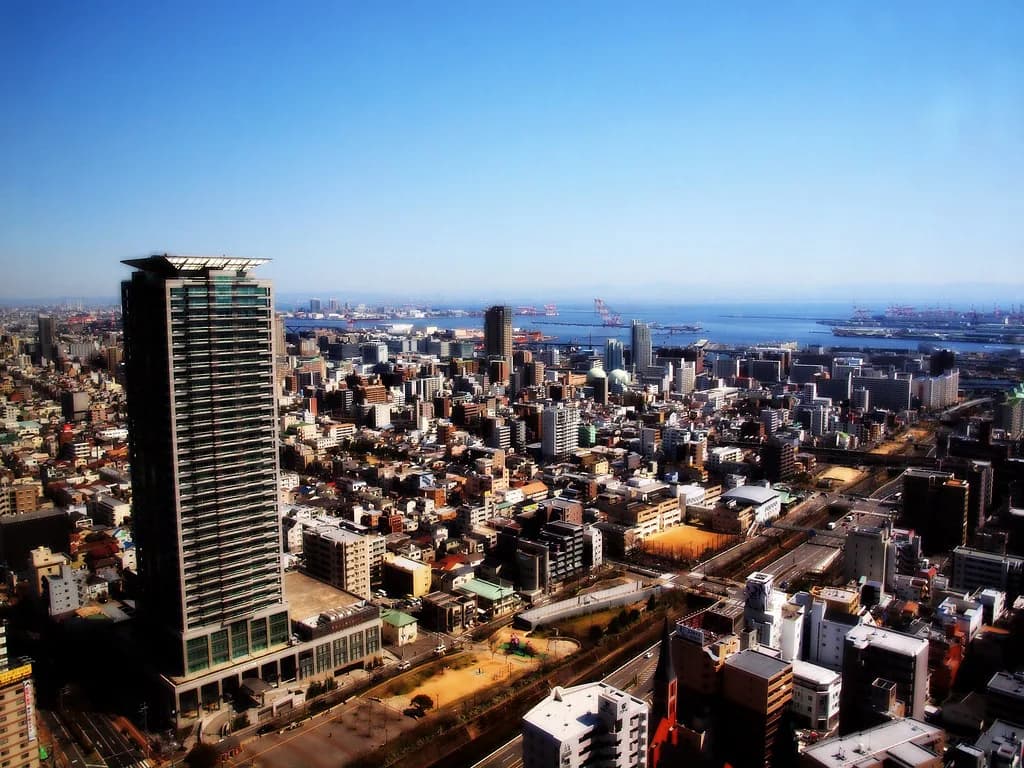
Kobe Harbor and Waterfront Wind Clothing Guide
Layer smartly for breezy Kobe waterfront walks, with wind-resistant shells, secure hats, footwear for piers, and tips for sheltered inland streets.
On this page
Kobe's waterfront is made for strolling, but the open promenades around Meriken Park and Harborland let sea air move through freely, so a calm morning inland can feel brisker once you reach the water. The practical fix is not a heavier coat but a layer stack you can open, remove, or add as you move between exposed piers and sheltered streets.
This guide focuses on clothing decisions for the harbor. It covers a three-part layering formula, shell and hat choices for wind, footwear for paving and piers, an evening adjustment, and a compact packing example for a short trip.
Why the Waterfront Feels Different from Inland Kobe
Meriken Park and Harborland sit on reclaimed land along the port, with open water on one side and broad paved plazas on the other. Kobe Harborland is one of the city's leading shopping and tourism areas, and the waterfront retains historical character, including the Kobe Brick Warehouse and the Former Kobe Port Signal Station. Because so much of the route is exposed, wind moves across the promenade with little to slow it.
Inland streets in Sannomiya and the covered shopping arcades block much of that airflow, so the same outfit can feel too warm within minutes of leaving the water. Treat the port-to-inland shift as a layer-management problem: start with a shell on, then peel it off and carry it once buildings and arcades cut the wind. A tote or small packable bag for the removed shell is more useful than a heavier coat you cannot take off.
The Base, Mid, and Shell Layering Formula
The most flexible setup for a harbor walk is three thin pieces rather than one thick one: a light base layer against your skin, a warm mid-layer for insulation, and a wind-resistant outer shell. On an exposed promenade, the shell does most of the work because it stops the breeze that would otherwise pull warmth away from the mid-layer. When you step into a covered mall or a sheltered arcade, the shell comes off first and the mid-layer stays on until you warm up.
Keep the base layer simple and close-fitting so it does not bunch under the mid-layer, and choose a mid-layer that looks presentable on its own for the moment you remove the shell indoors. If you run warm, a lighter mid-layer plus a reliable shell usually beats a heavy sweater you cannot vent. If you run cold, add a second thin mid-layer rather than swapping to a bulky coat, because two thin layers let you fine-tune warmth through the day.
Choosing the Outer Shell for Promenade Walking
A packable windbreaker or a light softshell is a more practical choice for waterfront walking than a heavy insulated coat, because it is easy to carry once you move inland and it cuts wind without trapping too much heat. A softshell offers a bit more structure and shrugs off light spray better, while a thin windbreaker packs smaller and dries faster if it gets damp. Either way, look for a shell you can open at the front or under the arms so you can vent without removing it entirely.
A hood helps on an open promenade when rain or spray is possible, but it can flap in strong wind and reduce your peripheral vision, so many walkers prefer a shell with a collar and a separate hat. If you choose a hood, tighten the adjustment cords so it stays in place, and keep a hat as a backup for dry, breezy days. Whichever you pick, make sure the shell fits over your mid-layer without compressing it, because a tight shell flattens the insulation that keeps you warm.
Hats and Accessories That Stay Secure in Wind
On an open waterfront, a hat is as much a wind-security decision as a warmth decision. A fitted cap or a hat with a chin cord is far less likely to end up in the water than a loose, wide-brimmed style, and a snug fit around the head matters more than the material. If you like a brim for sun or rain, choose one with a cord you can tighten and tuck the loose end away.
Small accessories need the same treatment. A scarf that can be looped and tucked stays put better than one that hangs loose, and a cross-body bag or a zipped inner pocket keeps tickets, a transit card, and a phone from shifting as you lean into the breeze. If you carry a paper map or a light jacket, fold it into a bag rather than holding it, because anything loose in your hands becomes a sail on a windy promenade.
Footwear for Promenades and Piers
The waterfront route mixes smooth paving, brick, and pier surfaces, and some sections can be damp or slick after rain or spray. Closed shoes with a grippy sole are a safer default than sandals or slick-soled fashion shoes, especially on ramps and near the water's edge. If you plan a long day of walking, cushioning matters as much as grip.
Bring one pair of broken-in walking shoes and, if rain is likely, a second pair you do not mind getting wet so you always have a dry option for the next day. Spare socks are a small addition that makes a big difference when shoes get damp, because wet feet cool quickly on a breezy promenade. Leave the dressy shoes at home unless you have a specific dinner reservation that calls for them.
Day-to-Night Adjustments on the Waterfront
Evenings near the illuminated Kobe Port Tower and the waterfront can feel cooler than midday, because the breeze continues after the sun goes down and you are often standing still rather than walking. Add insulation under the shell rather than over it, so the wind layer stays on top where it does the most good. A thin fleece or a light down vest under a wind-resistant shell is easier to manage than a single heavy coat.
If your evening includes dinner indoors at Harborland, you will likely shed the shell at the table and want the mid-layer to look presentable on its own. Keep the hat and scarf with you rather than leaving them behind, because the walk back to the station can be the breeziest part of the night. A compact, packable shell that stuffs into your bag is the easiest way to handle the indoor-to-outdoor switch.
Moving Between the Port and Inland Streets
The shift from the open water to sheltered inland streets is the moment your layer stack earns its keep. Kobe Harborland is located in Kobe's main waterfront area, and a short walk from JR Kobe Station or Harborland Subway Station leads you to the water; from Meriken Park, the area is an easy five-minute walk away. Take the shell off before you enter an enclosed mall or arcade, or you will overheat within a few minutes and end up carrying it anyway.
If your day mixes the waterfront with inland districts such as Kitano or Sannomiya, plan your layers so the shell is the outermost piece and the mid-layer is something you can wear indoors. For a colder-season visit, see what to wear in Kobe in November for a more detailed look at how the seasonal shift affects layer thickness. The same formula works year-round; only the thickness of the mid-layer changes.
A Three-Day Packing Example
For a three-day waterfront-focused trip, pack two light base layers, one warm mid-layer, one wind-resistant shell, one secure hat, and two pairs of socks per day. That is enough to handle a breezy promenade, a sheltered shopping afternoon, and an evening near the illuminated Port Tower area without overpacking. If you extend the trip, add a second mid-layer rather than a second shell, because the mid-layer is what you will want to vary.
One pair of walking shoes plus one spare pair covers most conditions, and a single cross-body bag keeps your hands free on windy sections. Roll base layers and the mid-layer to save space, and wear the shell on travel days so it does not take up room in your bag. The Kobe packing list covers an embarkation day set of priorities if you are boarding a cruise from the port.
What to Leave Behind
Leave the bulky winter coat at home for a waterfront-focused trip. It is hard to carry once you move indoors, and a shell over a mid-layer gives you more control on an exposed promenade. A heavy coat also takes up most of a day bag, leaving no room for the layer you actually shed.
Skip hats that cannot be secured, extra shoes you will not wear, and anything that has to be held in your hands on a breezy walk. A wide-brimmed hat without a cord, a loose scarf, and a stack of paper guides all become problems when the wind picks up. If you are unsure about a piece, ask whether you can carry it comfortably while walking and whether it works in both wind and shelter.
Before You Go: Check the Forecast, Not the Calendar
Kobe's climate varies through the year, and the waterfront can feel quite different from inland streets on the same day, so check a current forecast for wind and rain in the days before you travel. Historical seasonal tendencies are a useful guide for choosing layer thickness, but they are not a forecast for your specific dates. Pack the night before based on the latest outlook, and adjust the mid-layer and shell rather than rebuilding your whole bag.
If rain or strong wind is expected, add a compact rain shell and a spare pair of socks, and make sure your hat has a cord. If the outlook is mild and calm, a light shell and one mid-layer will usually be enough for the promenade. For monthly context on how the seasons affect clothing choices, see the Kobe packing list for broader coverage of the year.
Plan Your Visit
The waterfront at Meriken Park and Harborland rewards a simple three-piece layer stack: a light base, a warm mid-layer, and a wind-resistant shell, plus a hat you can secure. Add closed, grippy shoes for the paving and piers, and keep a small bag for the layers you shed indoors. Check the forecast before you go, then adjust the mid-layer rather than the whole outfit.
If your trip falls in a shoulder season, the monthly guides can help you fine-tune warmth without overpacking, and the Kobe packing list covers the wider essentials. The goal is a setup you can change in seconds as you move between the open water and sheltered streets.
Frequently Asked Questions
How many layers do I need for a walk along Kobe's harbor?
Three light pieces are usually enough: a base layer, a warm mid-layer, and a wind-resistant shell. The shell is the key piece on open promenades because it stops the breeze, and you can remove it when you move into covered malls or sheltered arcades. If you run cold, add a second thin mid-layer rather than switching to a heavy coat.
Is the Kobe waterfront breezier than inland streets?
The waterfront is more exposed than inland streets, so wind moves across the promenade with less to slow it and can make conditions feel brisker than in sheltered districts. Covered arcades and built-up areas block much of that airflow. This is why the same outfit can feel too warm within minutes of leaving the water, and why a removable shell matters more than a thicker coat.
What should I wear on my head for a walk along Kobe Harborland?
A hat is optional, but if you wear one, choose a fitted cap or a hat with a chin cord so it does not blow away on an exposed promenade. A loose, wide-brimmed hat without a cord is the piece most likely to cause trouble in wind. A hooded shell can substitute on wet days, though a hood can flap and reduce peripheral vision.
What shoes are best for Kobe's waterfront promenades?
Closed shoes with a grippy sole are a safer default than sandals, because the route mixes smooth paving, brick, and pier surfaces that can be damp or slick. Bring one broken-in walking pair and, if rain is likely, a second pair you do not mind getting wet. Spare socks help when shoes get damp, since wet feet cool quickly in a breeze.
How should I layer for a waterfront evening in Kobe?
Add insulation under your shell rather than over it, so the wind layer stays on top where it works best. A thin fleece or light down vest under a wind-resistant shell is easier to manage than one heavy coat. Keep your hat and scarf with you for the walk back, because the promenade can be breeziest after the sun goes down.
Sources
Free: The Ultimate Packing Cheat Sheet
A carry-on capsule wardrobe, the complete packing checklist, layering made simple, and what to wear by season — one printable page you'll use on every trip.
You might also like


Continue reading
More guides you'll find useful